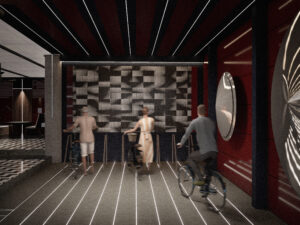
School of Architecture

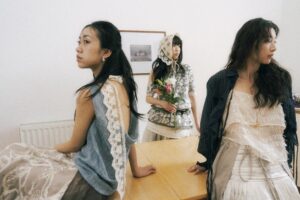
School of Design
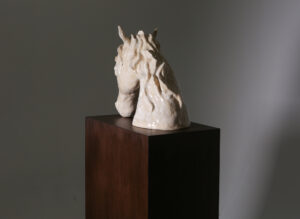
School of Fine Art

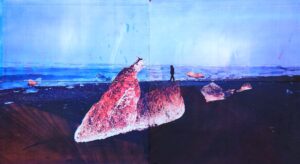
School of Innovation & Technology


PhD Research
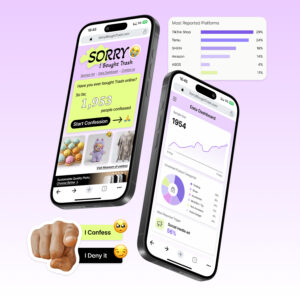
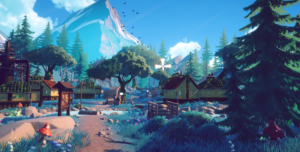
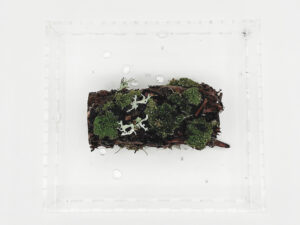
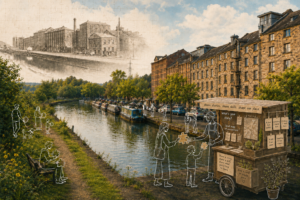
The PhD programme is central to GSA’s research culture and provides an interdisciplinary community within a practice-led institution. Researchers engage with new developments across contemporary art, design, technology and architecture, supported by collaboration, experimentation and a focus on impact. The programme nurtures creative practice as a form of research within a close-knit and supportive environment. The showcase presents work by recently completed PhD researchers, offering a snapshot of the School’s international research community and its diverse approaches to contemporary creative and critical enquiry.
Adaptation and Reinvention
We live in a time of unprecedented change – what does it mean to adapt in 2026? What societal pressures and norms are we forced to adapt to, and what radical potential could autonomous reinvention hold?
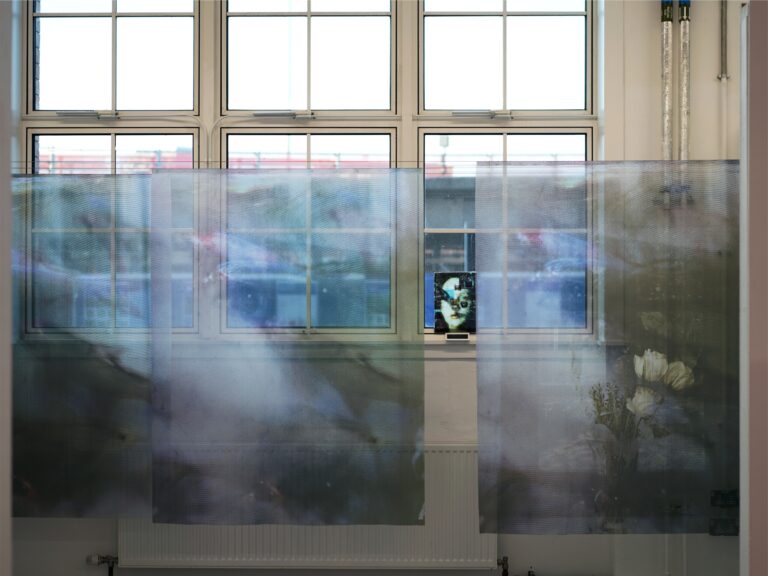
Autobiography and the Self
Works that explore their maker’s lives or own stories, memories or experiences. These works will often explore the politics of the self as well as personal and political identity, and methods of making these parts of ourselves visible.
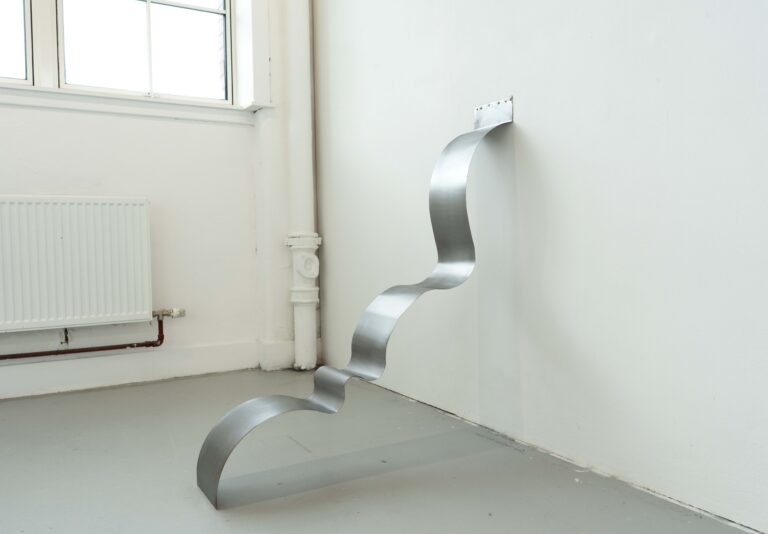
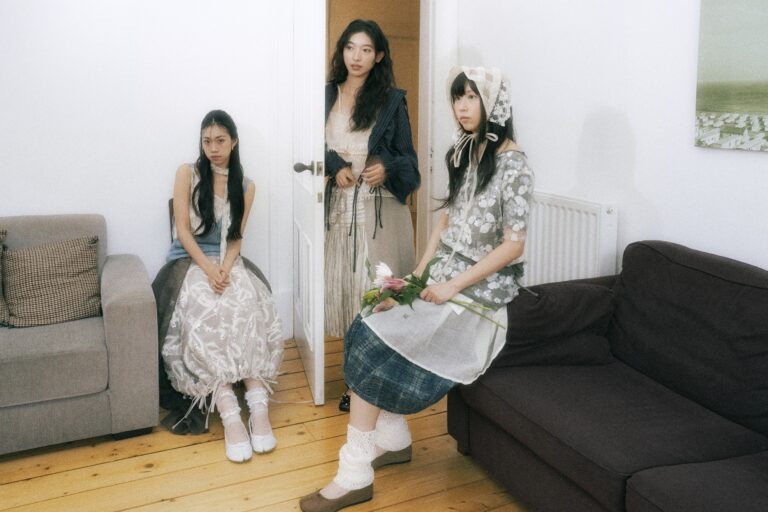
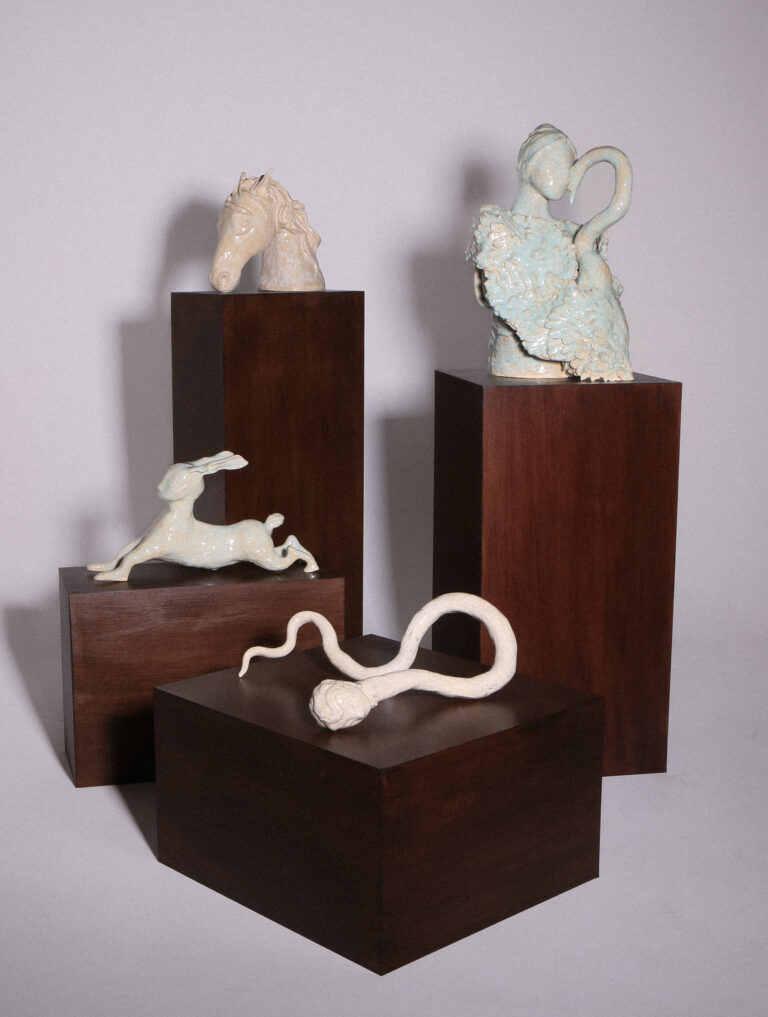
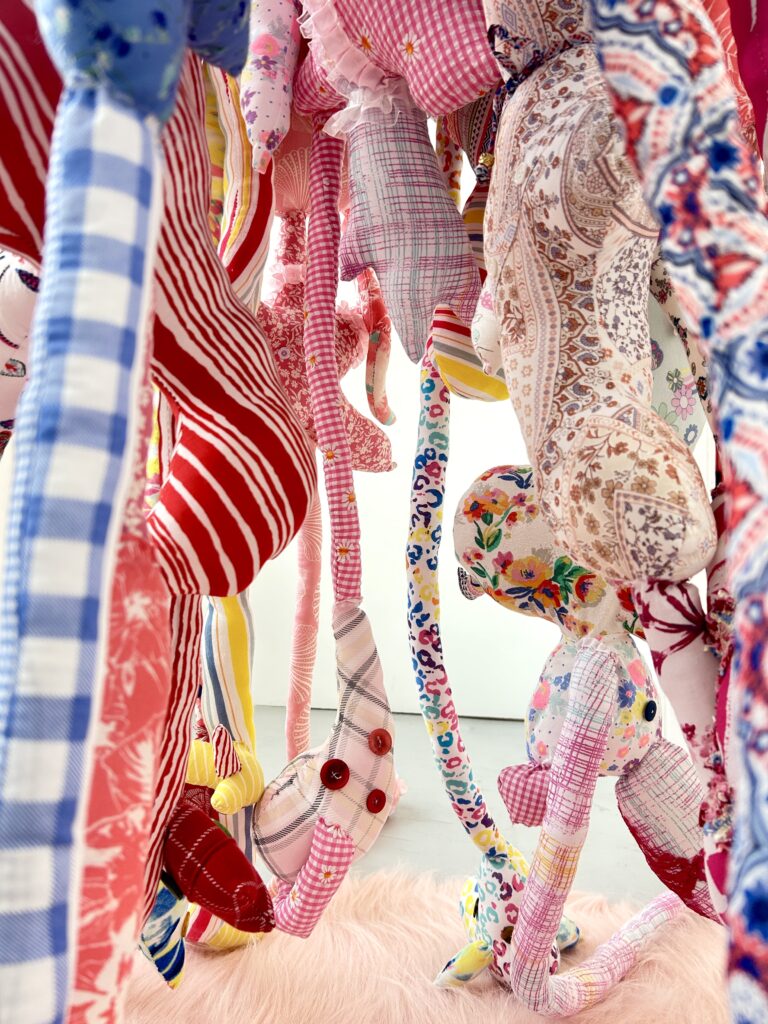
Community, Collaboration and Collective Action
Works which explore what it means to work with others to build genuine and meaningful engagement through art and design. These works explore notions of collaboration, trust building and acts or communities of solidarity.
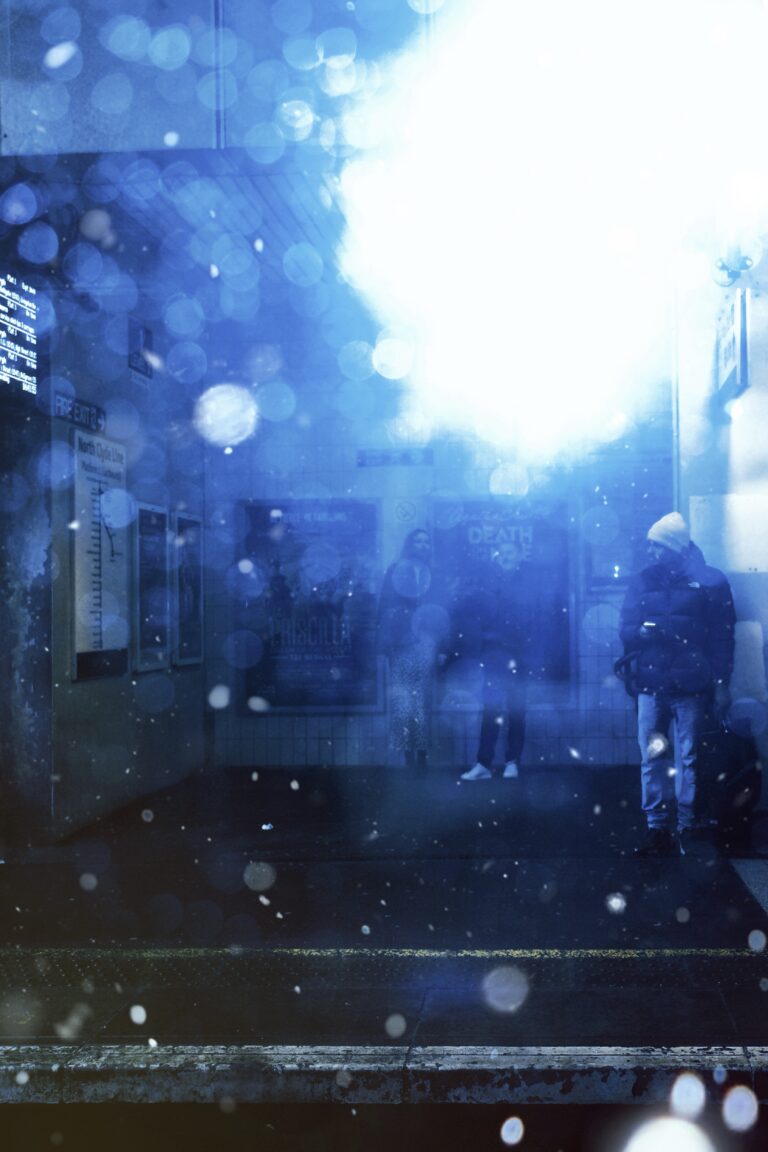

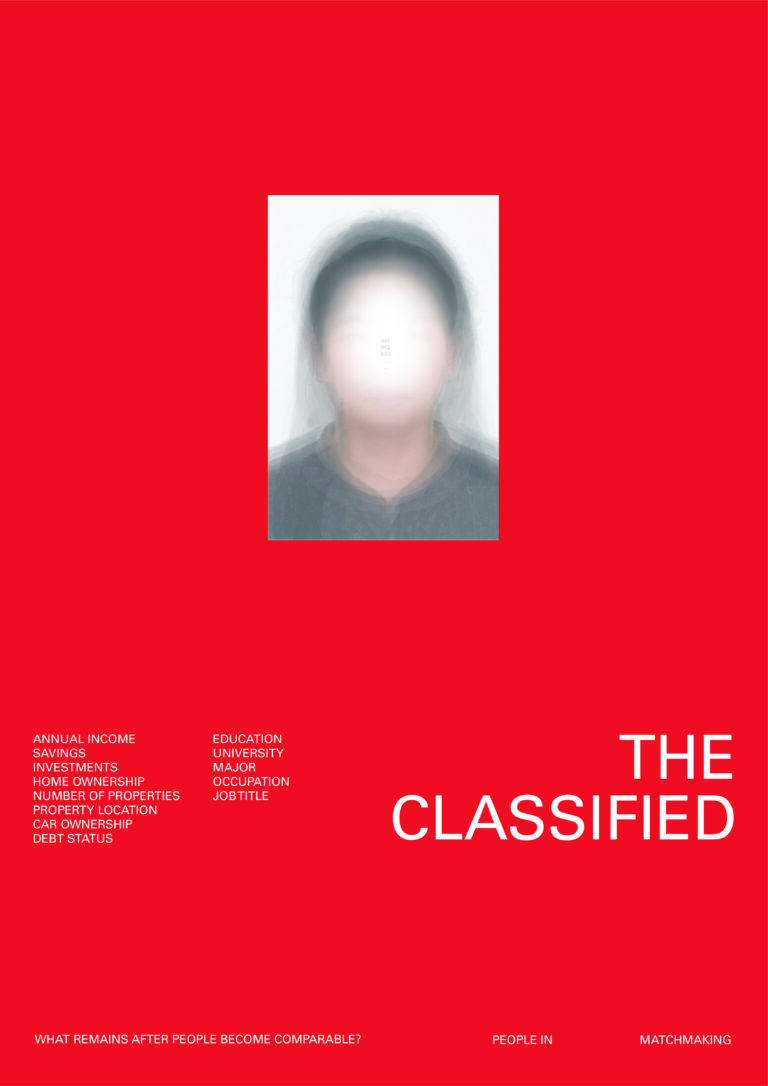
Creative Writing and Critical Theory
Works that engage with writing and theory – adopting and challenging dominant forms, and taking inspiration from writers and thinkers.
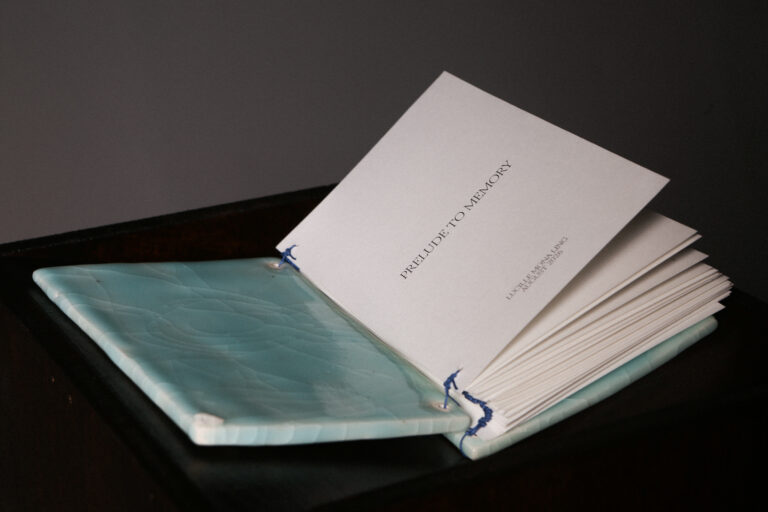
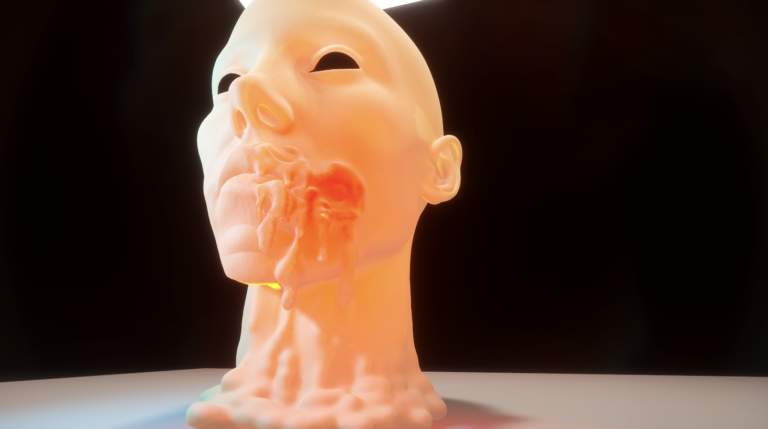
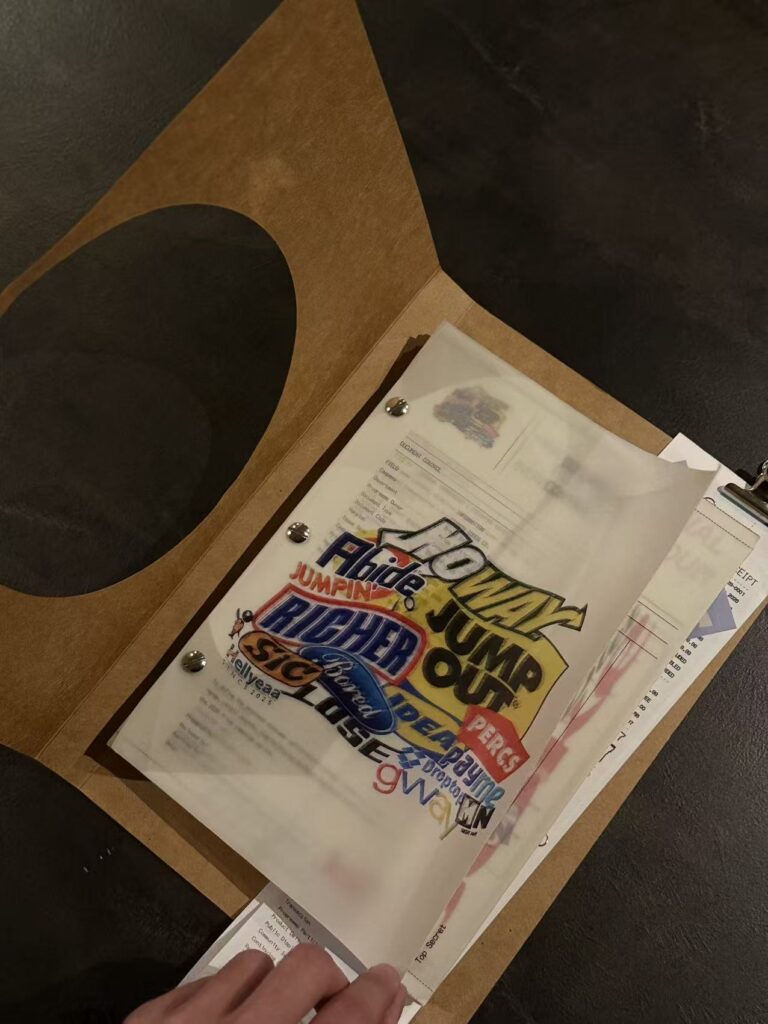
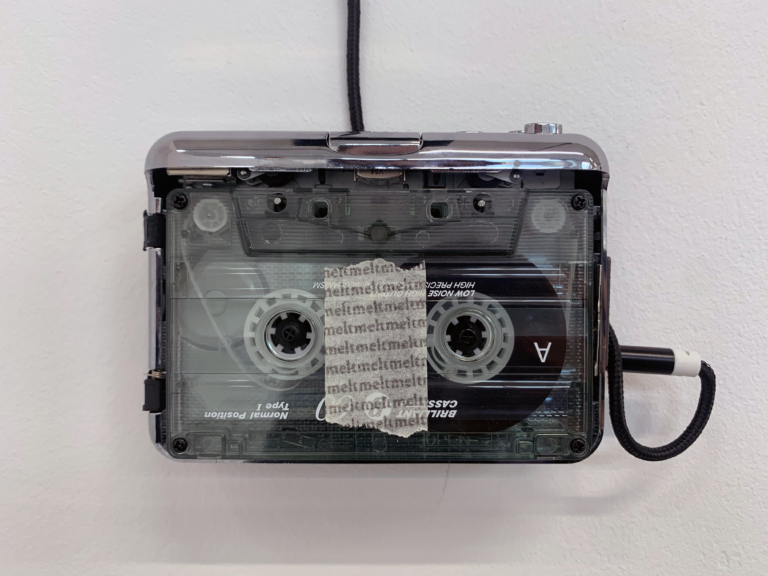
Gender, Identity and Representation
From trans joy to Black feminism; gender fluidity to media representation – these works explore the intersecting aspects, questions and challenges of gender today.
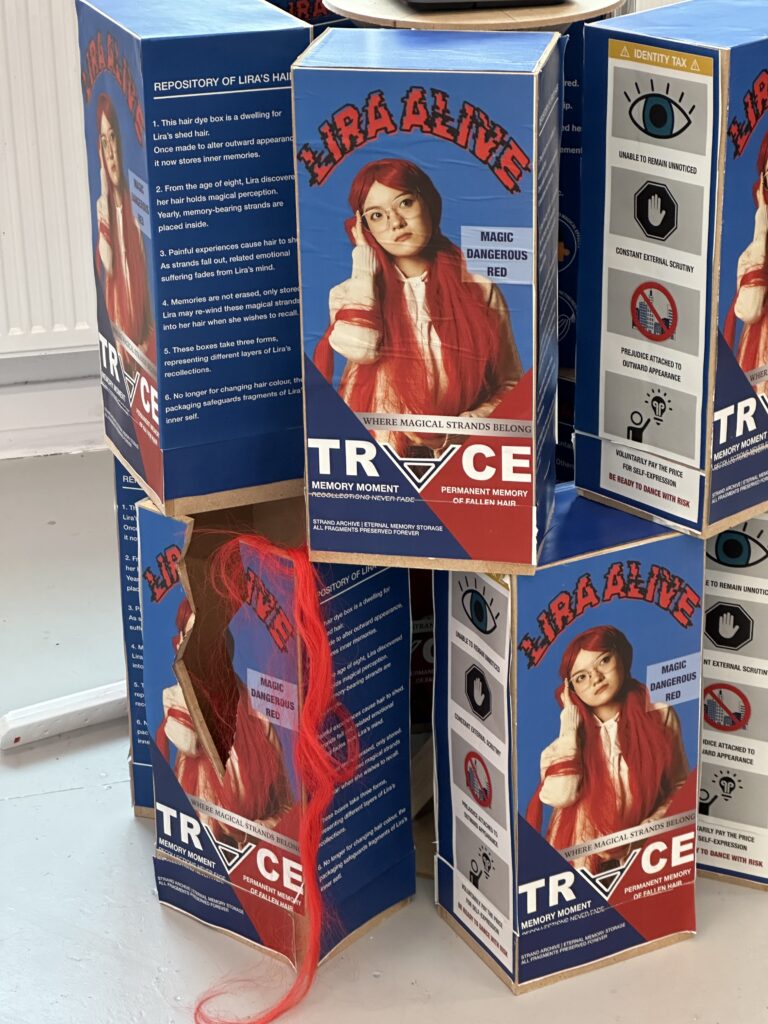
Health and Wellbeing
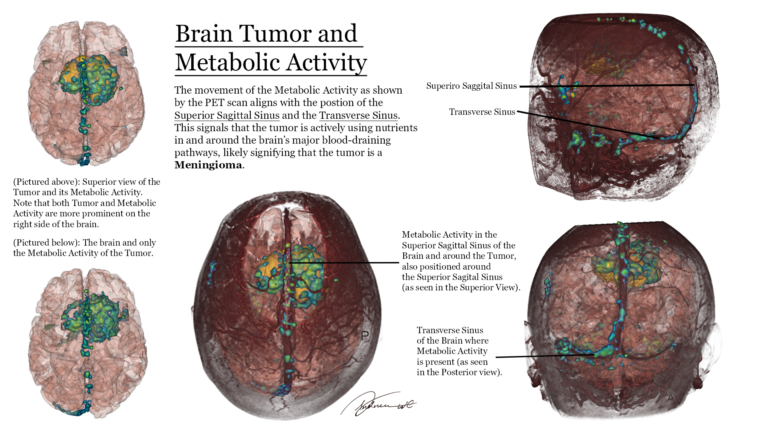
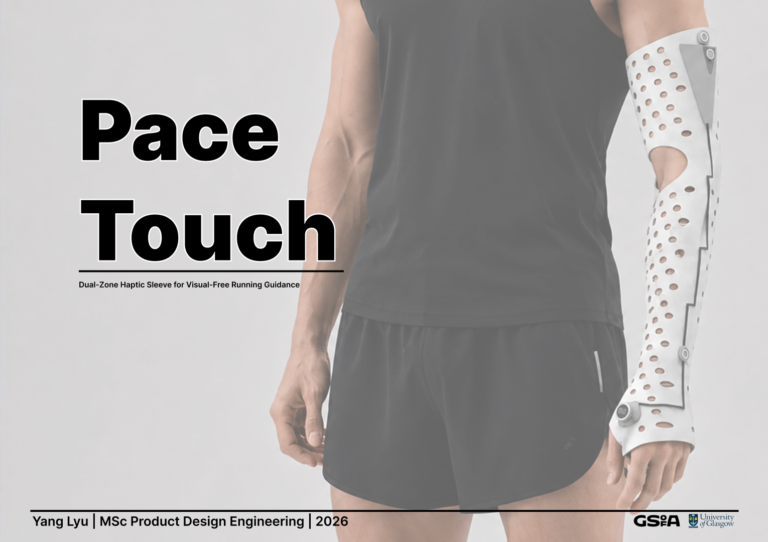
From technology-driven innovations in healthcare to narratives of mental illness, these works reflect on the current state of health and wellbeing, and imagine bold new futures.
Landscape and the Anthropocene
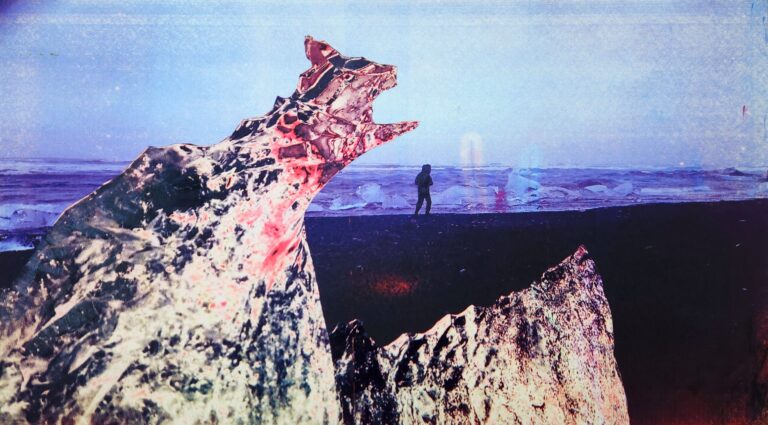
How does creative practice respond to, and affect, the current geological age – defined by the dominant influence of humans on the landscape?

Material Culture, Ephemera and DIY
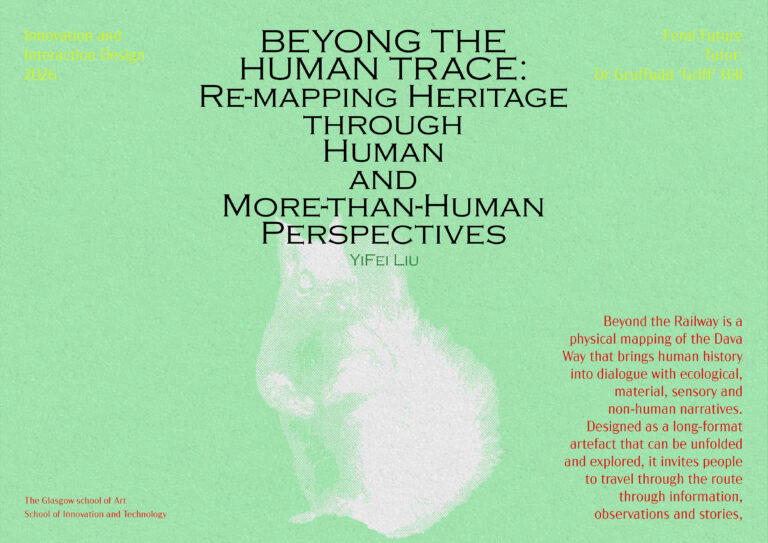
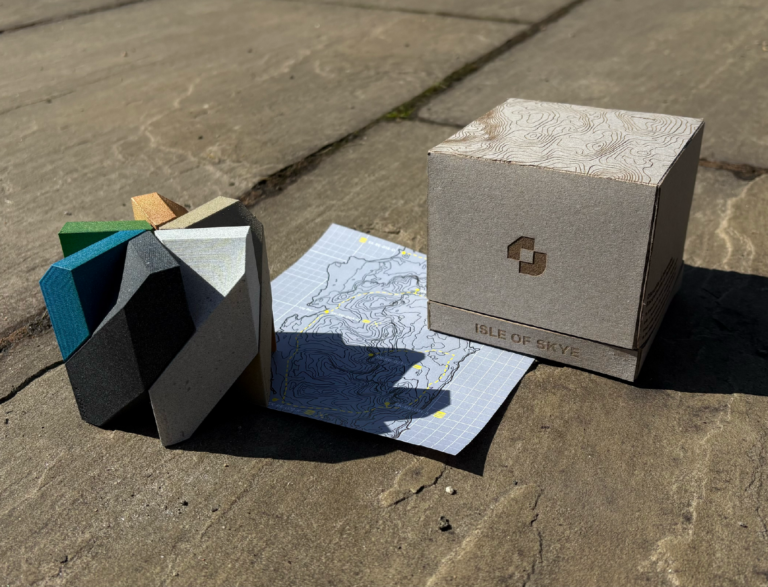
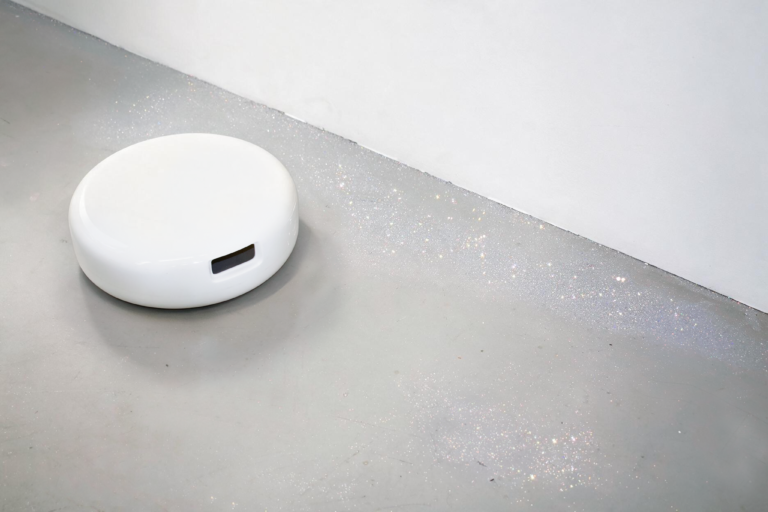
Works that explore and are interested in the ways in which material culture shapes and codes our political, personal and social lives. These works may also explore the politics of what it means to be a producer and maker, and how to make materials which are relevant and accessible.
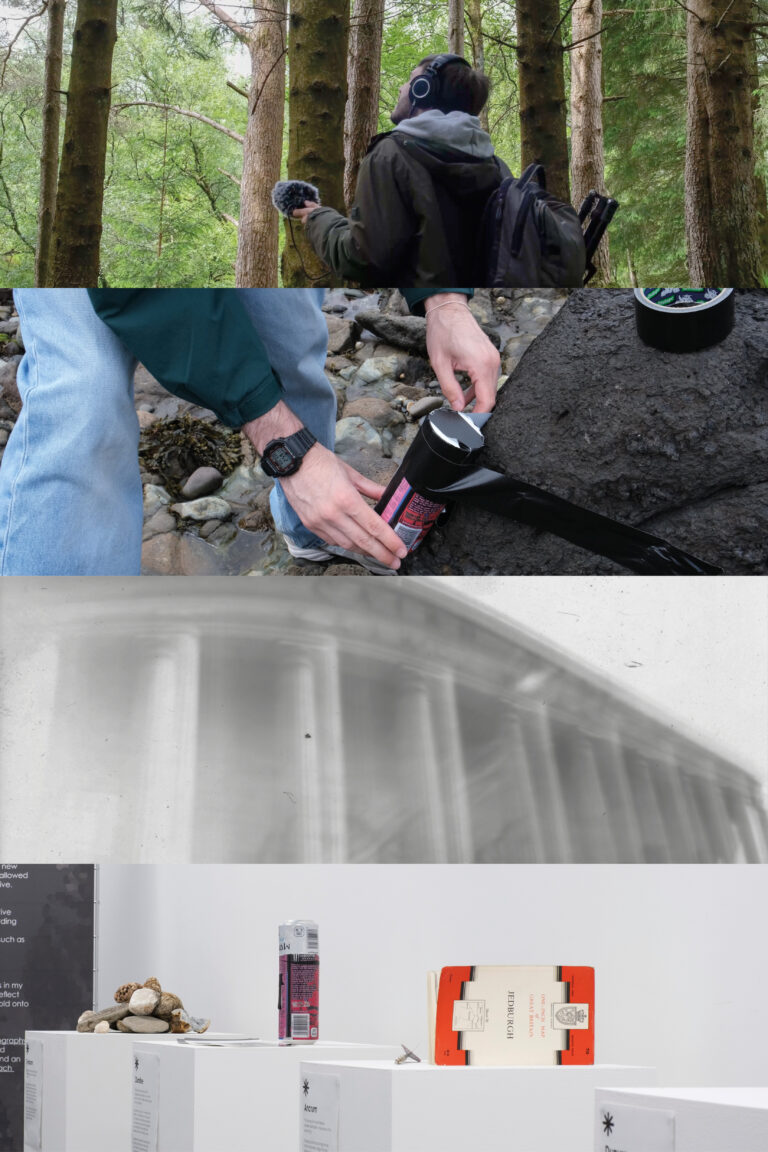
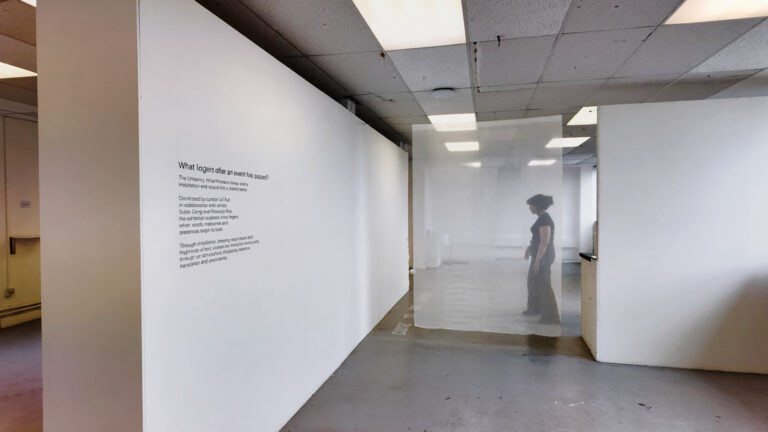
Medium, Method and Material
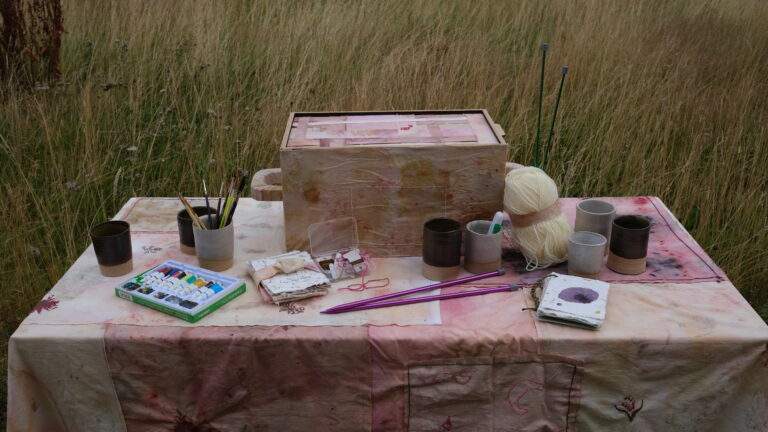
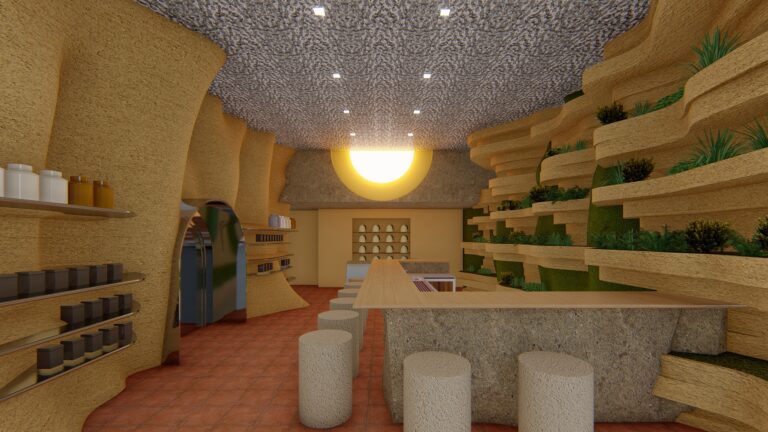
These works centre ways or methods of working where the material or medium of the work is central to how the work communicates, engages and builds meaning with its audience.
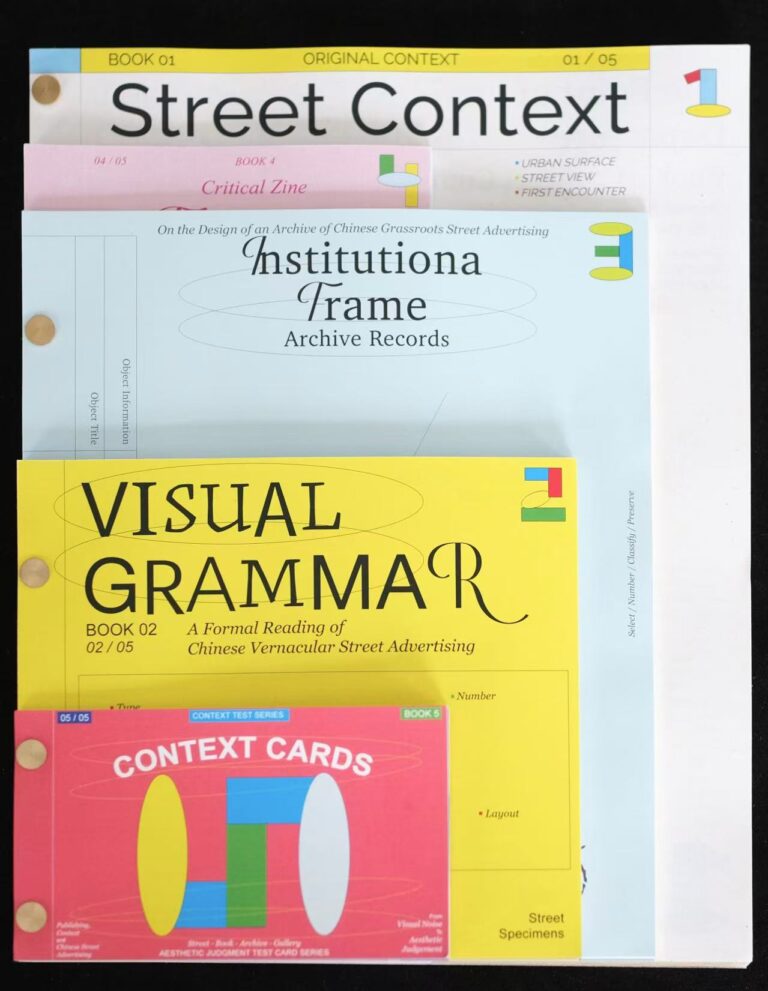
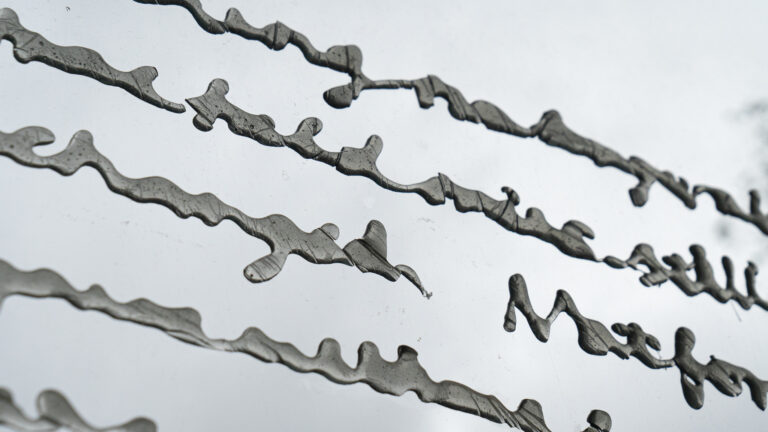
Neurodiversity and Visibility
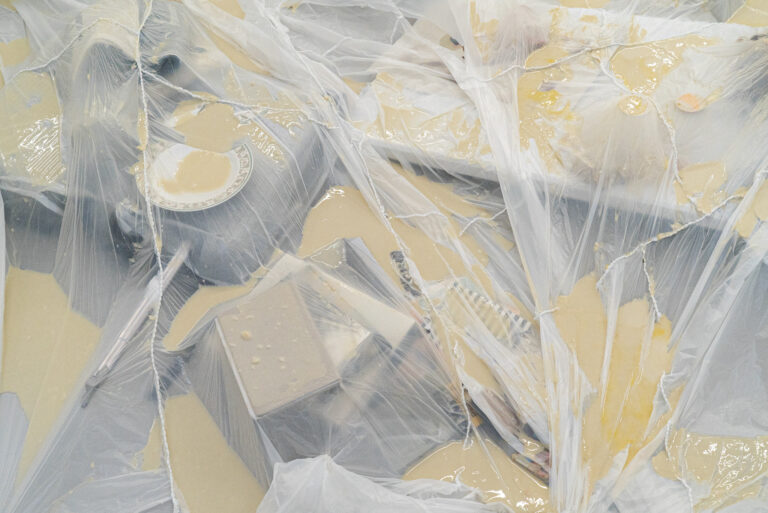
The infinite variations of the human brain and differences in sociability, learning, attention and mood are considered and represented here, in work made by and/or for people with neurological differences such as autism and ADHD.
Race and Decolonisation
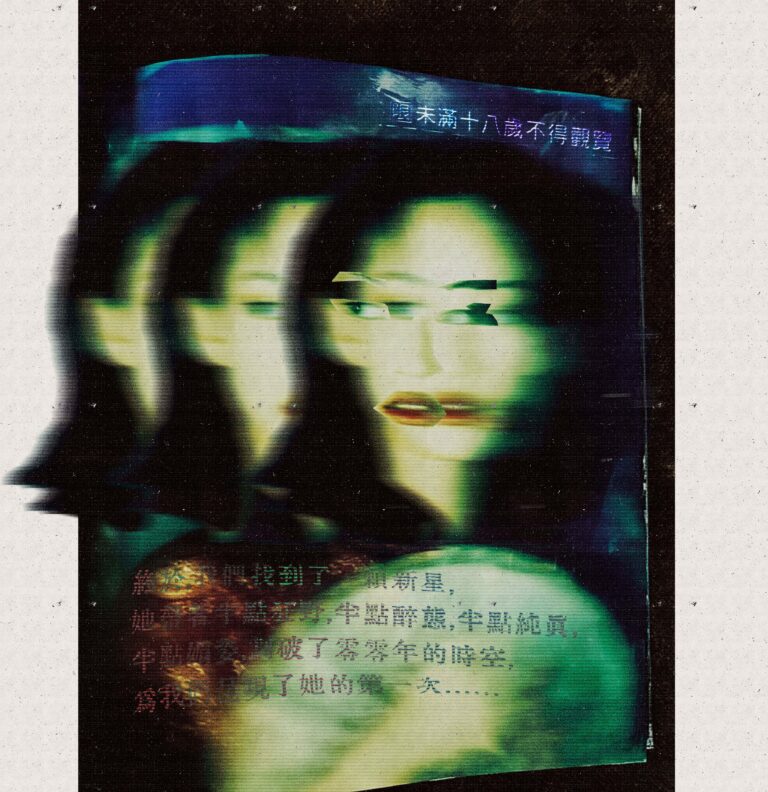
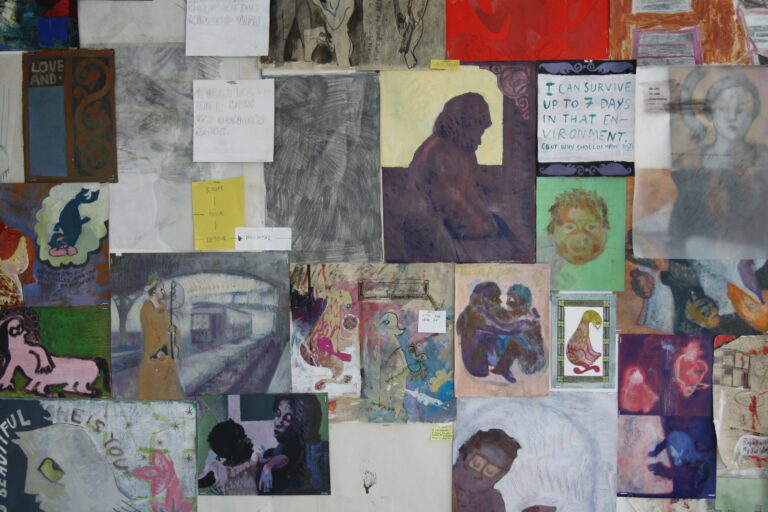
The need to de-colonise the mind, society, creative work, and the educational curriculum is presented with urgency here, alongside numerous intersecting themes of race and identity.
Social Injustice
When equals are treated unequally and the unequal treated equally, what is our creative response? These works, often political or philosophical, span issues of race, class equity, isolation, disadvantage, migration and bureaucracy
Sustainability and the Climate Emergency
Our world’s changing climate is the defining challenge of a generation, and sustainability is the responsibility of all artists, designers and architects. From zero-waste design to architecture that considers rising sea levels, these works range from provocative, to grief-stricken, to cautiously hopeful.
Web3, AI, and the Future of Art
The future of art may lie in our ability to adapt and incorporate emerging technologies. AI provides us with unique opportunities to experiment, iterate, and produce work that was previously unimaginable. It enhances our ability to visualise concepts, solve complex problems, and create dynamic, responsive designs.
“It may evoke emotions or feelings in people, but the intention (is) to test and explore ideas of juxtaposition and contradiction; anything extra is a plus.”