
Yina Liu
(Yina)
I’m Liu Yina and I graduated from the Glasgow School of Art with a major in Product Design Engineering. My works explore the intersection between product design, engineering, user experience and emerging technologies. I am particularly passionate about creating products and systems that can respond to real human behavior and daily needs. My design process integrates user research, concept development, prototyping and engineering thinking, emphasizing a balance between ease of use, feasibility and meaningful user experience. In my various projects, I have been involved in fields such as smart products, healthcare, urban systems, and interaction design. I enjoy interdisciplinary collaboration to transform complex problems into clear, practical and meaningful design solutions.
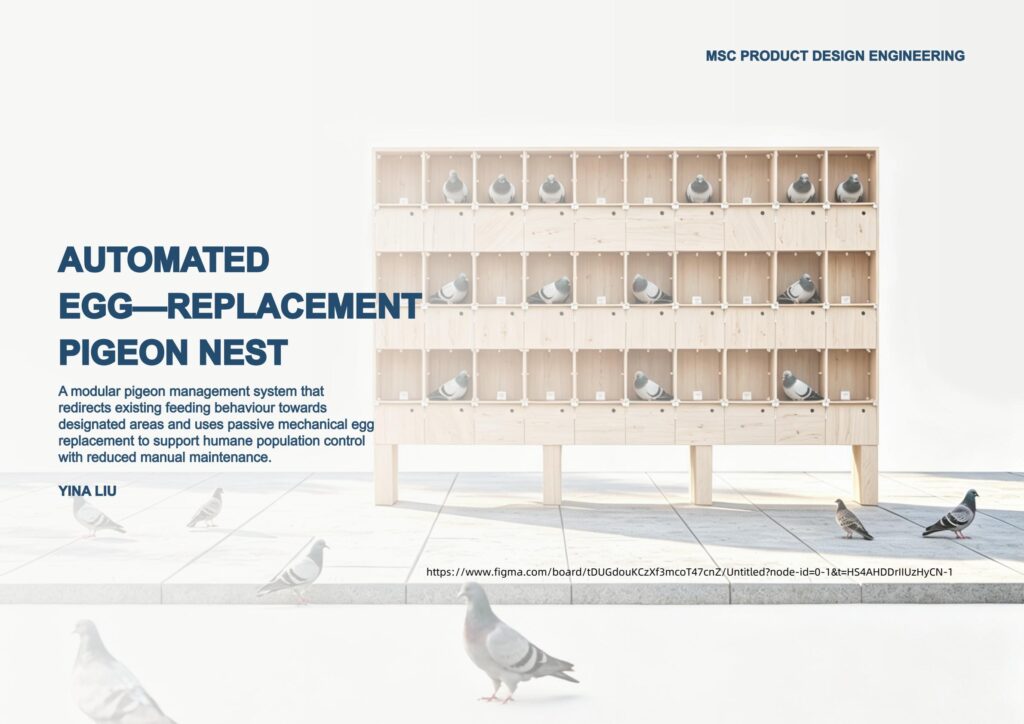
AUTOMATED EGG—REPLACEMENT PIGEON NEST
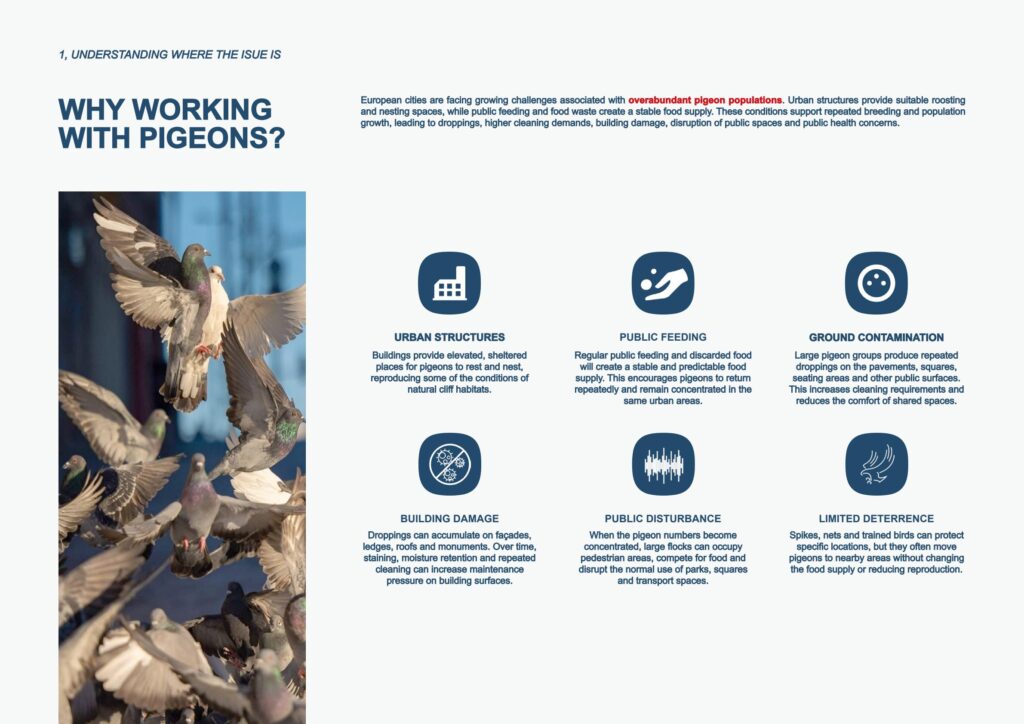
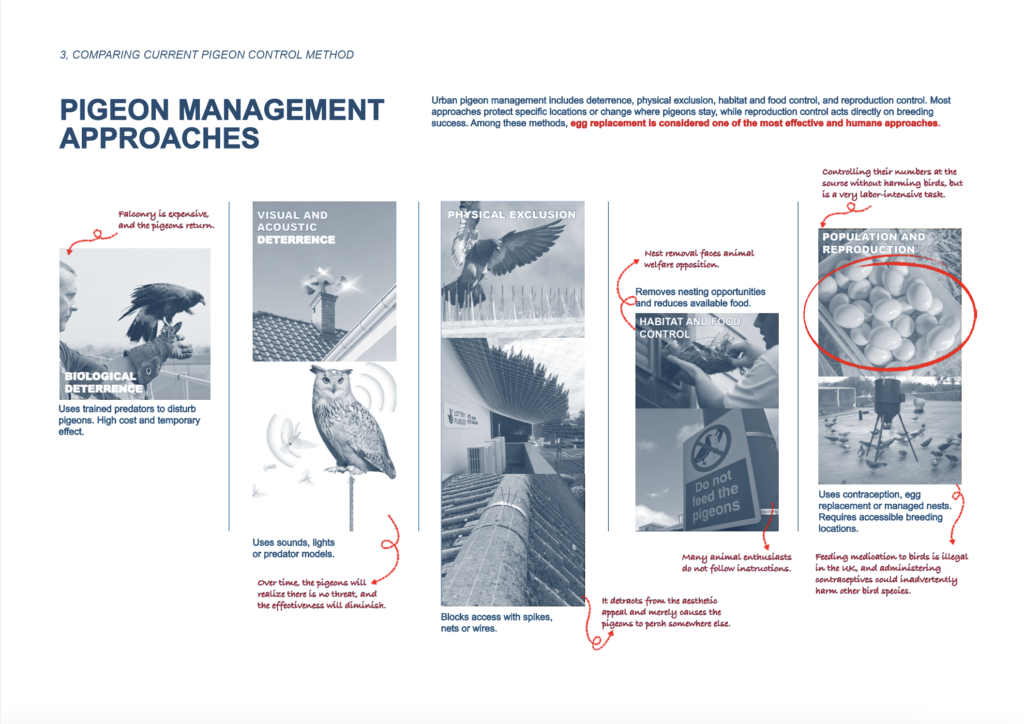
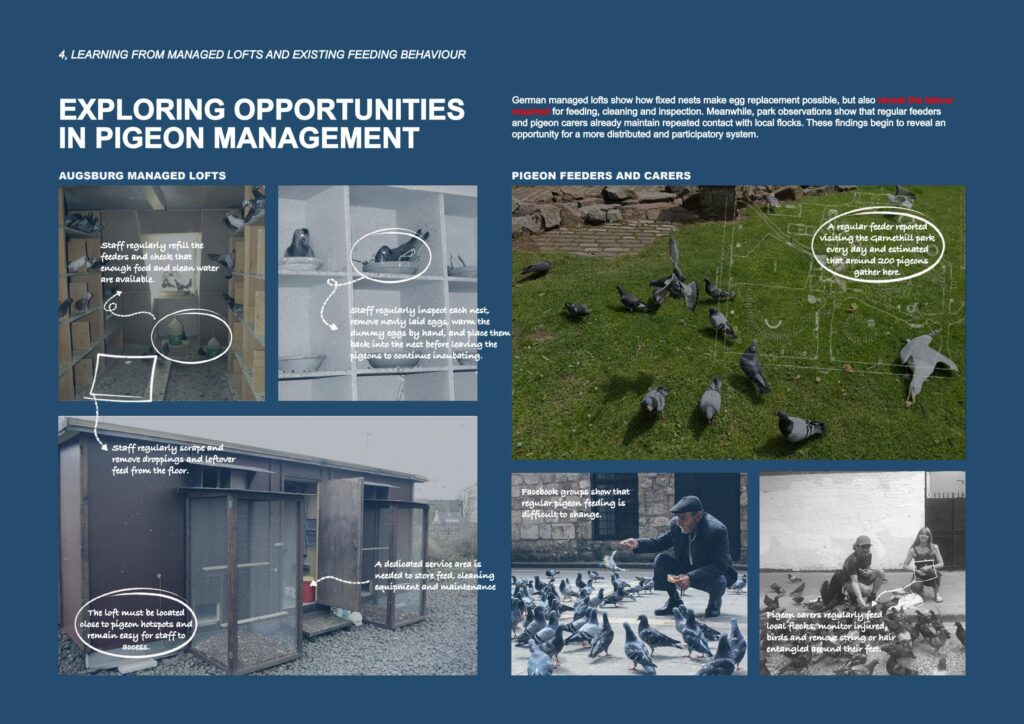
While travelling across Europe, I noticed that pigeons were almost everywhere. They live closely alongside people, buildings, and public spaces, but their large populations also contribute to problems such as droppings, building maintenance, and pressure on shared urban spaces. Back in Glasgow, I began observing how pigeons live in streets and parks and noticed that some people return to the same locations every day to feed them. To better understand this long-standing relationship between people and pigeons, I visited and studied local pigeon lofts, observing their nesting behaviour, everyday management practices, and different approaches to population control.
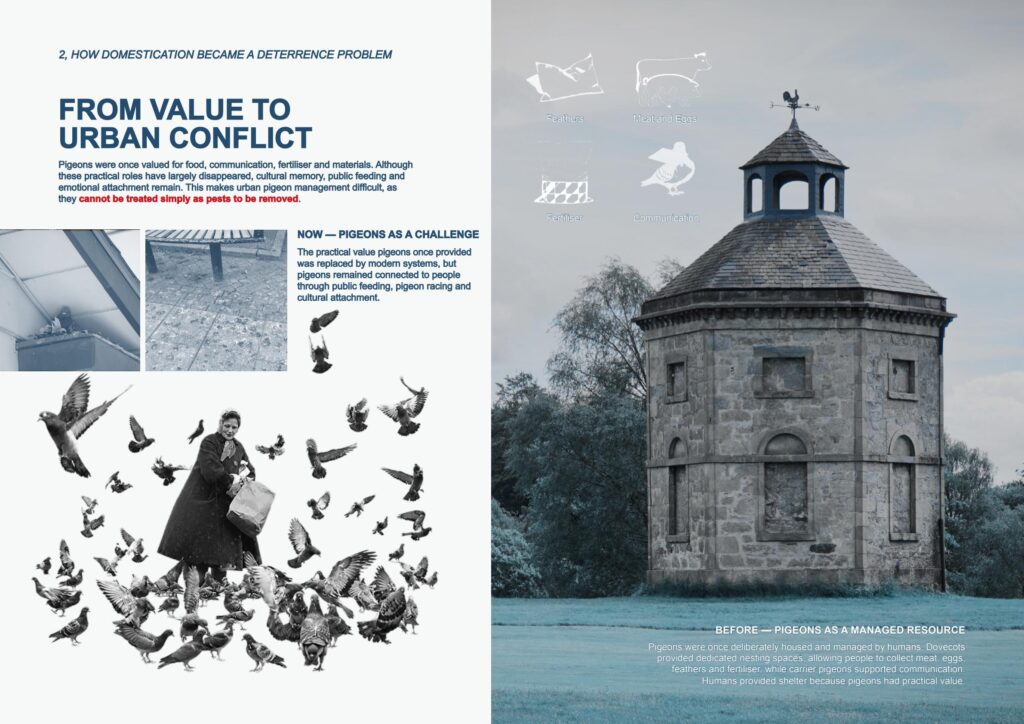
My research showed that pigeons once had clear roles in human society, providing food and communication and being deliberately bred and kept. Although many of these functions have disappeared, people continue to feed, keep, and form emotional connections with pigeons. As a result, pigeons are simultaneously regarded as an urban problem and supported by human behaviour, making simple deterrence or displacement difficult to sustain.
These experiences led me to ask: rather than continuously driving pigeons away, could existing human feeding practices and pigeon nesting behaviour be used to create a more humane approach to urban pigeon management?
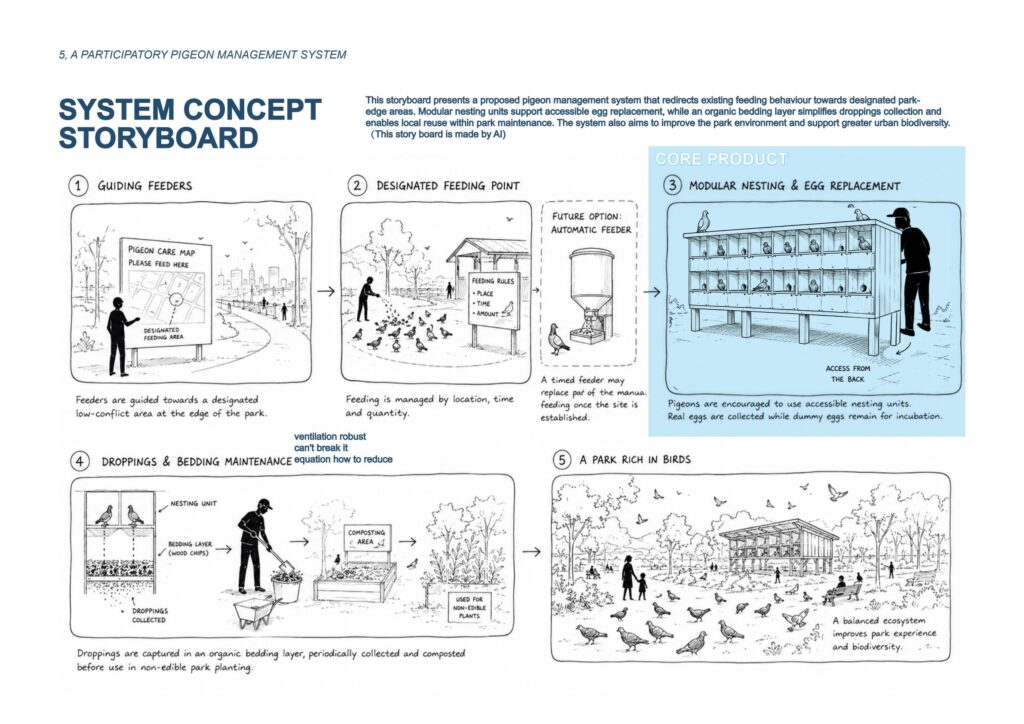
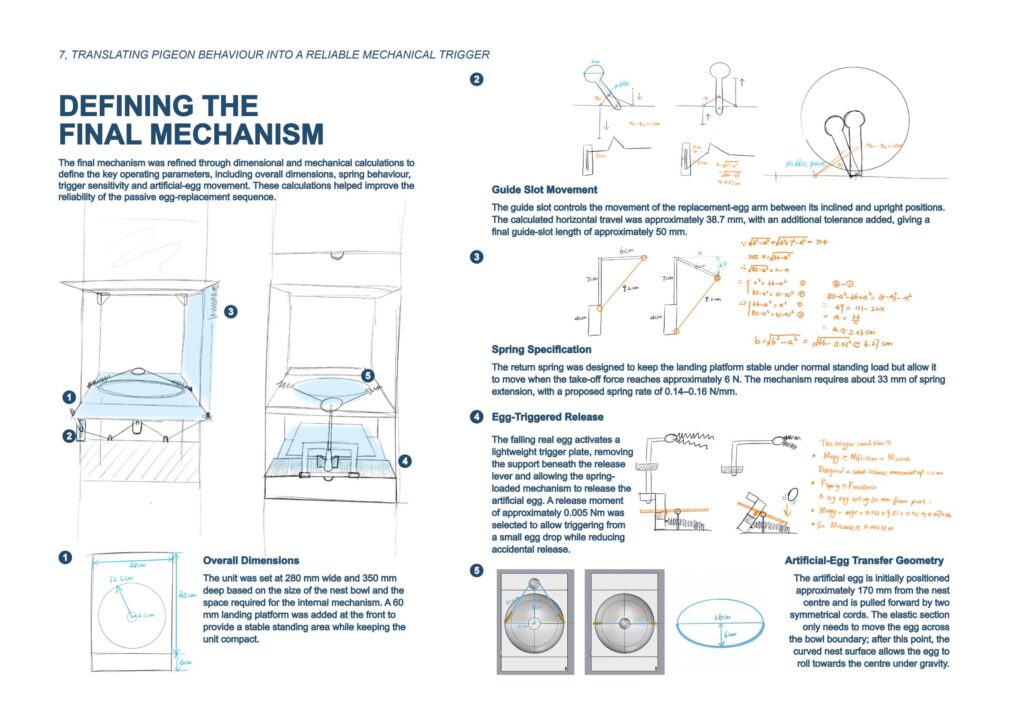
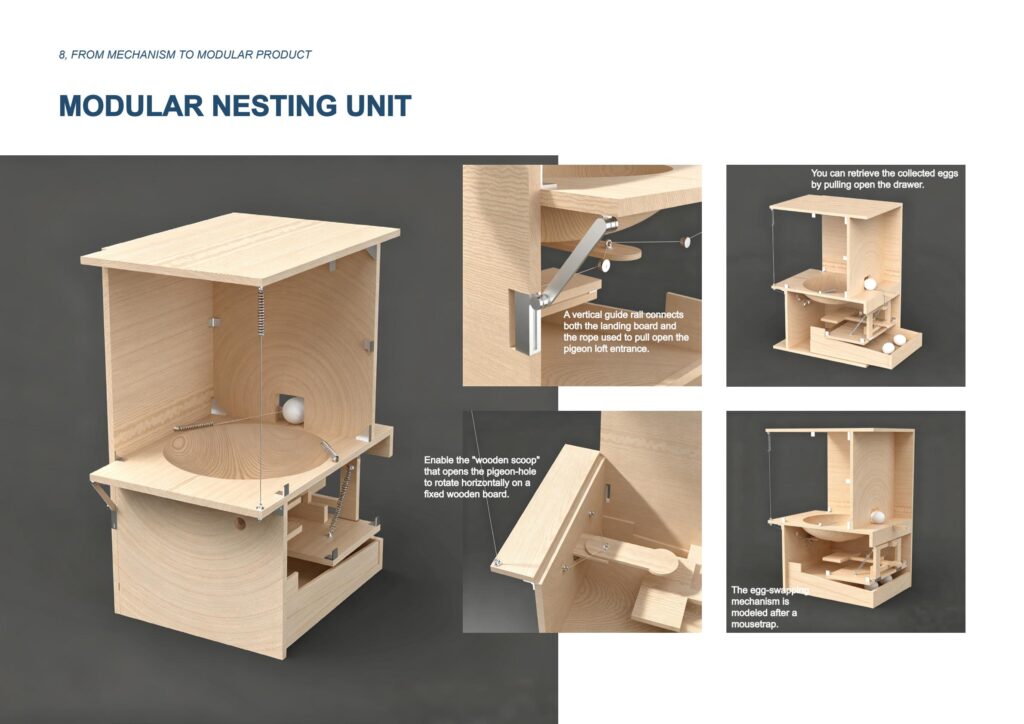
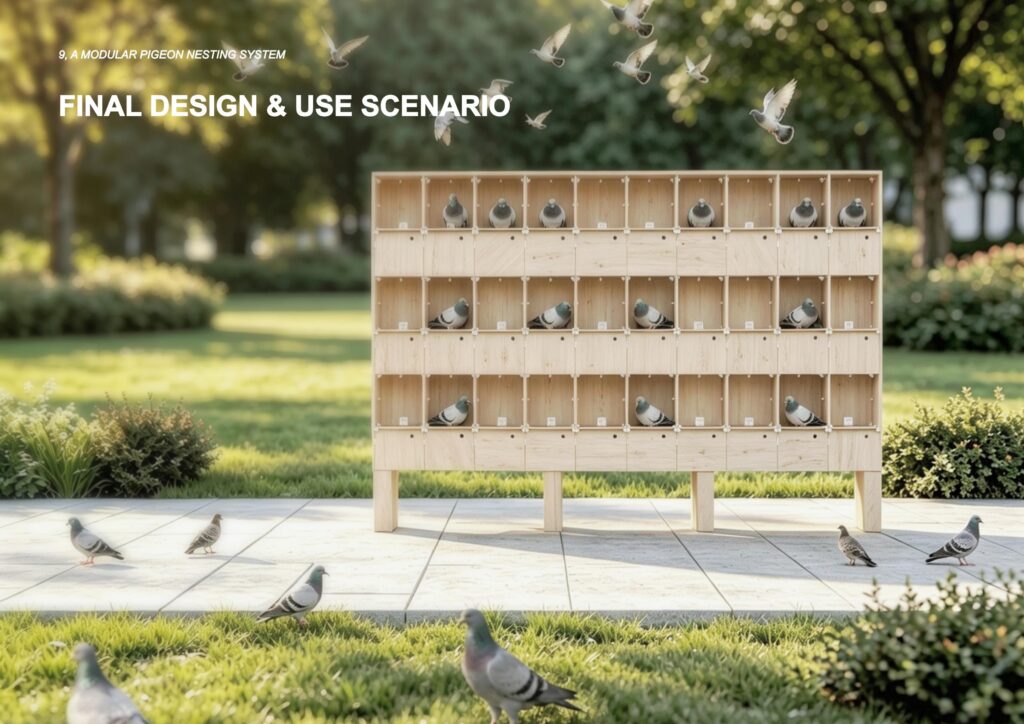
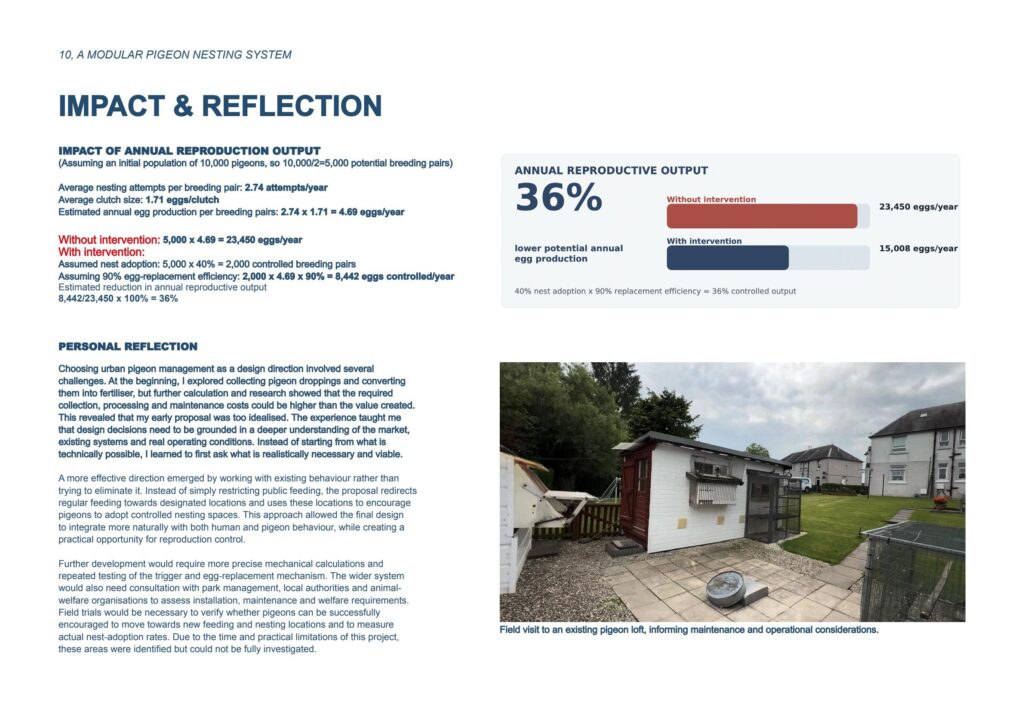
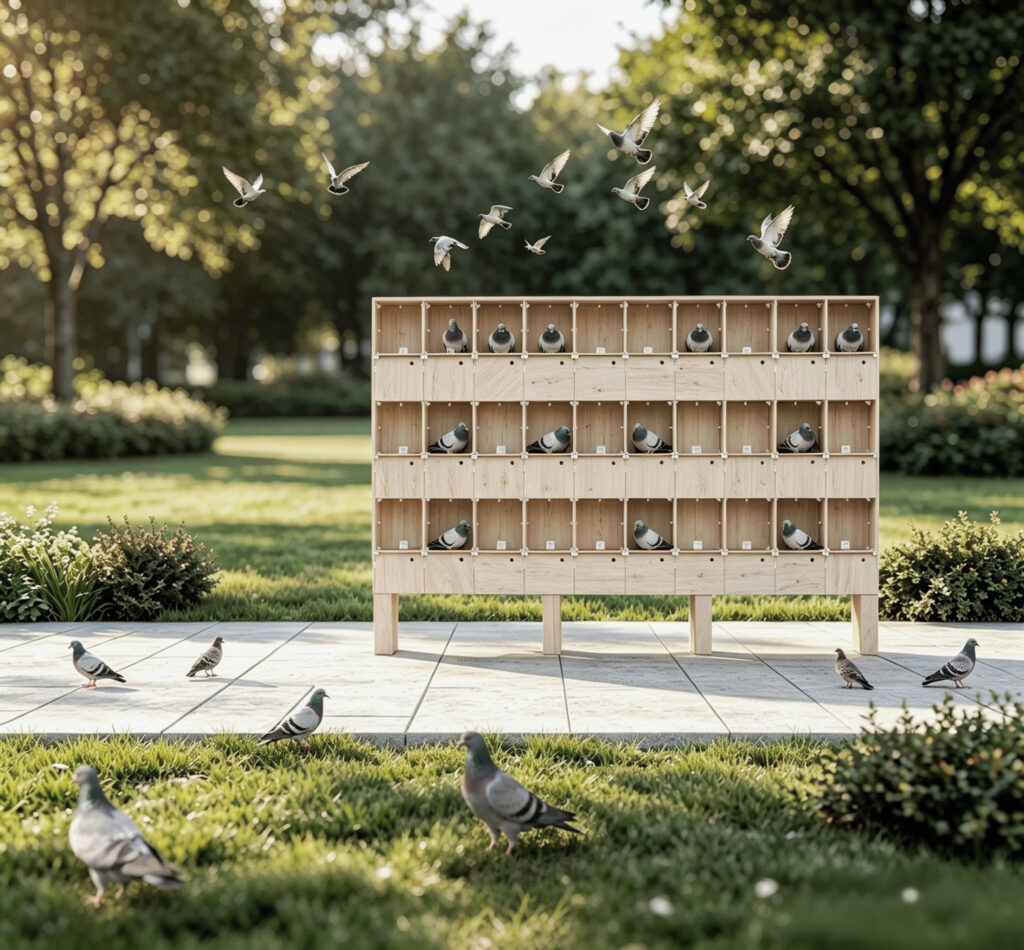
Based on these observations, I designed an automated egg-replacement pigeon nesting system. The system redirects feeding to designated areas, encouraging pigeons to nest in controlled spaces, where a purely mechanical mechanism automatically removes real eggs and replaces them with dummy eggs to reduce reproduction without harming the birds. Its modular design allows it to be deployed in urban pigeon hotspots while reducing the maintenance required by conventional manual egg replacement, offering a more humane, low-maintenance, and sustainable alternative for urban pigeon population management.