Yawen Mu
Living Ruins: Reclaiming Glasgow’s Industrial Memory
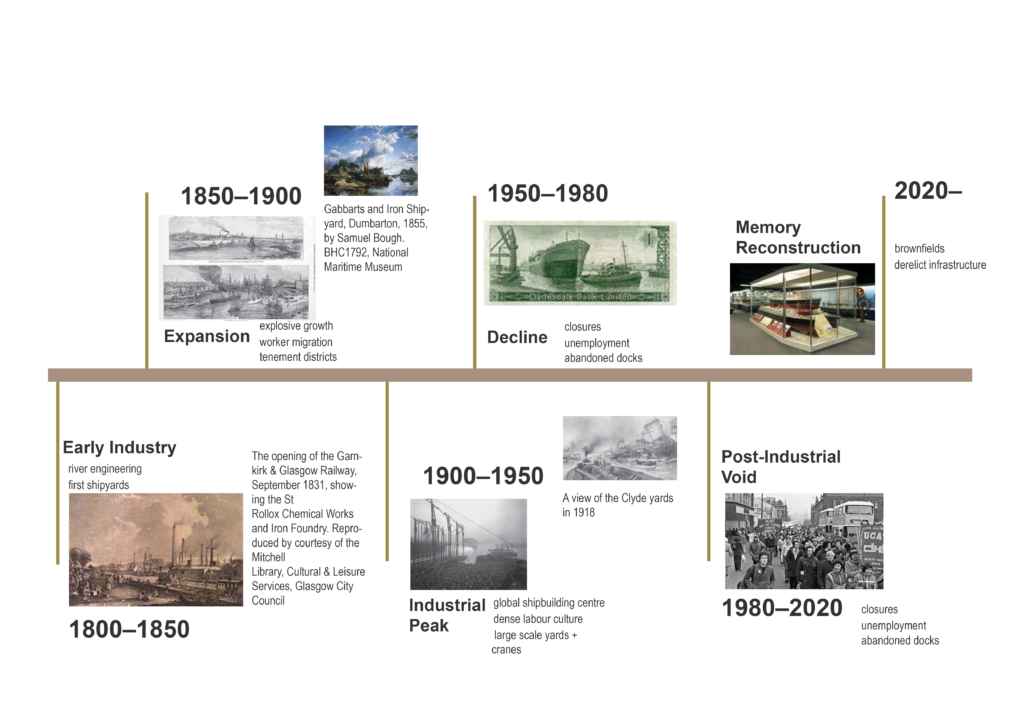
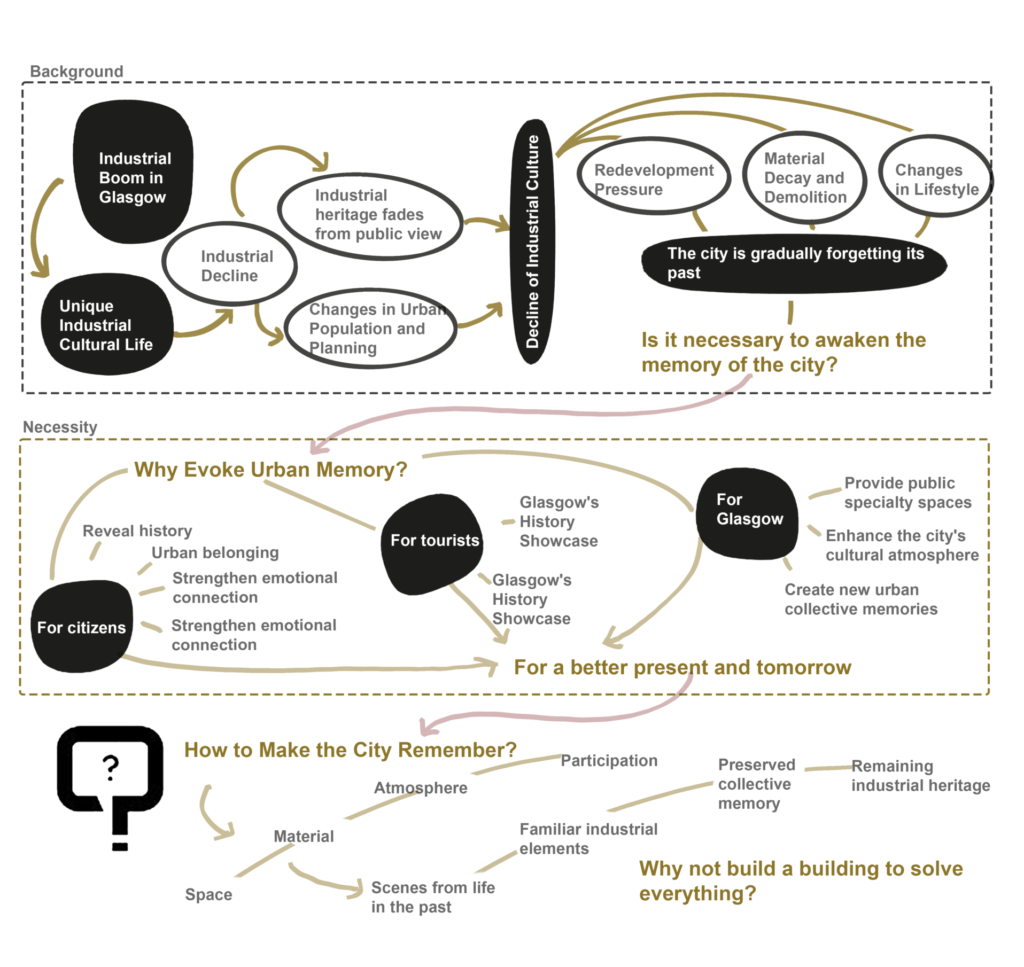
Glasgow’s identity was fundamentally shaped by the shipbuilding industry that flourished along the River Clyde throughout the nineteenth and twentieth centuries. The docks, shipyards, warehouses, cranes and workers’ communities formed not only the city’s economic infrastructure but also its cultural identity and collective memory. However, the rapid decline of heavy industry during the late twentieth century resulted in the abandonment of many industrial sites, weakening the physical relationship between the city, its waterfront and its industrial heritage. While fragments of this history remain, much of the everyday experience of industrial life has disappeared from the contemporary urban landscape.
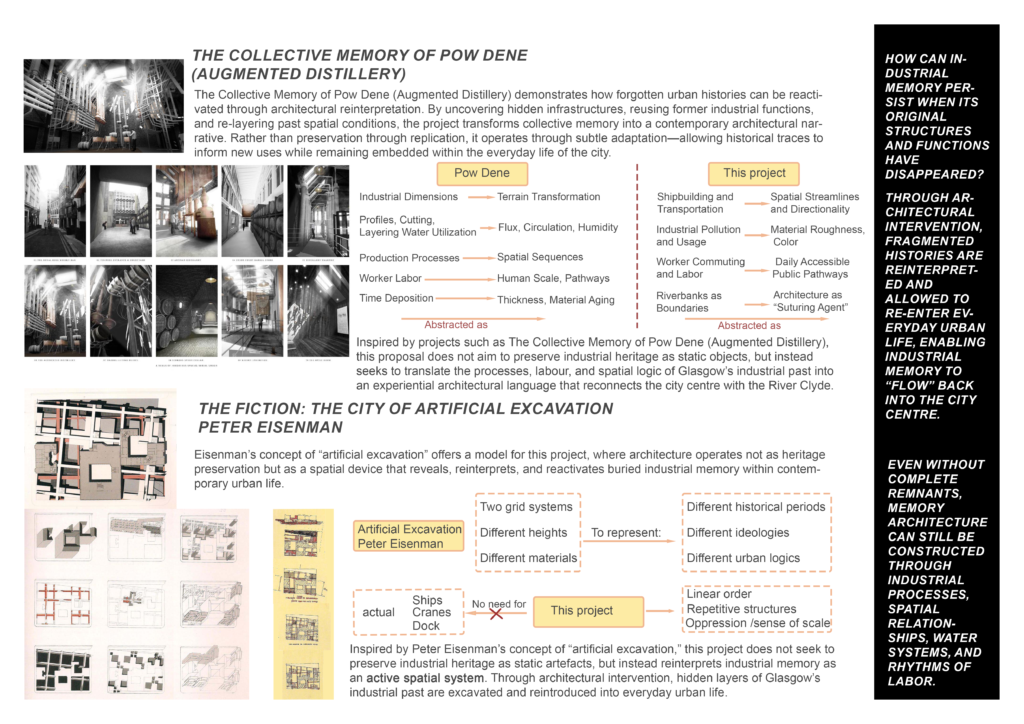
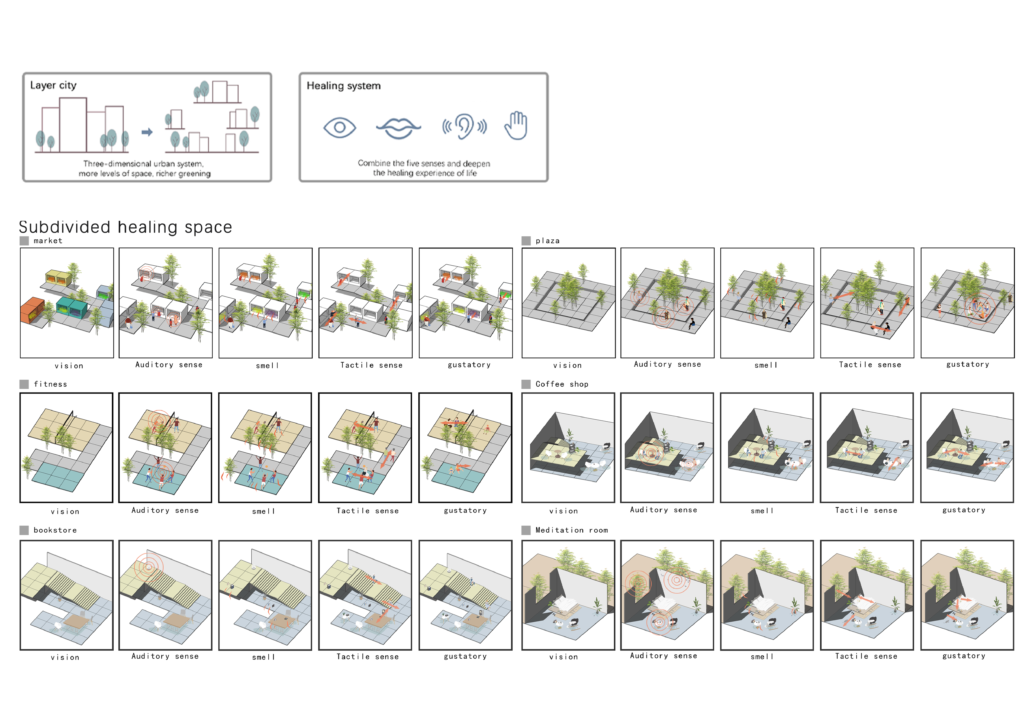
This project investigates how architecture can become an active medium for preserving and reinterpreting industrial memory rather than merely commemorating it. Instead of treating industrial heritage as static monuments or isolated artefacts, the research proposes the concept of Living Ruins, in which historical industrial traces are translated into contemporary civic spaces that continue to evolve through everyday public use. The project argues that architecture can reconnect historical narratives with present-day social life by transforming industrial structures, spatial organisation and material expression into meaningful public experiences.
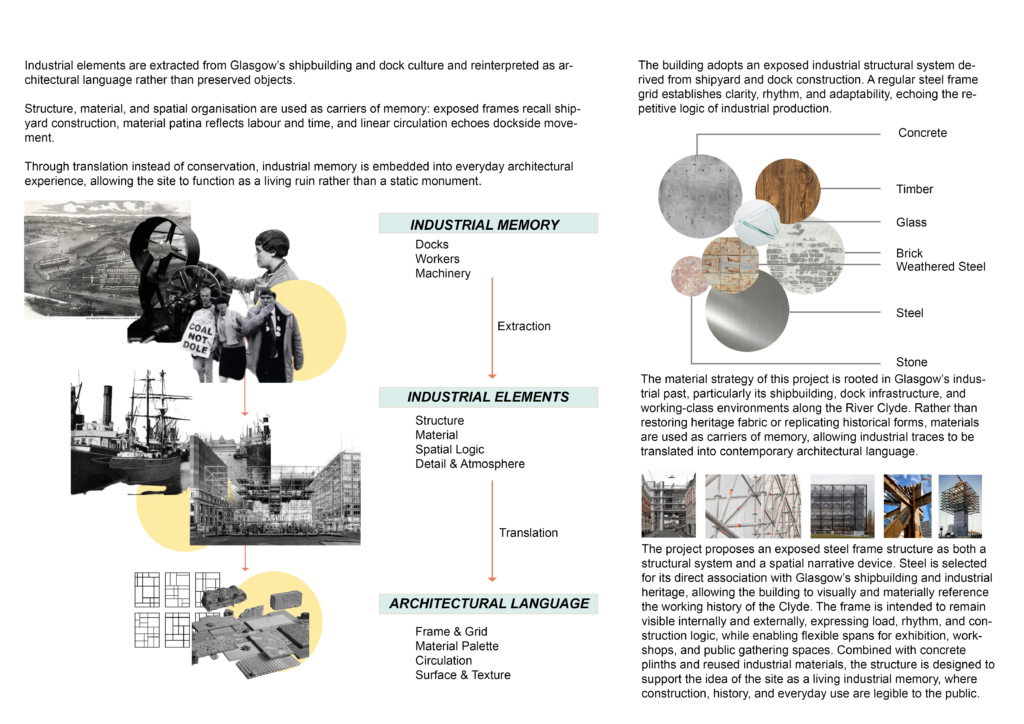
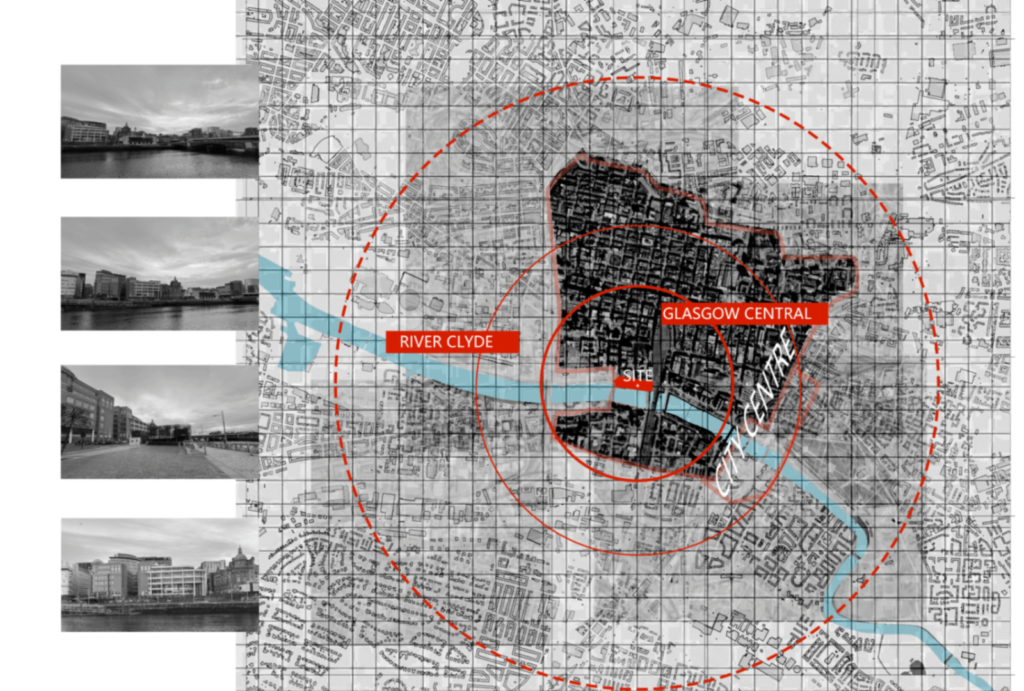
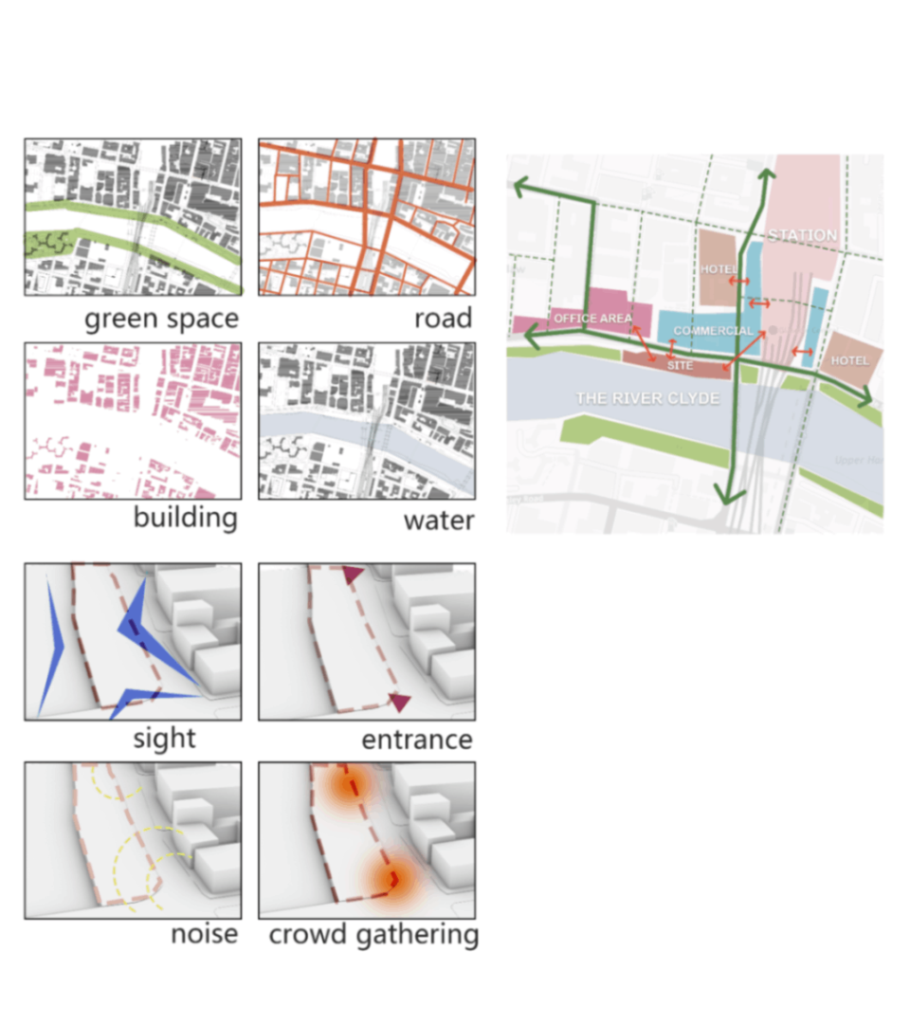
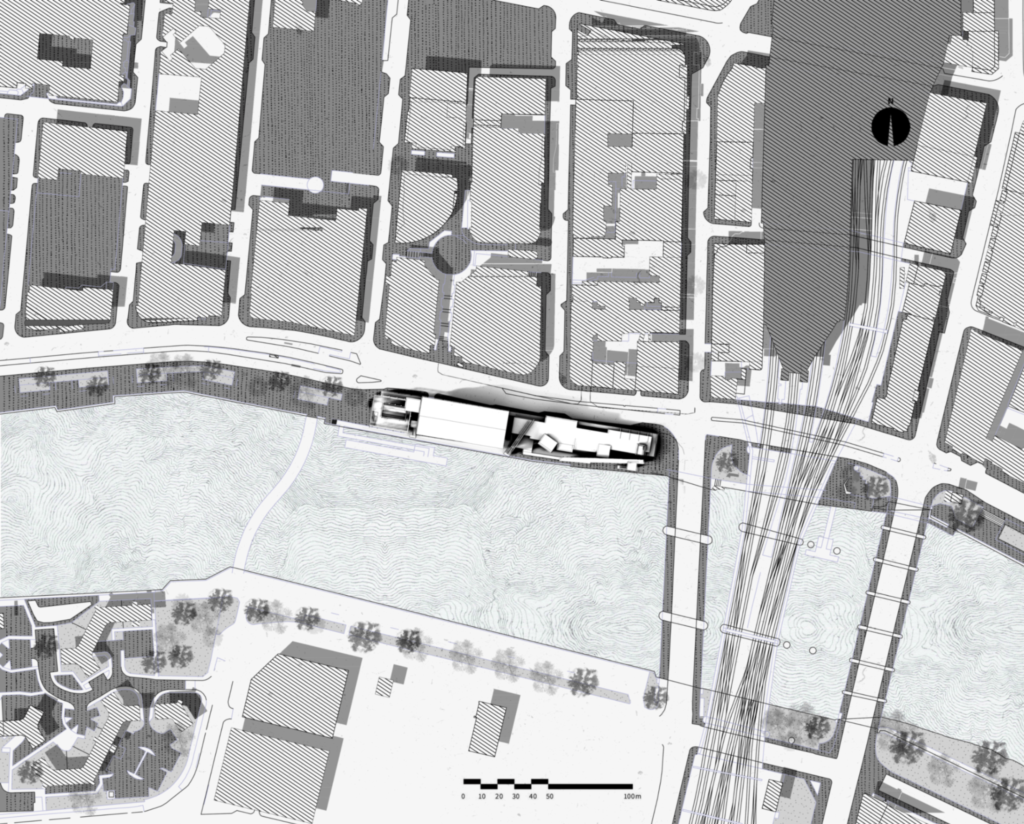
The research combines historical investigation, theoretical study, site analysis and design-led experimentation. Theoretical research draws upon concepts of collective memory and architectural memory to examine the relationship between place, identity and urban transformation. Historical analysis of Glasgow’s docklands identifies the spatial characteristics of shipbuilding infrastructure, while site investigations explore the opportunities for reconnecting the city with the River Clyde. These studies establish the foundation for a design methodology that translates industrial elements into architectural language.
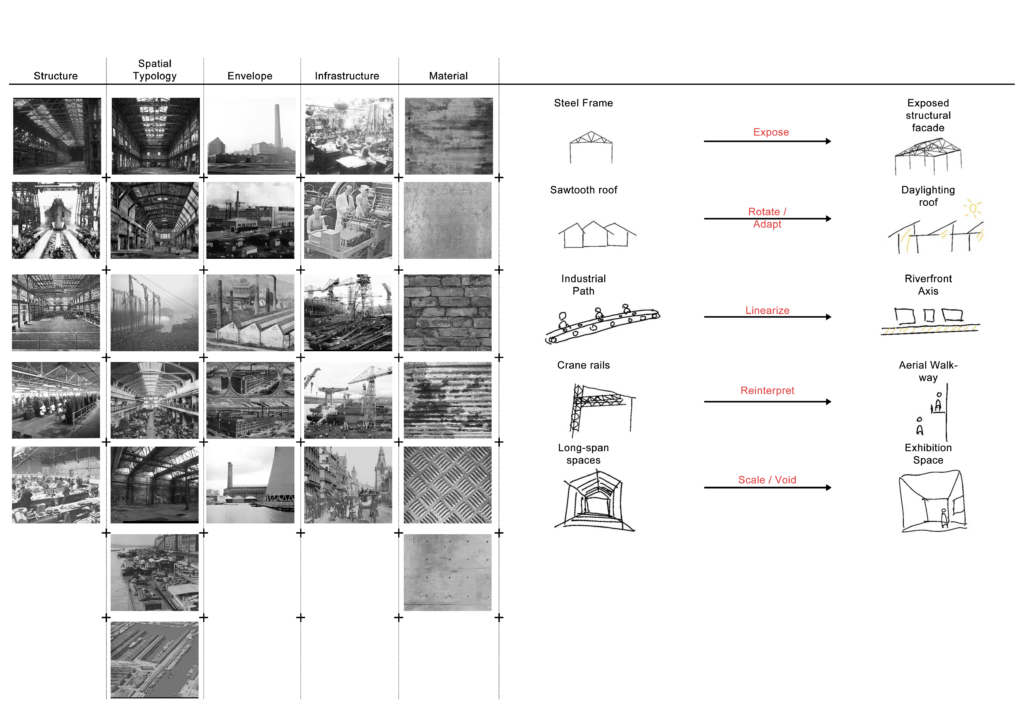
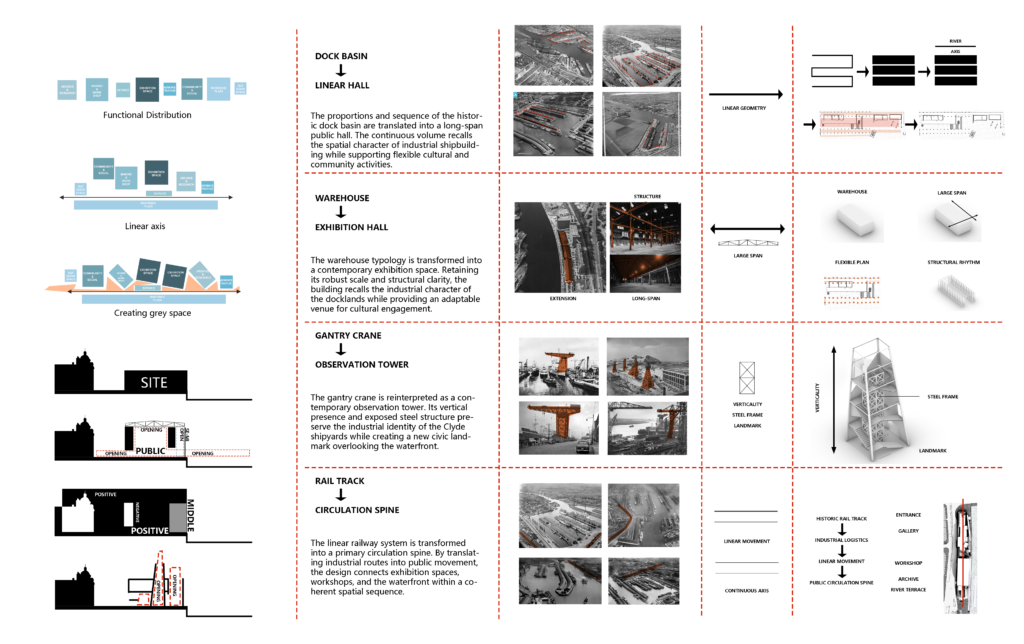
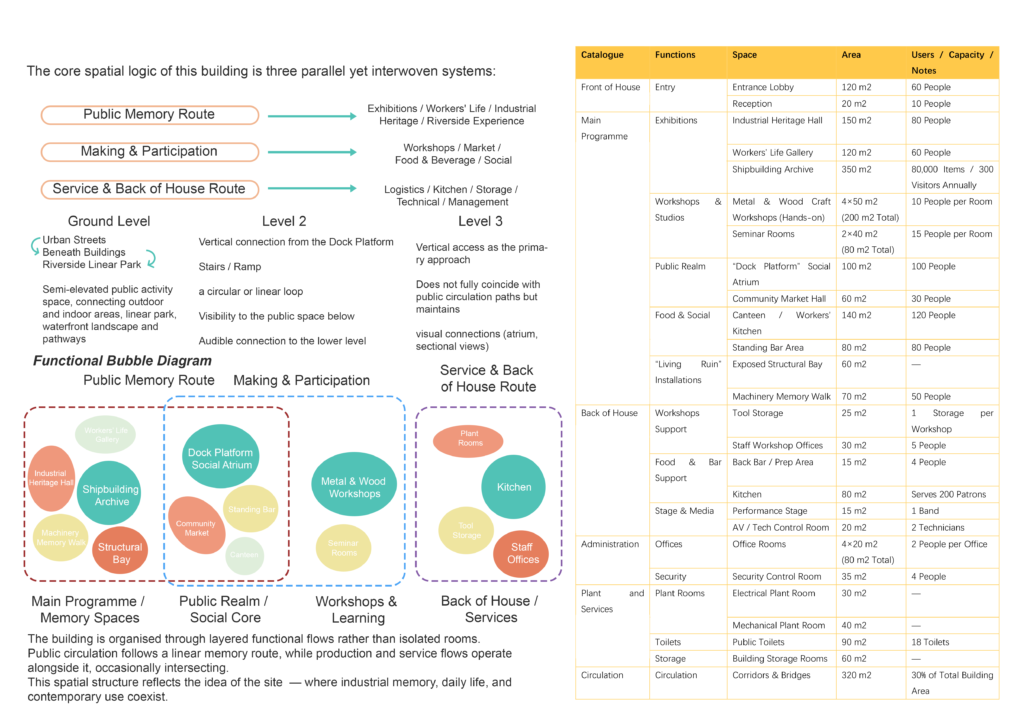
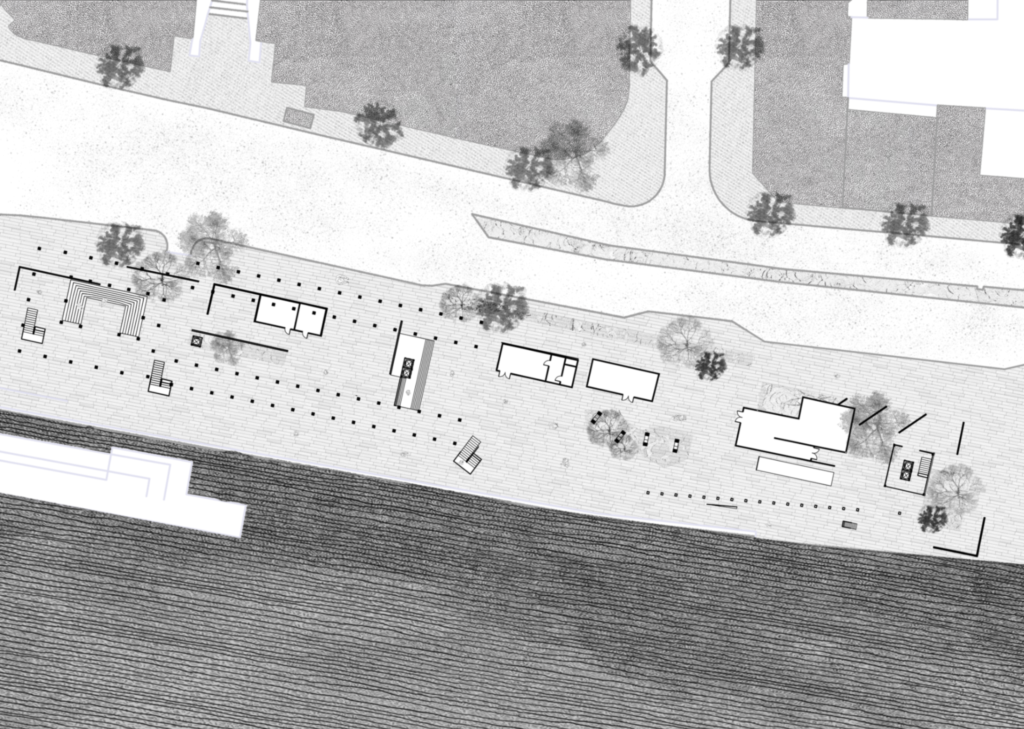
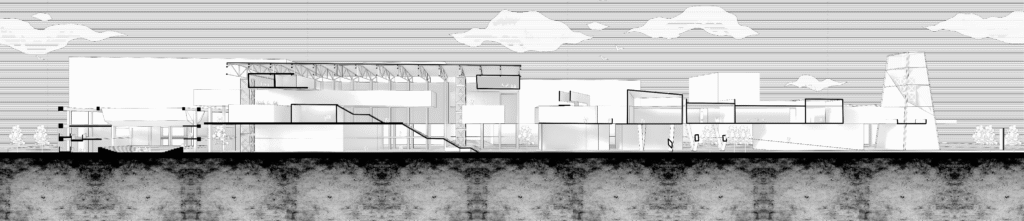
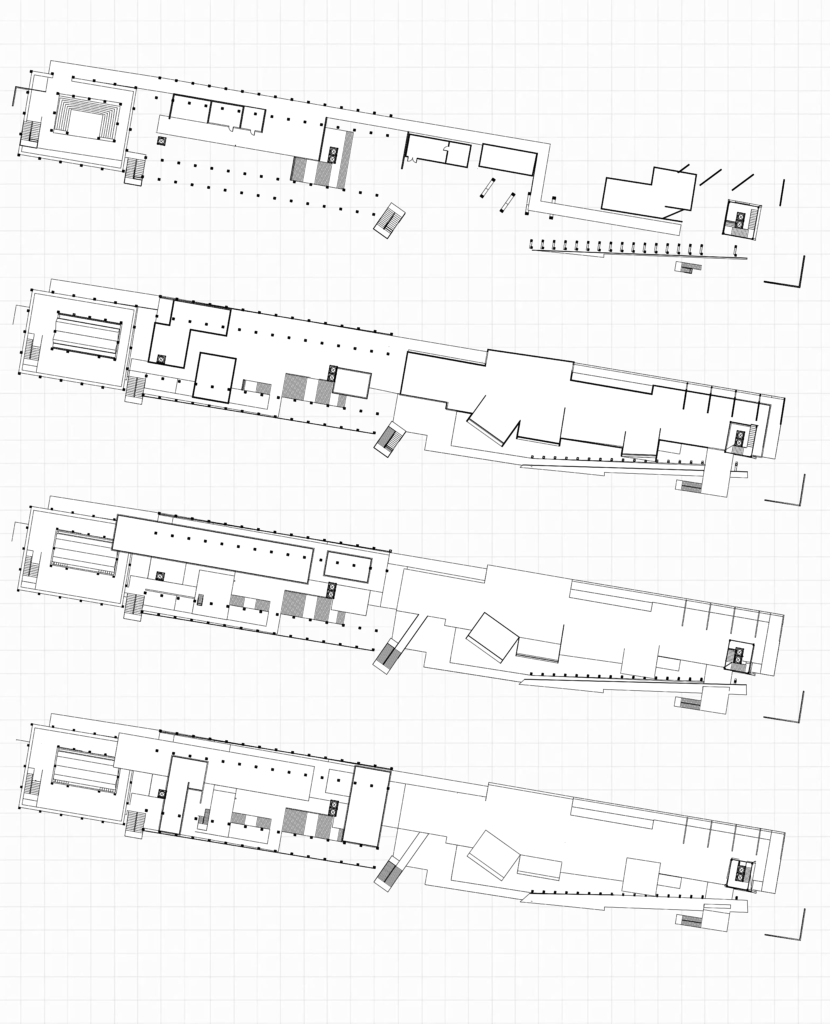
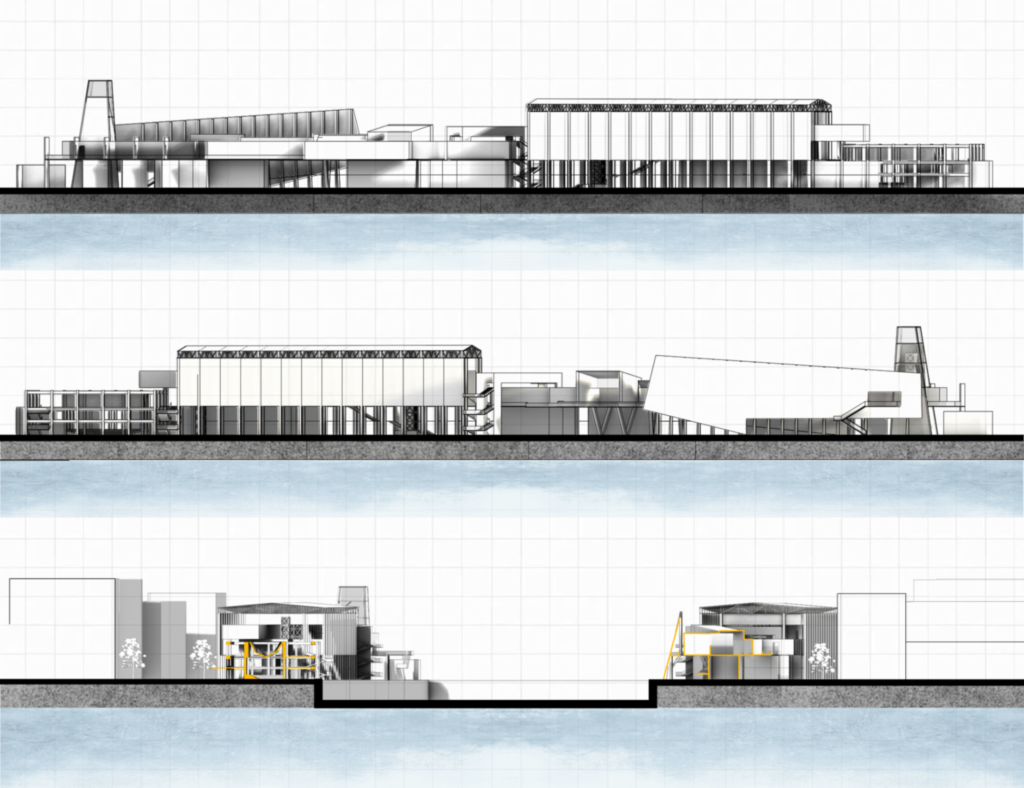
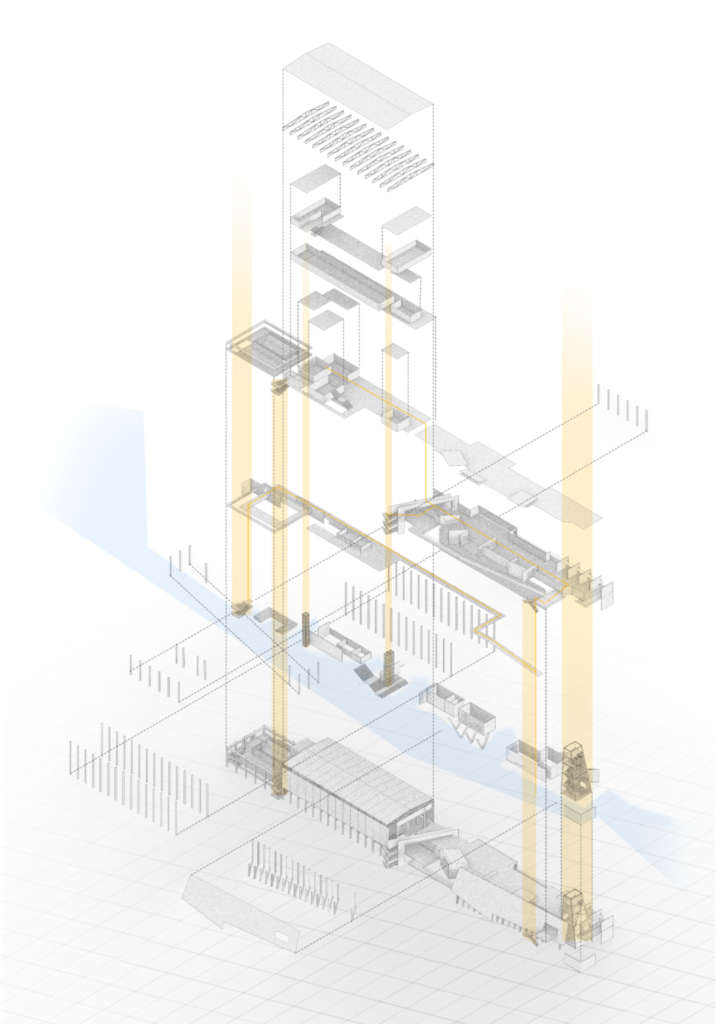
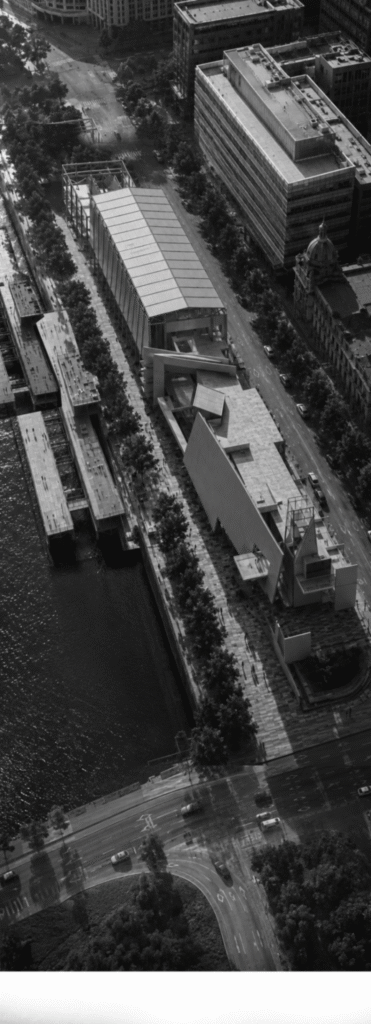
Rather than replicating historical forms, the project extracts the spatial logic and construction principles embedded within Glasgow’s industrial landscape. The linear organisation of dock basins informs the primary public circulation, warehouses are reinterpreted as flexible exhibition spaces, gantry cranes inspire vertical landmarks, slipways become public ramps connecting the city to the waterfront, and exposed steel structures recall the construction logic of shipbuilding. Through this process of architectural translation, industrial heritage becomes a generator of contemporary spatial experience rather than a nostalgic image of the past.
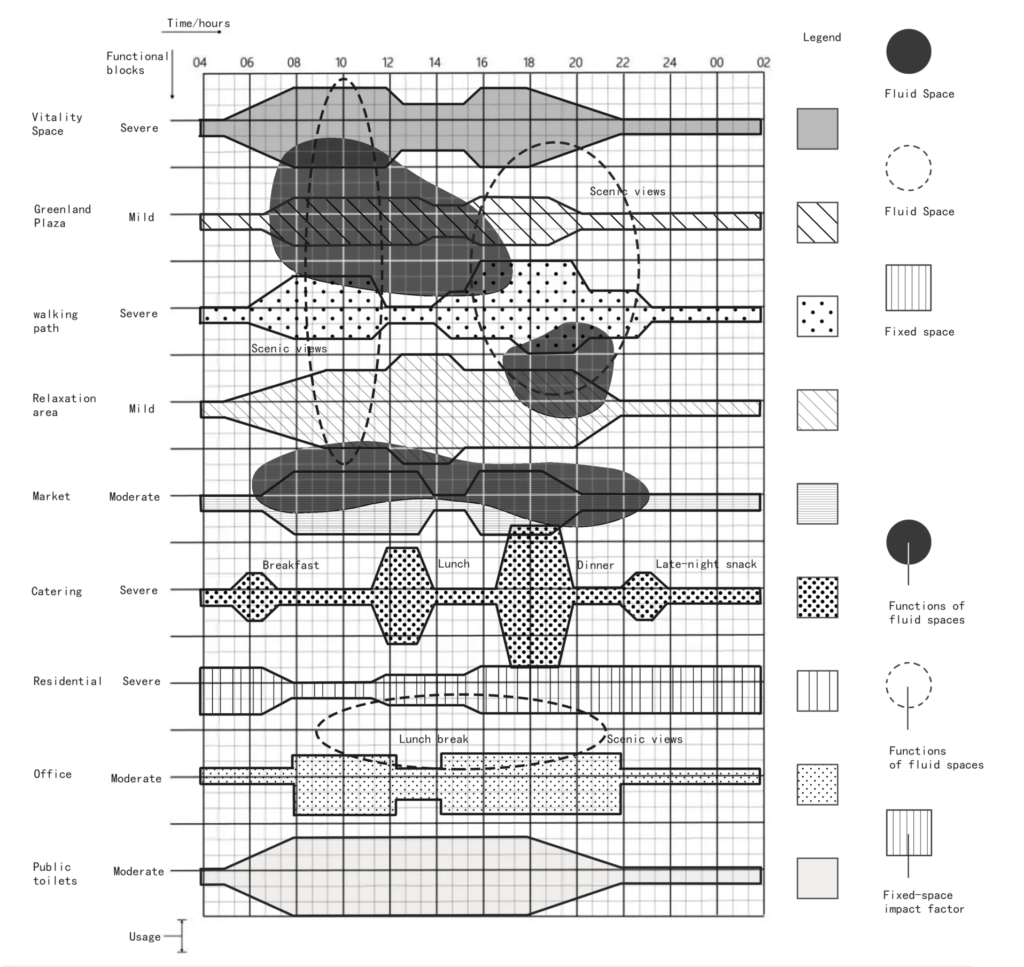
The final proposal is conceived as a contemporary civic building that integrates exhibition, education, community activities and public gathering spaces. It aims to strengthen the relationship between the city and the river while providing a platform for cultural exchange and public participation. By transforming industrial memory into an active architectural experience, the project demonstrates how adaptive reinterpretation can contribute to the cultural continuity of post-industrial cities. Rather than preserving industrial heritage as a frozen relic, Living Ruins proposes an architecture that enables memory to remain visible, inhabitable and continuously redefined through collective use.