Smart Ocular Simulator for Surgical Training: Design and Evaluation of a 3D-Printable Cataract Surgery Training Eye Using a Medical Visualization Workflow
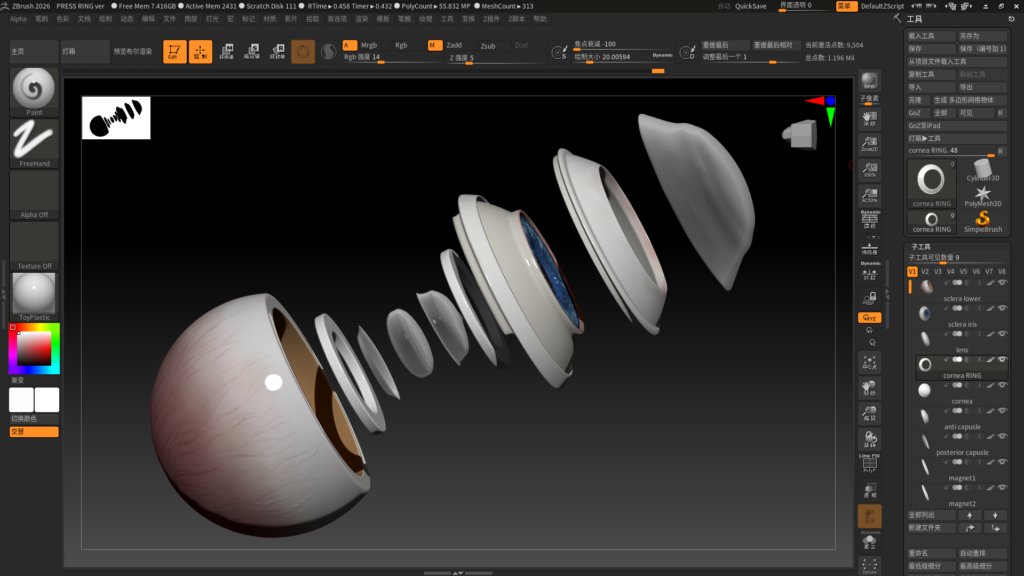
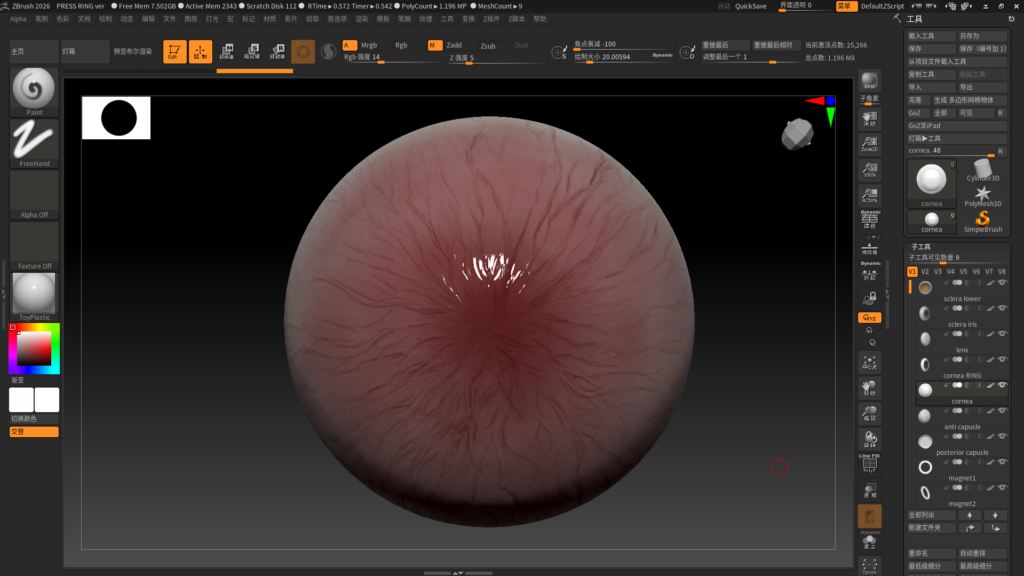
This project aims to design, develop, and evaluate a modular and reusable three-dimensional (3D) printed eye model for surgical training, supporting the complete workflow of cataract phacoemulsification surgery. The project explores how medical visualisation and anatomical modelling techniques can be translated into a practical and manufacturable training device.
· Cataract phacoemulsification requires a high level of microsurgical skill, making training on real patients potentially unsafe for beginners. Although animal and cadaveric eyes can provide realistic tissue manipulation experiences, they have limitations in terms of availability, storage, and standardisation. Commercial synthetic models, meanwhile, are often expensive and typically focus on individual surgical steps. This study therefore aims to develop a reusable 3D-printed eye model for basic training throughout the cataract surgery workflow, while exploring how high-fidelity medical visualisation models can be translated into functional physical prototypes.
· The model supports corneal incision, continuous curvilinear capsulorhexis (CCC), lens phacoemulsification, aspiration, and intraocular lens (IOL) implantation. Modular components, including the cornea, lens, and lens capsule, can be individually replaced, thereby improving reusability and sustainability. The development process involved anatomical modelling, engineering refinement, material selection, 3D printing, assembly, and prototype testing. Five ophthalmic professionals with varying levels of cataract surgery experience evaluated the prototype using a questionnaire covering anatomical realism, surgical and material performance, ease of use, educational value, sustainability, and overall performance.
· Participants gave positive evaluations of the model’s anatomical structure, ease of use, educational value, and modular design. The mean overall satisfaction score was 7.6/10, while the mean recommendation score for its use as a cataract surgery training model was 8.0/10. However, limitations remained in the lens and capsular materials, model stability, and management of anterior chamber fluid.
· The findings demonstrate that anatomical fidelity in a digital model does not necessarily translate directly into realistic physical surgical performance and that further engineering improvements are required. Overall, this study provides preliminary validation of the feasibility of a reusable 3D-printed cataract surgery training model and offers practical insights into the translation of medical visualisation models into physical training devices.
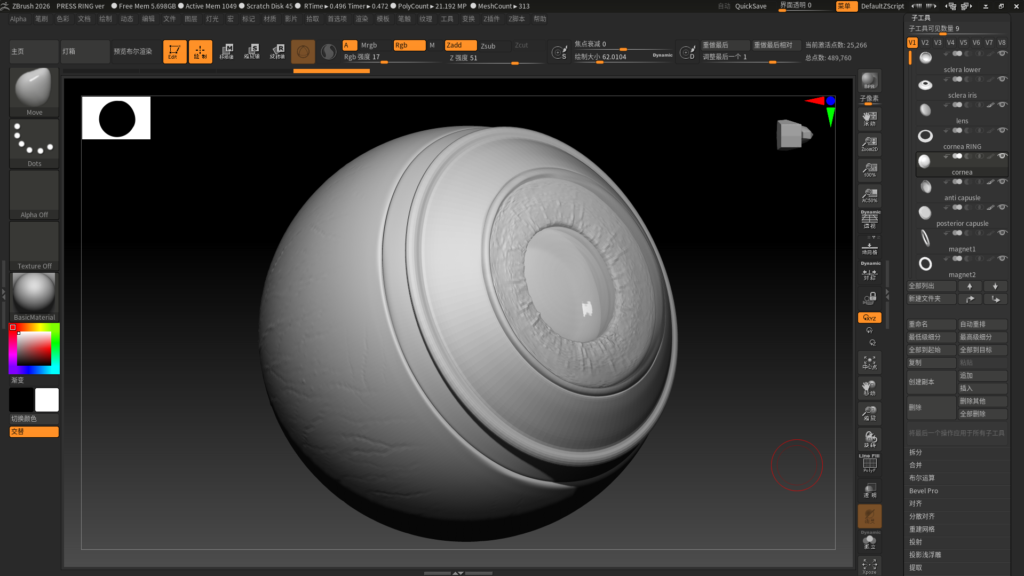
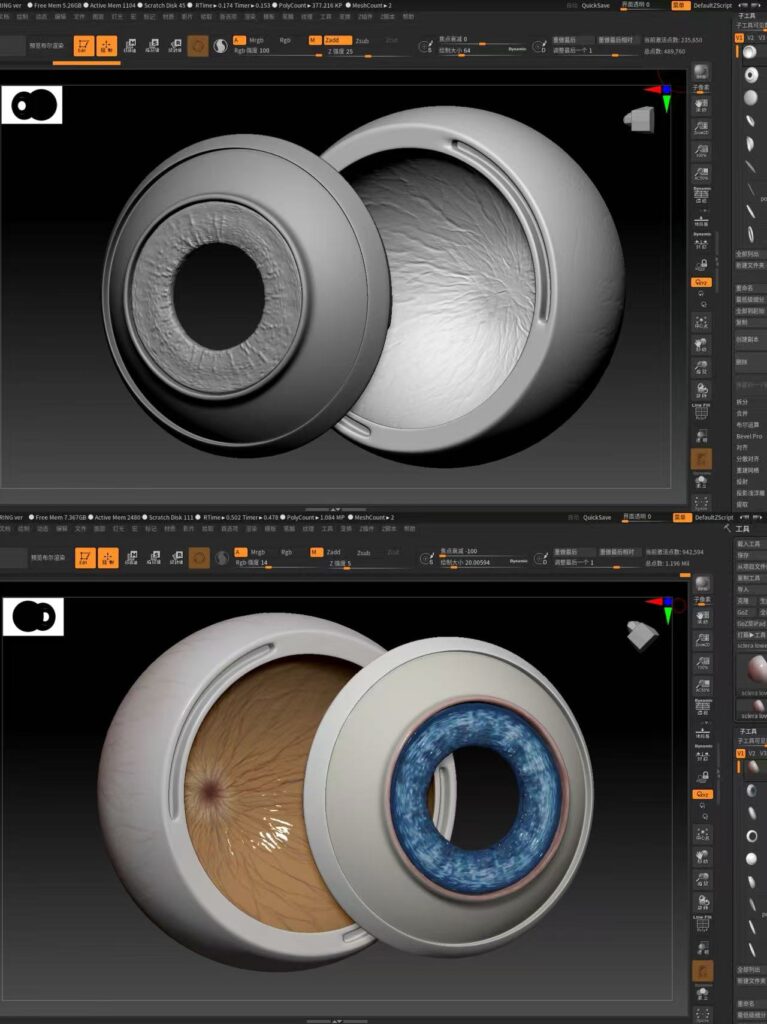
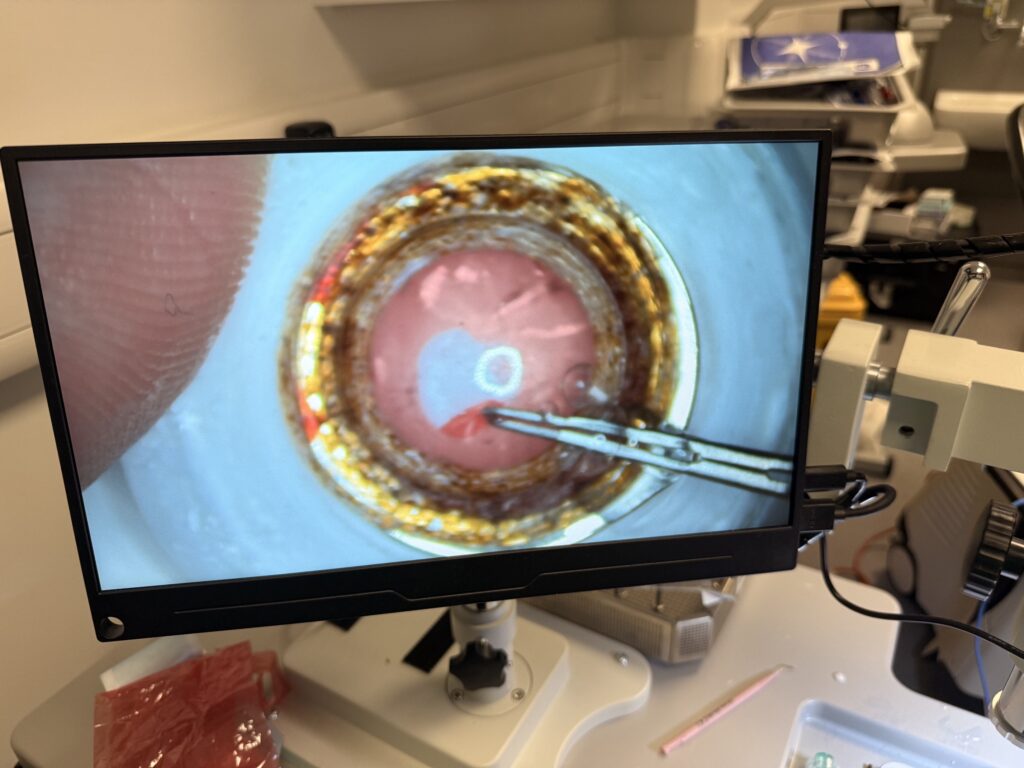
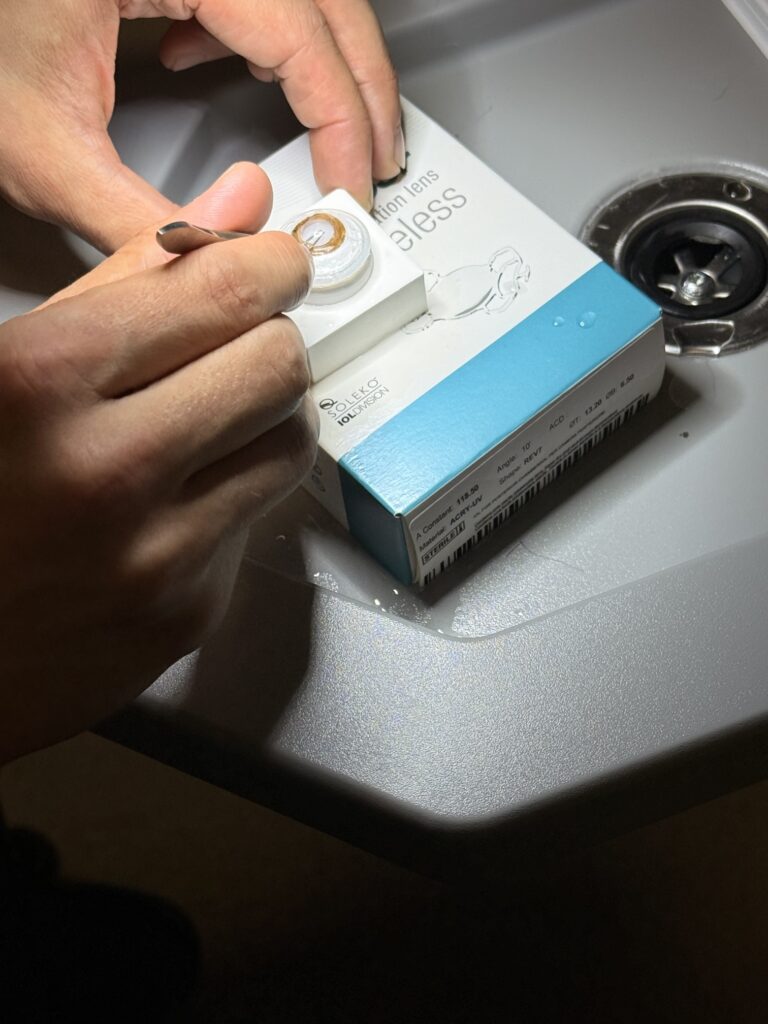
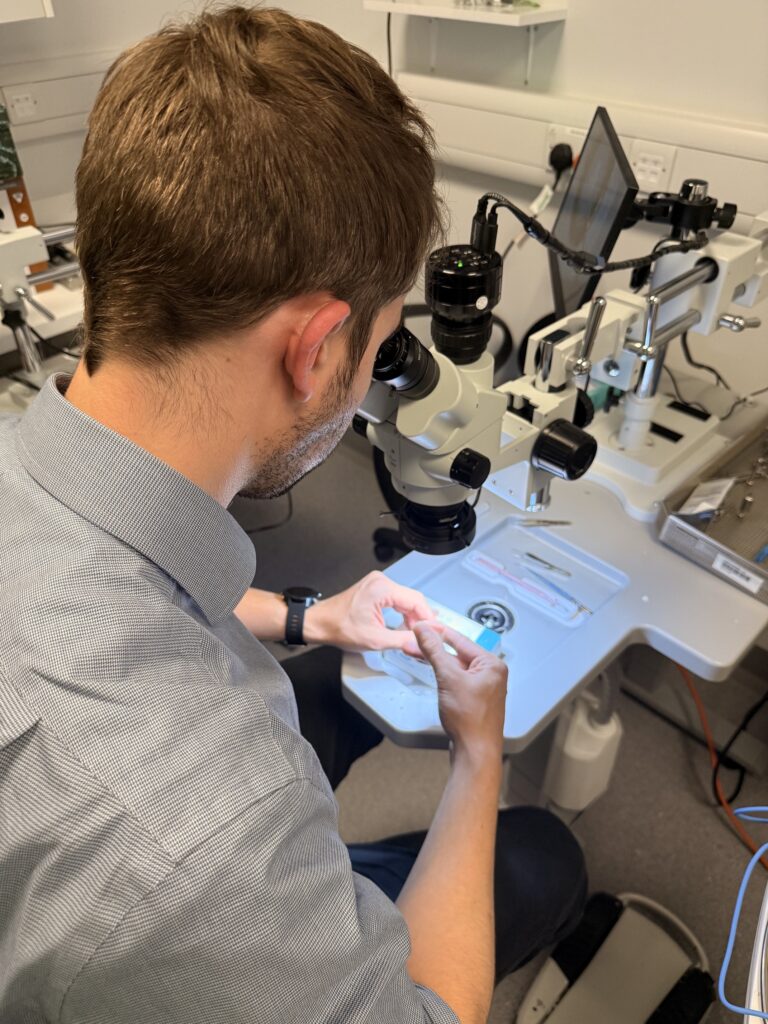
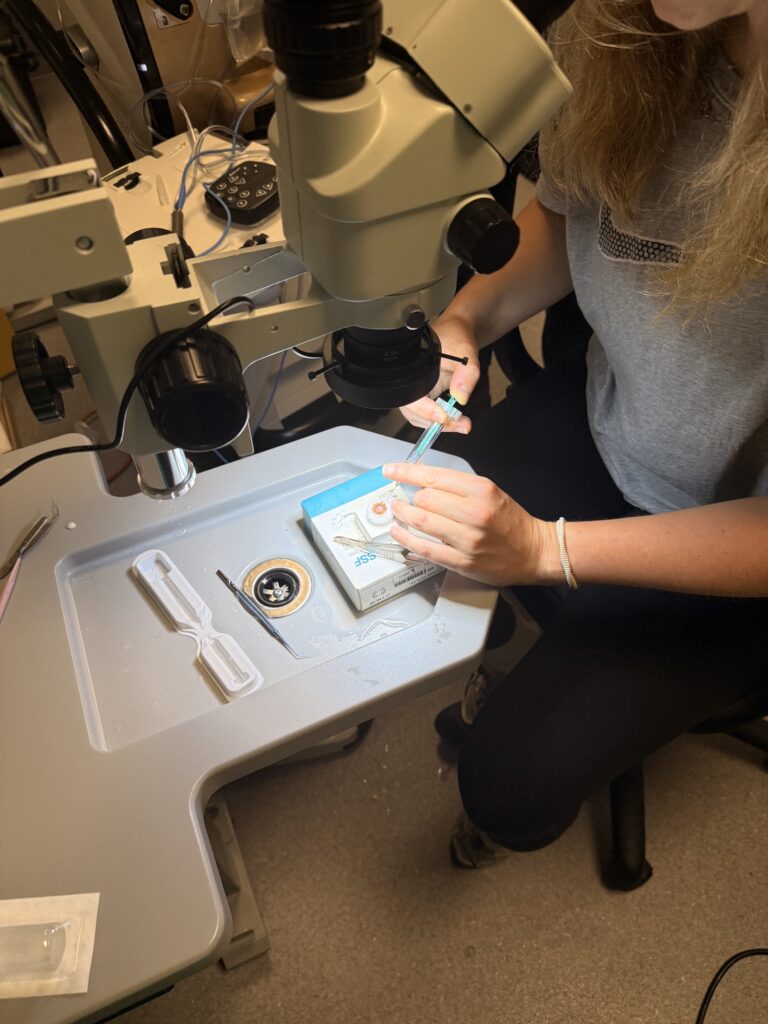
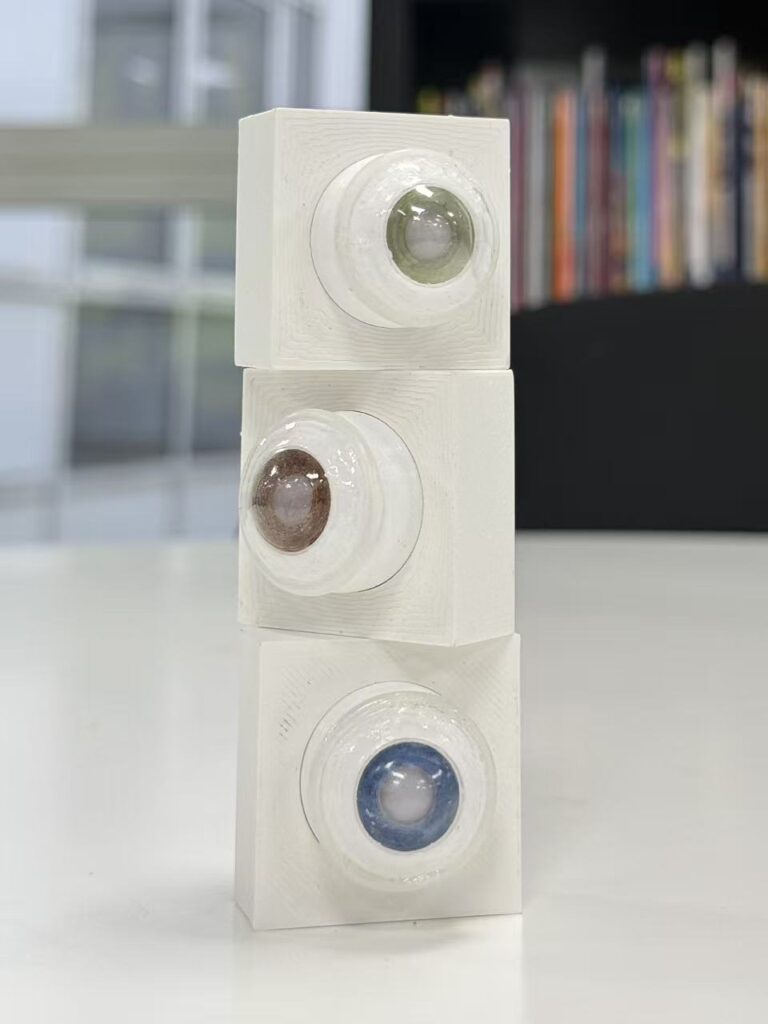
A reusable physical training model supporting the full workflow of phacoemulsification cataract surgery.