
Shuman Ye
From Visual Noise to Aesthetic Judgement
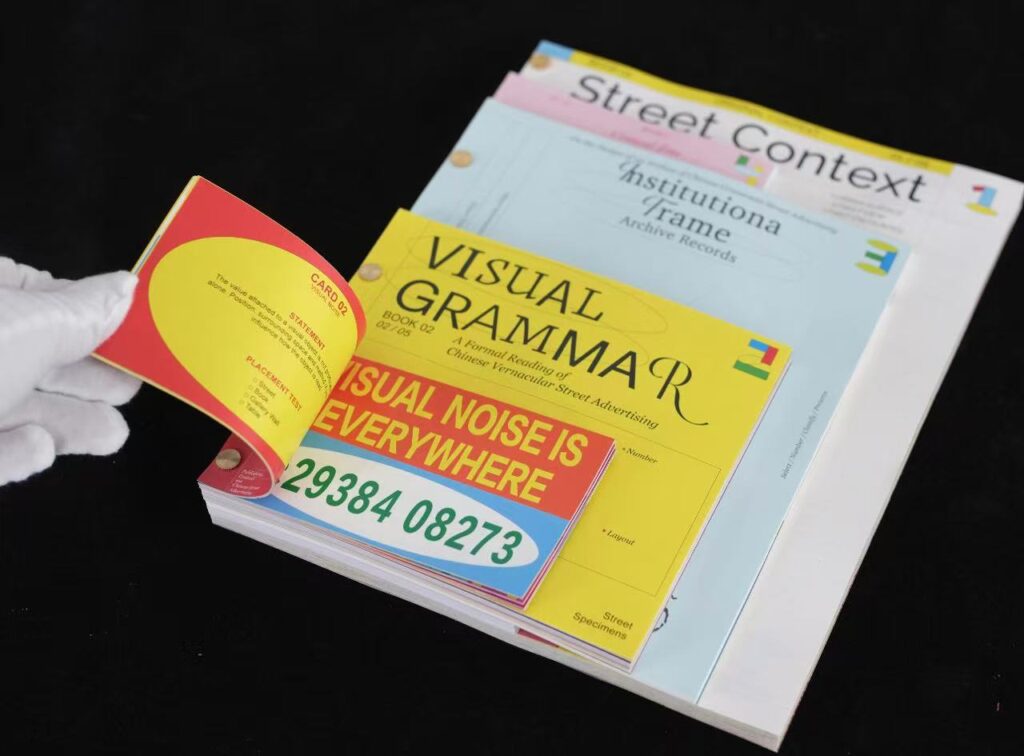
From Visual Noise to Aesthetic Judgement explores how Chinese vernacular street advertising is viewed and judged across different contexts. The project began with a contradiction: visual characteristics often dismissed as messy, cheap or “visual noise” in the street can be interpreted as experimental, vernacular or anti-design when they appear within professional design contexts.
Using publishing as a research method, I developed a five-part publication system: Street Context, Visual Grammar, Archive Records, Critical Zine, and Context Cards. Each publication applies a different framework to the same body of street advertising, moving from documentation and visual analysis to archival reframing, critical reflection and contextual testing.
Rather than attempting to prove whether street advertising is inherently “good” or “bad” design, the project asks how context, design education, institutional framing and ways of seeing shape aesthetic judgement.
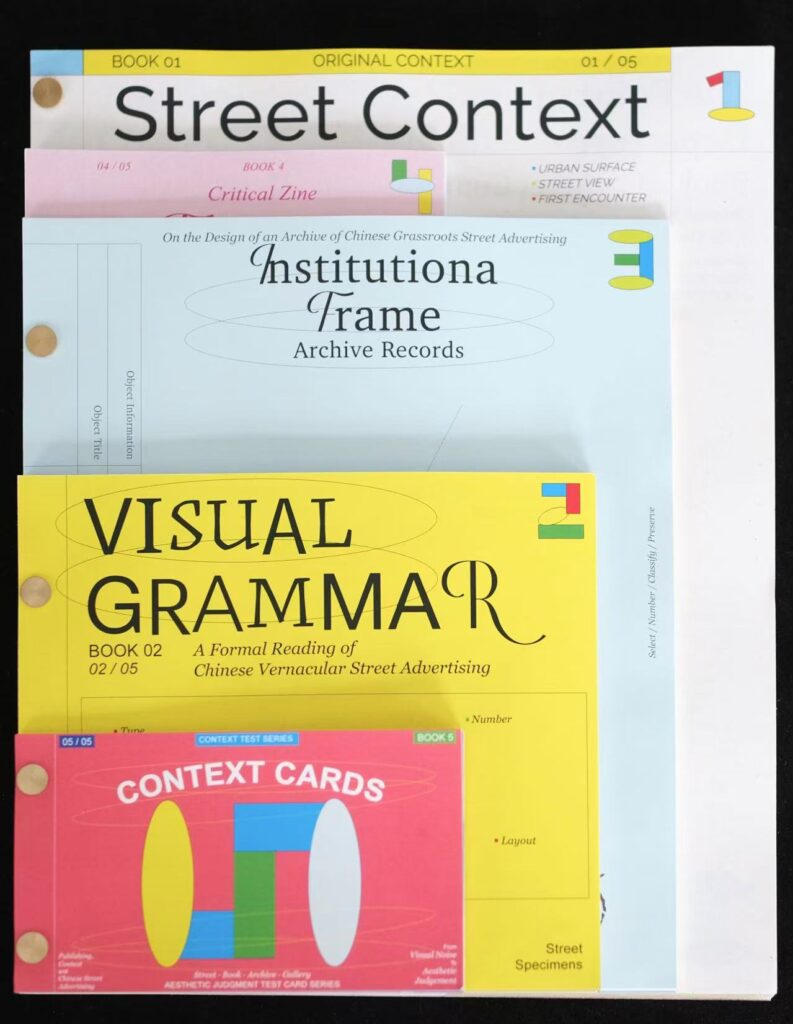
Final five-part publication system exploring Chinese vernacular street advertising and aesthetic judgement.
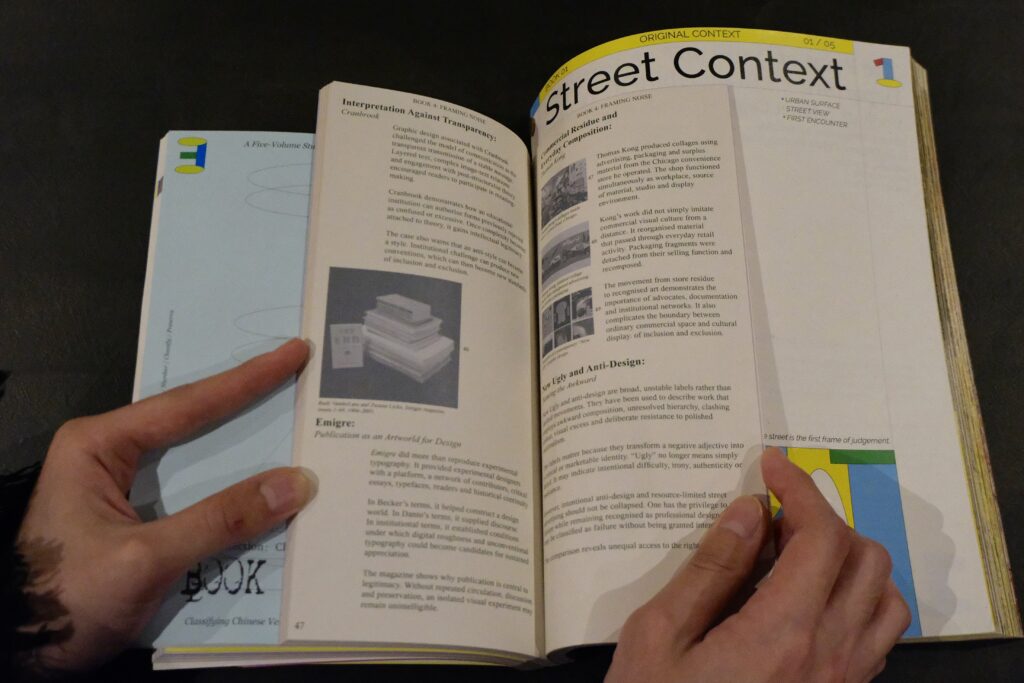
Book 4 examines how taste, design education, institutions, archives, and publishing shape aesthetic judgement.
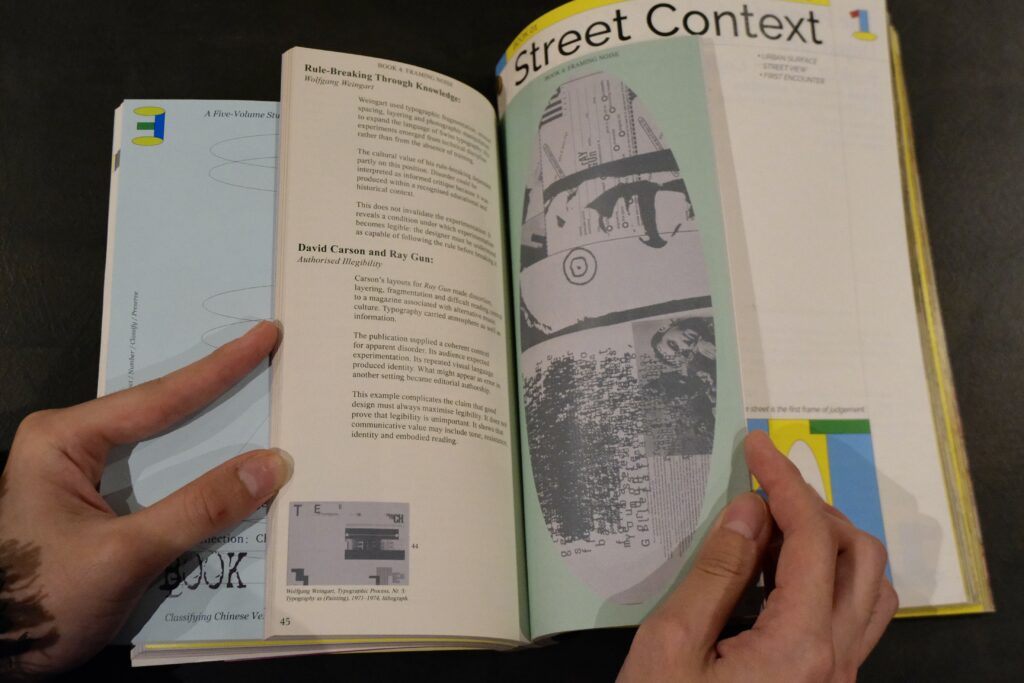
Book 4 examines how taste, design education, institutions, archives, and publishing shape aesthetic judgement.
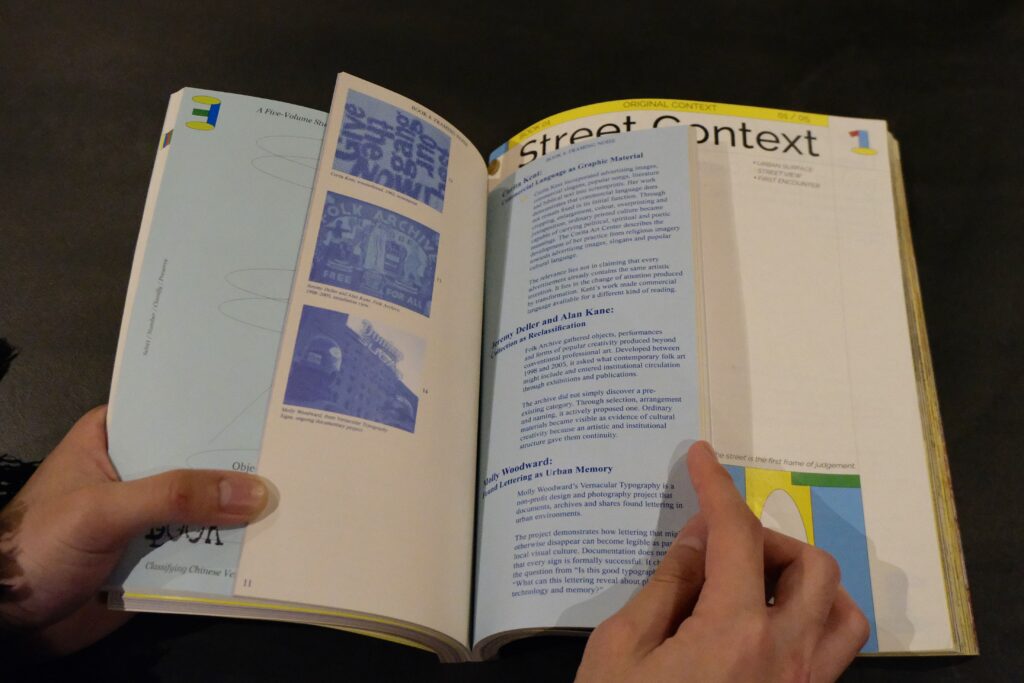
Book 4 examines how taste, design education, institutions, archives, and publishing shape aesthetic judgement.
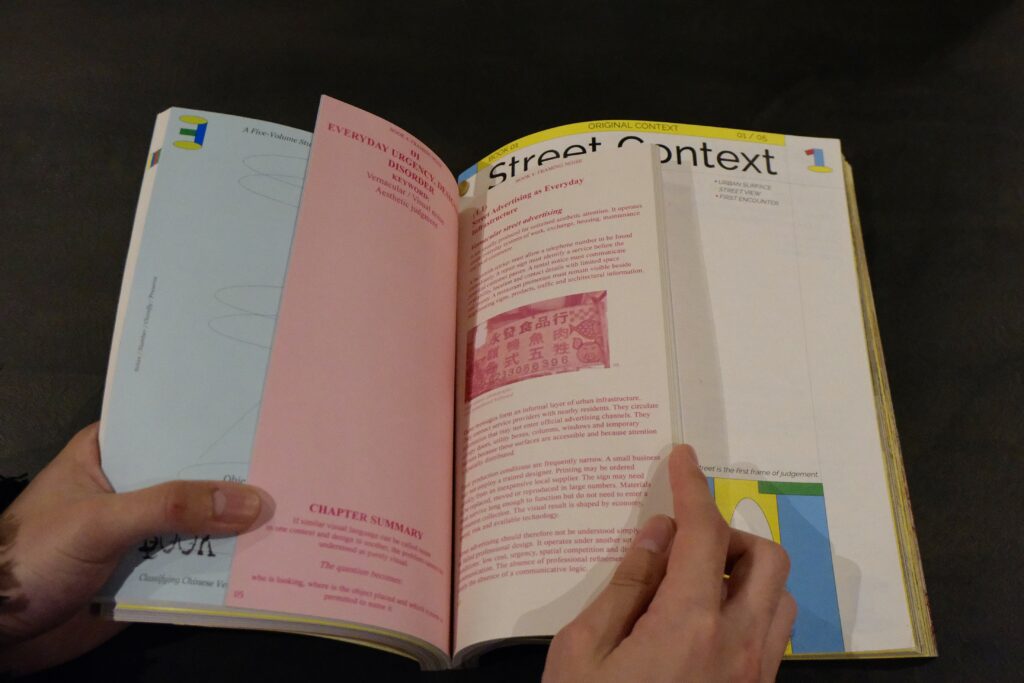
Book 4 examines how taste, design education, institutions, archives, and publishing shape aesthetic judgement.
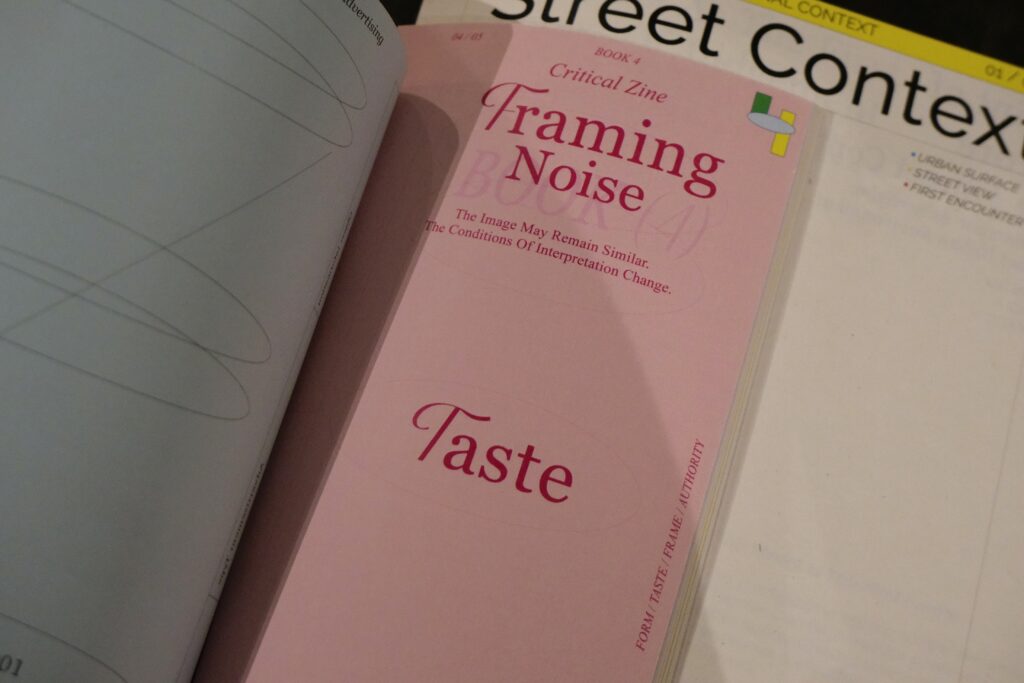
Book 4 examines how taste, design education, institutions, archives, and publishing shape aesthetic judgement.
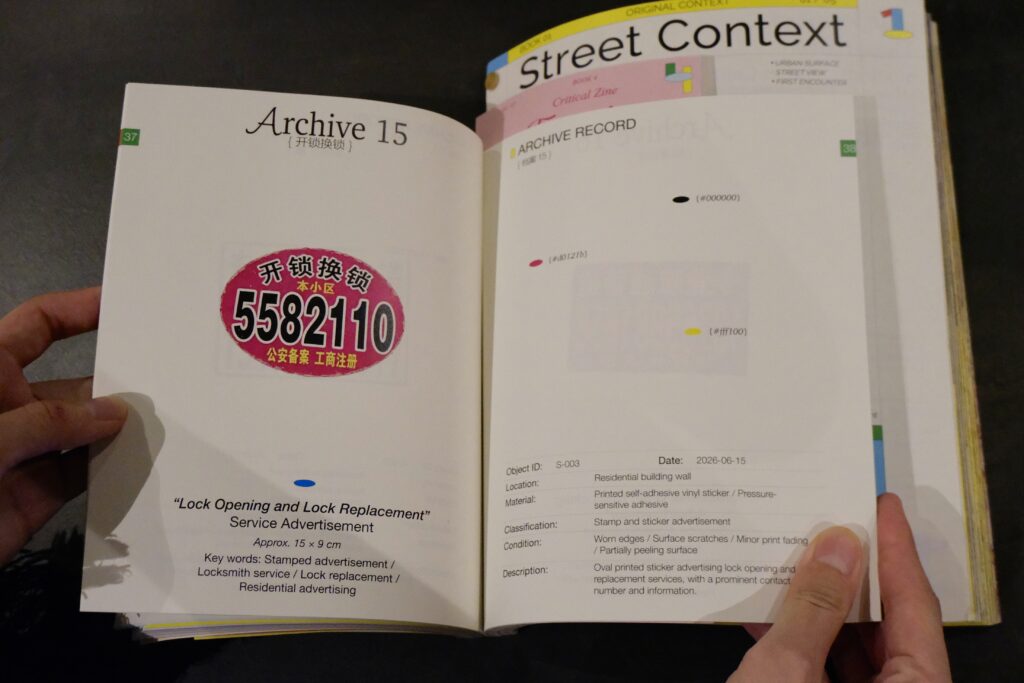
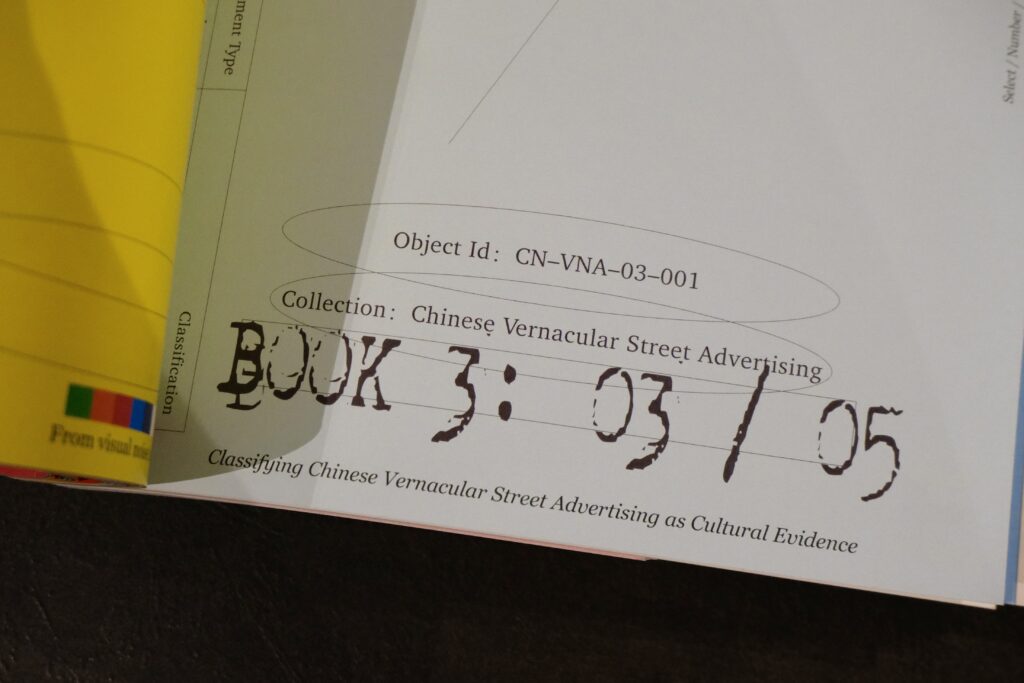
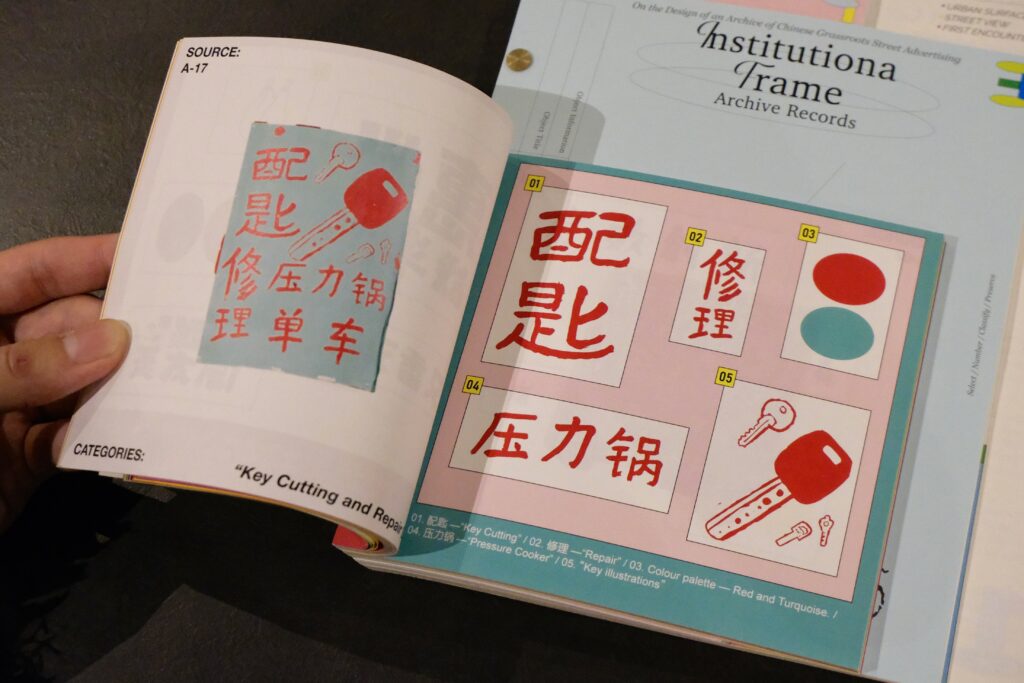
Book 3 reframes Chinese street advertisements through archival classification, numbering, and documentation.
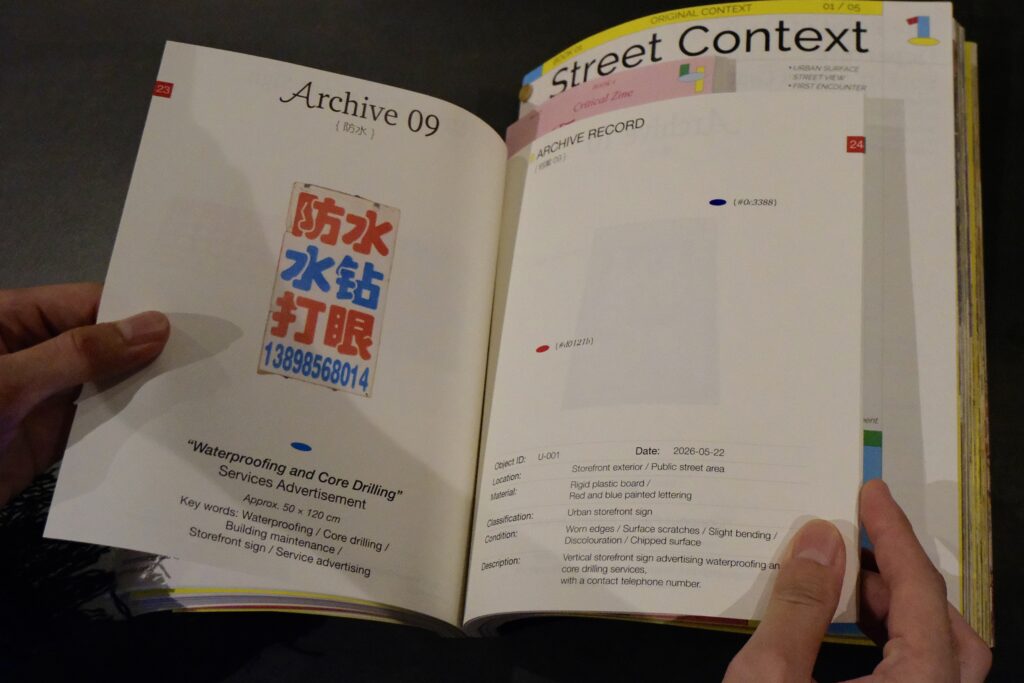
Book 3 reframes Chinese street advertisements through archival classification, numbering, and documentation.
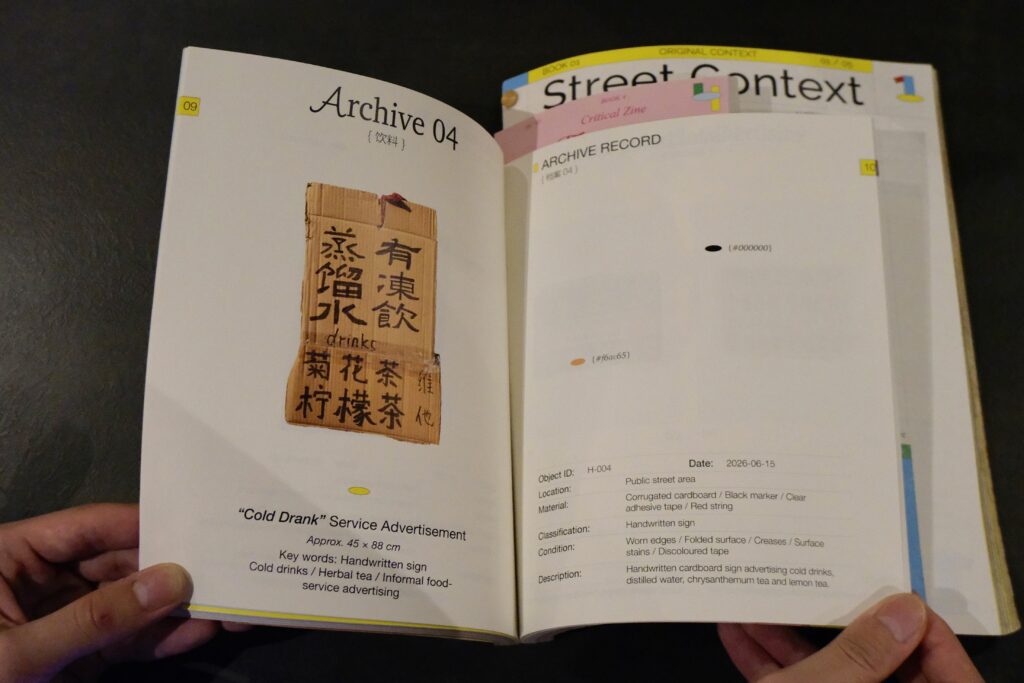
Book 3 reframes Chinese street advertisements through archival classification, numbering, and documentation.
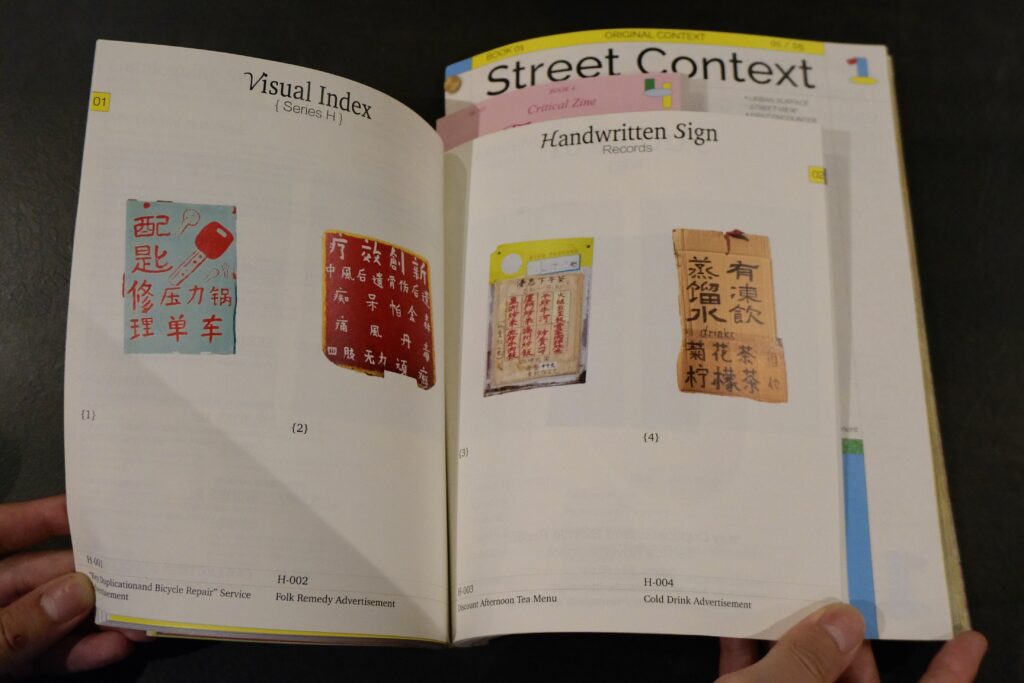
Book 3 reframes Chinese street advertisements through archival classification, numbering, and documentation.
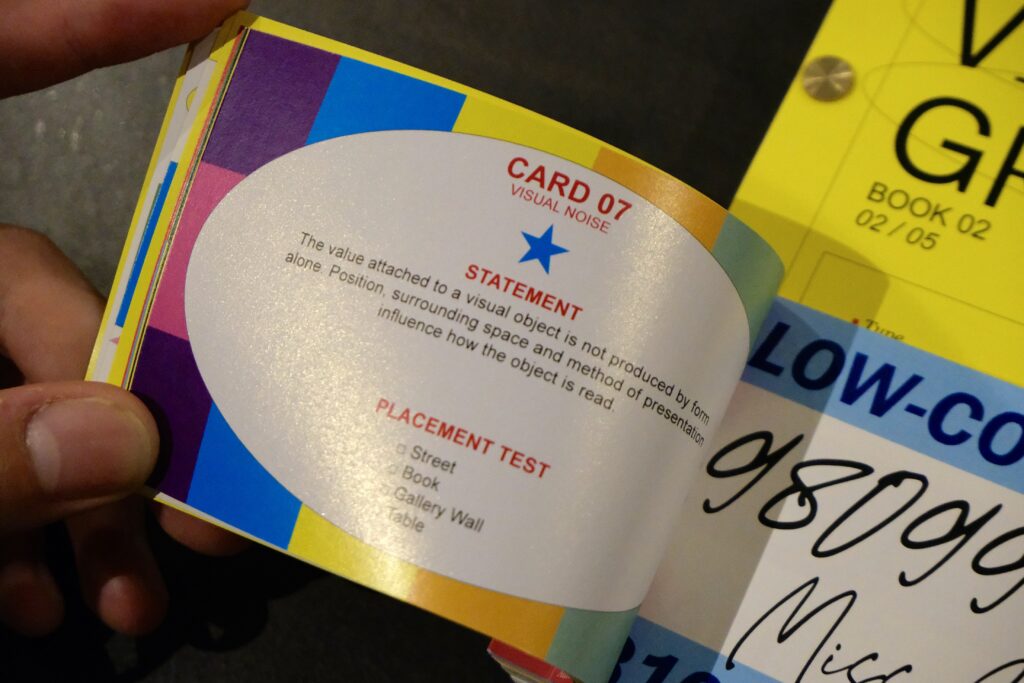
Book 5 turns aesthetic judgement into a series of movable visual cards inspired by Chinese street advertising.
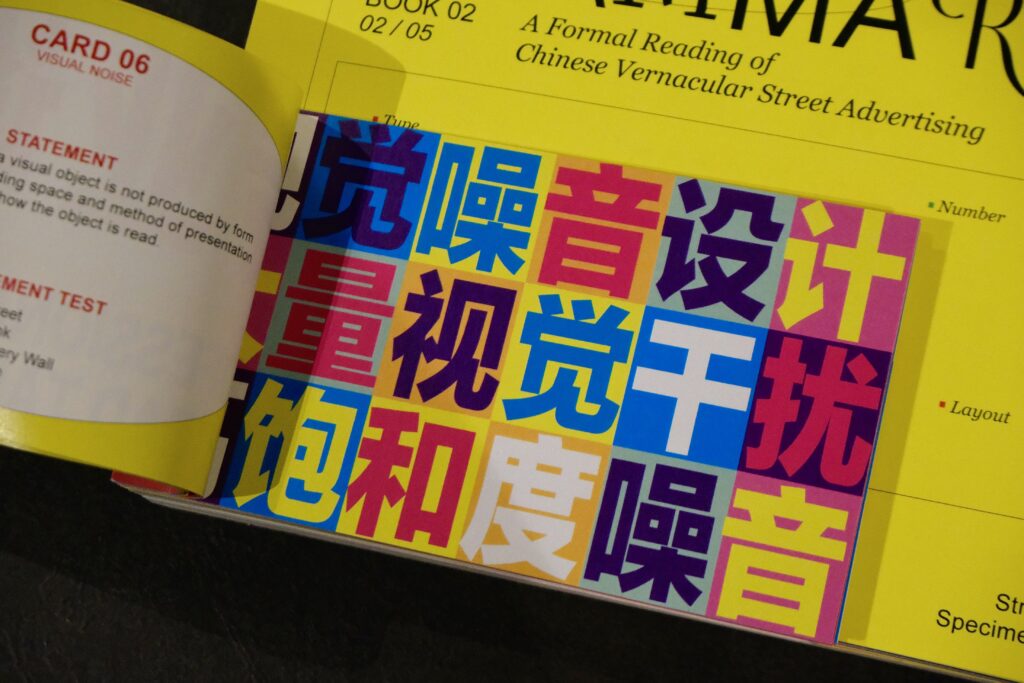
Book 5 turns aesthetic judgement into a series of movable visual cards inspired by Chinese street advertising.
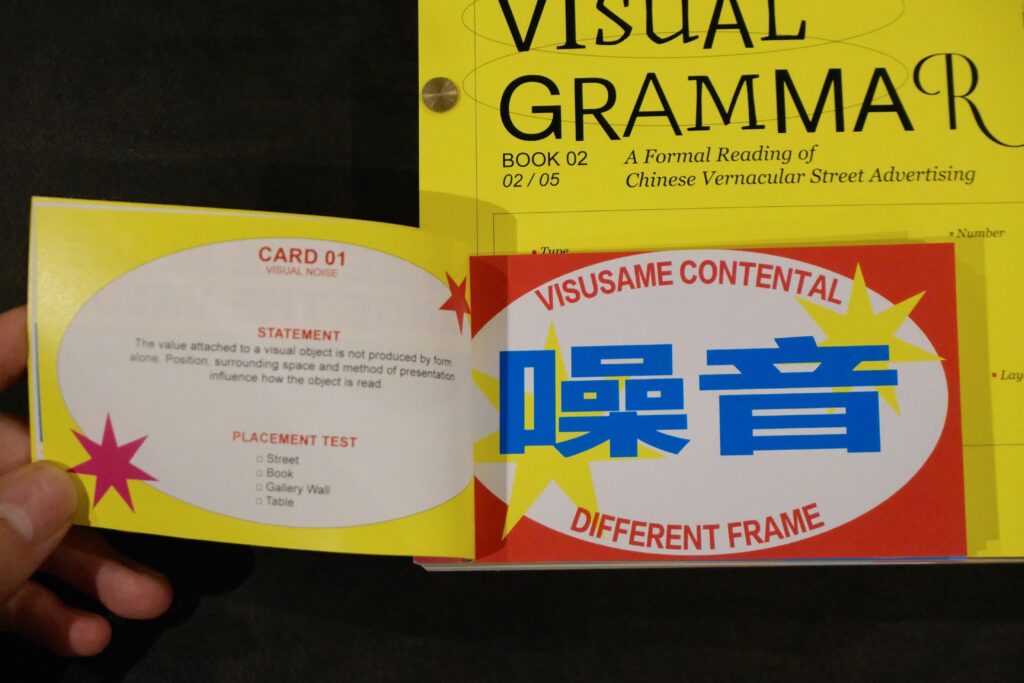
Book 5 turns aesthetic judgement into a series of movable visual cards inspired by Chinese street advertising.
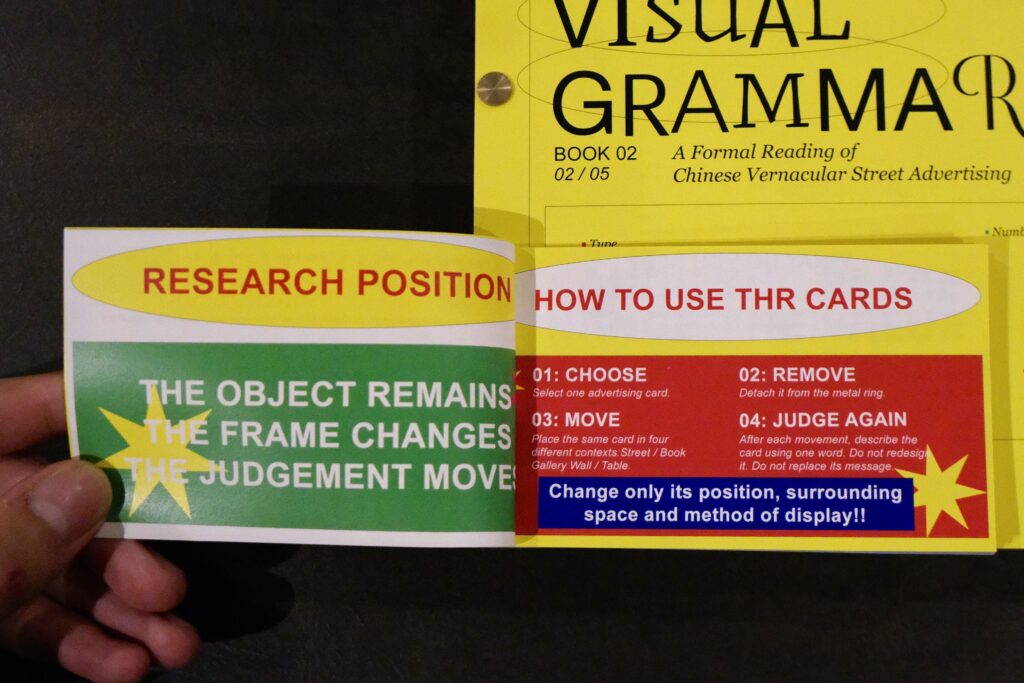
Book 5 turns aesthetic judgement into a series of movable visual cards inspired by Chinese street advertising.
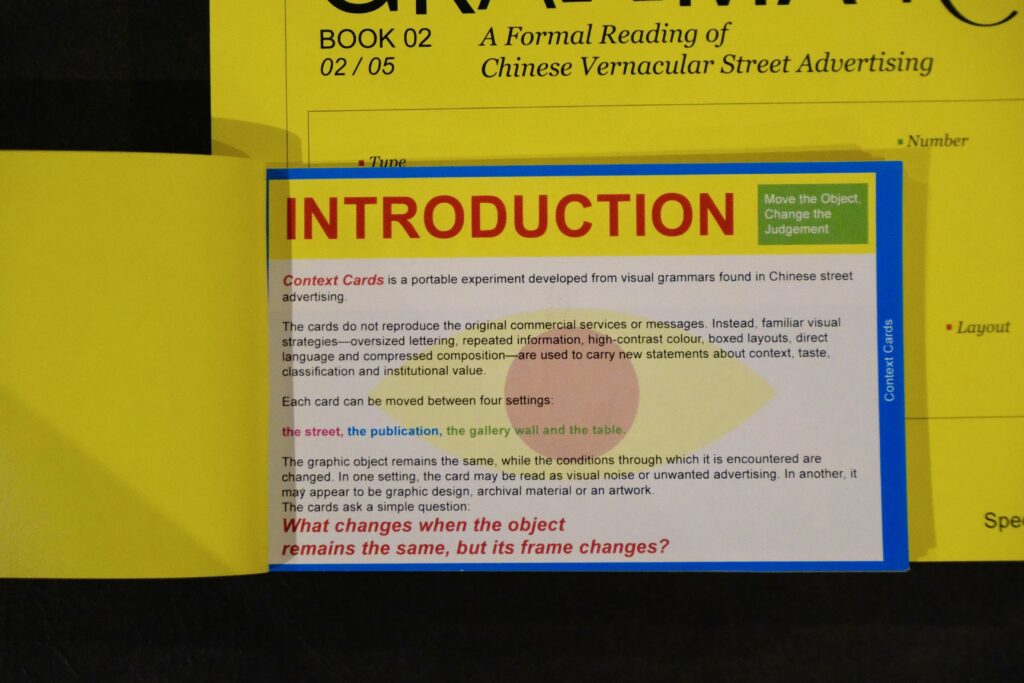
Book 5 turns aesthetic judgement into a series of movable visual cards inspired by Chinese street advertising.
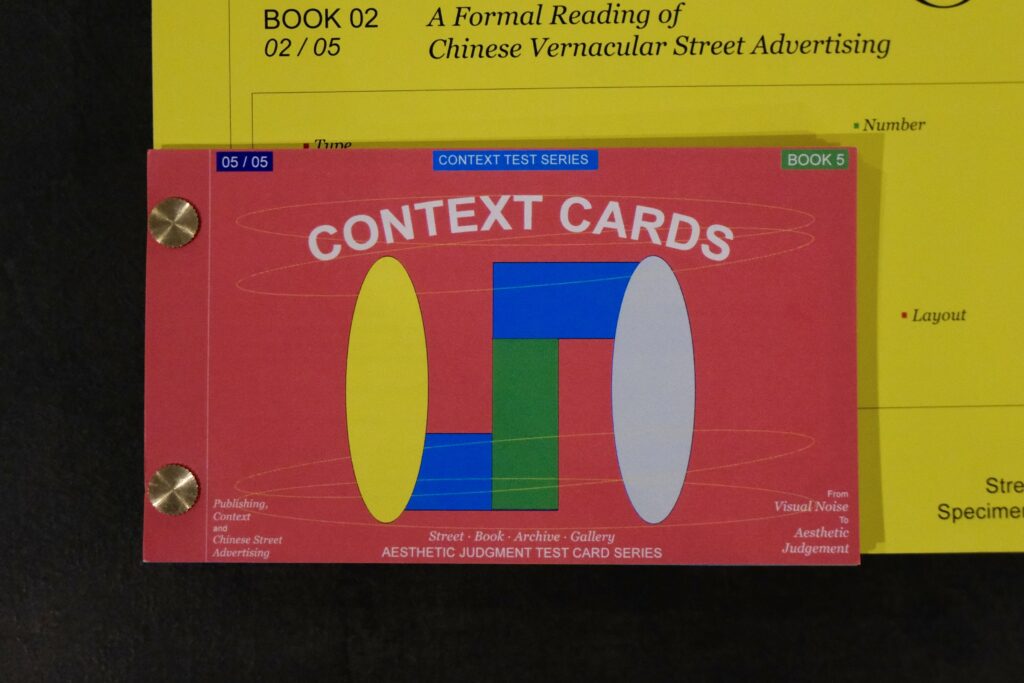
Book 5 turns aesthetic judgement into a series of movable visual cards inspired by Chinese street advertising.
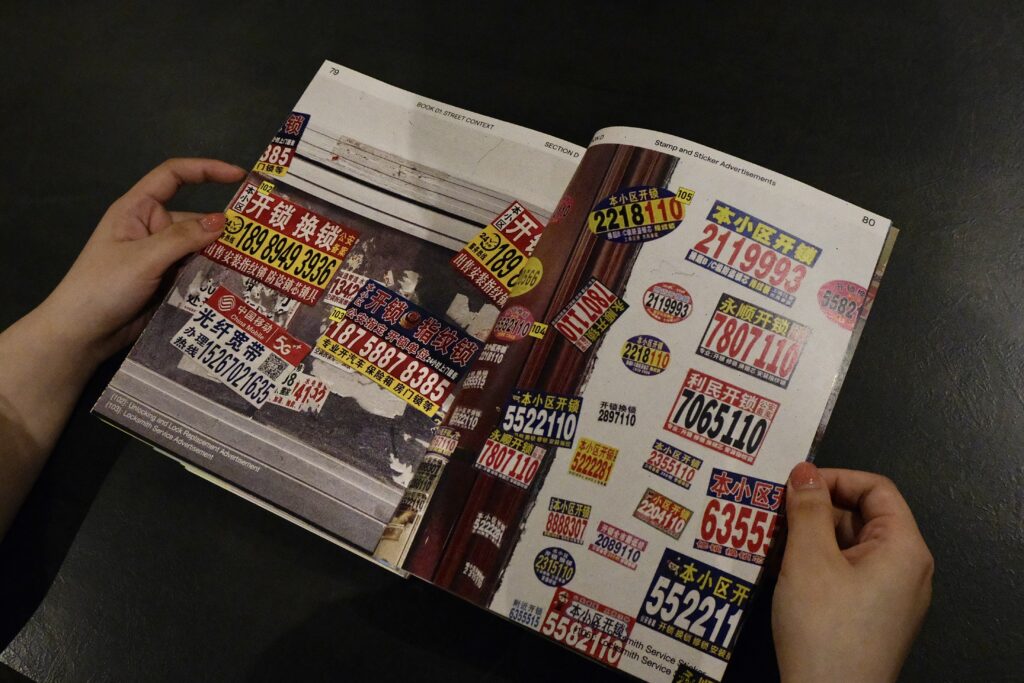
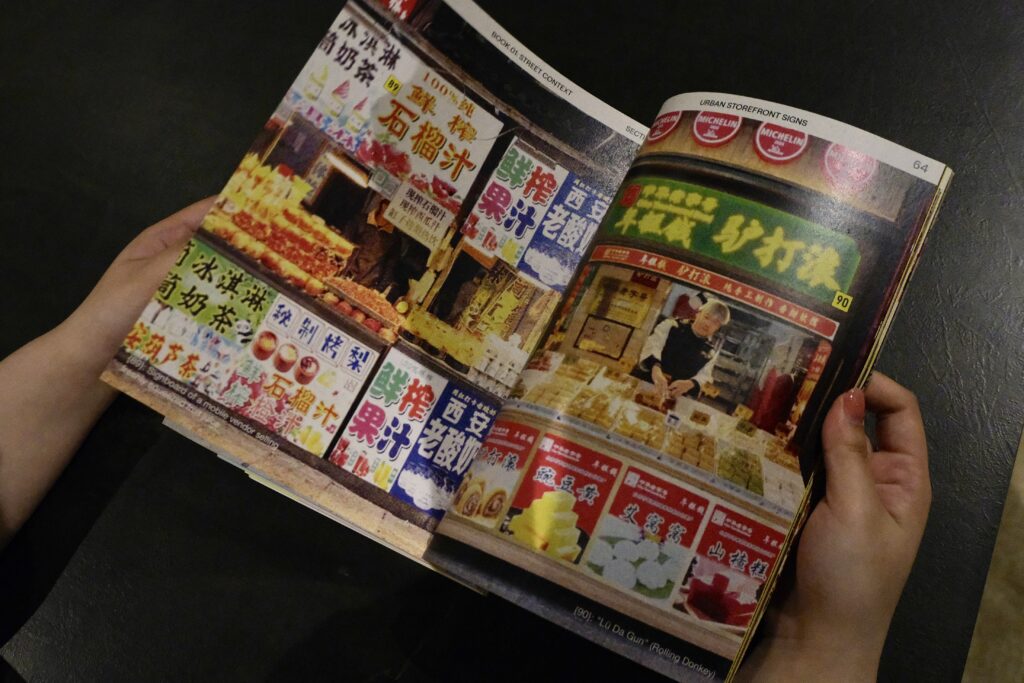
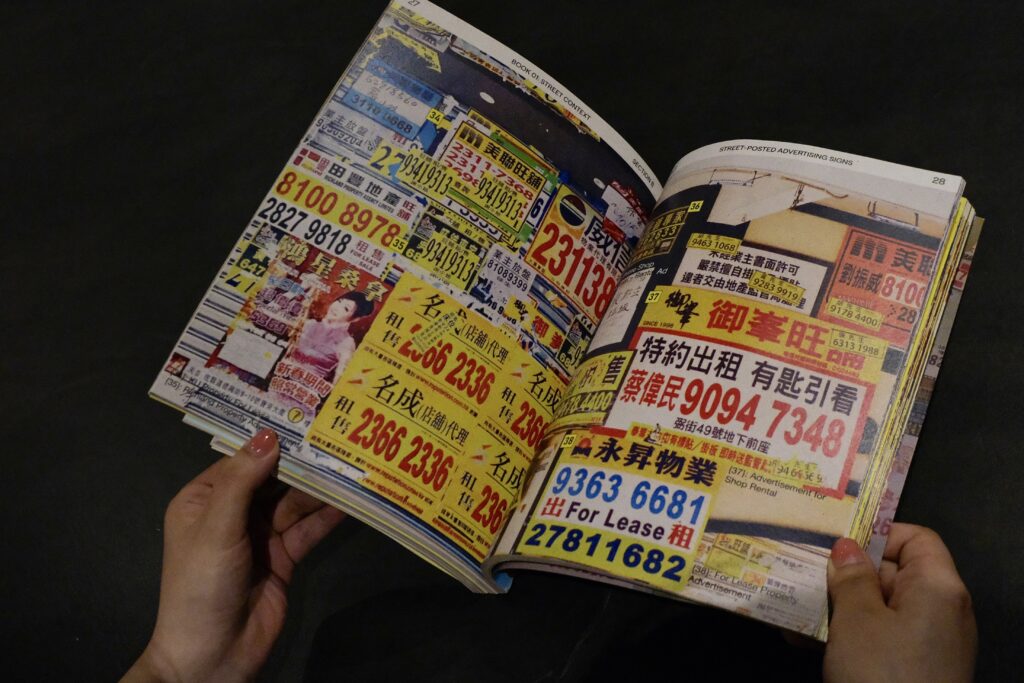
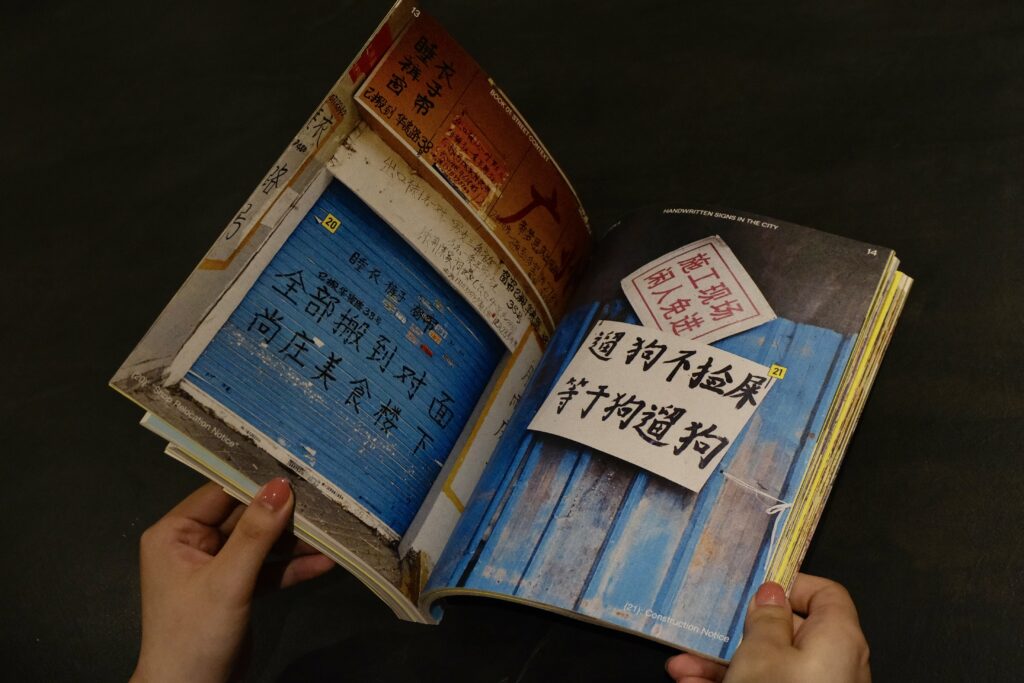
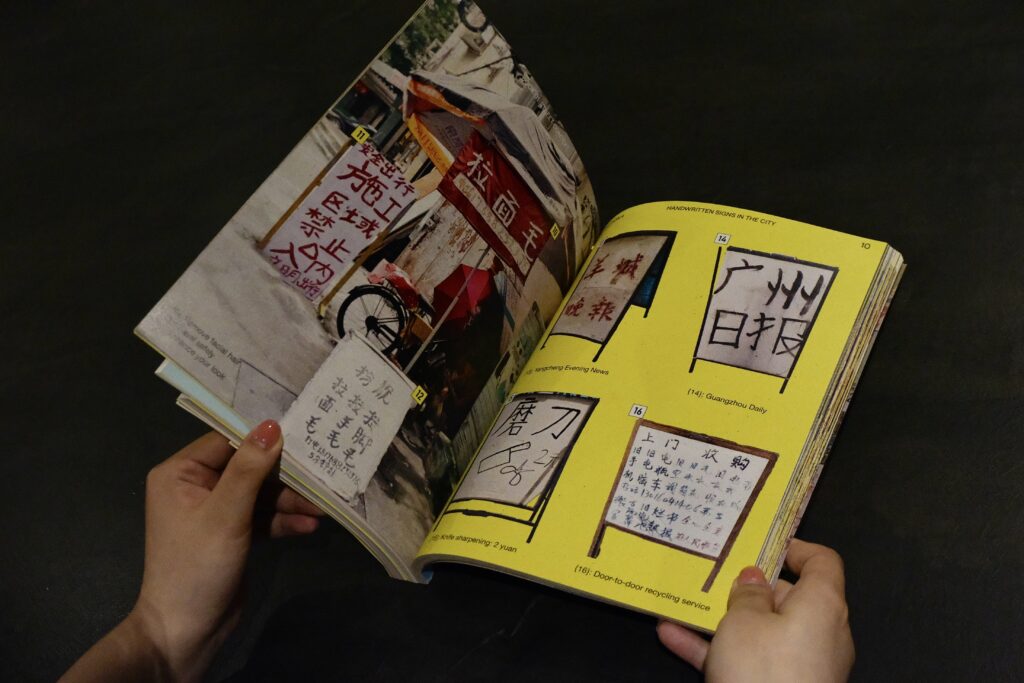
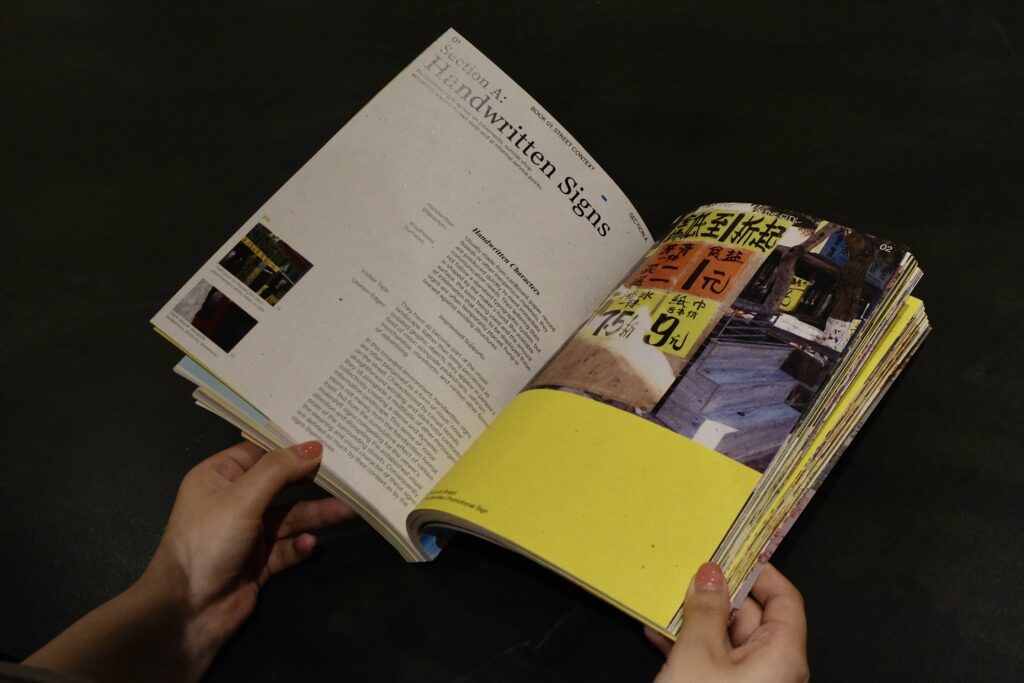
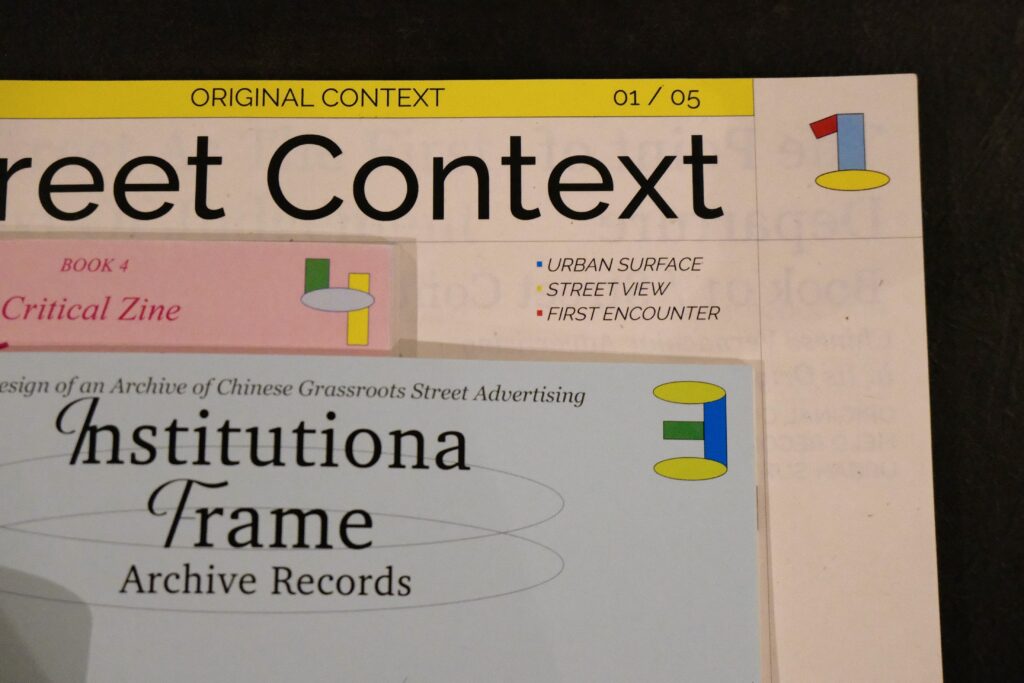
Book 1 documents Chinese vernacular street advertising within its original urban context.
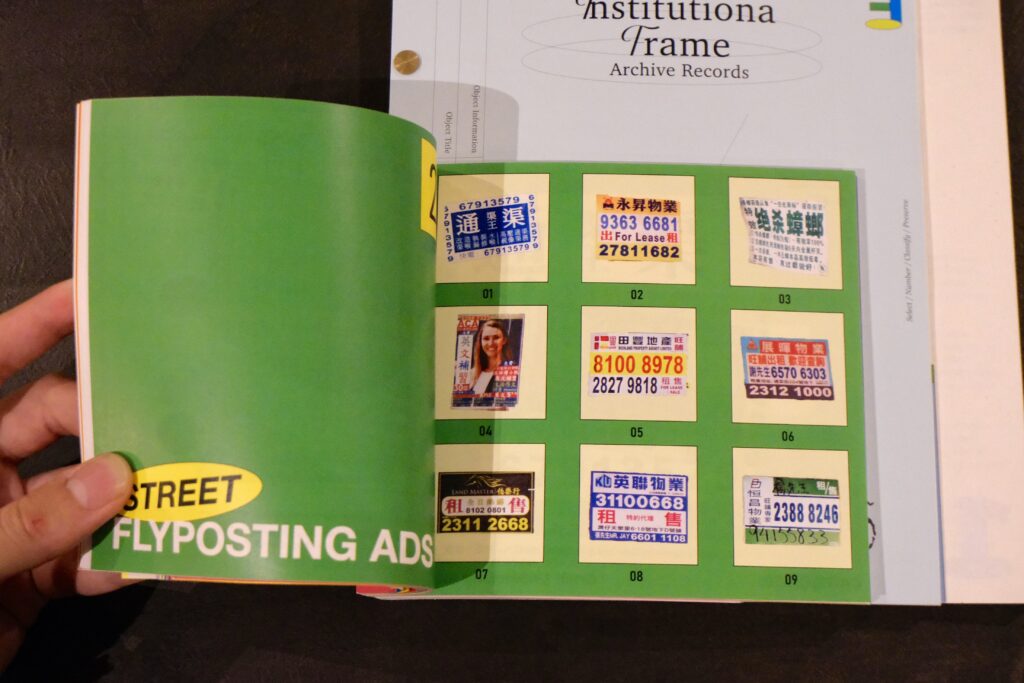
Book 2 analyses the visual language of Chinese street advertising through colour, typography, numbers, and other graphic elements.
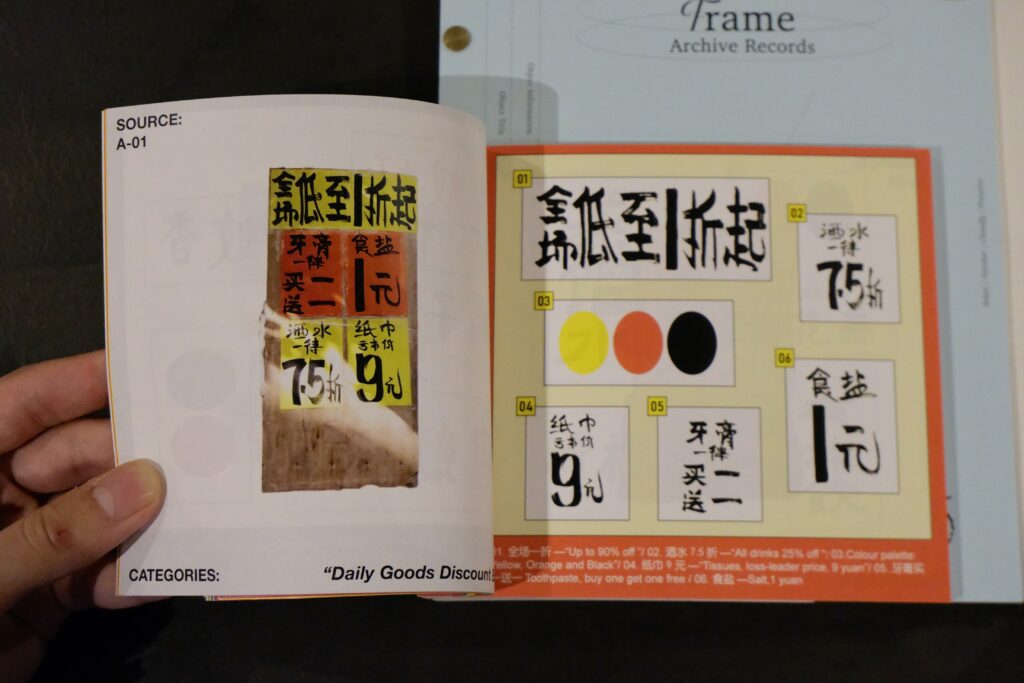
Book 2 analyses the visual language of Chinese street advertising through colour, typography, numbers, and other graphic elements.
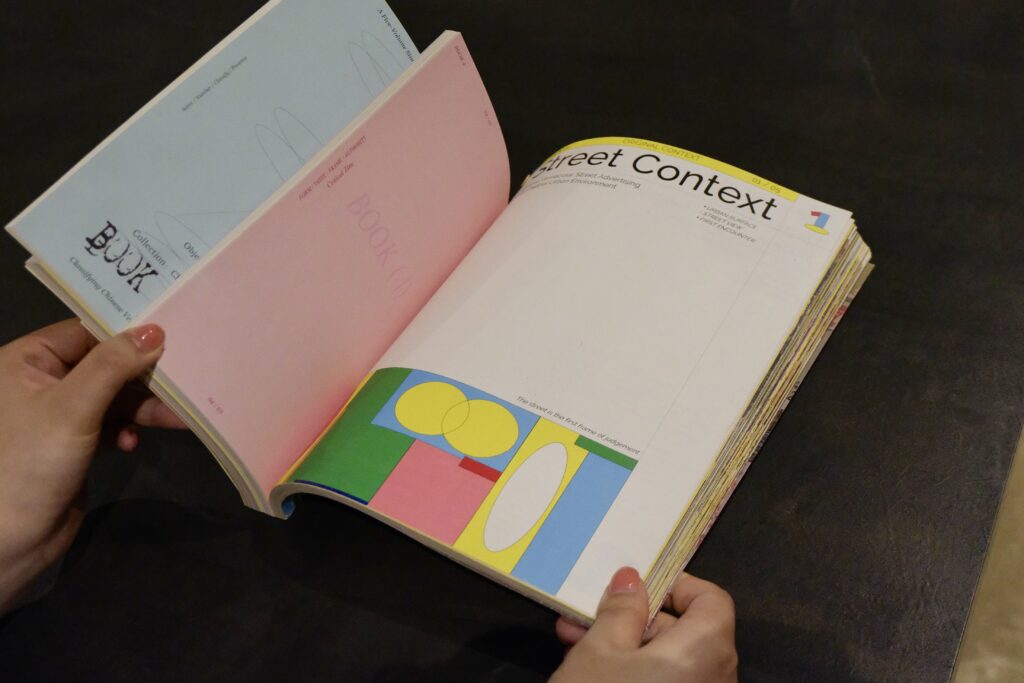
Book 2 analyses the visual language of Chinese street advertising through colour, typography, numbers, and other graphic elements.
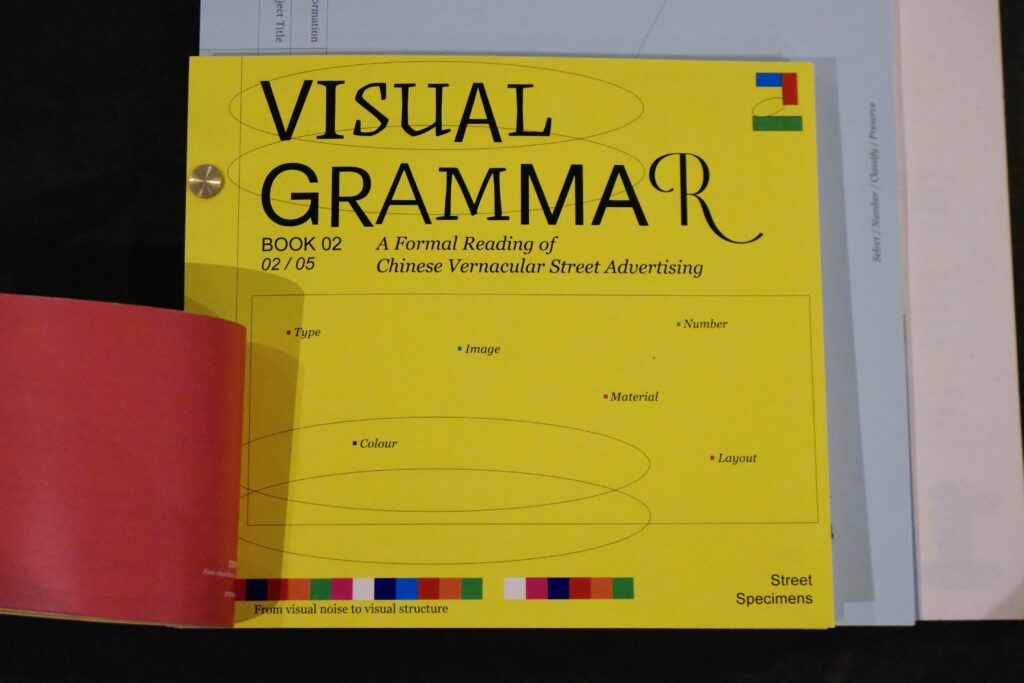
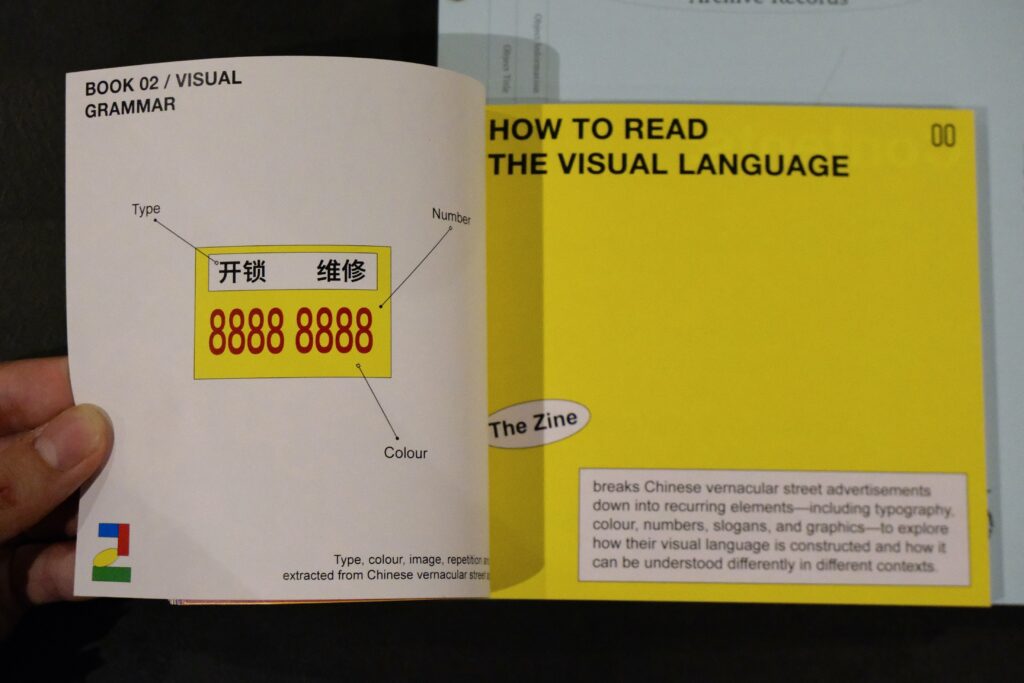
Book 2 analyses the visual language of Chinese street advertising through colour, typography, numbers, and other graphic elements.