Shulong Zhuang
Project Introduction Reclaiming the Gorbals’ Heritage
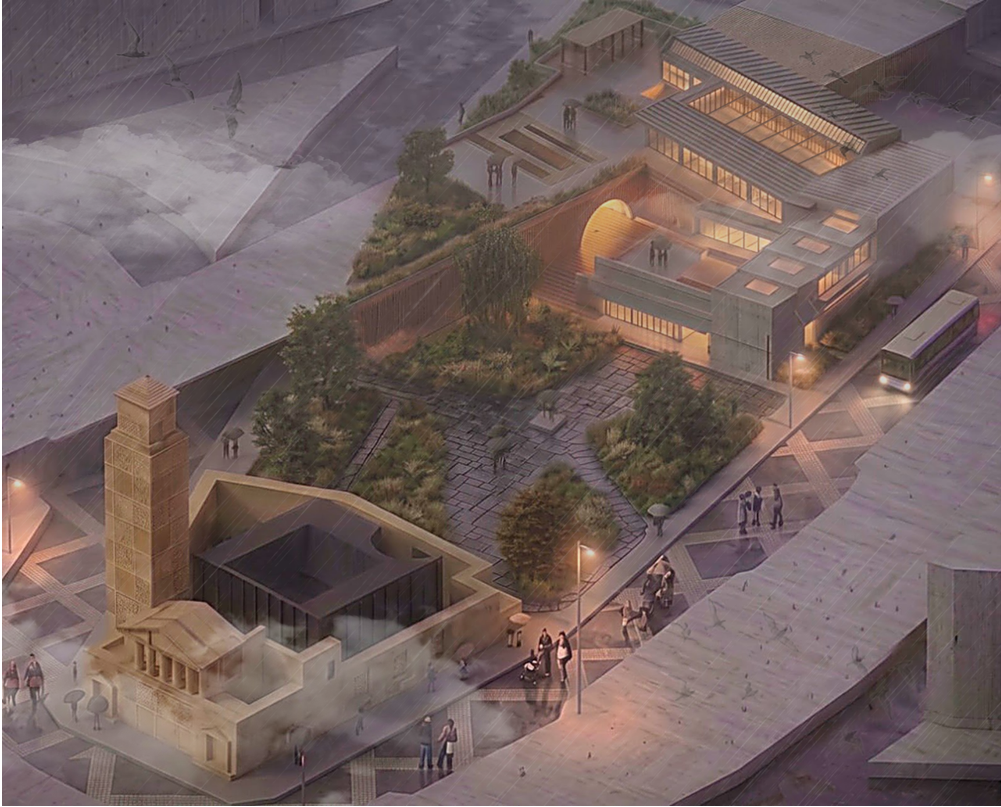
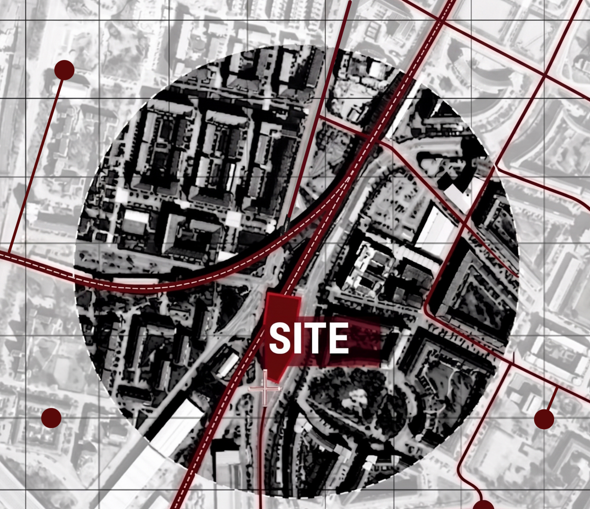
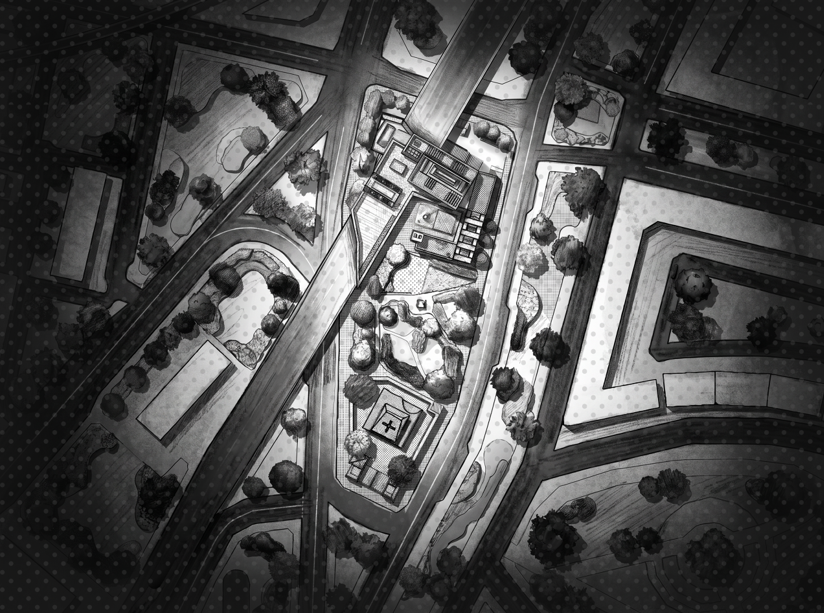
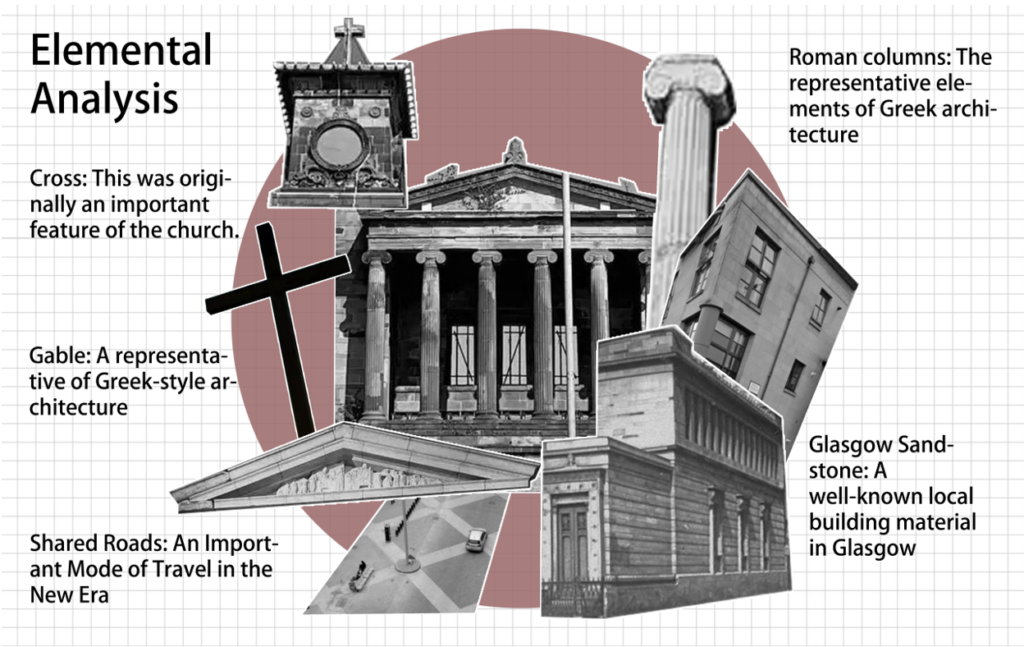
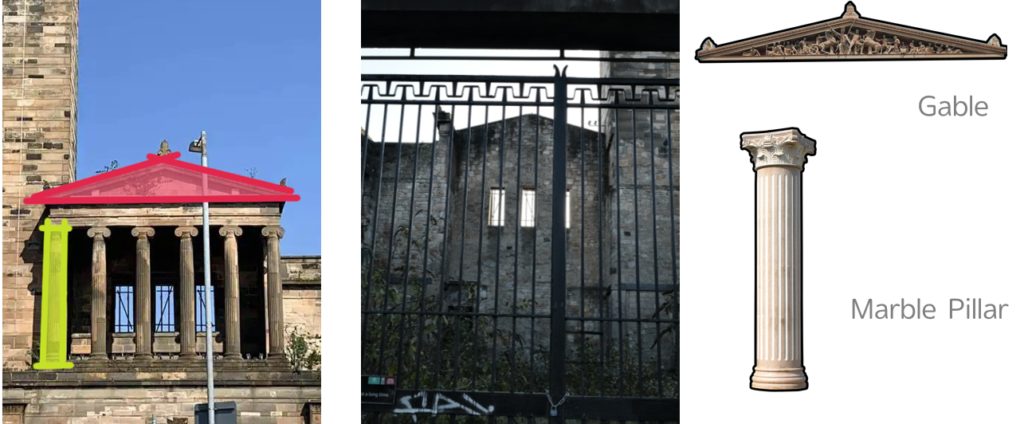
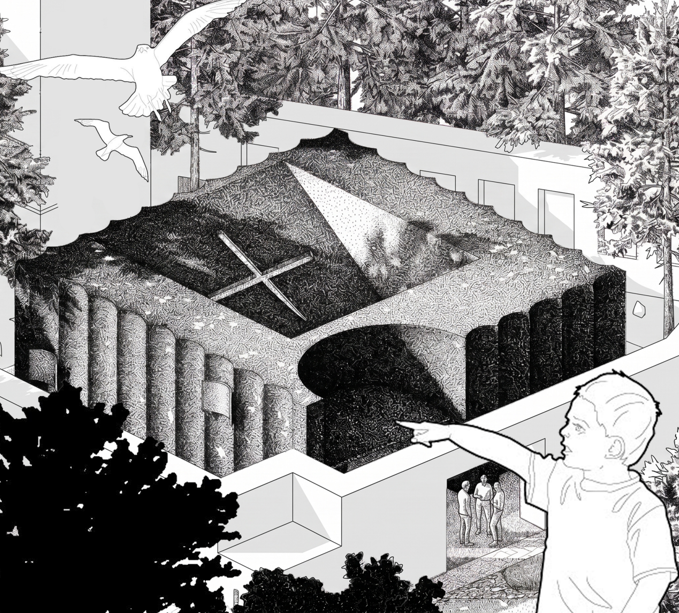
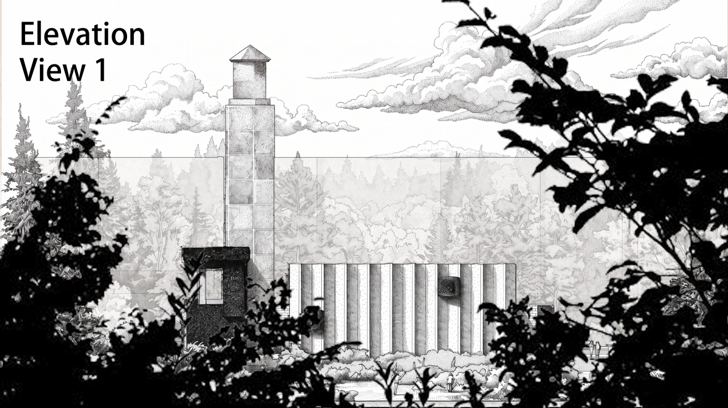
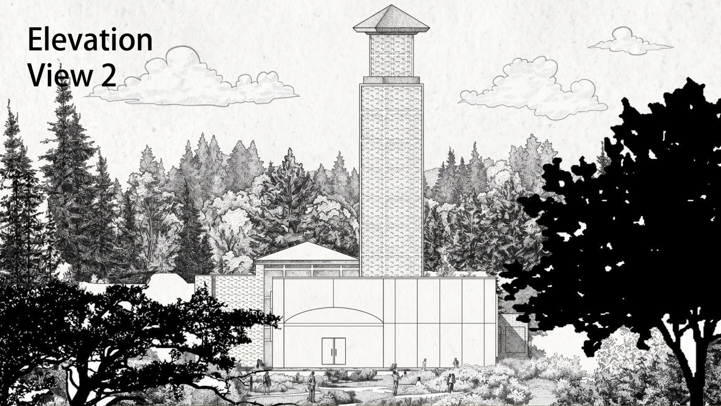
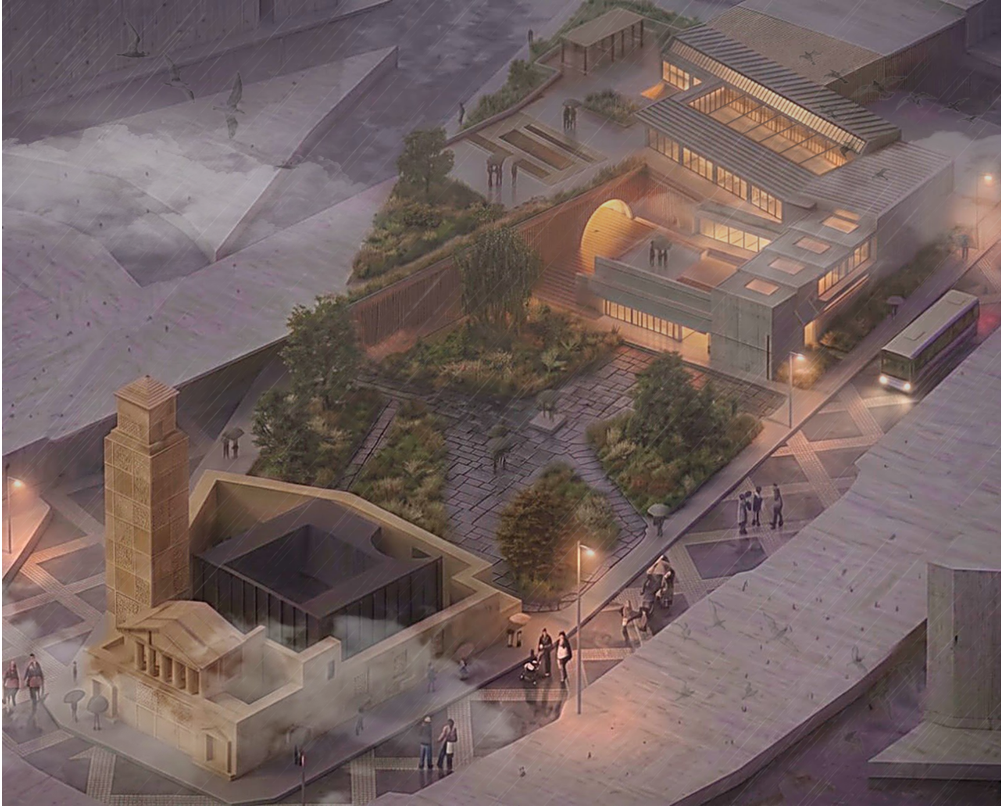
Located in the historical heart of Glasgow’s Gorbals district, the Caledonia Road Church is not just a building, but a poignant relic within Scotland’s rich architectural heritage. Designed in 1856 by the visionary Victorian architect Alexander ‘Greek’ Thomson as a Presbyterian church, it is celebrated for its masterful fusion of classical Greek revivalism and distinctive, idiosyncratic detailing, earning its status as a Category A Listed Building. In the past, with its monumental façade and distinctive tower, the church served not only as a prominent local landmark but also as an essential place of worship and a vital social gathering space for the surrounding community. However, the building’s fate took a drastic turn following a devastating fire in 1965. The blaze ruthlessly destroyed the roof and much of the interior structure, leaving only the weathered external stone walls, the tower, and parts of the structural shell. Making matters worse, during decades of sweeping, often destructive urban renewal in the mid-to-late 20th century, the ruined church was left stranded. Today, it exists as a solitary island, tightly besieged by a heavily trafficked, V-shaped road network. This vehicle-dominated traffic infrastructure not only physically severs the church from the very community it was built to serve, but also socially fractures the local urban fabric.
Adaptive Reuse of Caledonia Road Church
Located in the historical heart of Glasgow’s Gorbals district, the Caledonia Road Church is not just a building, but a poignant relic within Scotland’s rich architectural heritage. Designed in 1856 by the visionary Victorian architect Alexander ‘Greek’ Thomson as a Presbyterian church, it is celebrated for its masterful fusion of classical Greek revivalism and distinctive, idiosyncratic detailing, earning its status as a Category A Listed Building. In the past, with its monumental façade and distinctive tower, the church served not only as a prominent local landmark but also as an essential place of worship and a vital social gathering space for the surrounding community. However, the building’s fate took a drastic turn following a devastating fire in 1965. The blaze ruthlessly destroyed the roof and much of the interior structure, leaving only the weathered external stone walls, the tower, and parts of the structural shell. Making matters worse, during decades of sweeping, often destructive urban renewal in the mid-to-late 20th century, the ruined church was left stranded. Today, it exists as a solitary island, tightly besieged by a heavily trafficked, V-shaped road network. This vehicle-dominated traffic infrastructure not only physically severs the church from the very community it was built to serve, but also socially fractures the local urban fabric.