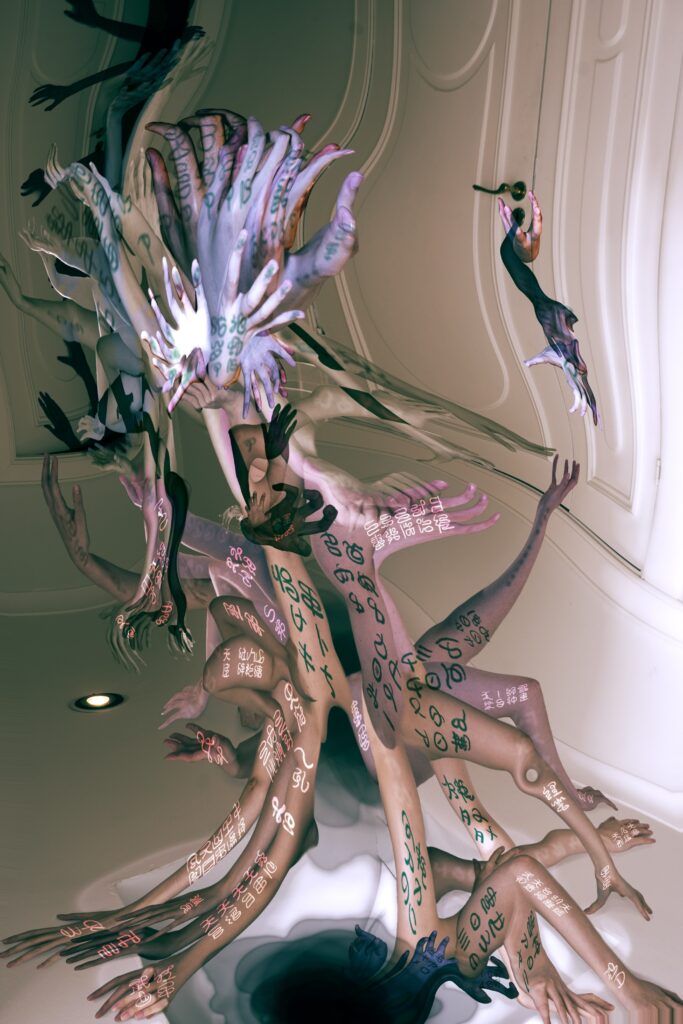
Ruorong Ni
Ruorong Ni (aka Audrey Ni Ruorong) is a Chinese-born interdisciplinary artist and researcher based in Glasgow, UK, where she is currently undertaking practice-led PhD research at The Glasgow School of Art. Her art practice spans photography, digital art, moving image, installation, and AI-generated media, exploring the inherent tensions within image-making, narrative systems, and perception. From her early investigations into the body and psychological trauma to her more recent explorations of secondary-world construction and the incomprehensible, her work consistently operates between control and loss of control, order and chaos.
Through her ongoing art practice, she has developed an experimental framework which she terms Weird Methodology. Rather than treating incomprehensibility as a failure of understanding, this framework approaches it as a structural outcome. Within this system, images, texts, sounds, spaces, installations, audience experiences, and the various traces produced throughout the creative process are all understood as materials that can be continually generated, reorganised, and reinterpreted. Through their shifting relationships, ruptures, translations, and reconfigurations, meaning remains in a constant state of formation and dissolution, while new narratives emerge from these networks of relations.
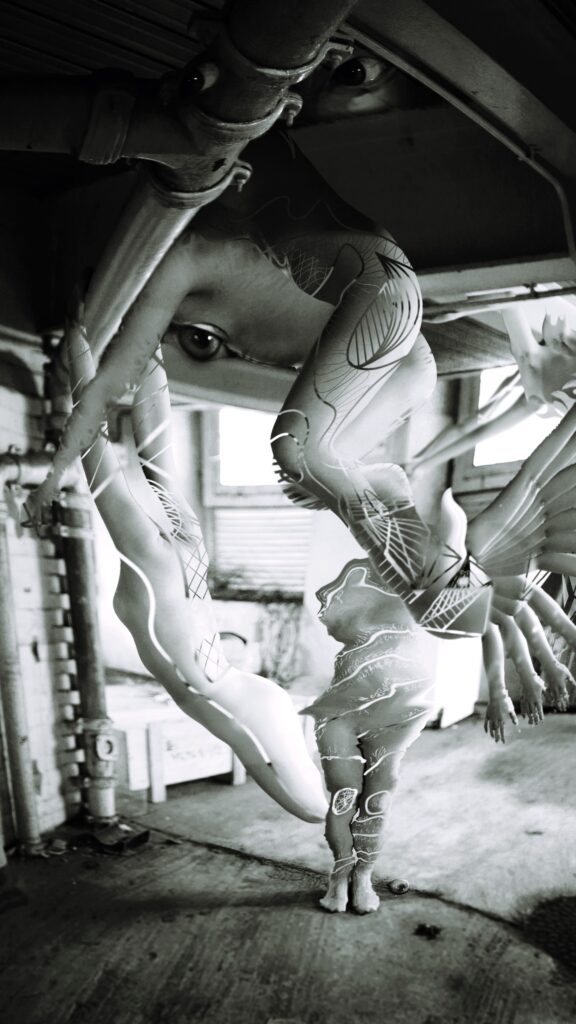
Ergodic (re-collage)
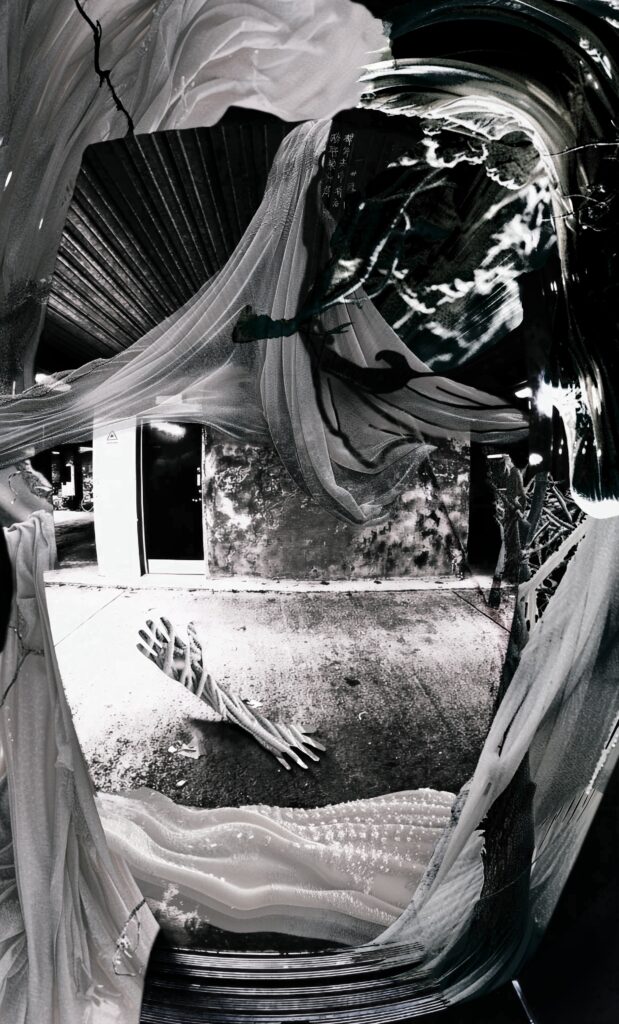
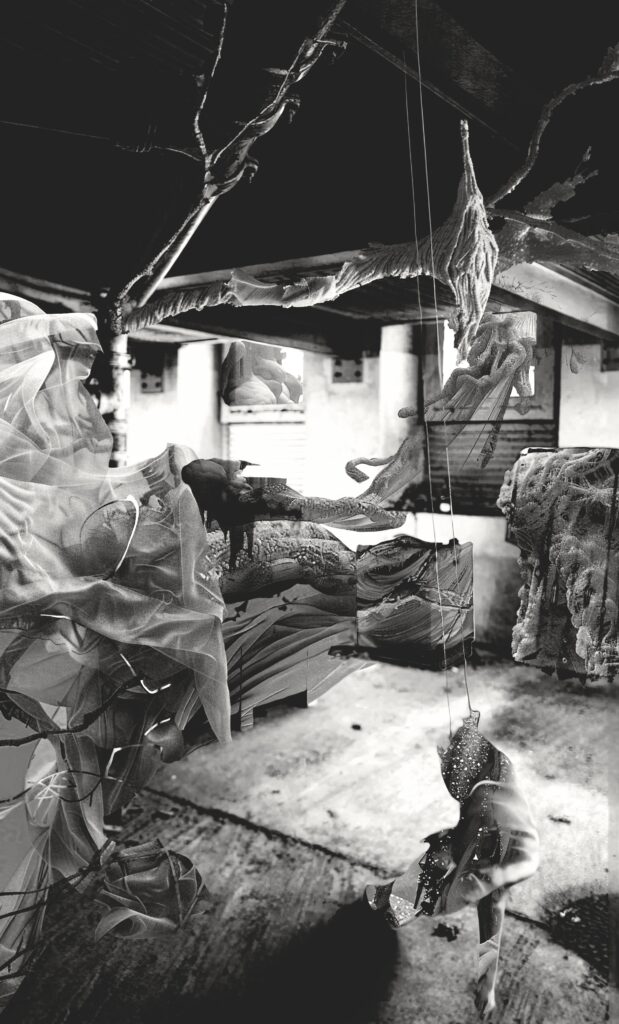
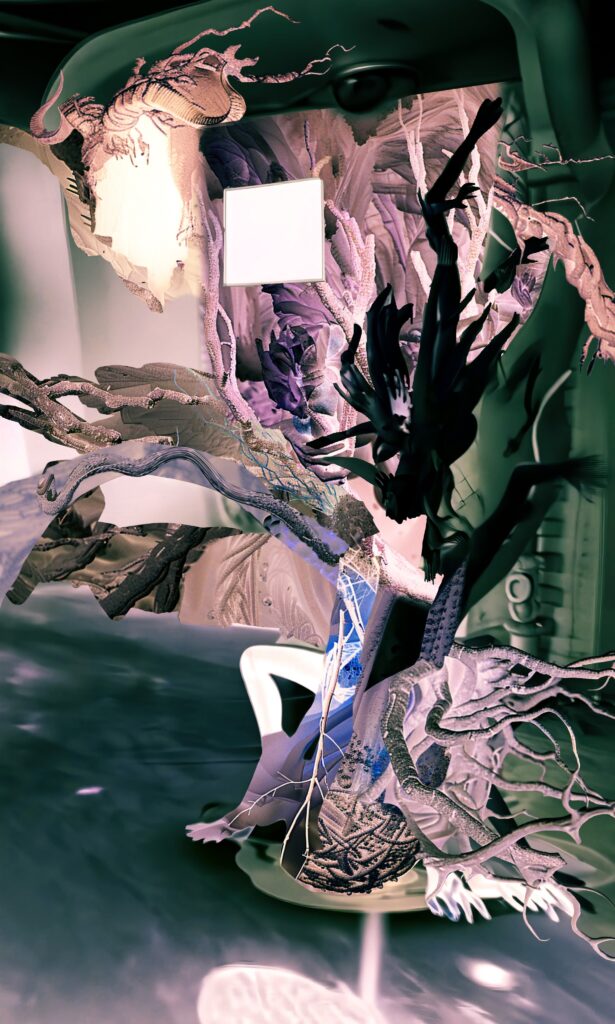
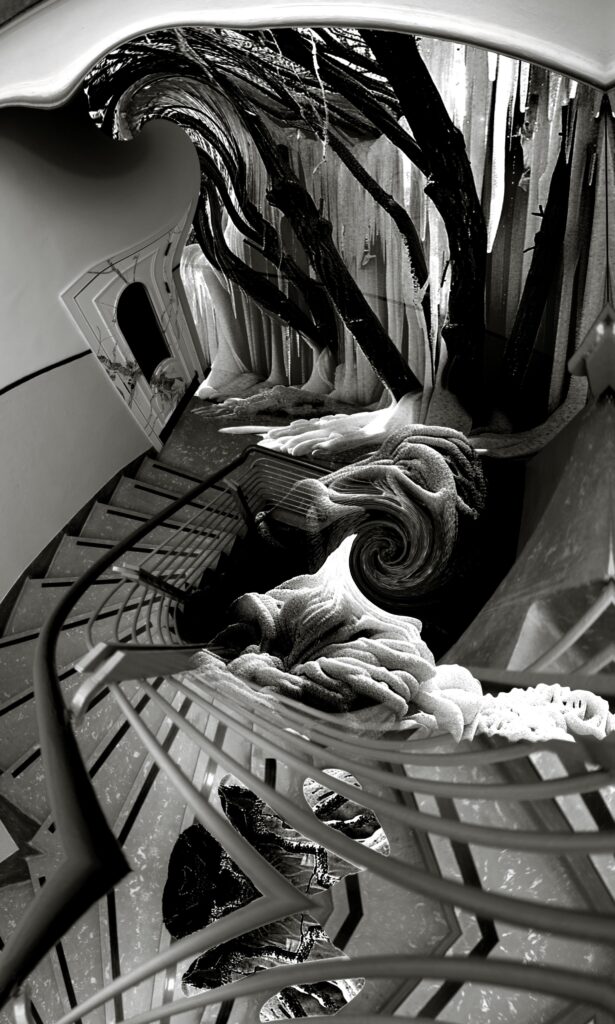
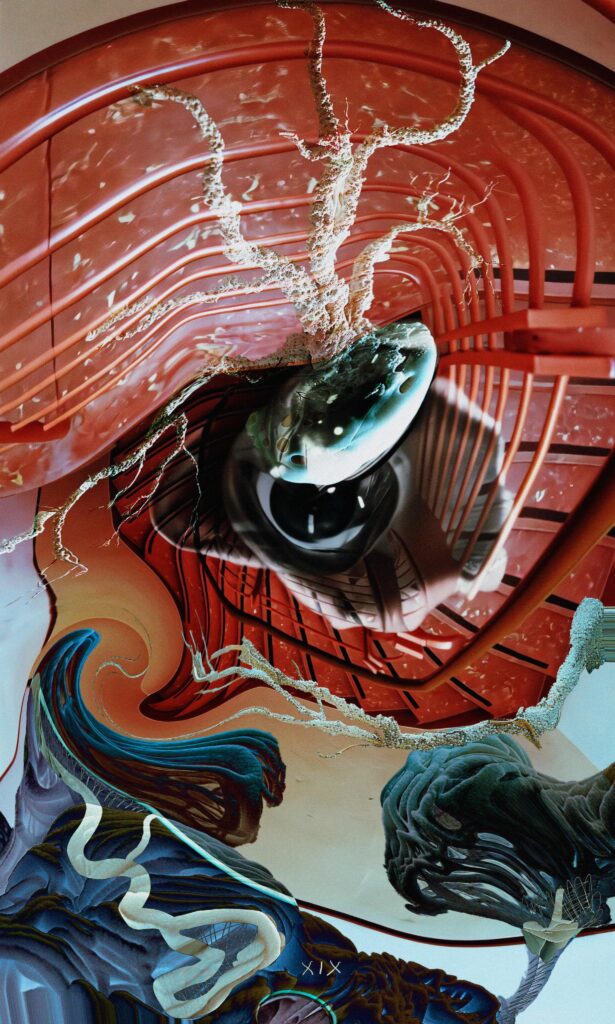
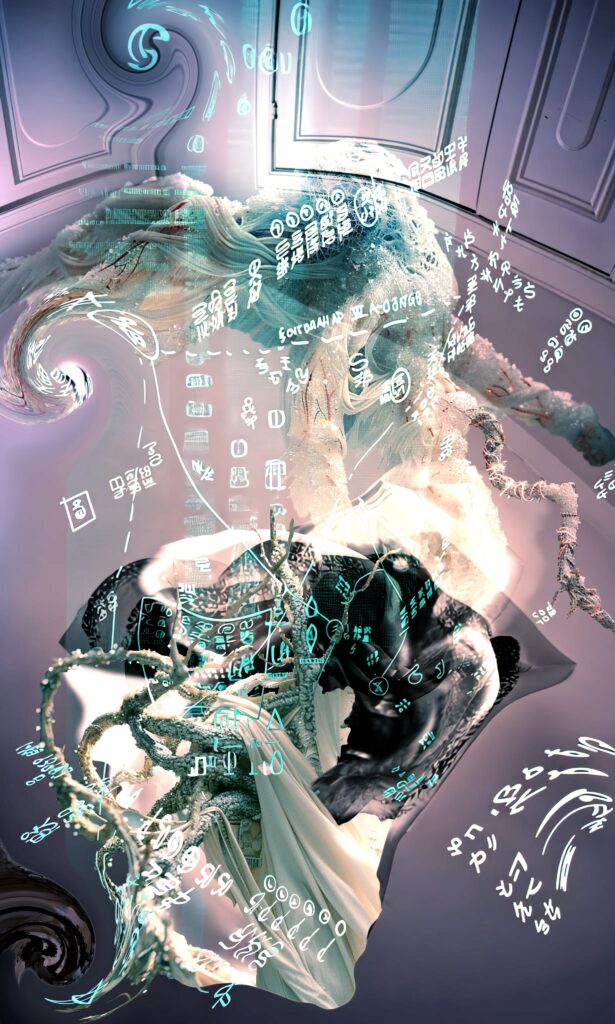
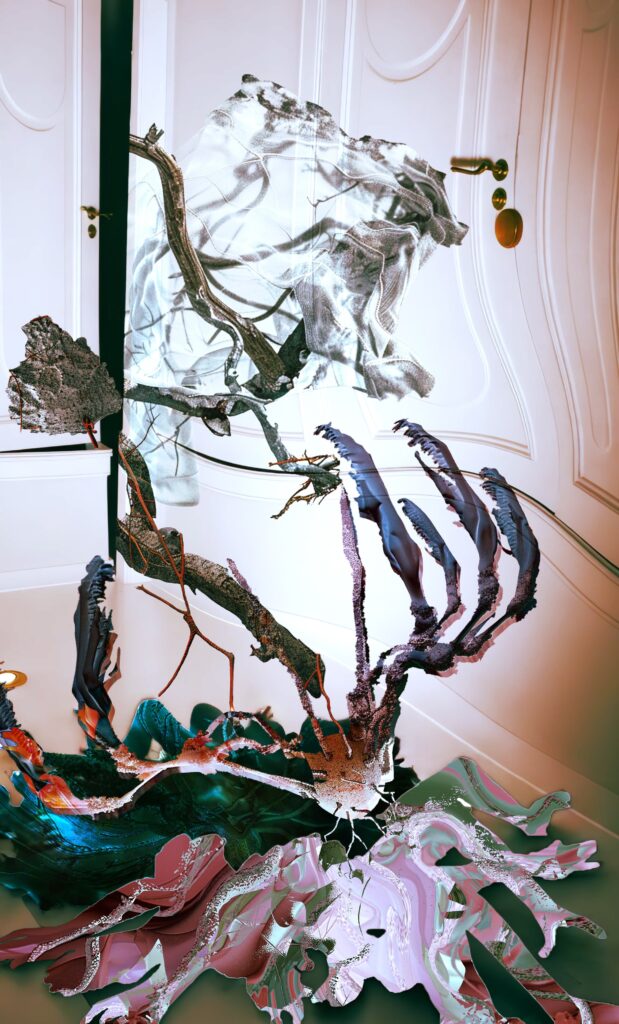
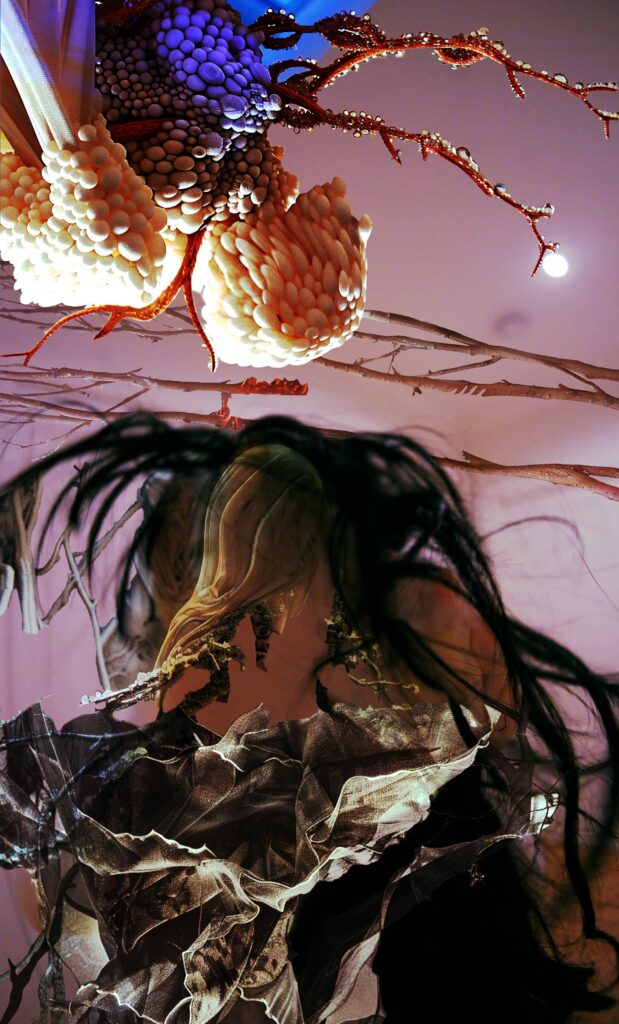
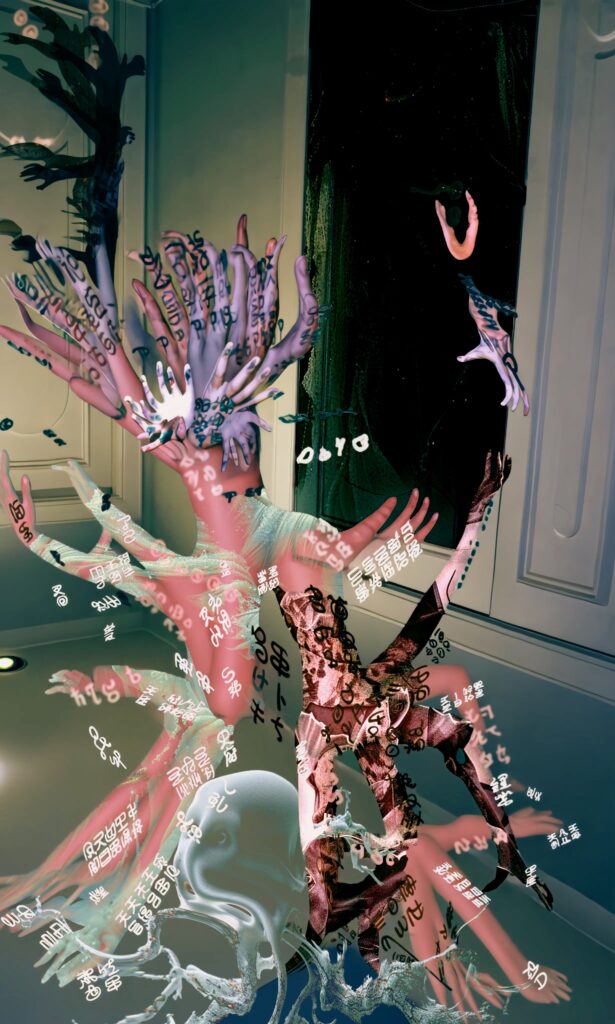
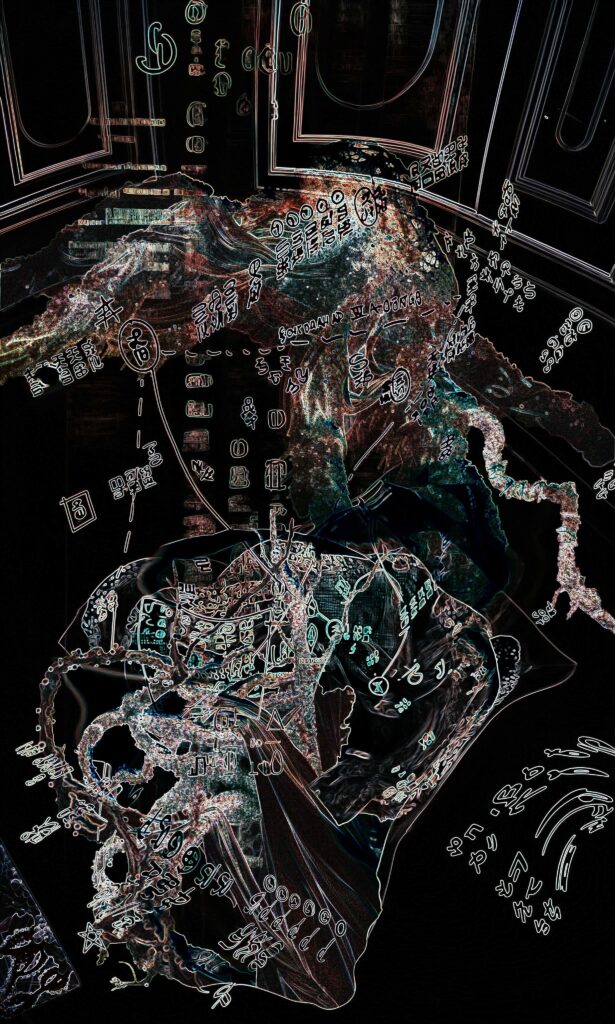
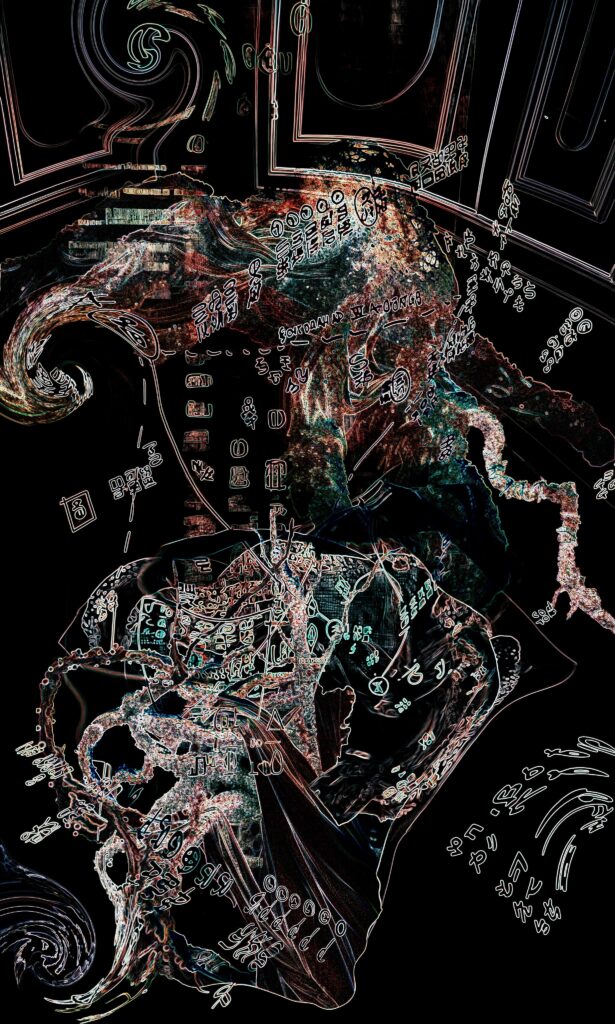
Is It Series
This series of digital collages explores the affect of incomprehensible through a practice-led framework I term Weird Methodology, a structure that resists linear storytelling and instead excavates narrative from fragmented visual evidence. While influenced by Surrealism, my work diverges through its emphasis on constructed dissonance, reverse narrative, and the disappearance of the creator as an anchoring subject.
Rather than presenting closed images, the collages invite the viewer to enact their own narrative logic – each work is a proposition rather than a resolution. Situated between the uncanny and the sacred, the flesh and the floral, these images are invitations to read the unreadable.