Qianquan Wang
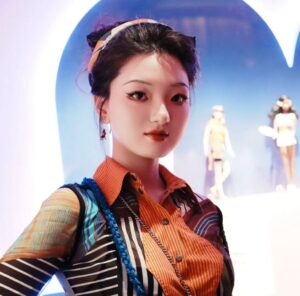
(she/her)
Qianquan Wang is a multidisciplinary artist whose practice explores youth subcultures, identity, and the politics of looking. Working across installation, sculpture, moving image, sound and participatory elements, she is interested in how marginalised cultural identities are constructed, represented, consumed and transformed through processes of social visibility.
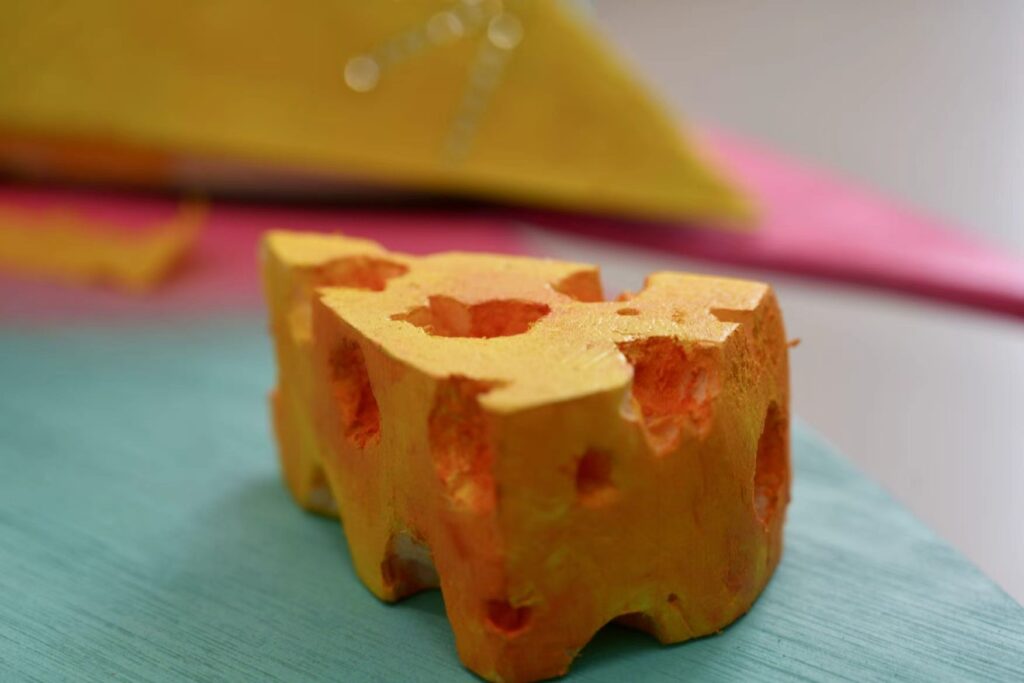
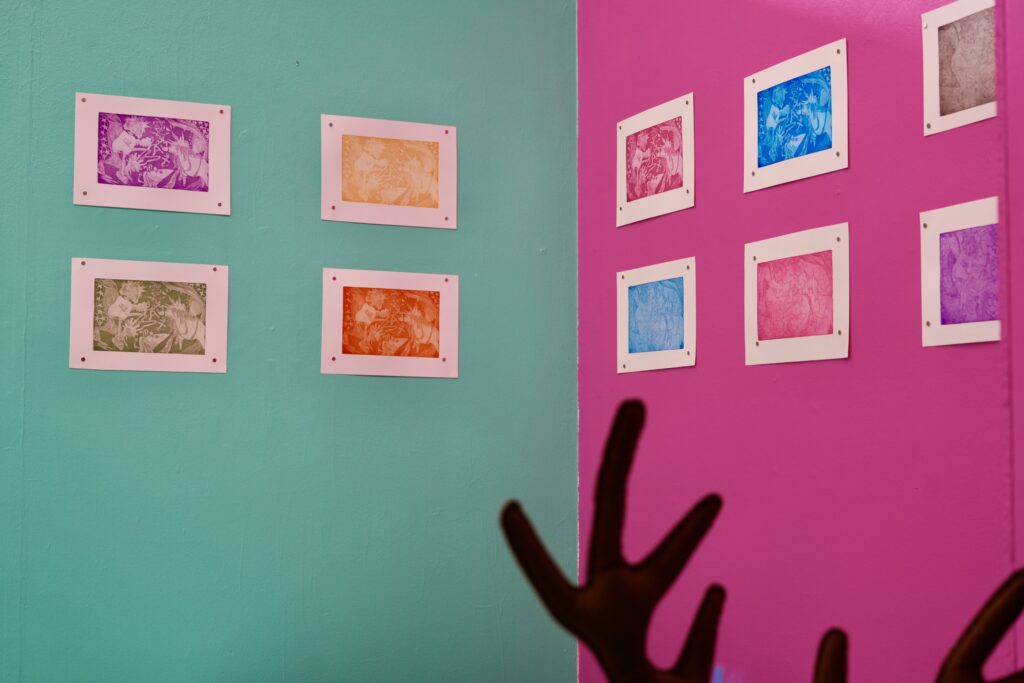
Her work often draws on everyday objects, discarded materials and DIY methods, transforming familiar domestic items into playful and unfamiliar forms. Bright colours, exaggerated decoration, humour and handmade aesthetics are used not simply as visual styles, but as ways of exploring ideas around rebellion, self-expression, spectatorship and cultural assimilation.
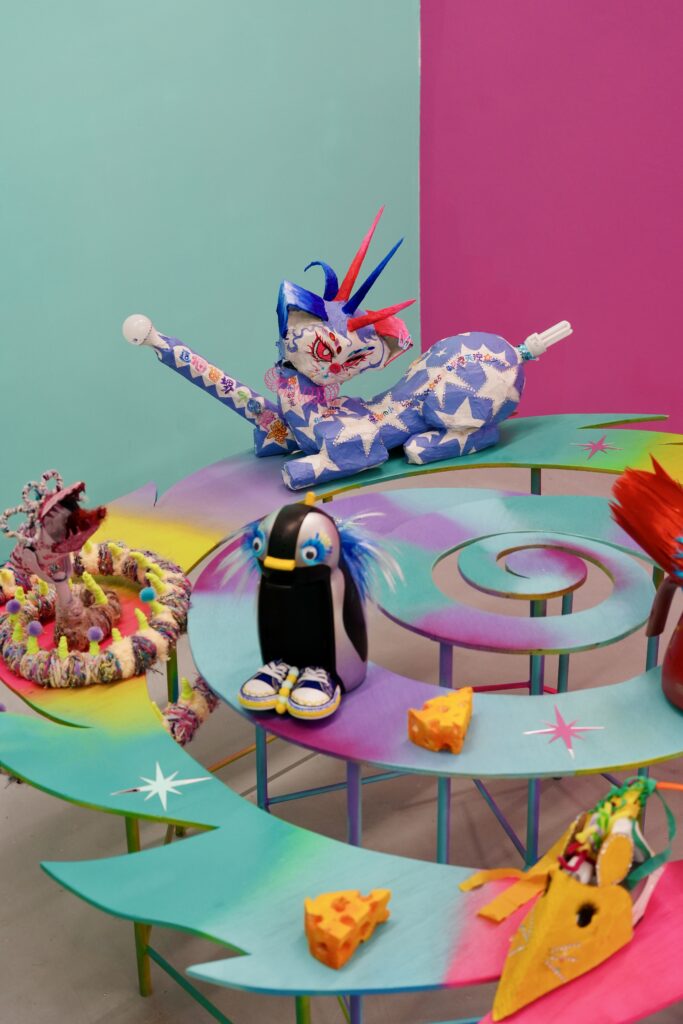
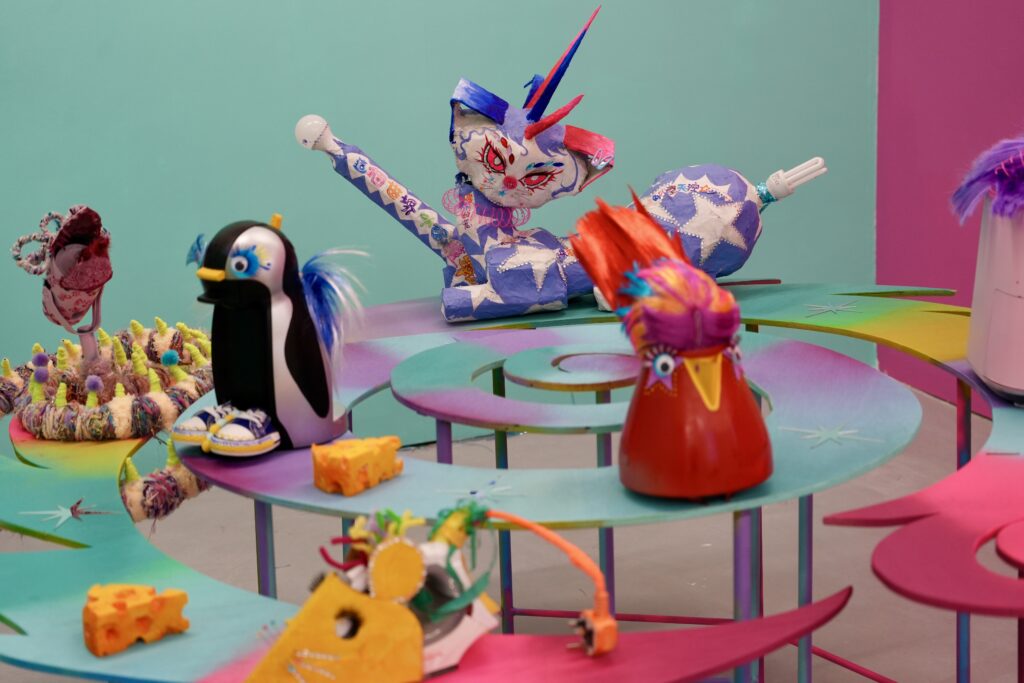
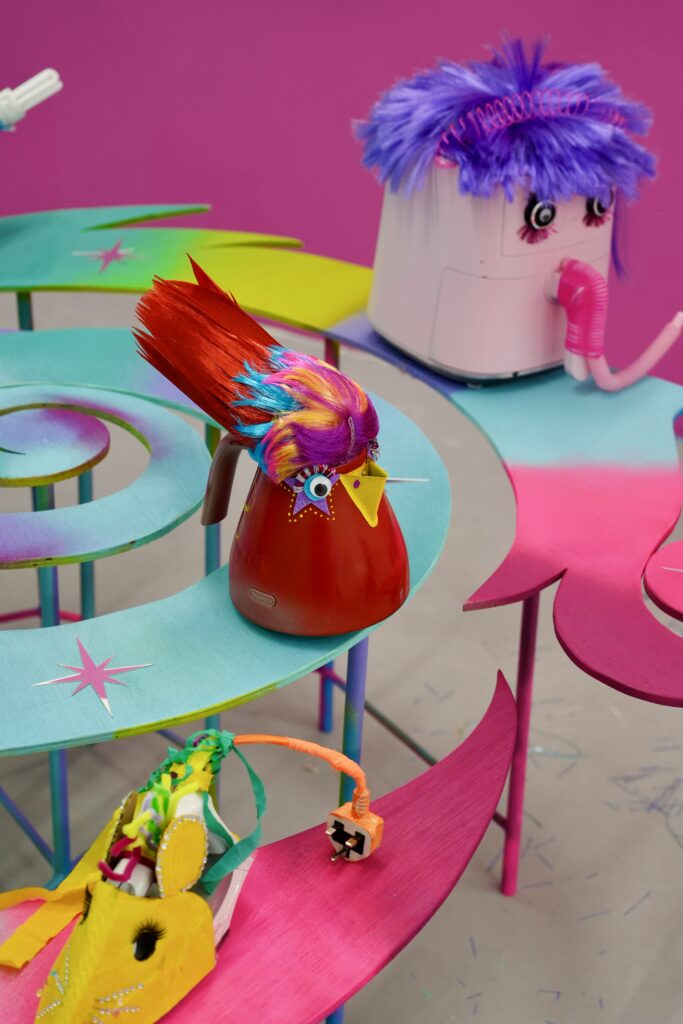
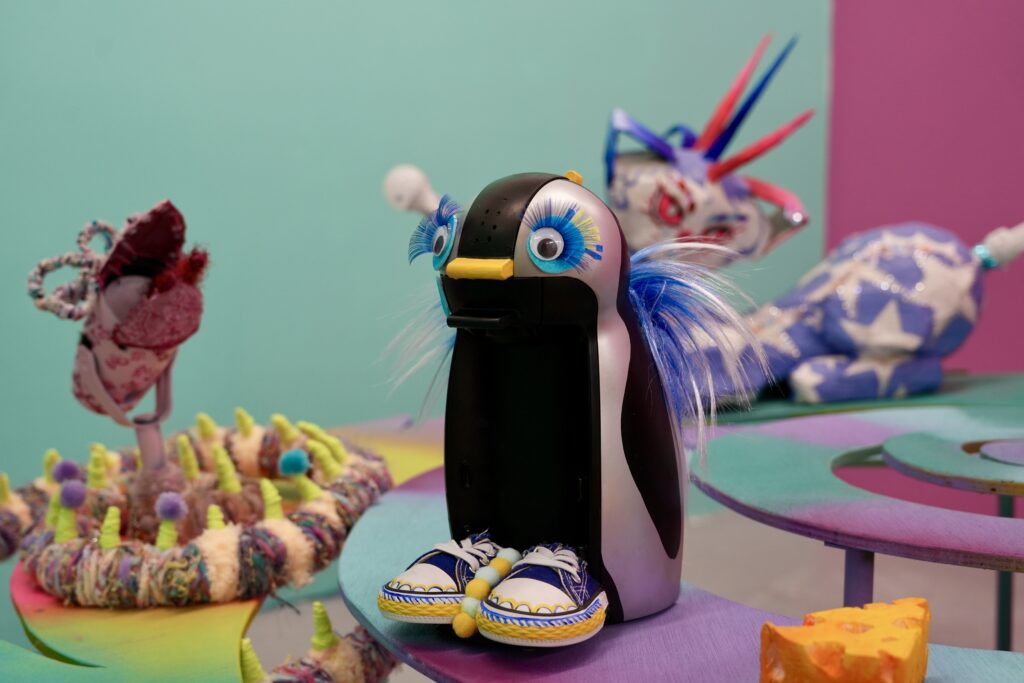
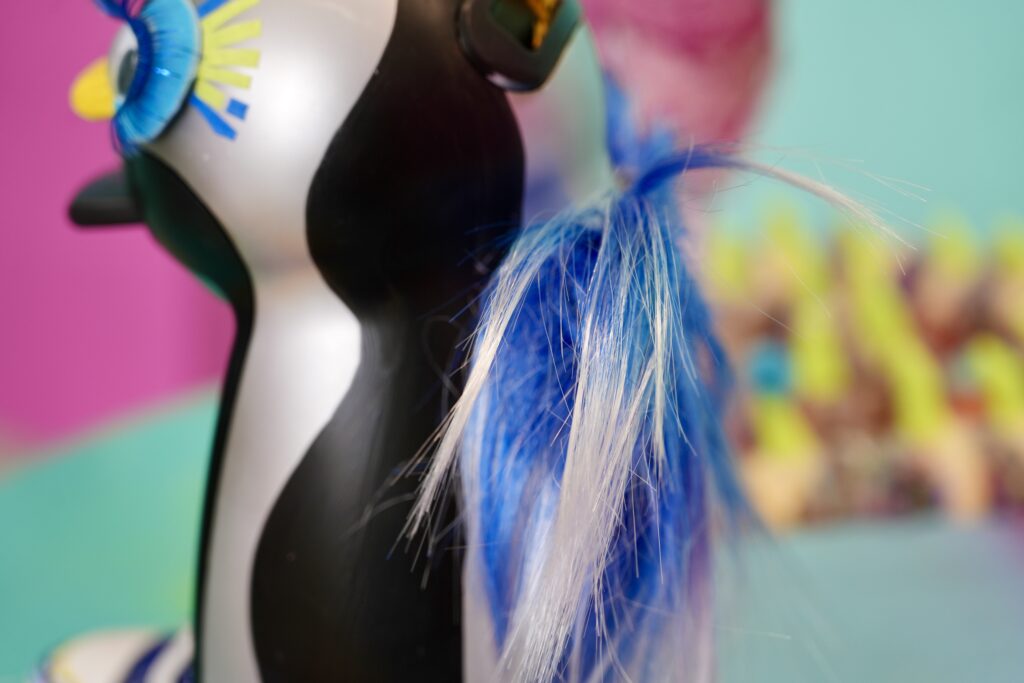
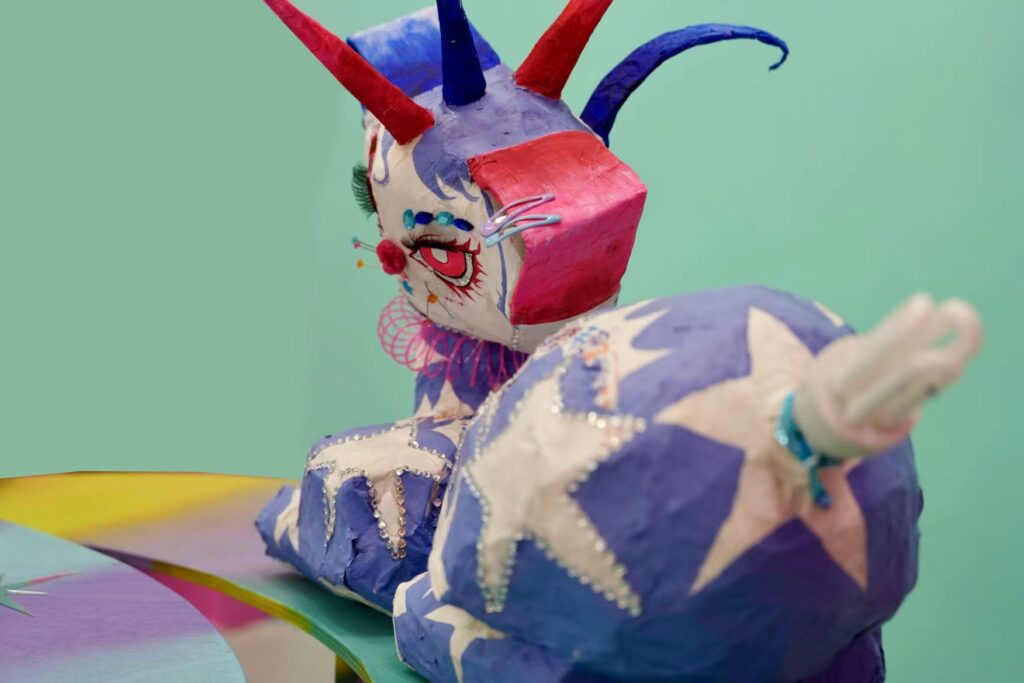
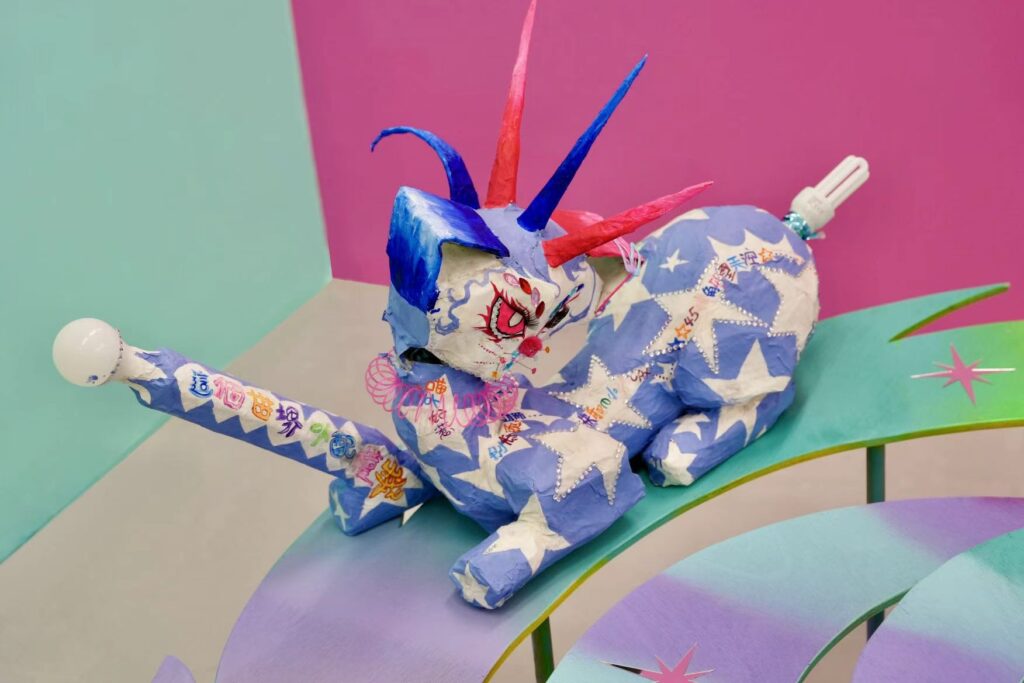
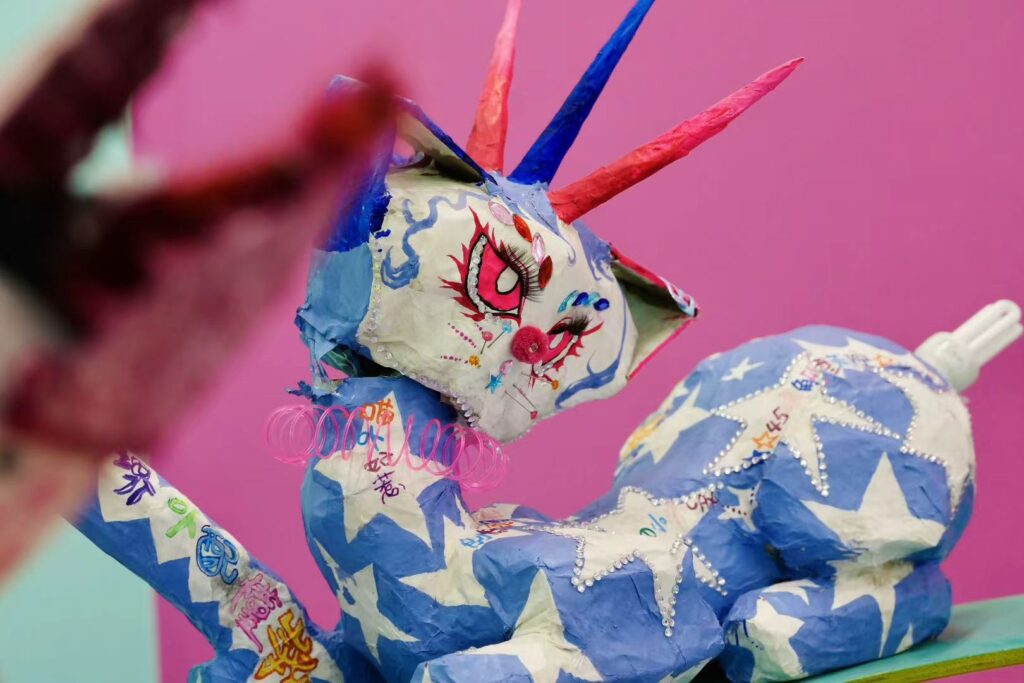
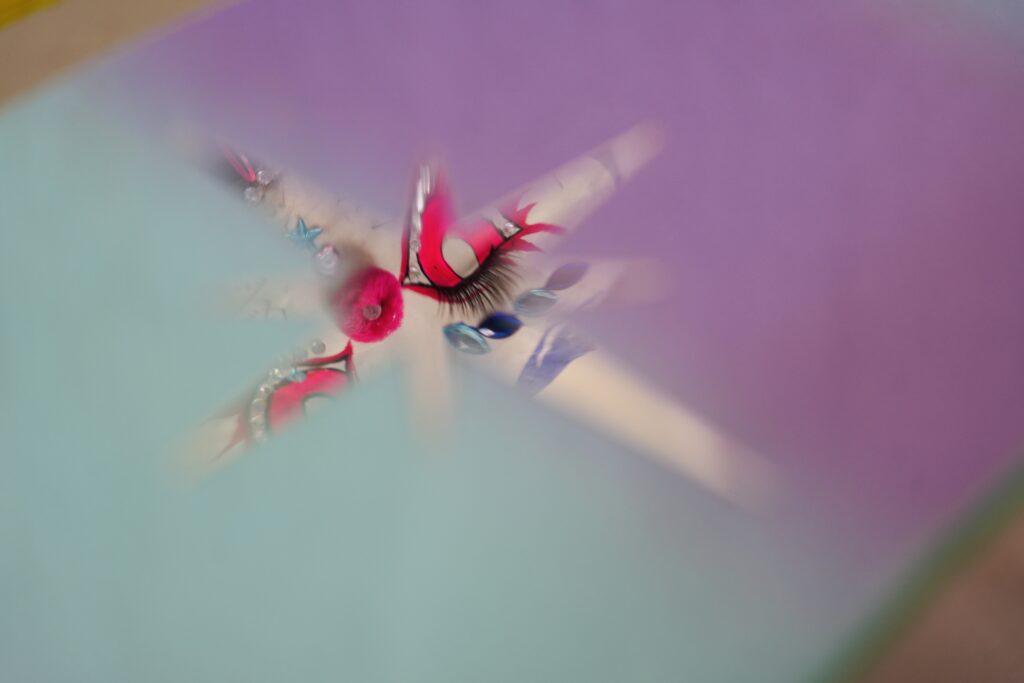
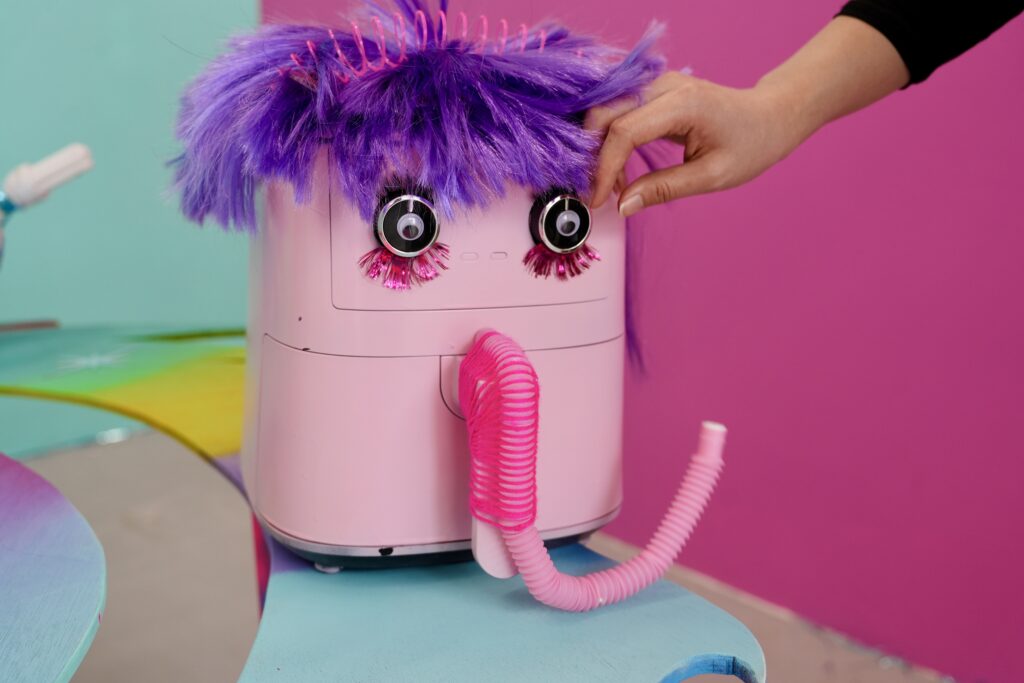
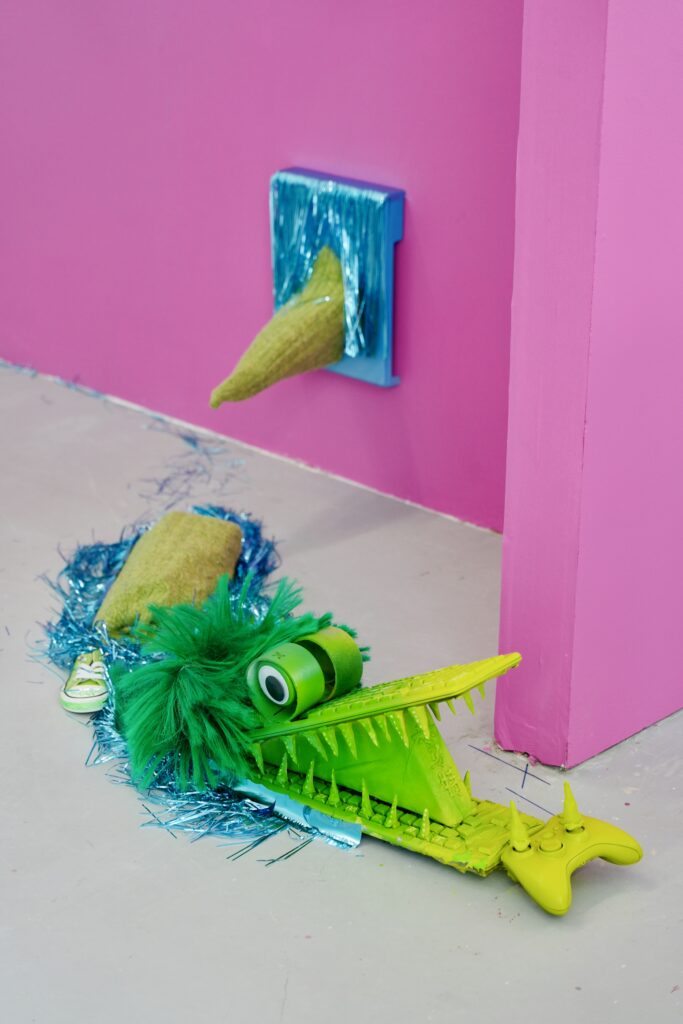
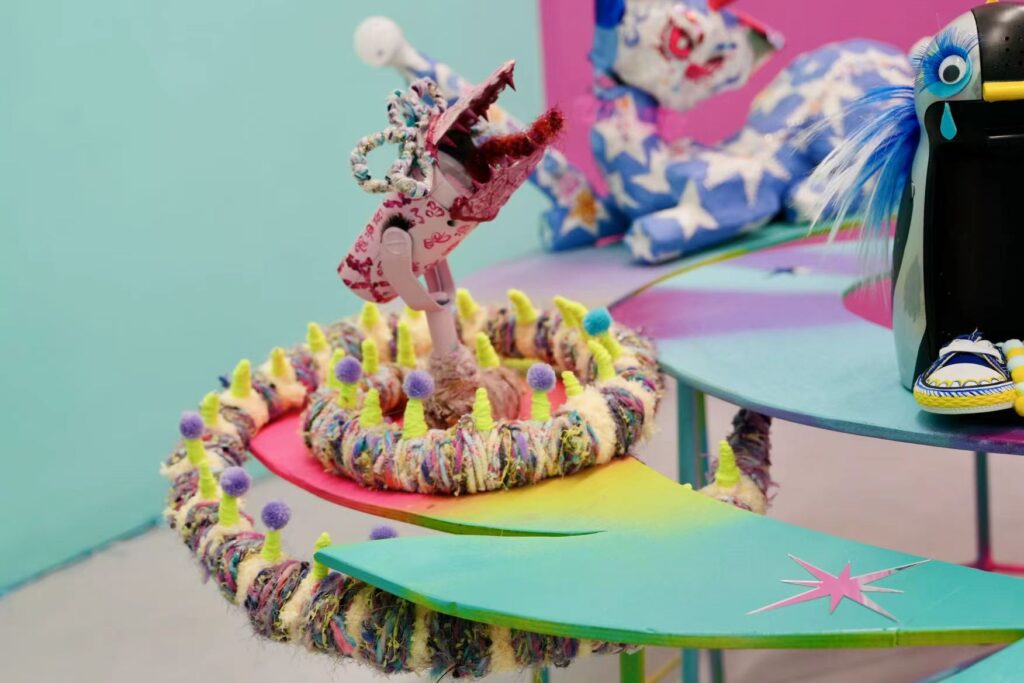
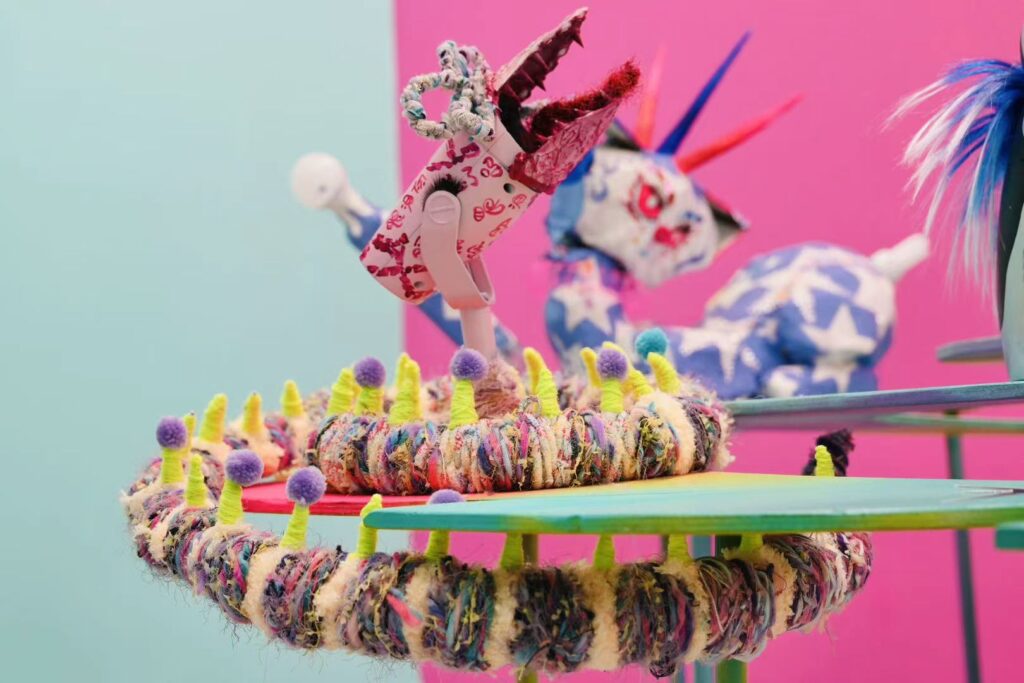
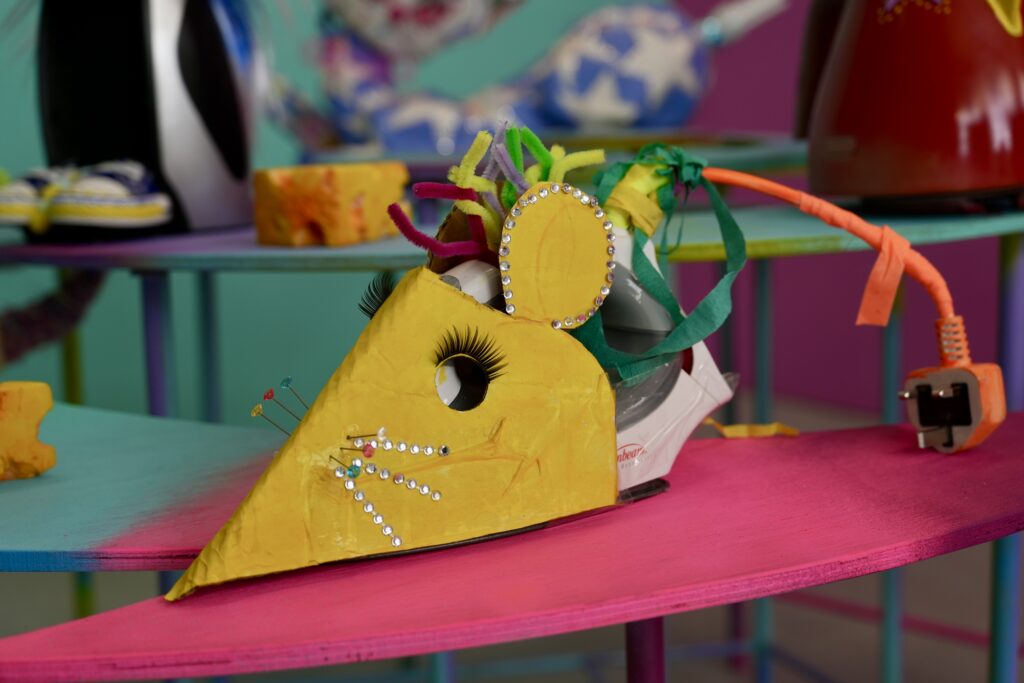
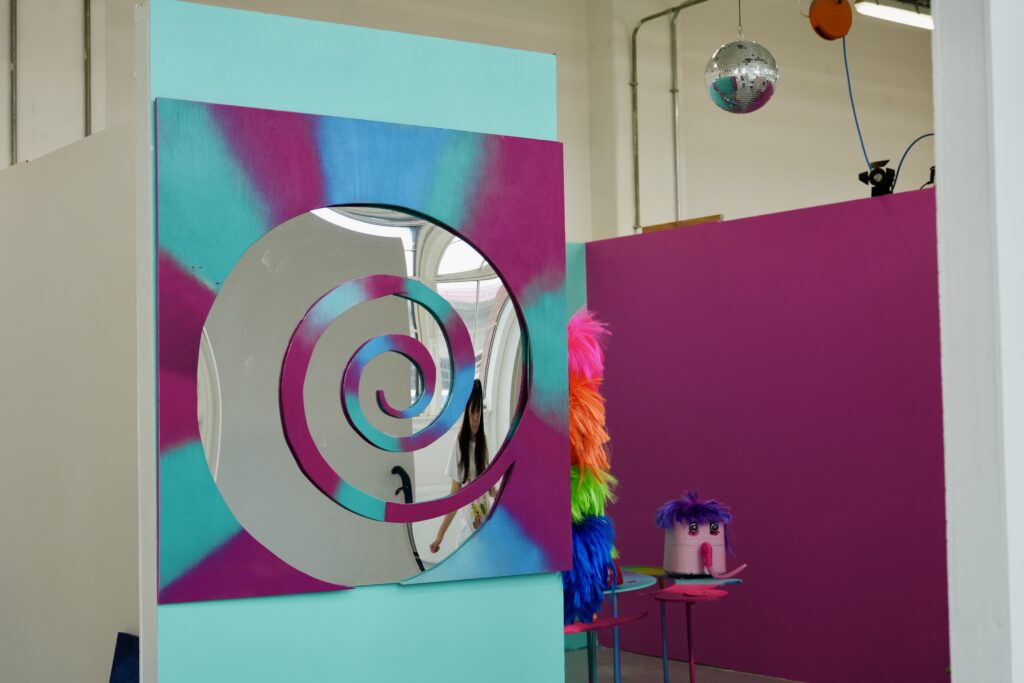
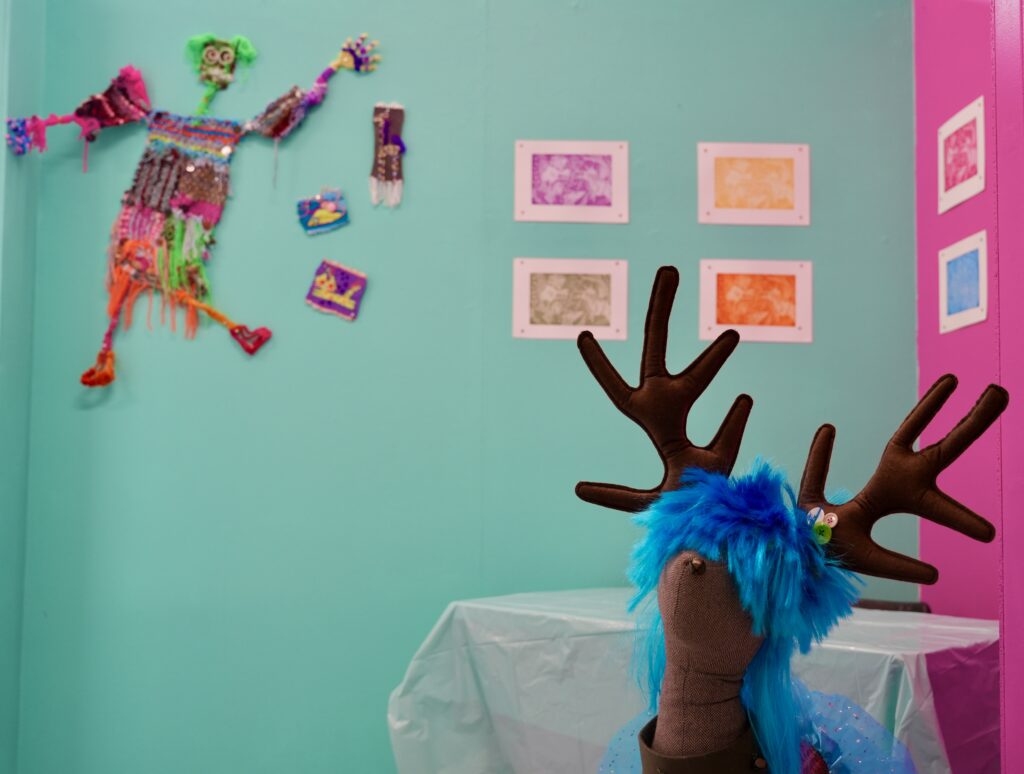
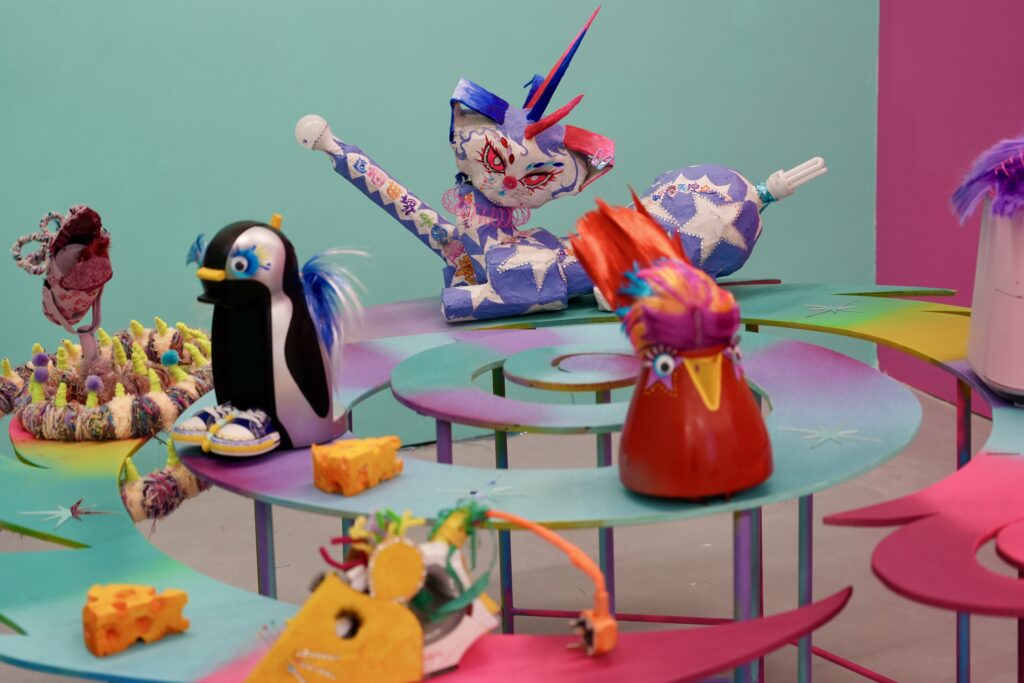
Her recent project, Smart Zoo, takes inspiration from China’s “Smart” (Shamate) subculture. Using the zoo as a metaphor for systems of looking, classification and consumption, the installation brings together a group of hybrid animal characters made from repurposed household objects and low-cost materials. Through an immersive and playful environment, the project considers the tension between being seen as a form of self-expression and being seen as a process of categorisation and consumption.
Smart Zoo
Smart Zoo is an immersive installation inspired by China’s “Smart” (Shamate) youth subculture. The project uses the zoo as a metaphor for systems of looking, classification and consumption, exploring how a subcultural identity can move from rebellion and self-expression into public visibility, cultural consumption and eventual assimilation.
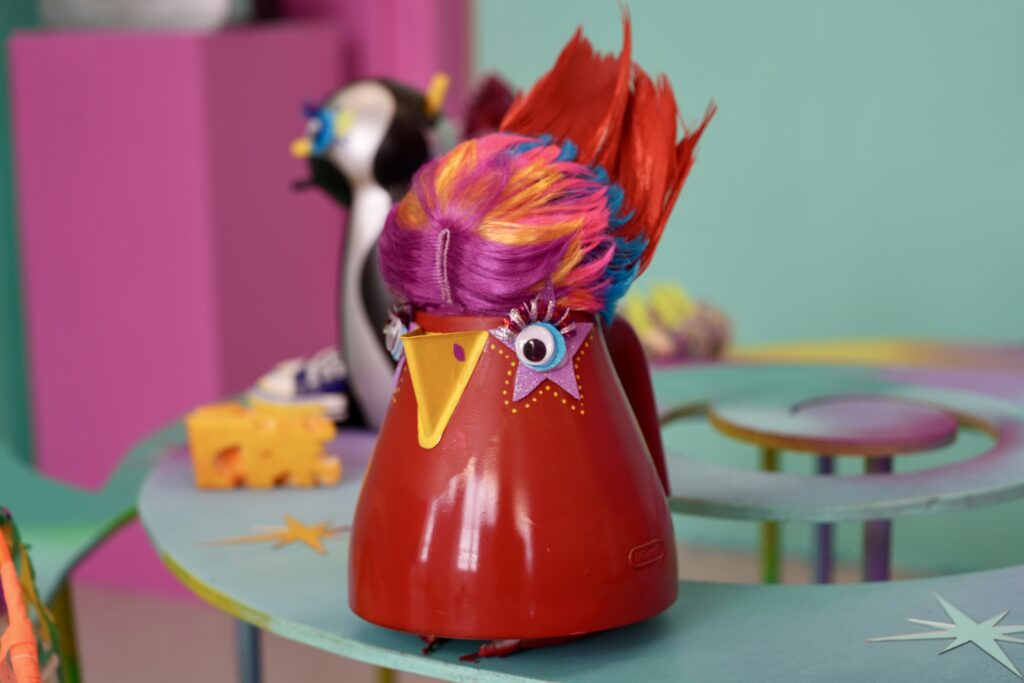
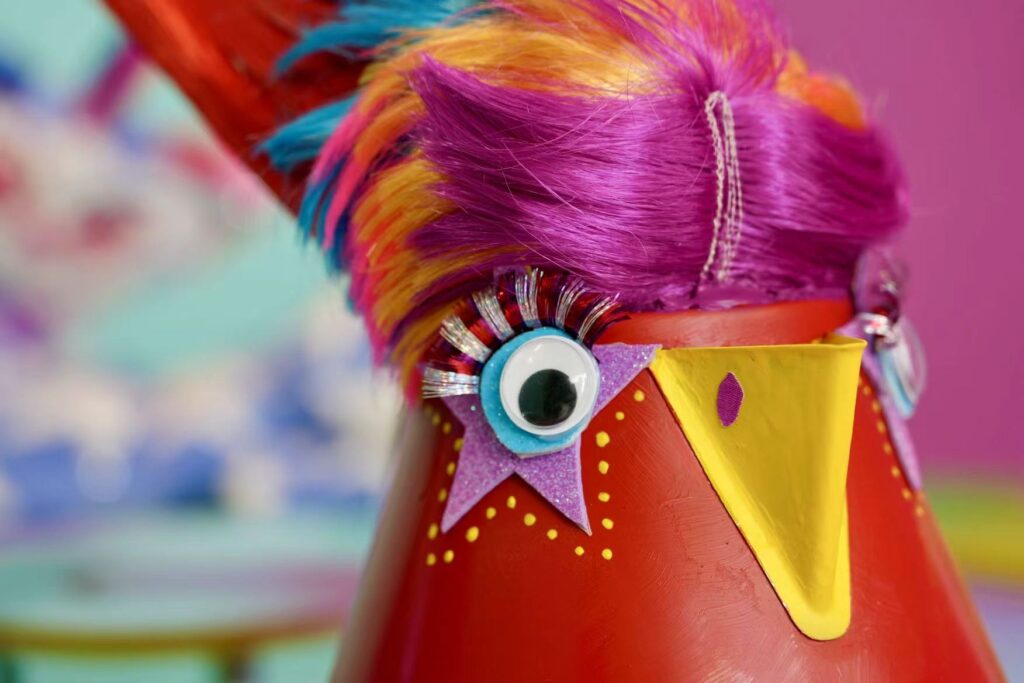
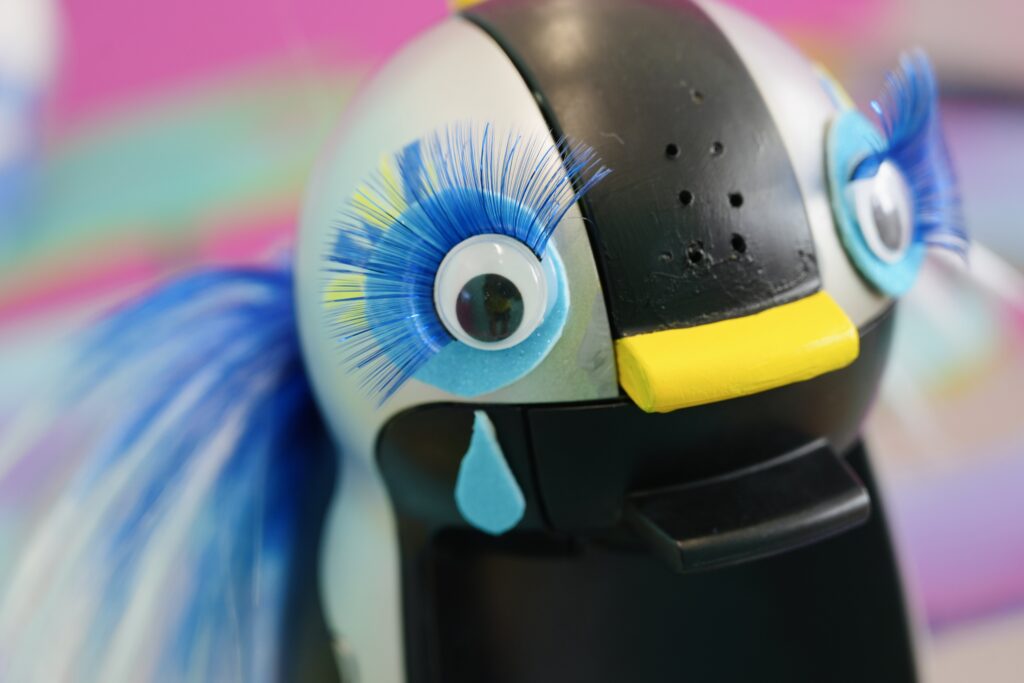
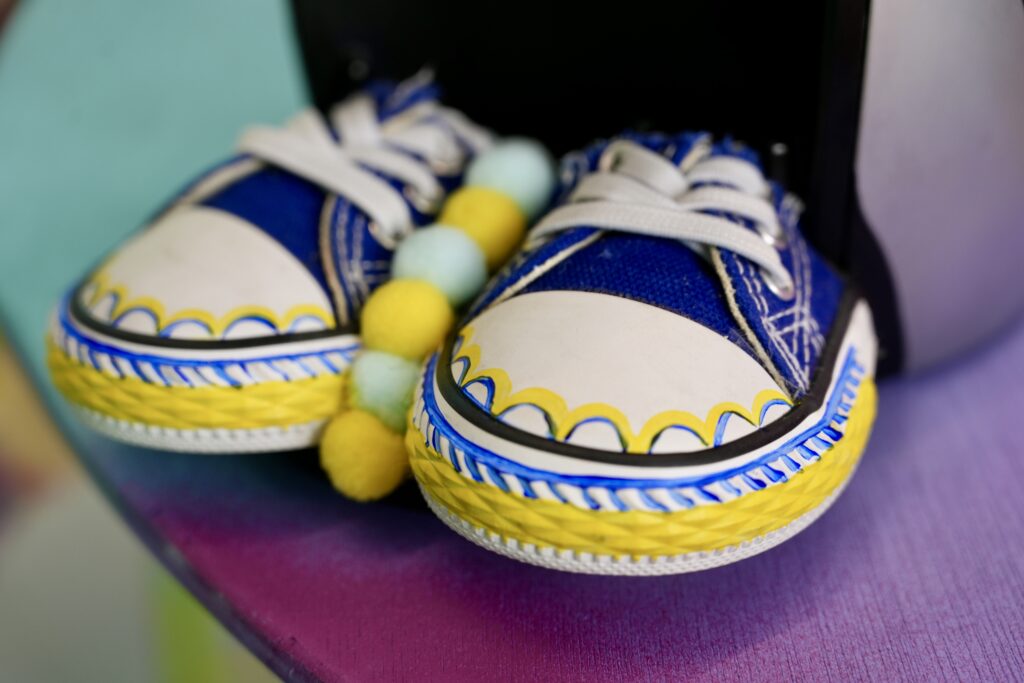
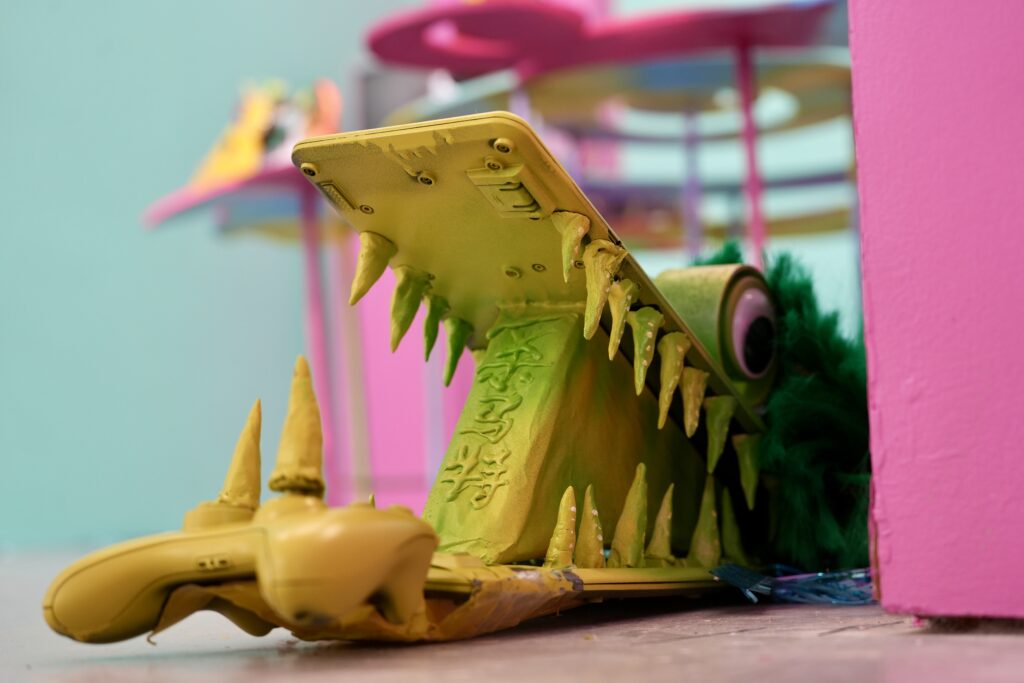
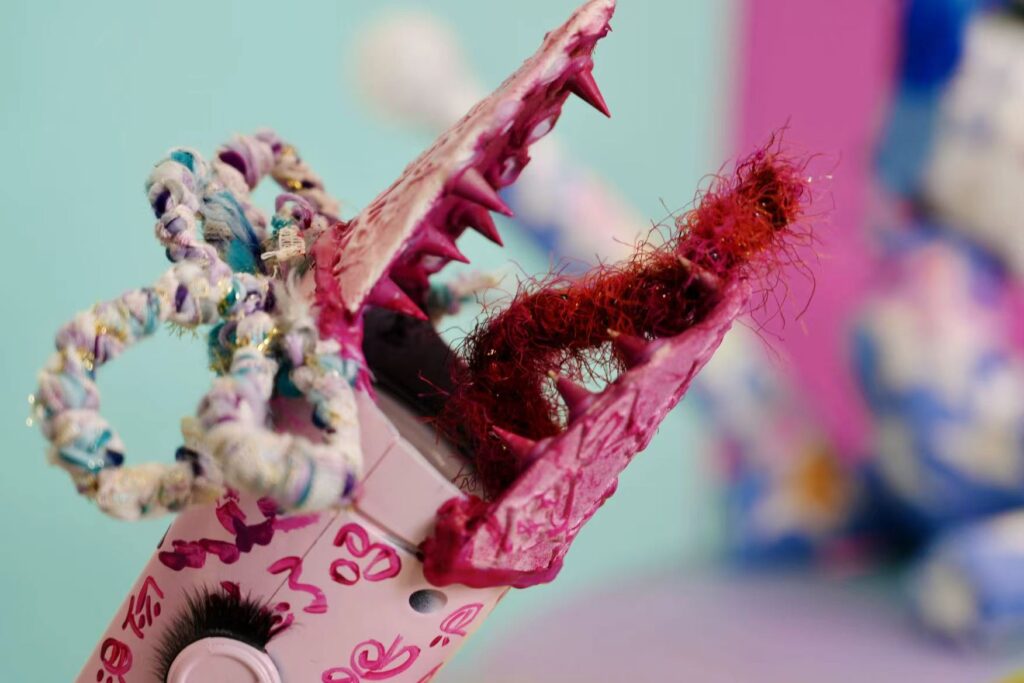
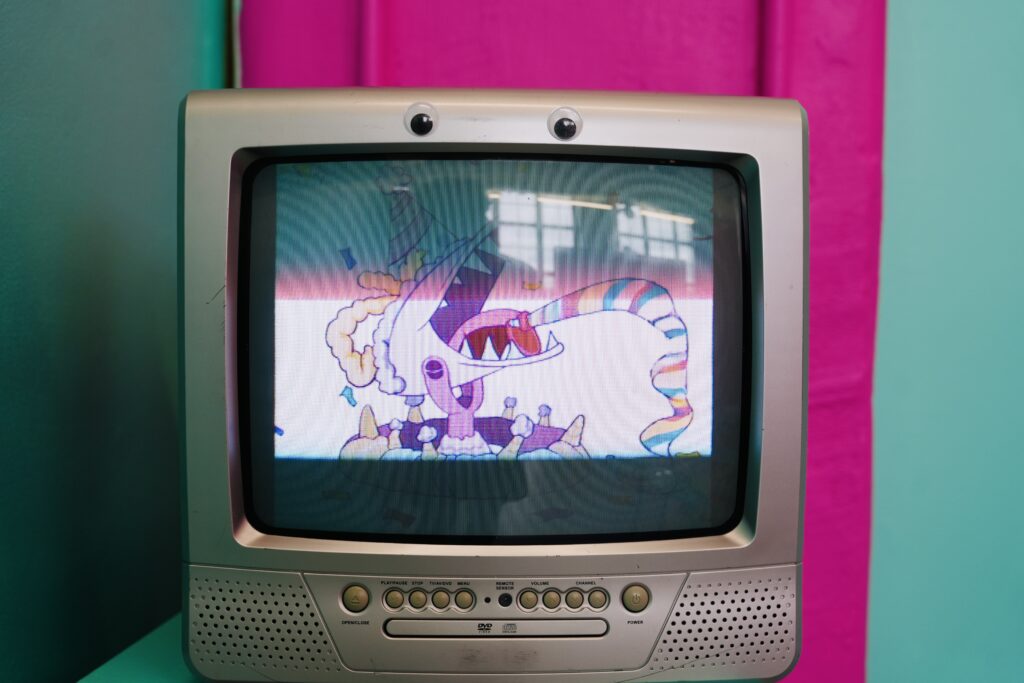
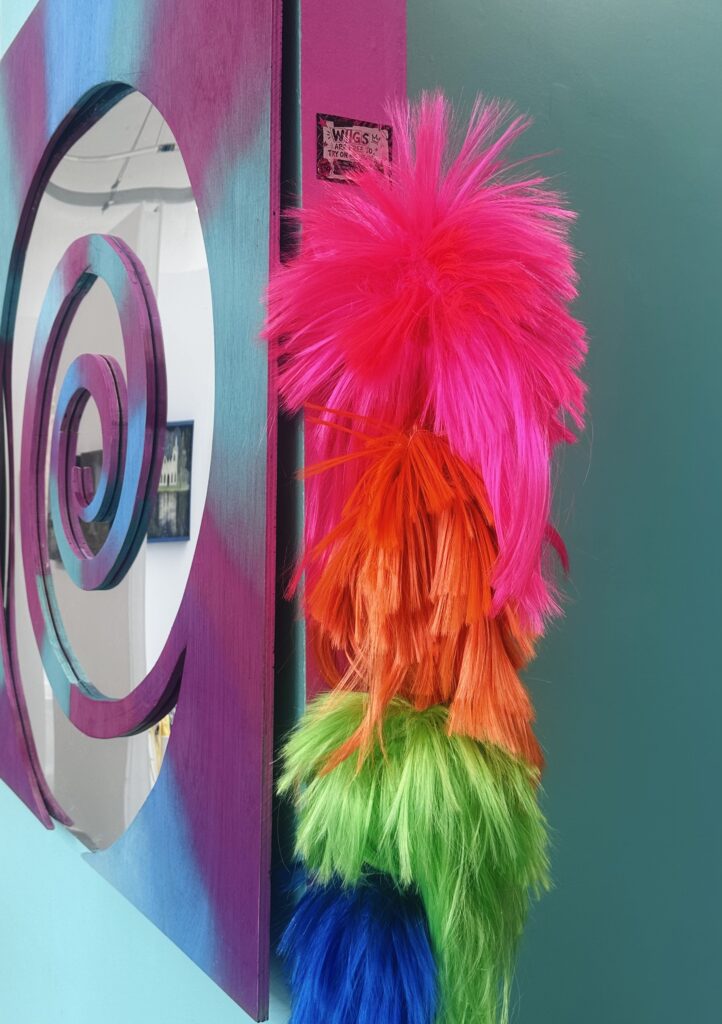
The installation brings together a group of hybrid animal characters made from repurposed household objects, discarded materials and low-cost DIY processes. Everyday appliances are transformed into unfamiliar creatures through handmade decoration, artificial hair, bright colours and exaggerated forms. These playful transformations reflect the visual language of Smart culture while also questioning how identities are constructed, displayed and interpreted by others.
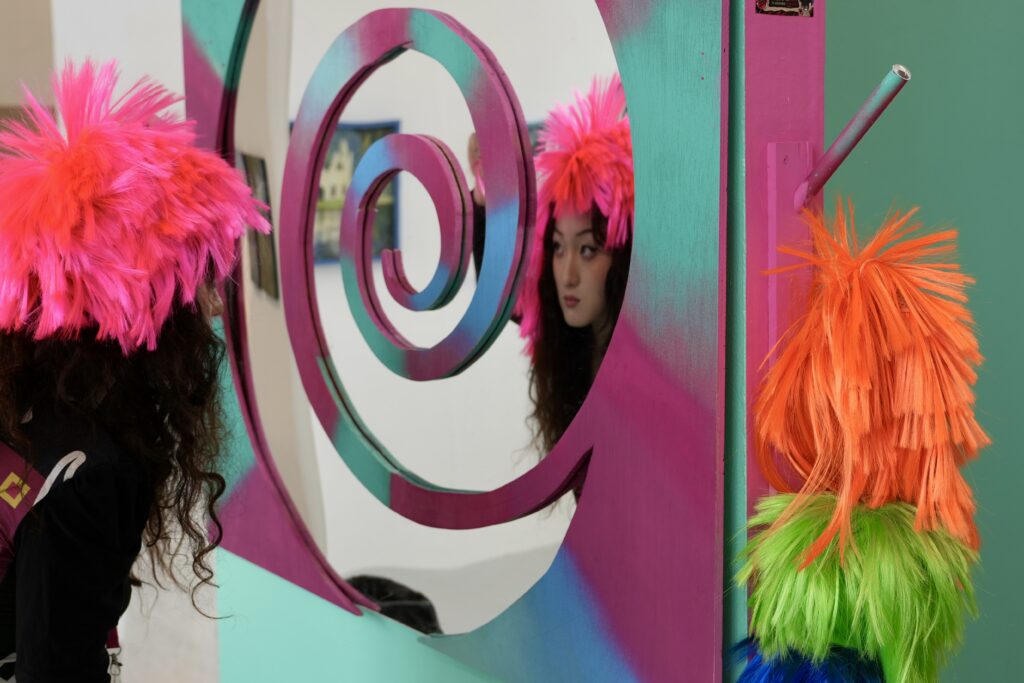
Sculpture, installation, moving image, sound and participatory elements are brought together to create an environment in which looking works in multiple directions. The animals are displayed as if they are being observed, but their exaggerated eyes and different orientations also suggest that they are looking back at the viewer. Through this tension, Smart Zoo considers visibility as both a form of self-expression and a process of categorisation, spectacle and consumption.