
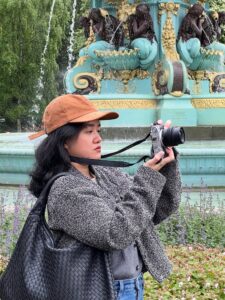
Maxine Merryll Panlilio
Architect from the Philippines with experience across adaptive reuse, institutional, and high-end residential interior projects of varying scales. My practice explores the relationships between people, the built environment, non-human entities, and the metaphysical. During my time at the Glasgow School of Art, I developed a particular interest in investigating and contributing to the evolving Filipino design language, drawing on intangible cultural heritage, including belief systems, social constructs, and everyday spatial practices.
Sacred, Spirits, and Spaces
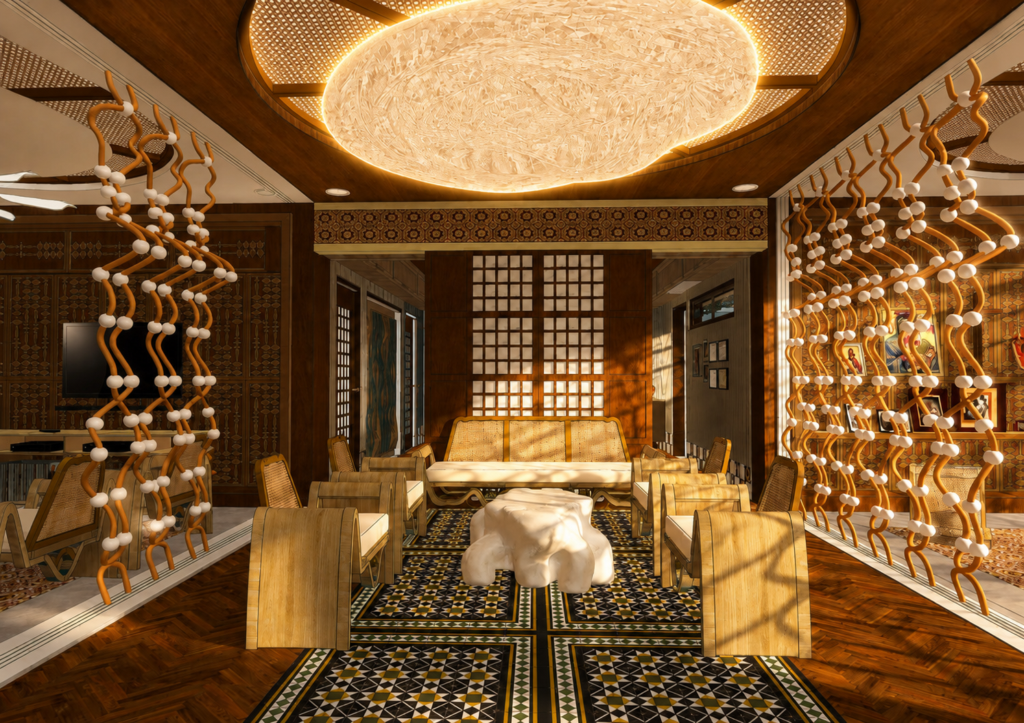
This body of work investigates how Filipino syncretic belief can serve as a method of epistemic disobedience in the decolonisation of domestic interiors in Metro Manila. It responds to the persistence of coloniality in Philippine design, where Western frameworks continue to shape standards of modernity while local cultural knowledge is often reduced to decorative representation (Cabalfin, 2020). Driven from Mignolo’s (2009) concept of epistemic disobedience, the study positions superstition, devotion, and inherited cultural practices as active sources of spatial knowledge.
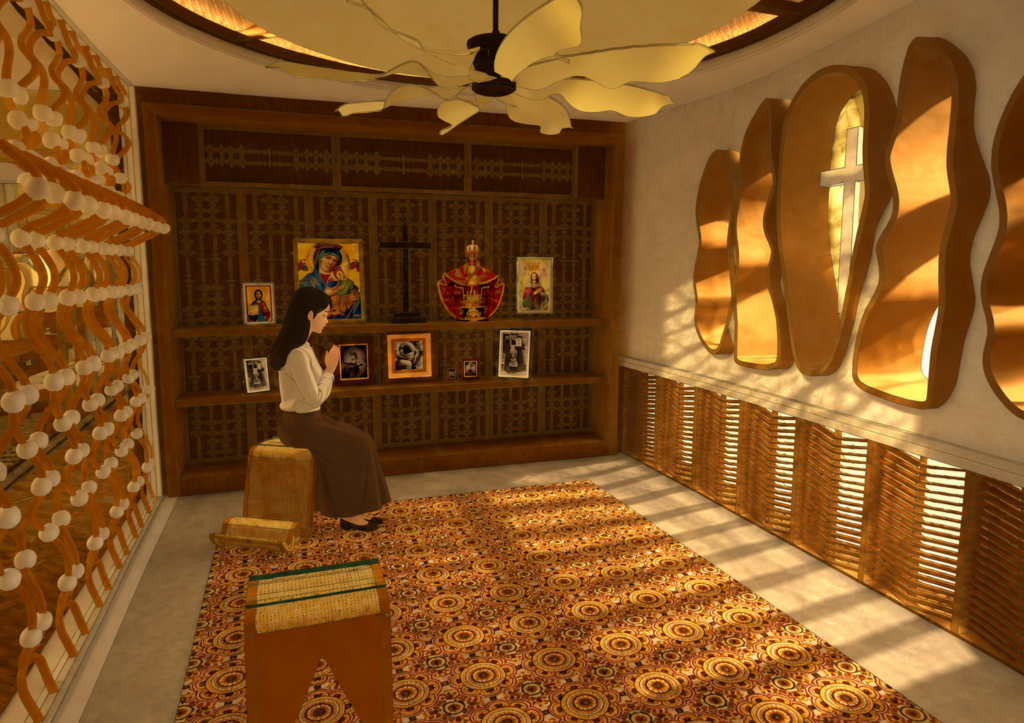
The research combines the documentation of Filipino building superstitions, autoethnographic mapping of a family home, and the computational deconstruction of Baybayin and selected cultural motifs. These findings are synthesised through a speculative domestic design focused on shared spaces that ultimately investigates how syncretic belief dictates orientation, adjacency, spatial mediation, objects, materials, and form. Syncretism is treated beyond the superficial relationship inhabitants have with it through objects, as it becomes materialised within a space.
The study demonstrates that Filipino domestic identity emerges through relationships among inhabitants, objects, beliefs, and space. As the dialogue between these elements becomes embedded within the home, it reveals a broader relational understanding that resonates with the Filipino concept of kapwa, or shared self, as discussed by Pe-Pua and Protacio-Marcelino (2000). By translating intangible cultural knowledge into tangible spatial consequences, the project challenges inherited hierarchies of design authority and re-centres the agency of Filipino culture by positioning Filipino syncretic belief as a legitimate source of design language and identity for Filipino contemporary interior design.
Introduction:
Beyond the comforts that a Filipino home can provide, it is a mirror of identity, shaped by the rich colonial history, the inherited ideals that proliferate in modern post-colonial culture, and the grappling with ancient indigenous practices, all of which define what a Filipino should be. Metro Manila, the country’s capital region, is the heart of it all. A trading and economic power in the indigenous period, and the seat of government during both the prominent colonial periods of Spain and the United States, Metro Manila has been the melting pot of regional, post-colonial, and international cultures. It then leaves the capital region in a state of confusion about how to identify Filipino culture and lifestyle.
The Spanish and American colonisation transformed Filipino identity in different ways. Spain institutionalised Christianity; however, indigenous beliefs were not completely eradicated. Through several translations and adaptations, beliefs concerning protection, fortune, prosperity, and sacred presence became entangled with Christian devotion, creating a form of syncretism that remains relevant today (Rafael, 1993). American rule introduced another cultural shift through “Benevolent Assimilation”, using education, hygiene, and planning as domestic reform to position the American lifestyle as a model of modernity (Anderson, 2006). These interventions affected not only architecture and interiors but also Filipinos’ understanding of refinement, aspiration, lifestyle, and cultural value.
Following post-war independence, architects sought to articulate a nationalist design identity. However, early efforts primarily translated vernacular forms (bahay kubo, capiz, rattan) into Western structural frameworks (Cabalfin, 2020). In contemporary Metro Manila, neoliberalization has exacerbated this tension. Filipino design becomes a superficial motif where high-end projects sought to have vernacular materials and even tropical design layouts while still using the foundation of western design styles like brutalism, international style, etc. making Philippine motif seem to be part of marketability for “authenticity” (Cabalfin, 2018) These precedents reveal an ongoing epistemic gap, Philippine interior design and architecture does not lack engagement with culture, but local knowledge is consistently treated as a decorative layer over western design styles rather than becoming the primary source for design knowledge.
This thesis approaches that tension through Aníbal Quijano’s (2000) concept of the coloniality of power and Walter Mignolo’s (2009) epistemic disobedience. Quijano identifies coloniality as a system that continues beyond formal colonial rule by maintaining hierarchies of knowledge and cultural authority. In the conversation on coloniality and the subsequent argument between postcoloniality and decolonisation stemming from Quijano’s concept, Mignolo then challenges the assumption that the Western framework provides the universal standard by which other forms of knowledge must be judged. In the case of the Philippine interior design, epistemic disobedience questions the inherited preference for Western design frameworks while also looking into cultural knowledge that has been marginalised throughout colonisation.
The research does not attempt to reconstruct an untouched precolonial Philippines. Centuries of colonisation permanently transformed Filipino religion, language, material culture, and domestic life, making the Filipino culture inseparable from its colonial past. The study, however, turns to syncretic belief because it records survival through change. Some indigenous beliefs persisted through its entanglement with Catholicism and later continued within American modernity and contemporary globalisation. Syncretism is thus treated not as cultural contamination, but as evidence of adaptation and continuity (Stewart and Shaw, 1994).
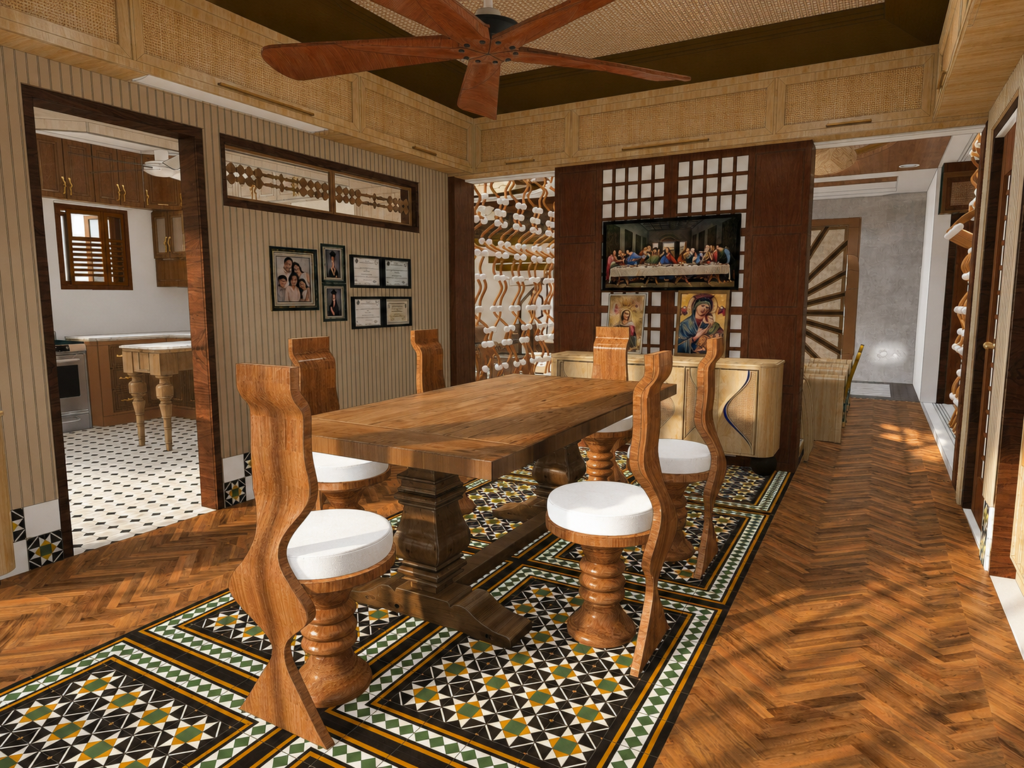
Within everyday domesticity, these beliefs actively structure space. Superstitions dictate thresholds, stair runs, and openings to regulate fortune, while household altars and devotional objects intersect with family heirlooms to establish relational networks of protection and memory. Whether consciously or subconsciously observed, these practices alter layouts that were otherwise designed for pure efficiency.
The thesis argues that Filipino syncretic belief can operate as a method of epistemic disobedience by positioning superstition, ritual, and Indigenous-derived spatial logics as active design parameters. Rather than applying identity to the surface of a building, this research allows syncretic relationships to generate spatial adjacencies, orientation, thresholds, and form, testing how cultural knowledge can regain spatial agency in the contemporary Filipino home.
The design is inspired from the words makasama (together), Panginoon (God), and Pananampalataya (Faith)
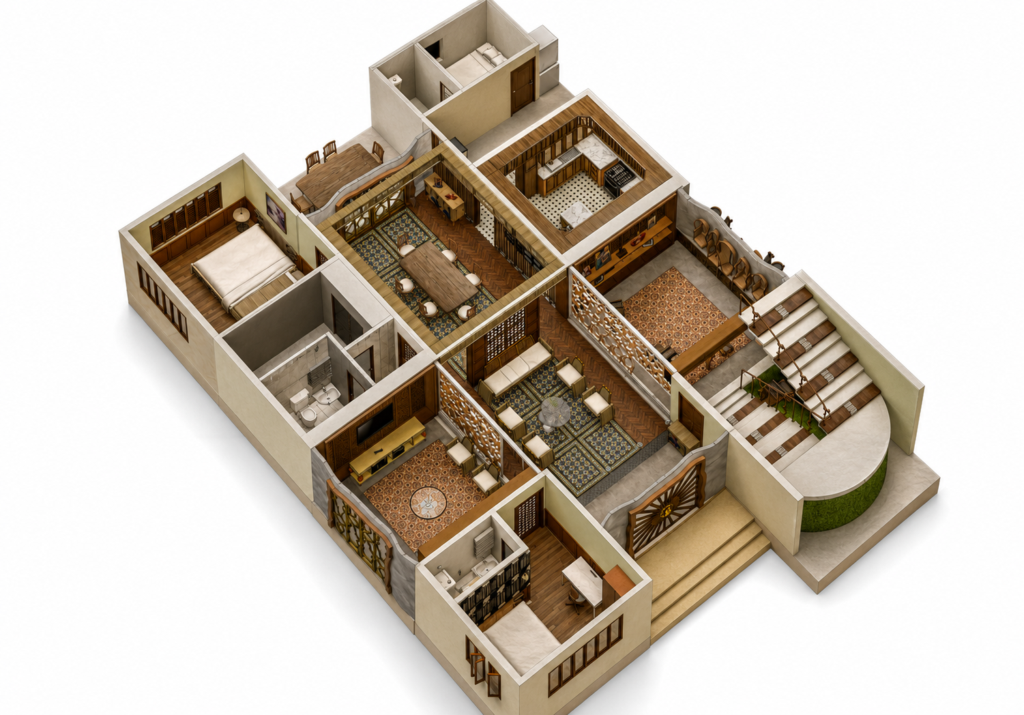
Isometric view of the home's ground floor level focused on the shared spaces.
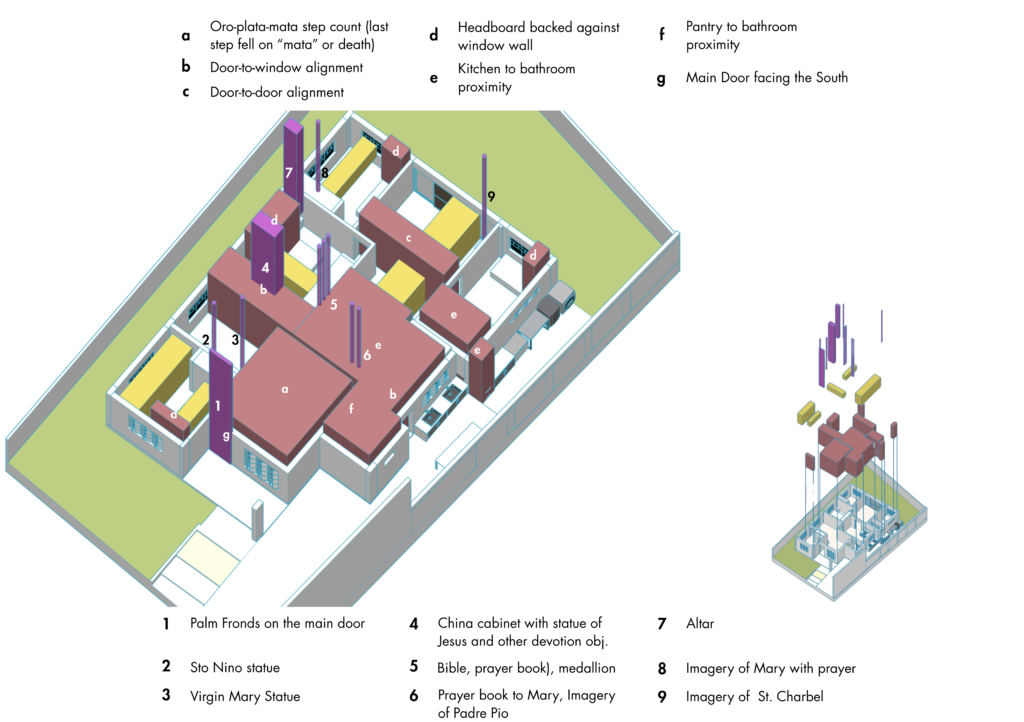
Authoethnographic mapping of a home in Metro Manila reflecting how violated Filipino building superstitions interact with the placement of devotional objects.
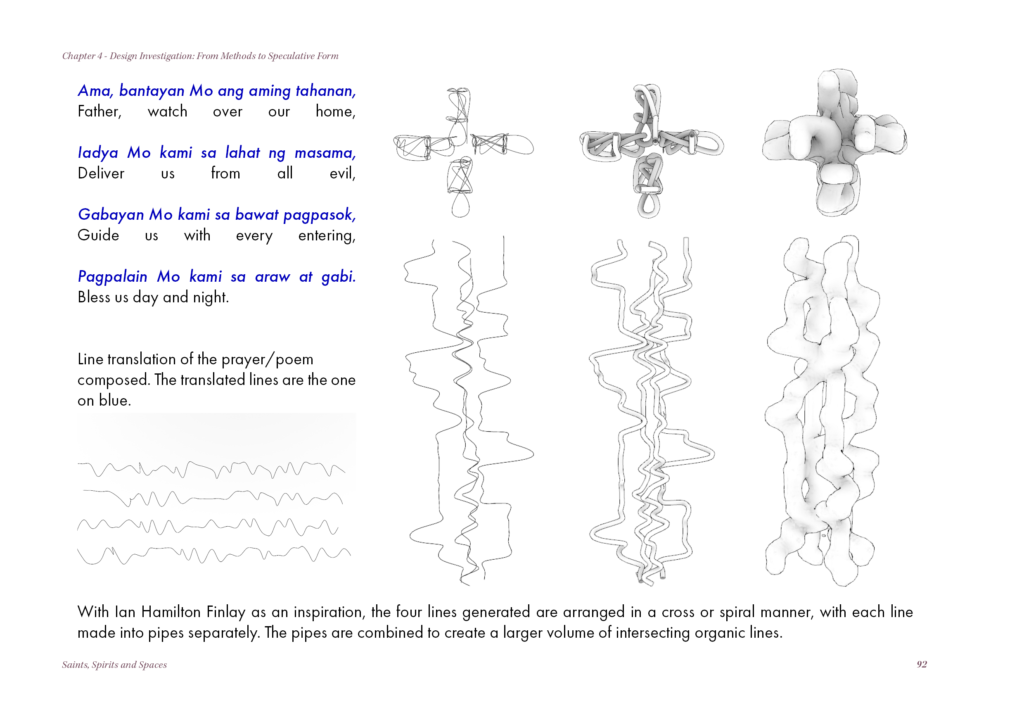
Deconstructing Precolonial Filipino Script and Motif into 3d lines as a starting point of design. The lines became the design language that embodies the concept of Filipino Syncretic Belief.
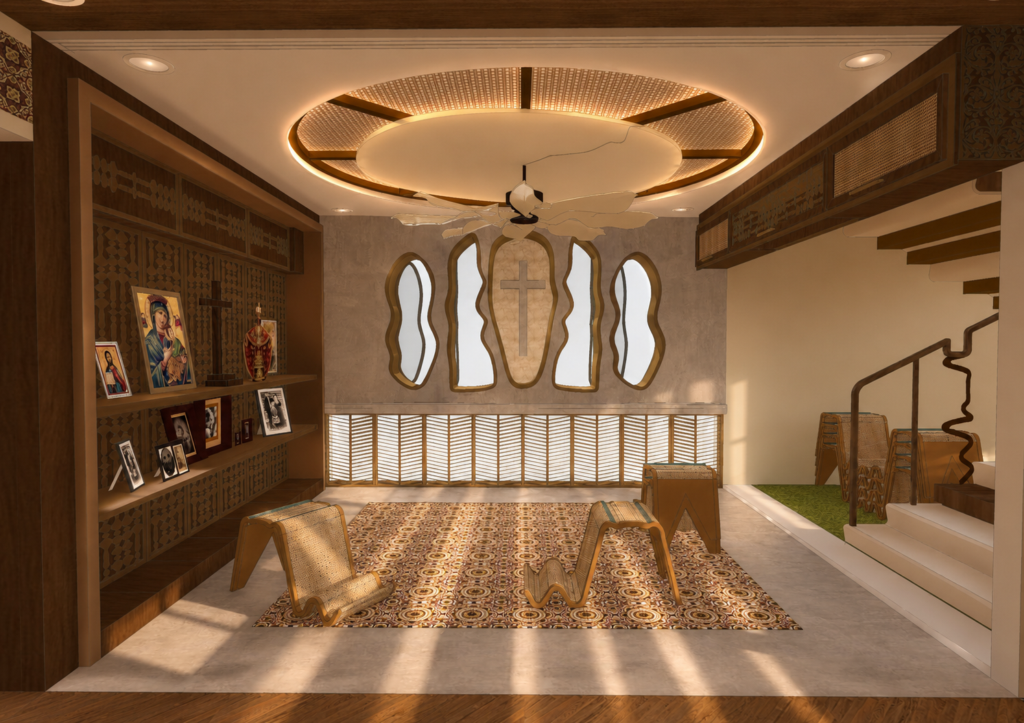
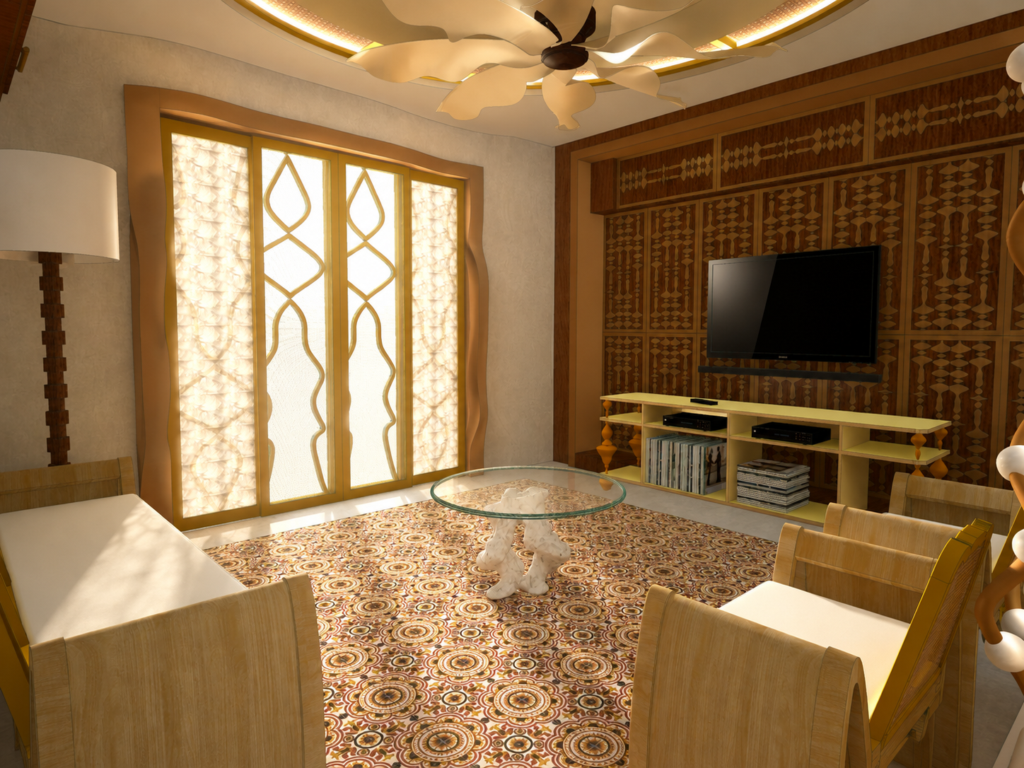
The design is inspired from the names of Tagalog precolonial gods, Lakapati and Mapulon

bedroom door handle design derived from the tagalog word, "pananggalang" or shield in English
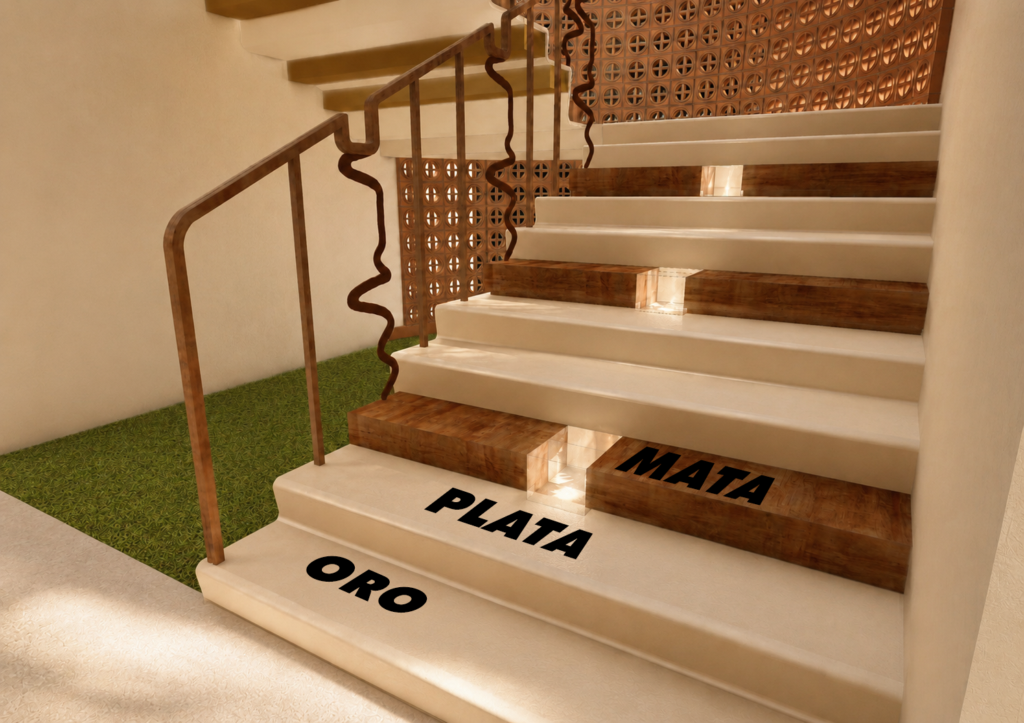
The stairs is one, if not the most volatile spaces within Filipino superstition with the Oro-Plata-Mata sequence which means Gold- Silver-Death. Houses should avoid having any stair landing ending at Mata as it brings bad luck to the family.

Inspired from the abstraction of the name, Lakapati, Filipino Tagalog Precolonial goddess for Harvest
Garden at Stasis
Our relationship with plants has long been one-sided; humans control how they are grown, used, and altered, always assuming they lack intelligence or agency. In Dark Ecology, Timothy Morton (2016) challenges this bias, exposing how agricultural systems reduce plants to passive resources. Yet thinkers like James Bridle argue that plants can sense, adapt, communicate, and act, just not in the same way as humans.
This project speculates on a future where plants evolve, reshaping ecosystems on their own terms. It imagines a plant world not dictated by humans but by plant growth, behaviour, and survival. Through an interactive application, humans are forced to confront plant temporality and fragility.
Callous human activities cause plants to transform into biological statues, revealing their devastating ability to halt the ecosystem.
Human bias toward plants does not stem solely from domination or utility, but from a deeper mismatch with temporal reality. We struggle to recognize plant intelligence because they operate in a timescale hugely different from our own. What appears inert or passive is often too slow for our perception to register.
In Hyperobjects, Timothy Morton (2013) introduces a more diverse concept of intelligence as ecological, an interaction across time and space rather than solely based on human cognition. It is a form of coexistence between humans and nonhumans in which time serves as a critical lens that bridges the two.
This is evident in Bleached by Erez Nevi Pana, where it initially functions as a call to action about our mineral consumption and its ecological damage to the Dead Sea. The project allows the sea to transform the furniture through a five-year salt-crystallization process that ultimately reveals the interaction and coexistence of two nonhumans, amplified by time.
With time as a crucial ingredient, the Dead Sea becomes a hyperobject that transcends time and space, where each year of the furniture’s submersion reveals differences in crystal formation until the five-year mark. It reflects Tim Ingold’s (2007) view of materiality, where the properties of materials are not just physical attributes but stories and histories manifested over time.
As Schlanger (2024) notes, plants, for example, have sensory and temporal realities different from those of humans, and measuring them through human cognition will lead us to perceive them as inferior. A single plant may not be a hyperobject, but it exists within larger systems such as the ecosystem or the biosphere. These systems dwarf human timelines, much as climate change, nuclear materials, and plastic do, all of which exceed our ability to fully perceive or control.
Building on the narrative of plants evolving into “biological statues” as a defense against extreme environments and human activity, I chose to focus on the temporal gap between human and plant realities. The project started with multiple design iterations of planter systems that reveal conflicts between human interaction and plant sensitivity, mainly because I am still operating within a human-centred approach to design rather than looking deeper into the overall health and lifecycle of the plants. Early concepts of the planters tend to prioritise the blooms, which are visible to the human eye, rather than focusing on helping the plants grow by accommodating their needs for water, light, and a healthy root system, given their projected fragility in the future. This is also true of the digital archive, where early experiments were visually interesting but did not fully embody plant sentience.
Ultimately, the project aims to reframe our relationship with plants by foregrounding plant responses to human activity, which can be adaptive and, most of the time, defensive behaviours that can reshape our understanding of nature, with plants as the active agents.
In a speculative future, plants turn to biological statues when they are disturbed or feel threatened with human activity. The video shows a comparison of how human activity, in a form of sound, affects the reaction time of plants in the future before they turn into statues. Audioreactive model made with Touchdesigner
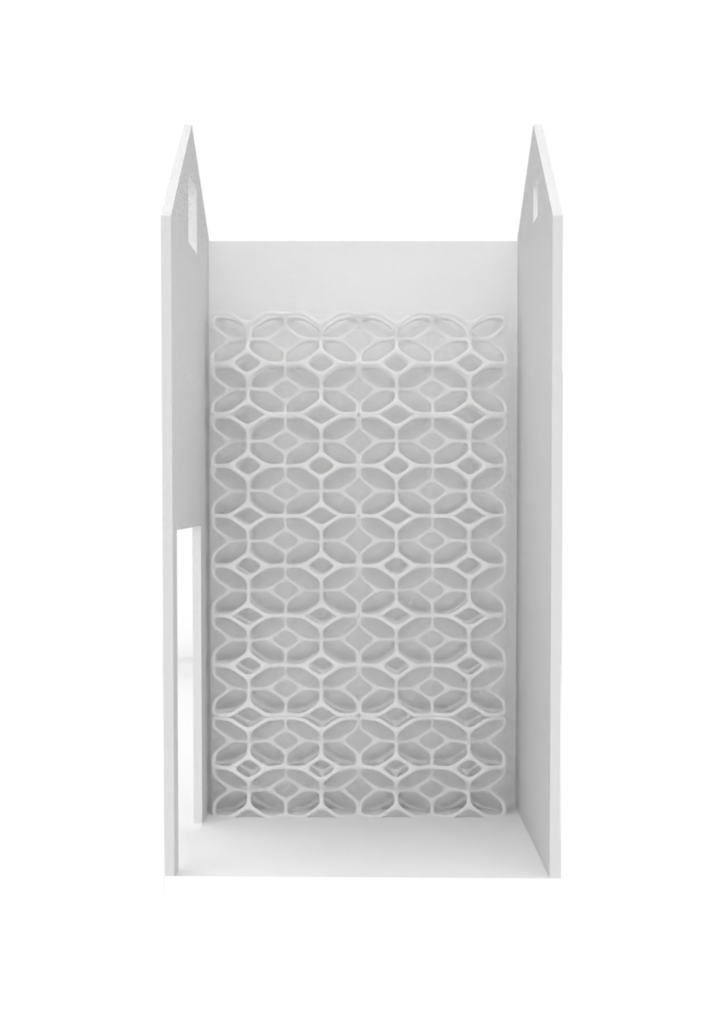
For the first design iteration, I was looking at creating lattices that themselves are structurally sound and will allow for a more organic planting system in the docoot,
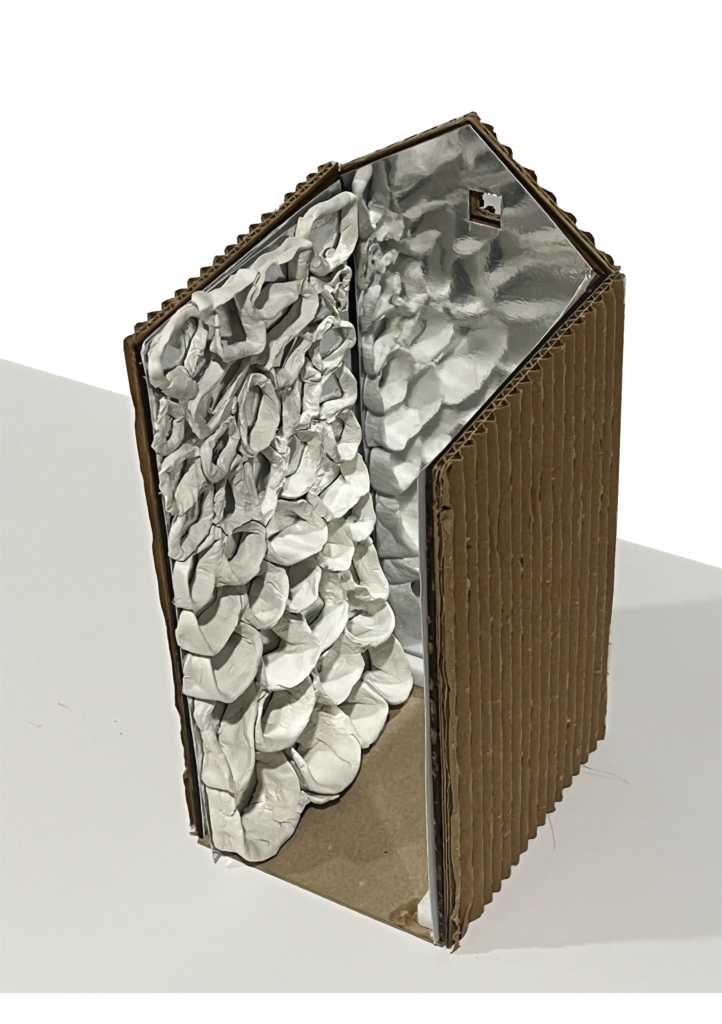
However, both design versions 1 and 2 create a huge planting network that will make the interior of the docoot too cramped and might even not maximize the space to grow multitude of plants. The design also does not allow other requirements like watering, lighting, and proper access within planters for maintenance.
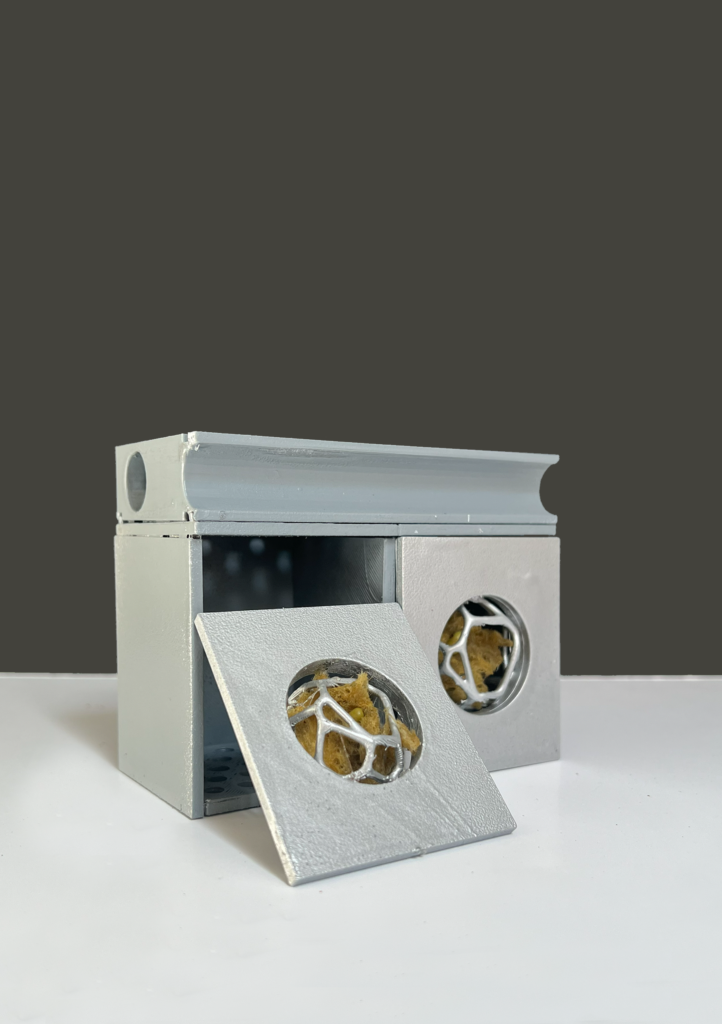
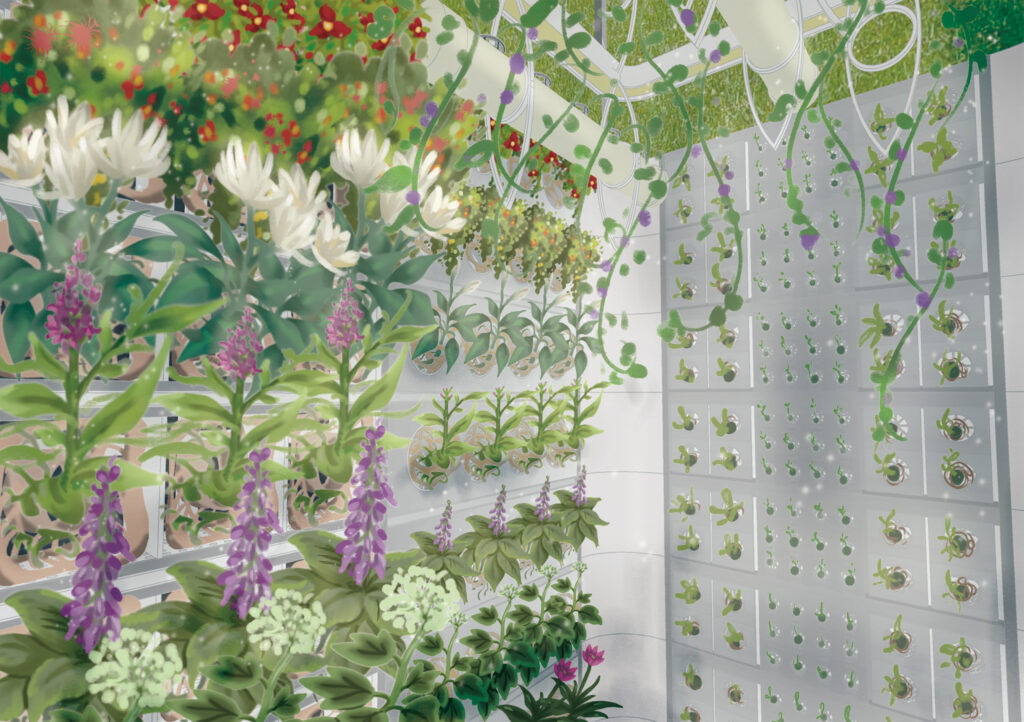
Planter final design for germinating stage (0–3 months)
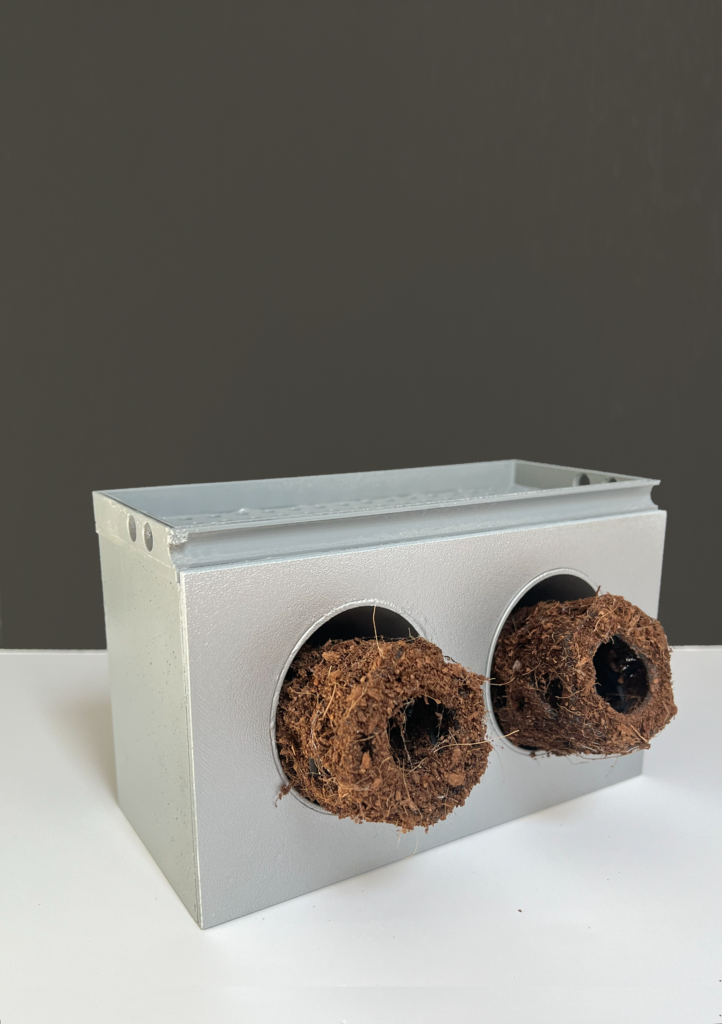
Planter Final design for rooting Stage (3 mos - 1 year and 6 mos)
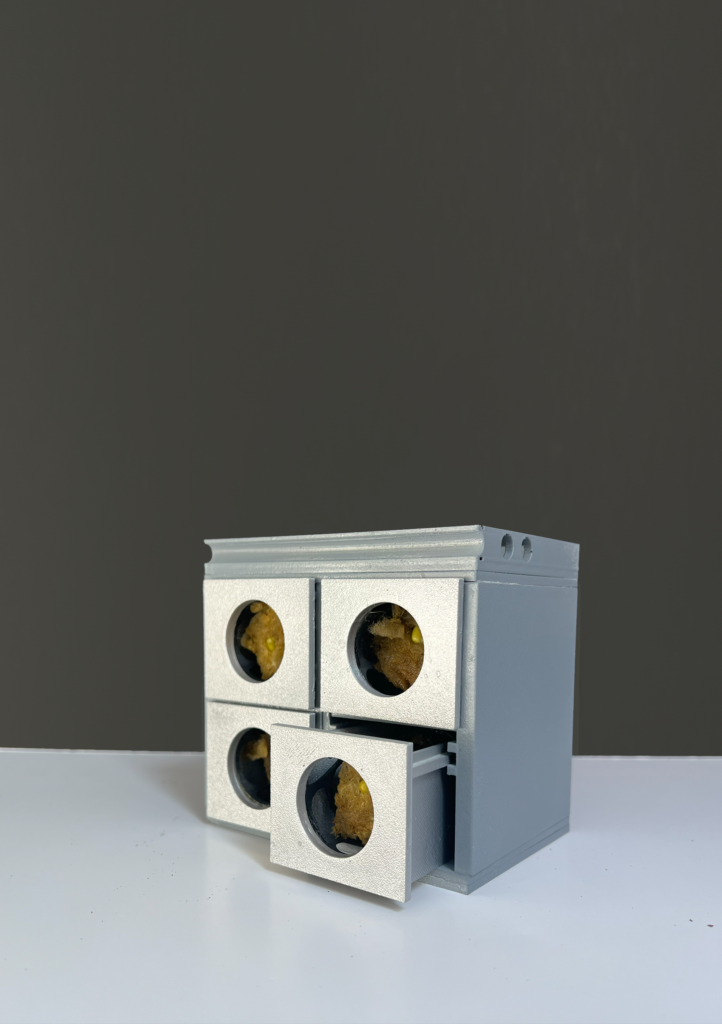
Planter final design for Growth Stage (1 year 6 mos - 3 years)
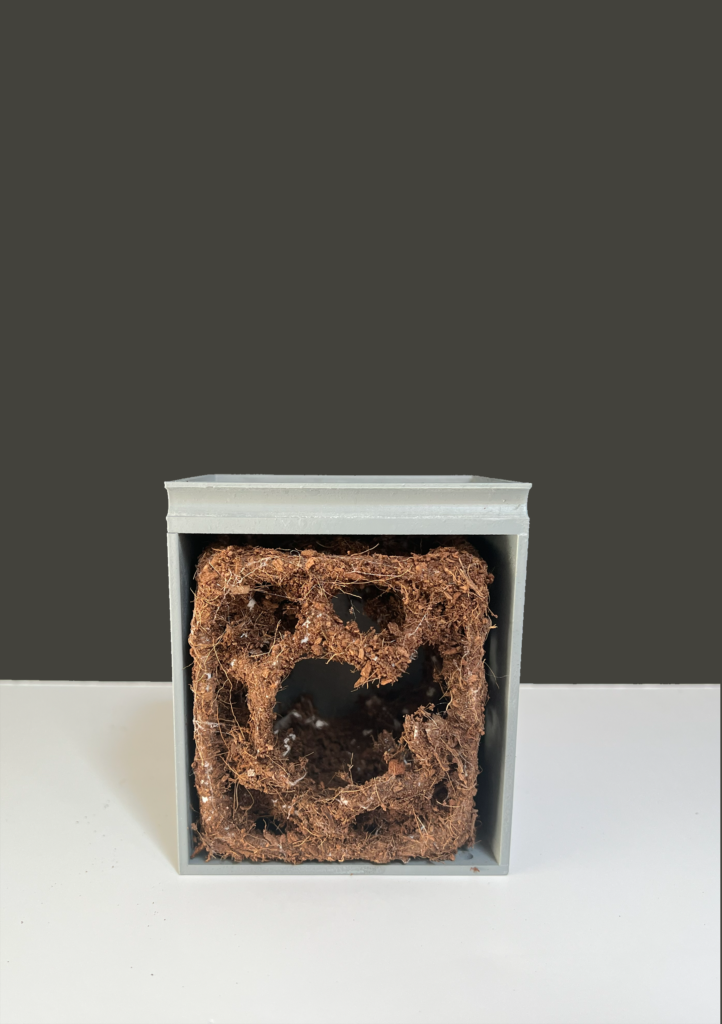
Planter final design for mature Stage (3 years - 7 years)
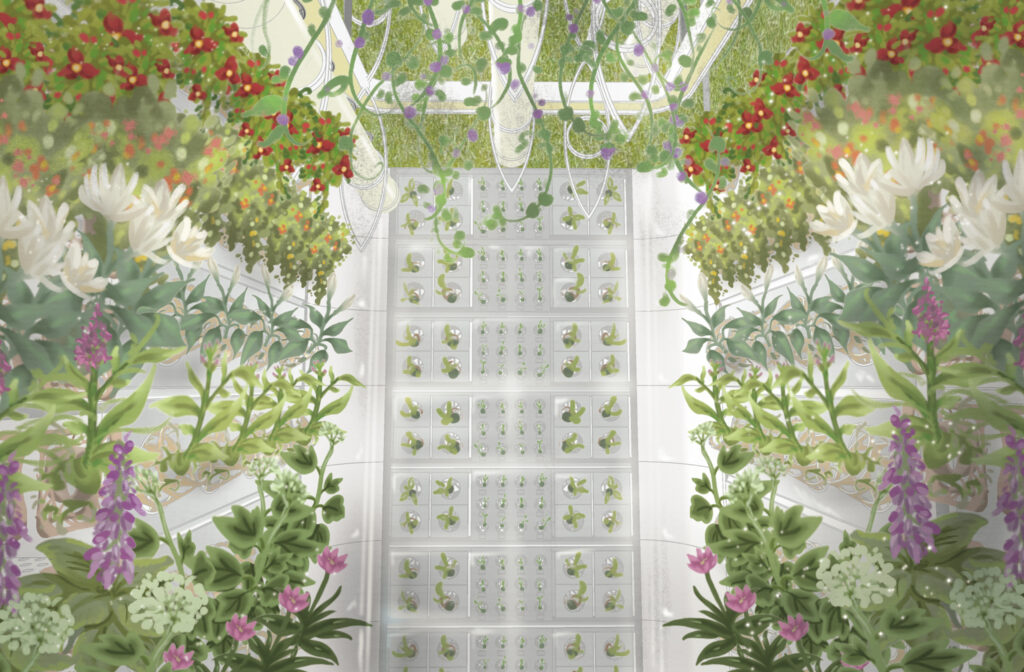
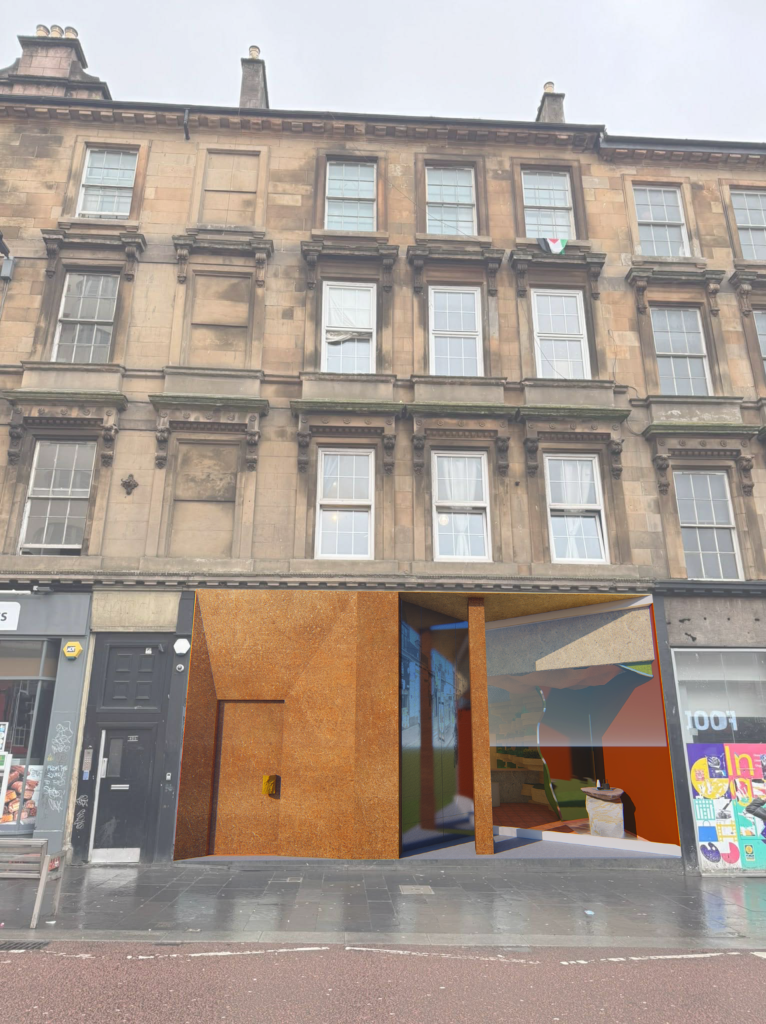
Fragrance of Memory – A Tea Tasting Room at Unit 407, Sauchiehall Street
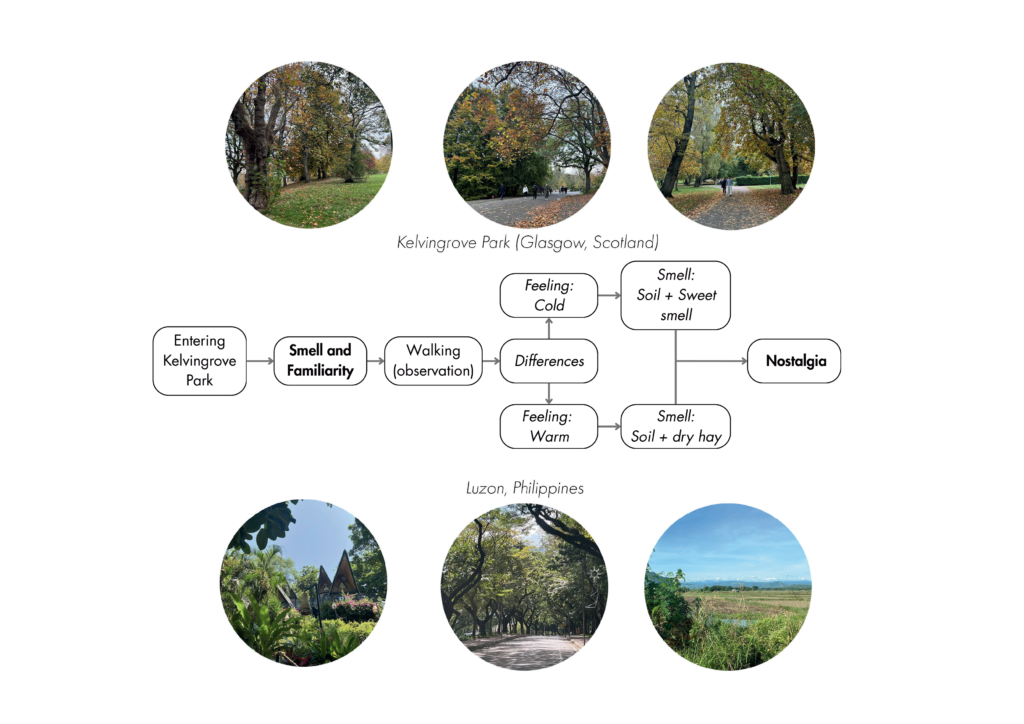
The project becomes a juxtaposition between a sea of nightclubs and pubs along Sauchiehall Street. It reframes entertainment as a refuge, allowing for reflective nostalgia as a way for mental restoration. It revolves around Proust’s idea of nostalgia and shattered memories as a grounding appreciation of life, Kaplan’s restoration theory, and Fincham’s and Debord’s idea of agency and spectacle, respectively.
The tea tasting room explores whether slowness and restoration can become legitimate forms of entertainment along Sauchiehall Street. “Fragrance of Memory” anchors scent as an architectural driver, challenging the street’s dominating visual and auditory stimuli. The design aimed to support ideas of soft fascinations to visualize spectacle and escapism. The scent mapping and the sensorial visits strengthen the connection between the site and the street through actualizing sensory experiences. However, the project revealed challenges, mainly in visualizing scent, as it can be subjective and temporary, and in showing the spectacle and relaxation side by side.
Ultimately, the project showcased an aspect of entertainment that is quiet and reflective, requiring attentiveness rather than intensity. The challenges encountered can be avenues for exploration. Finally, “Fragrance of Memory” explores entertainment not only as a destination but also as a presence, a refuge, and a personal connection for everyone.
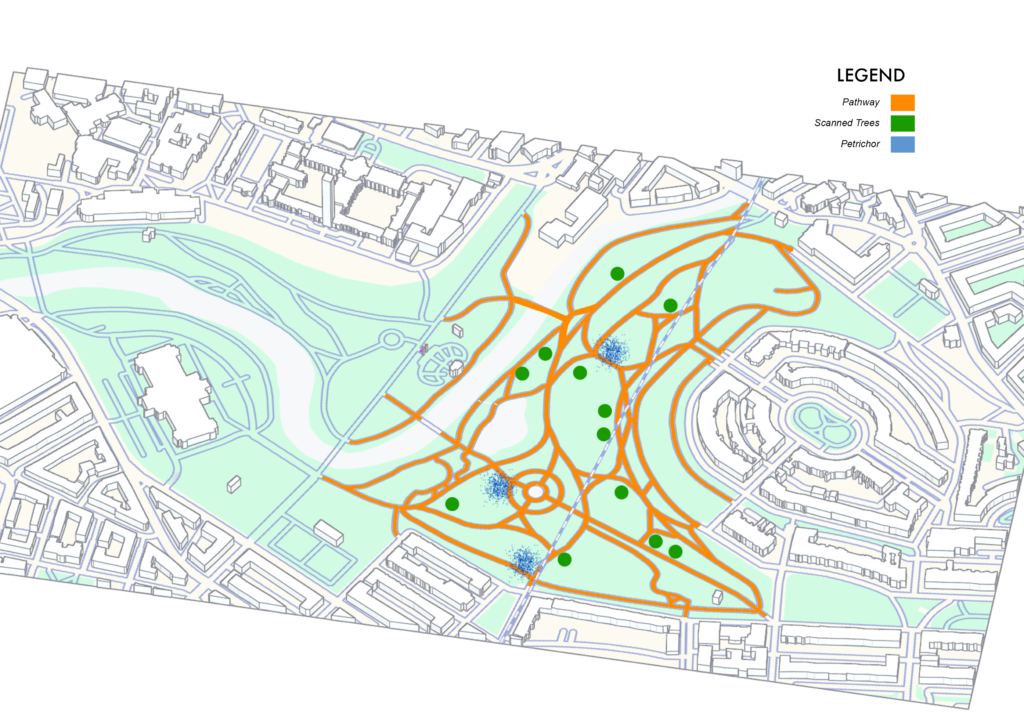
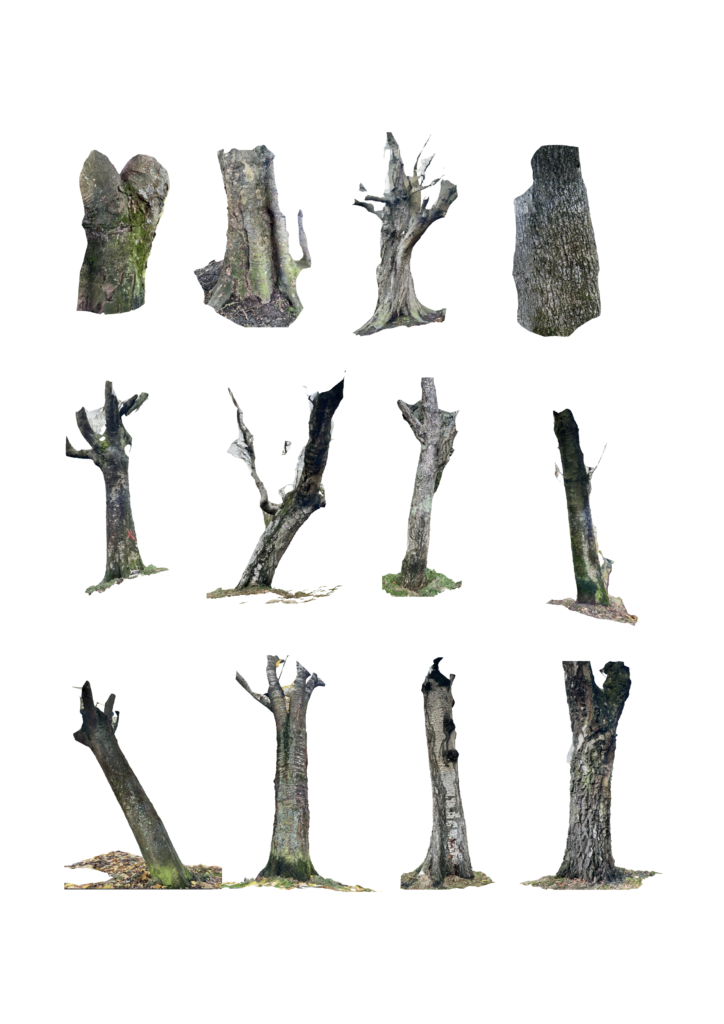
Scanned trees in Kelvingrove park using polycam
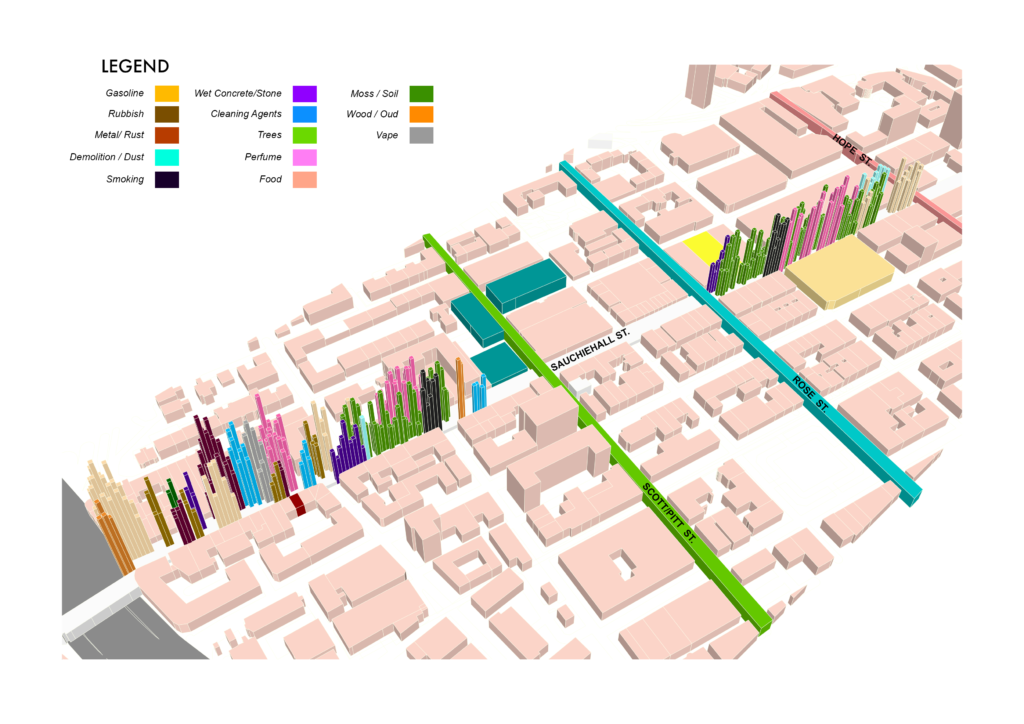
Scent Mapping along Sauchiehall Street during the morning of October 17, 2025
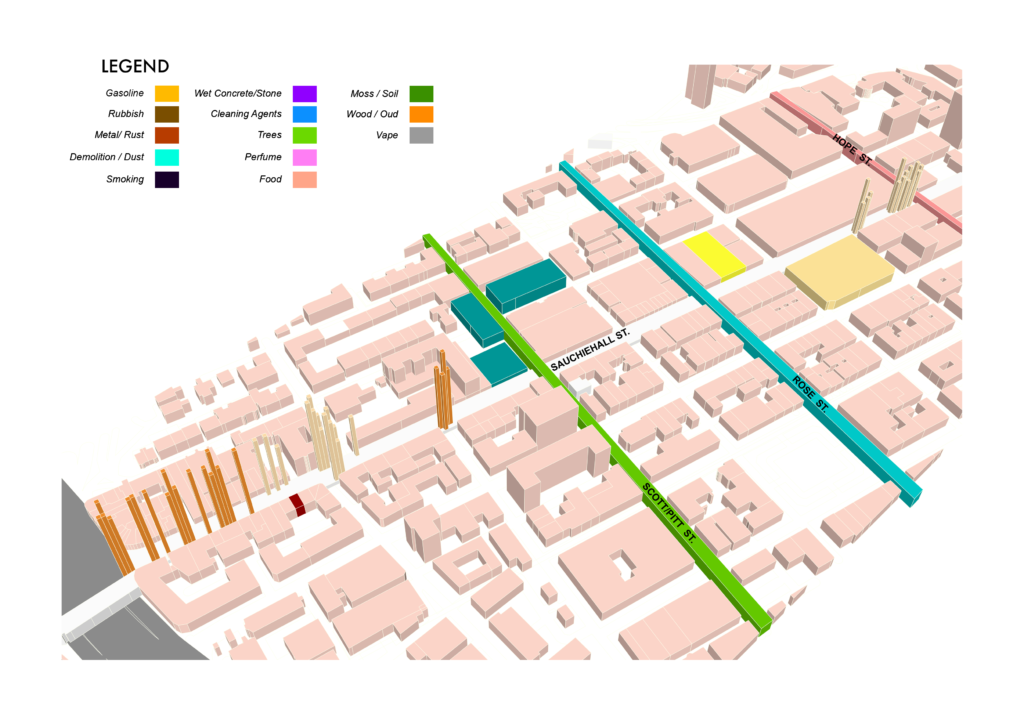
Scent Mapping along Sauchiehall Street during the afternoon of October 17, 2025
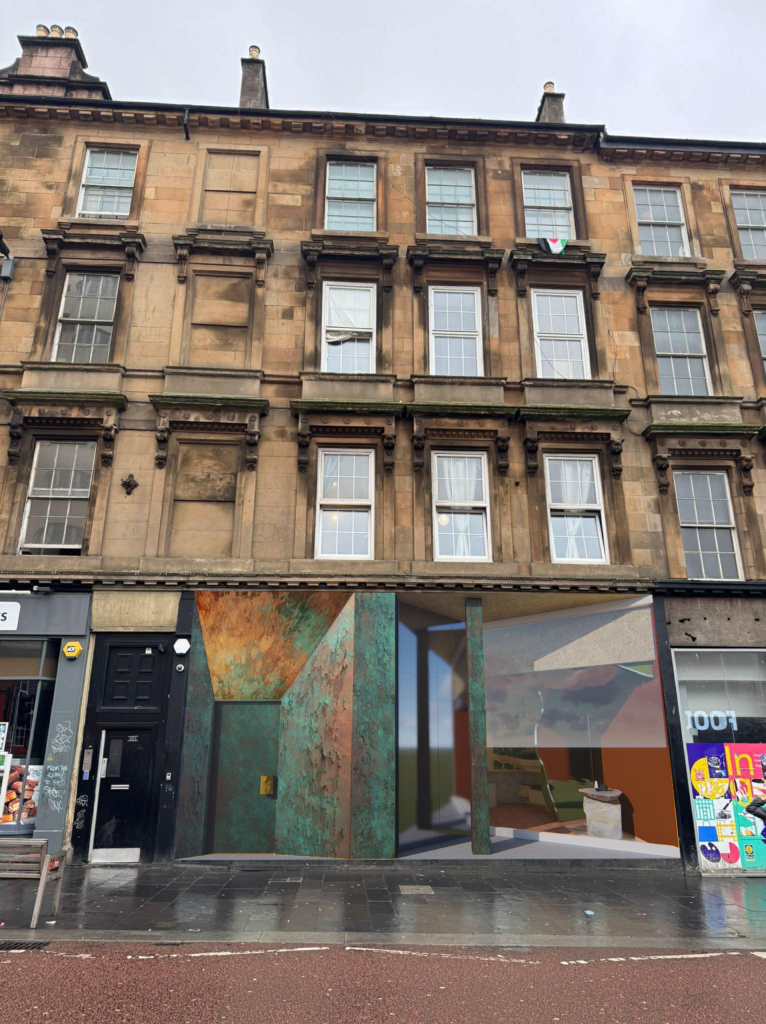
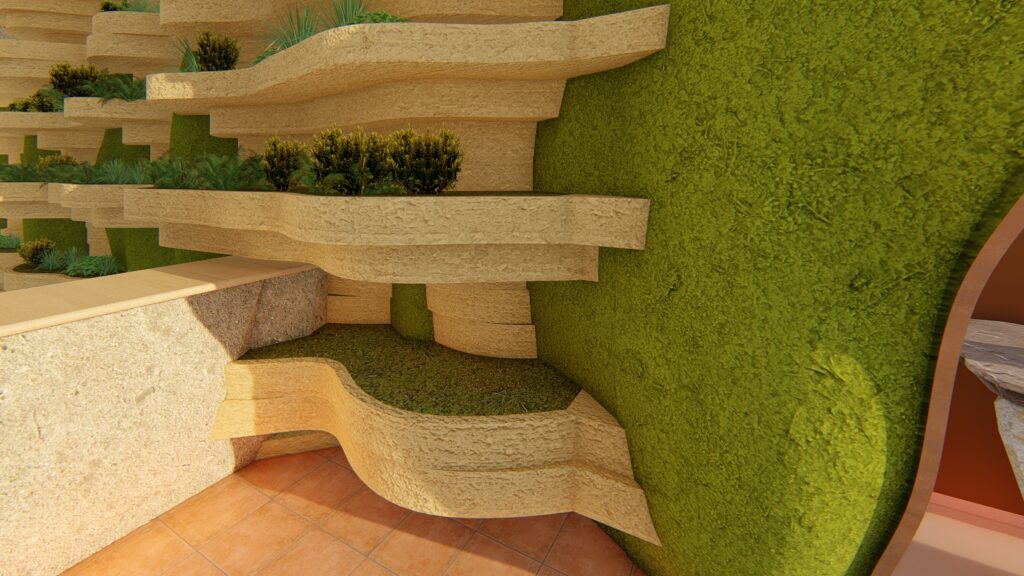
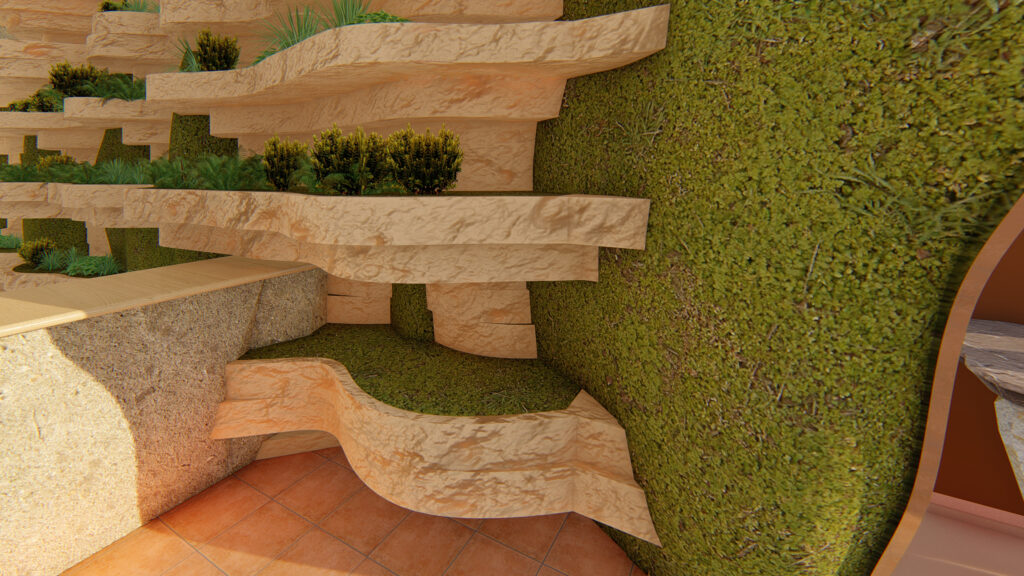
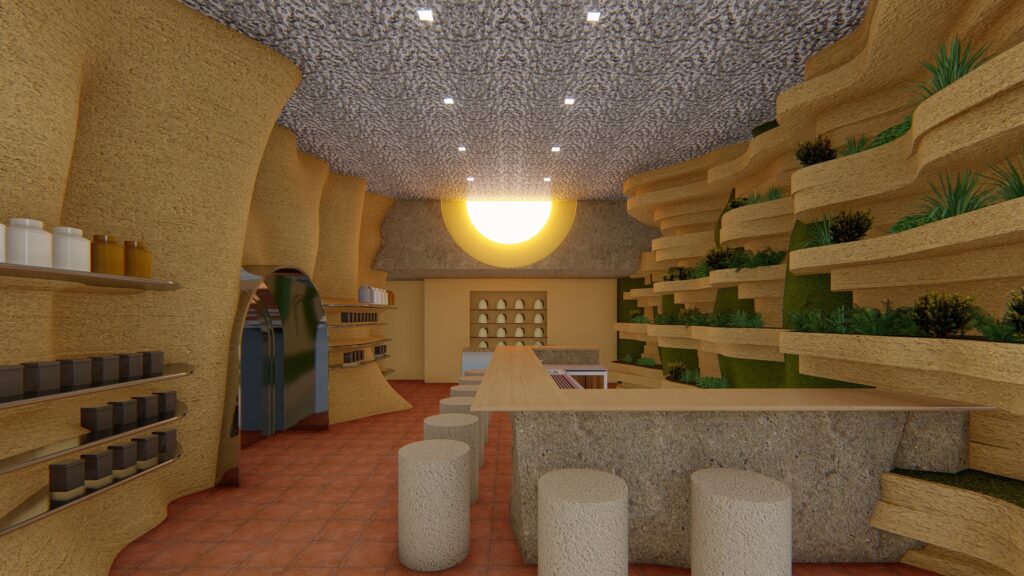
lighting during autumn for the tea room
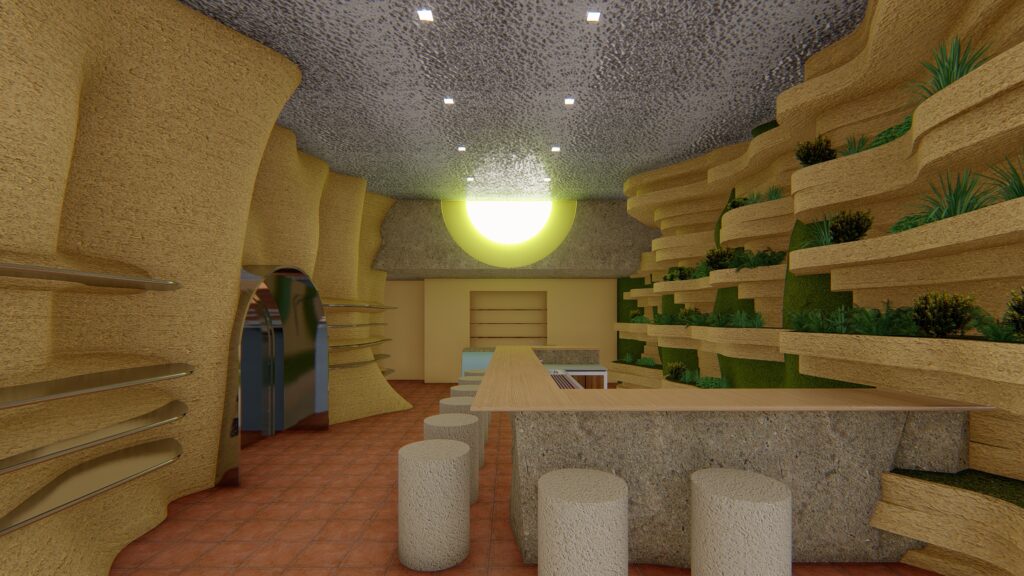
lighting during spring for the tea room
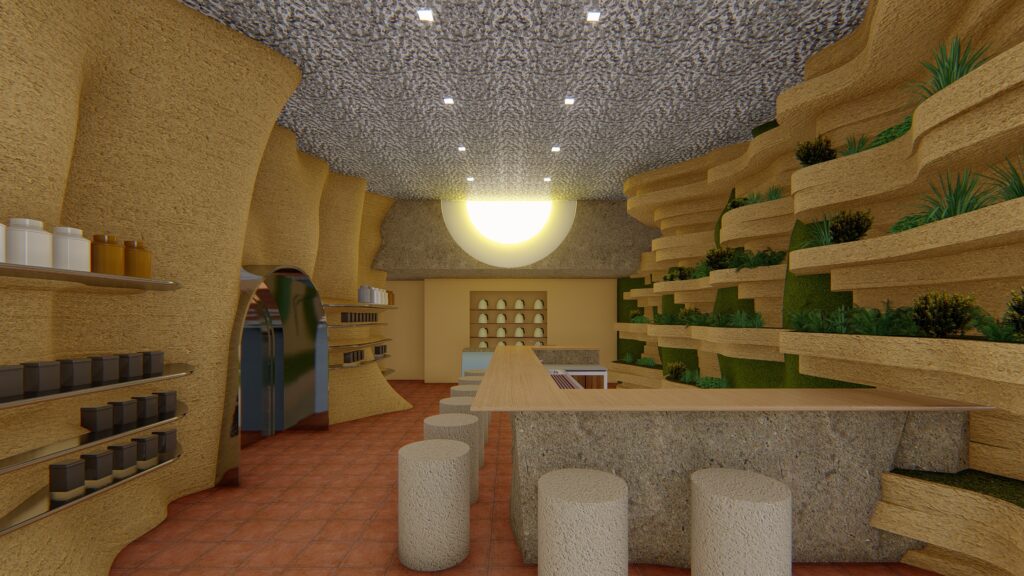
lighting during summer for the tea room
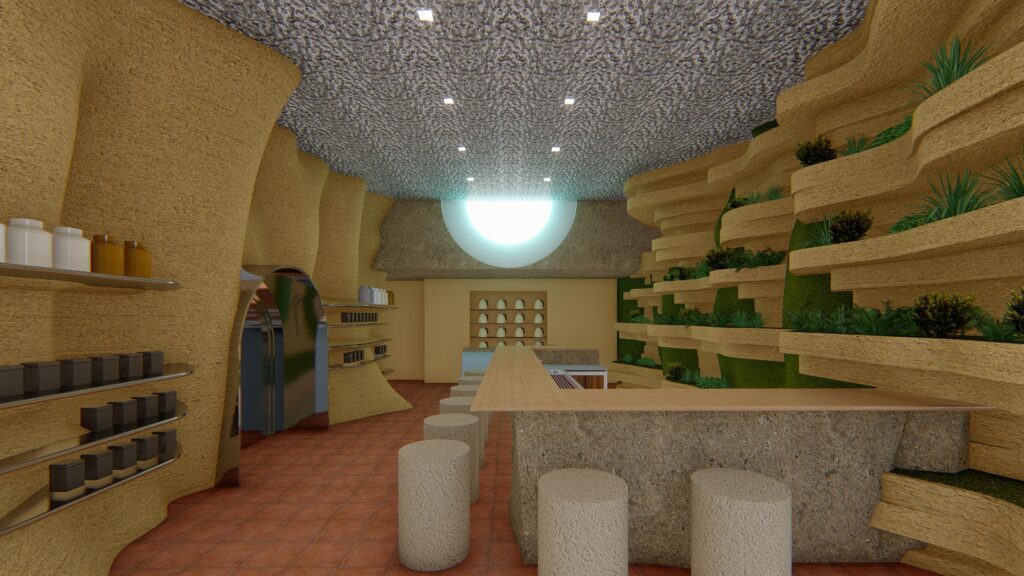
lighting during winter for the tea room