Jingjing Tong
(she/her)
b. 2001, China
Jingjing Tong’s creative practice centers on painting, exploring the poetic and mythical qualities that may emerge in daily life. She collects images and fragments from daily observations, memories, and dreams, transforming ordinary objects, animals, spaces, and fleeting encounters into ambiguous visual forms.
She does not regard these images as a faithful reproduction of specific themes, but rather transforms and reorganizes them through painting, sketching, material experiments, and installation art. Unrelated fragments are gathered together, creating unexpected connections, making familiar images strange, symbolic, or suggesting another narrative.
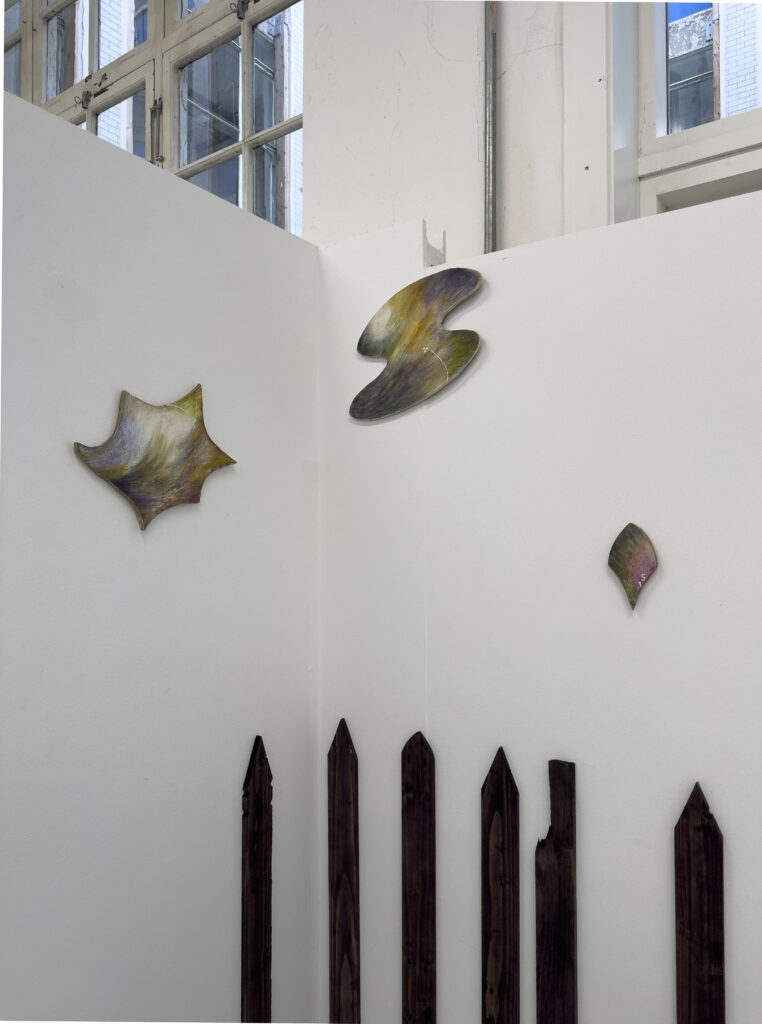
Her works do not follow a fixed linear narrative structure. She views each image as part of a larger picture, with meaning gradually emerging through adjacency, repetition, and displacement. In her irregularly shaped and diverse works, she contemplates how images can transcend their original context and acquire new meanings through interrelation.
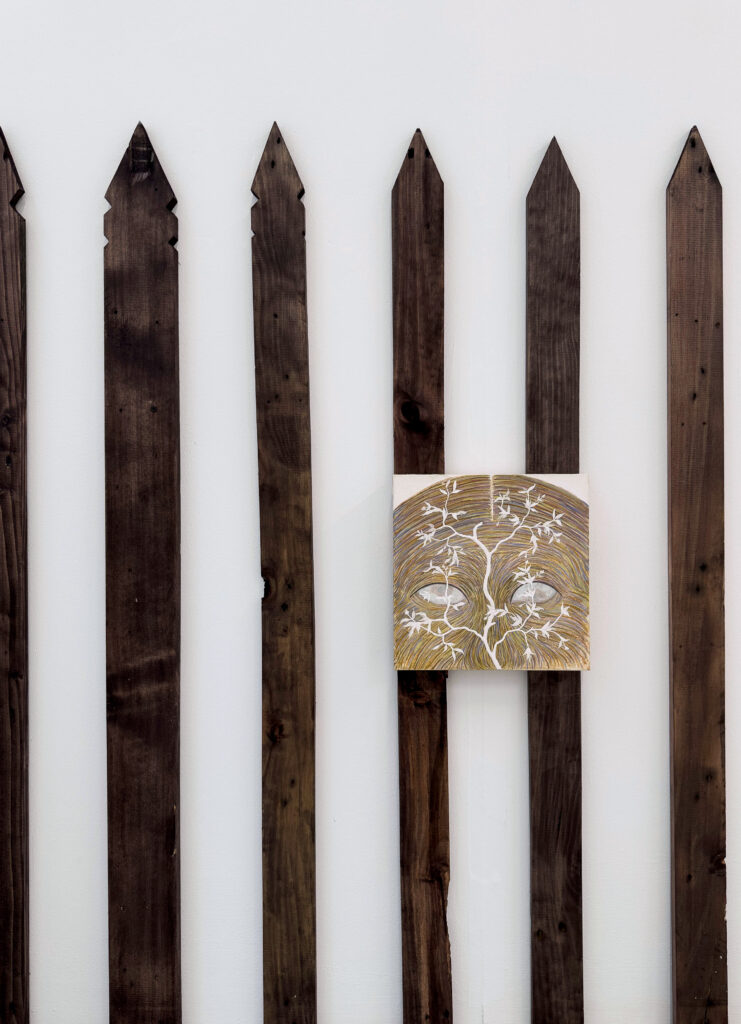
Suspended Fragment
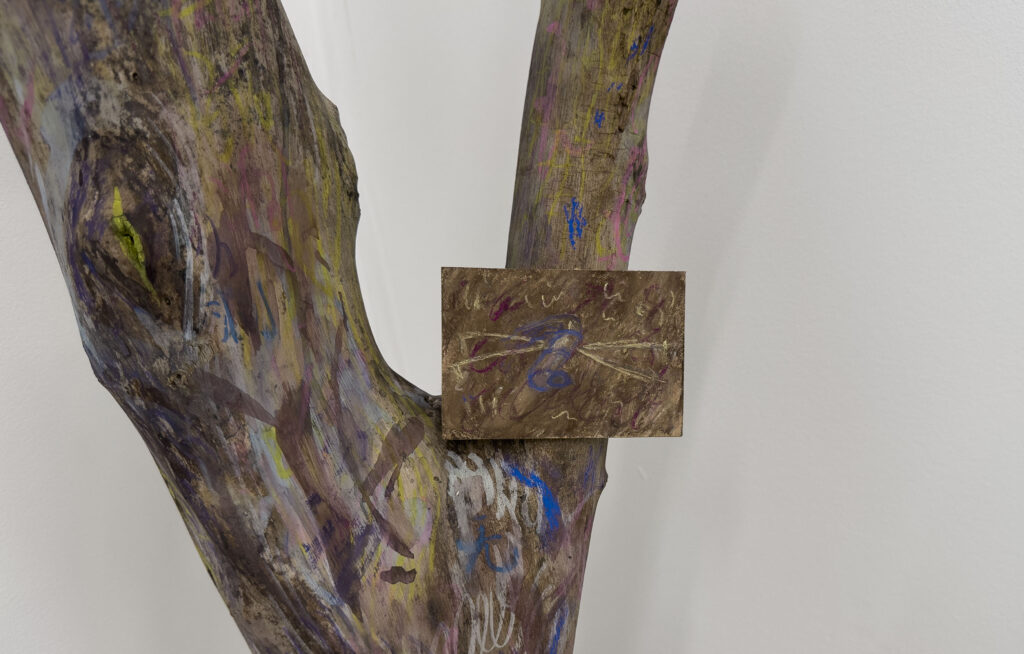
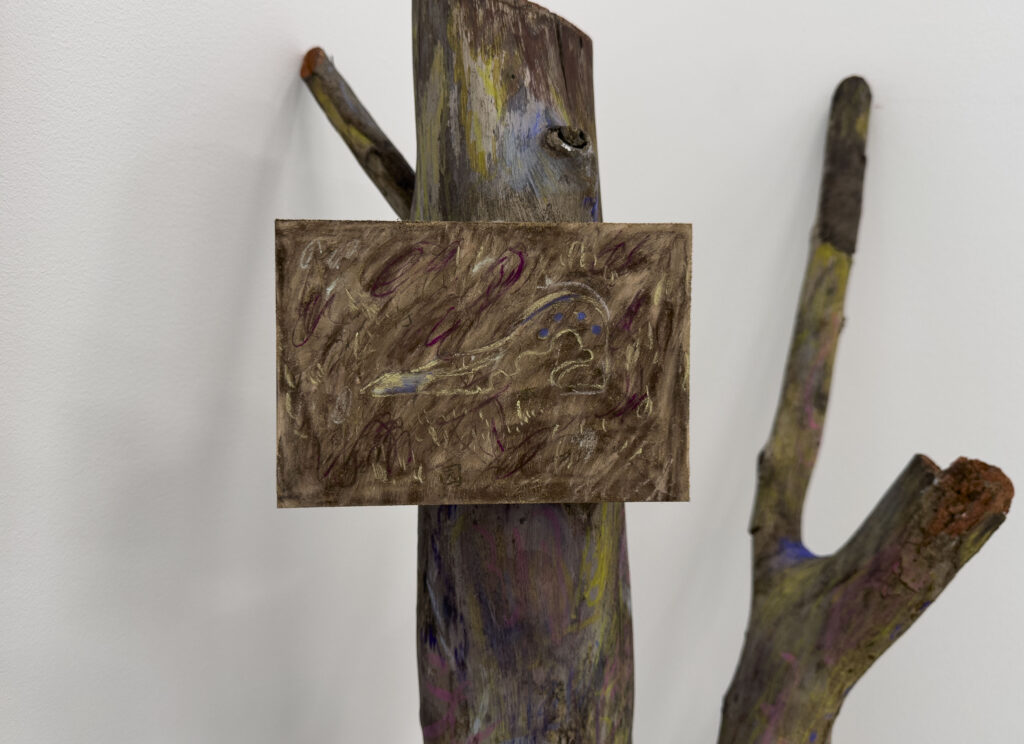
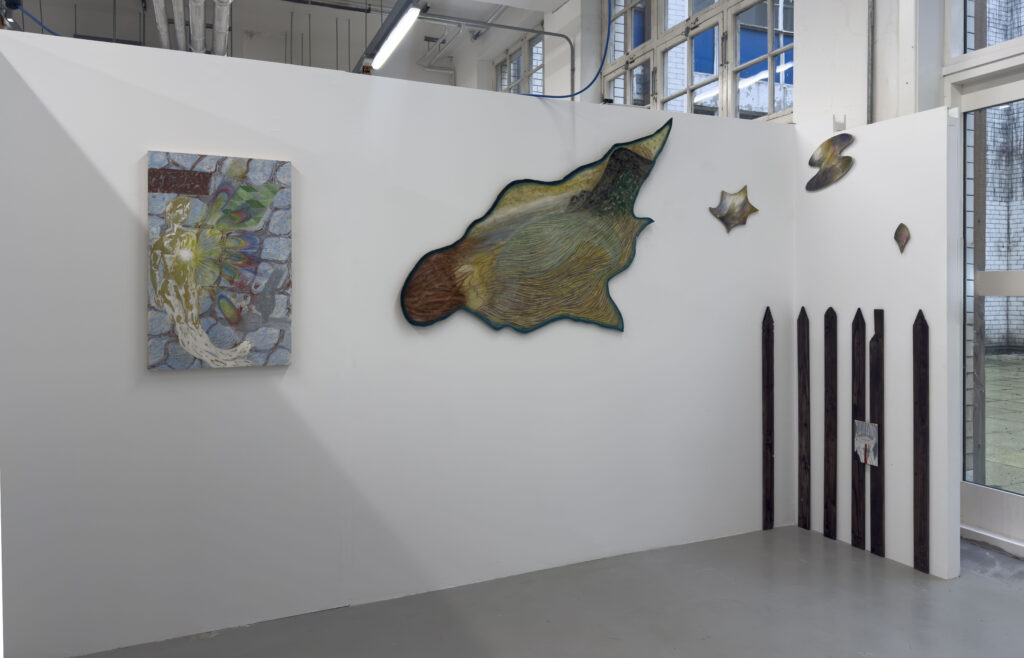
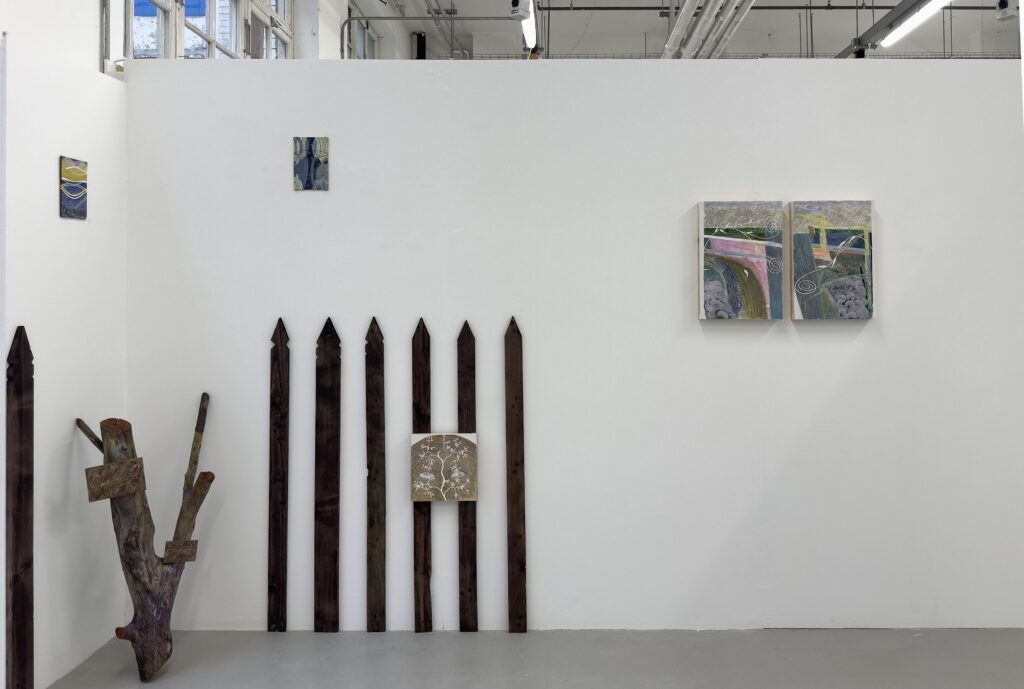
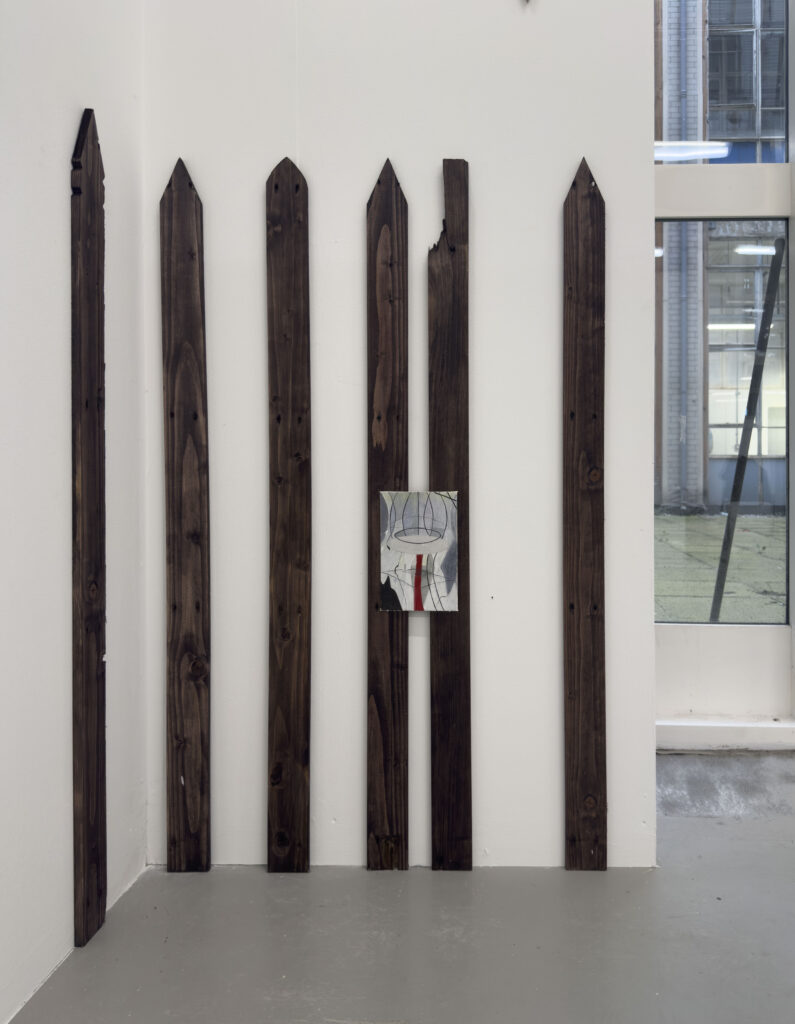
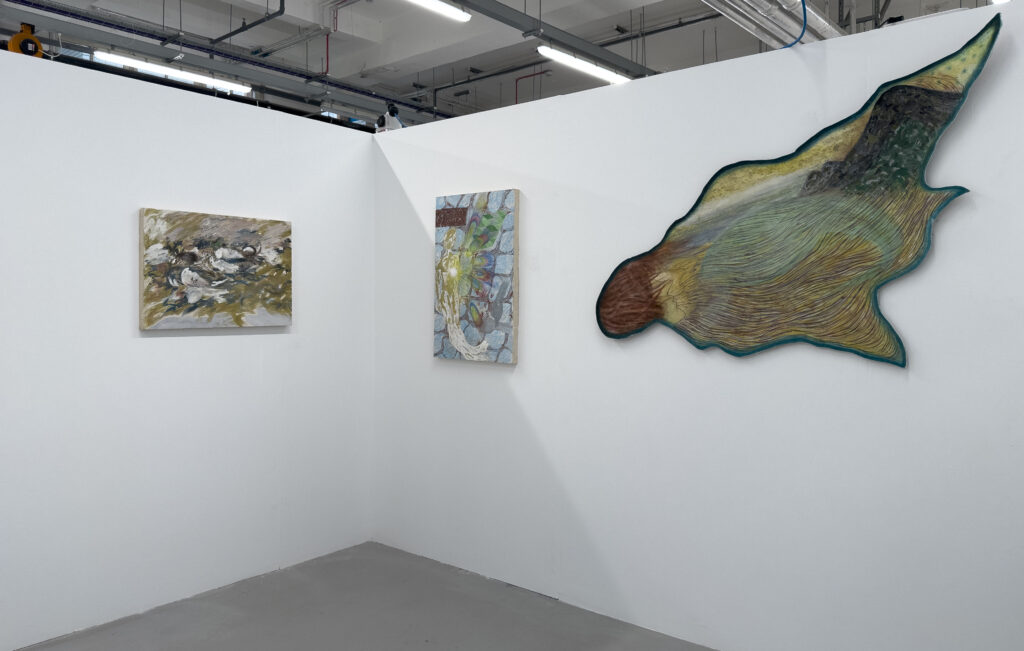
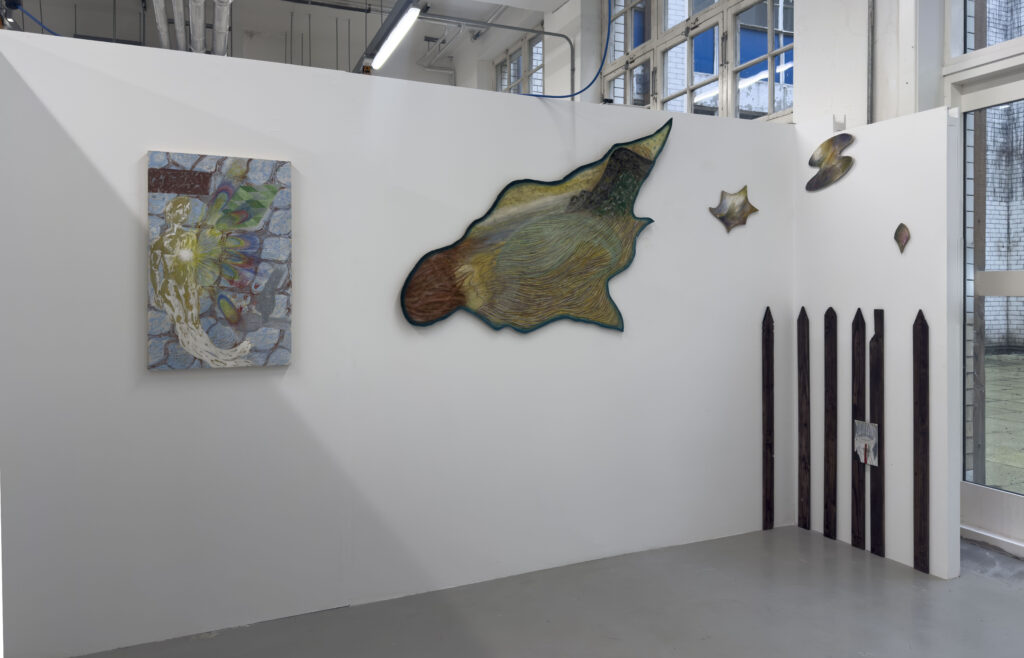
Suspended Fragment brings together paintings, irregularly shaped works, objects and installation elements developed from everyday observation, memory and imagination. Ordinary images such as windows, animals, trees and objects are translated through painting and material experimentation rather than directly reproduced.
The project is partly informed by my reading of Olga Tokarczuk’s Flights, which moves between seemingly disconnected fragments of travel, places, bodies and histories. Rather than following a continuous narrative, the novel allows meaning to emerge through the relationships between fragments. I approach painting in a similar way, collecting images from different moments and contexts and intuitively bringing them together.
Although these images may appear unrelated, they are connected through personal memory and association. Each work becomes a fragment within a larger constellation, where new relationships emerge through proximity, repetition and displacement.
This approach extends into the exhibition space, where paintings, irregular forms, wooden structures and objects are arranged in relation to one another. Rather than presenting a single complete scene, the exhibition creates an open field in which observation, memory, imagination and the everyday can coexist.
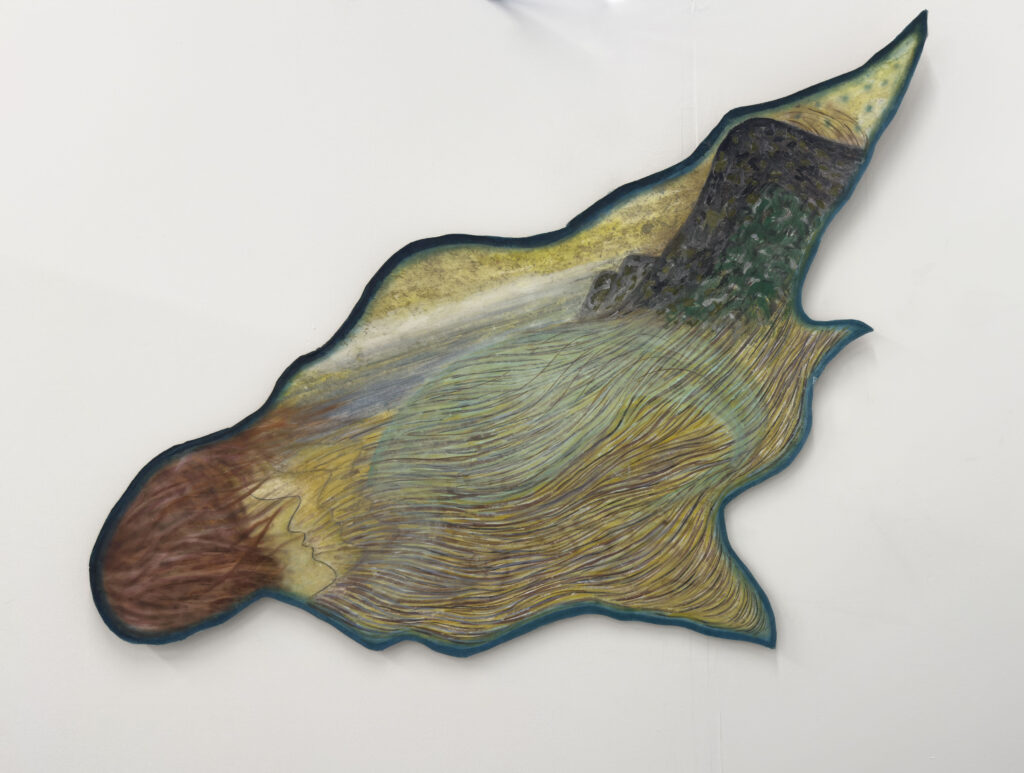
Mineral pigments, Chinese ink, acrylic paint, clam powder, hemp paper, and wood panel 140x110cm
For Sale: Price on Request
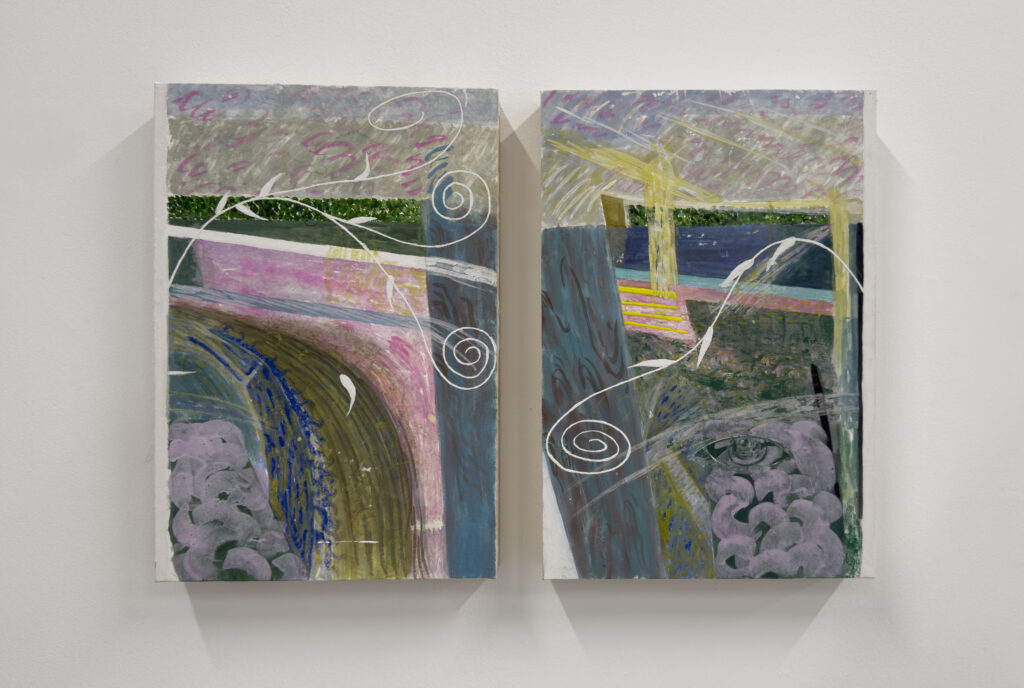
Mineral pigments, Chinese ink, clam powder, hemp paper, and wood panel 45 × 30 cm (each)
For Sale: Price on Request
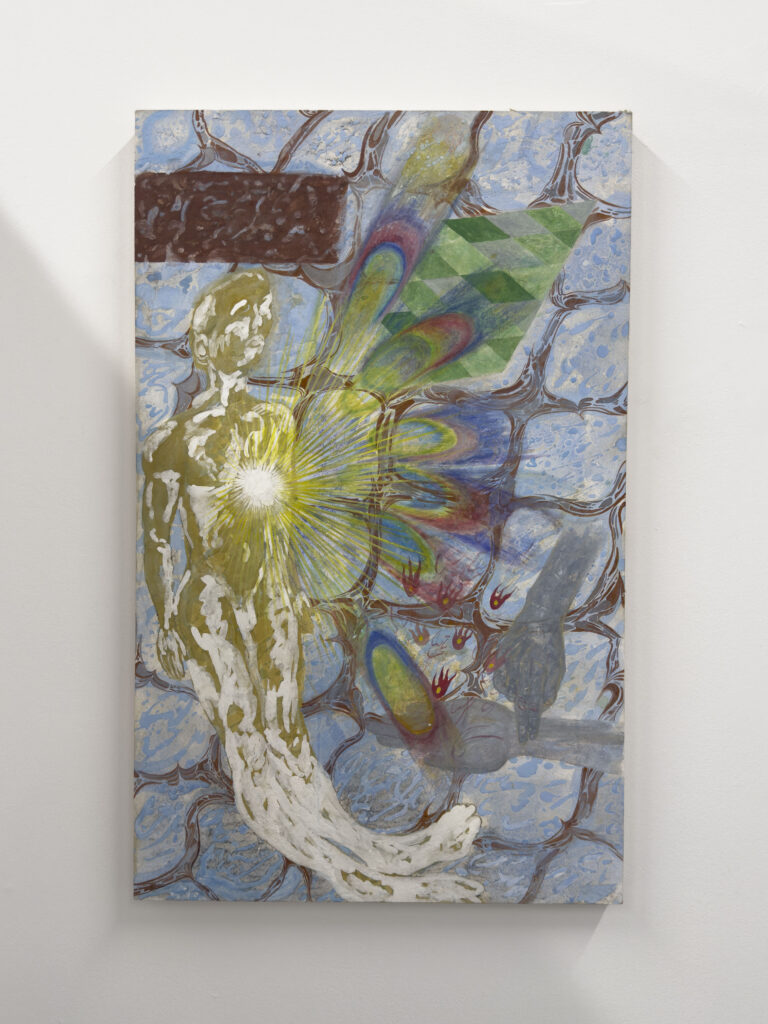
Mineral pigments, Chinese ink, clam powder, hemp paper, and wood panel 50x80cm
For Sale: Price on Request
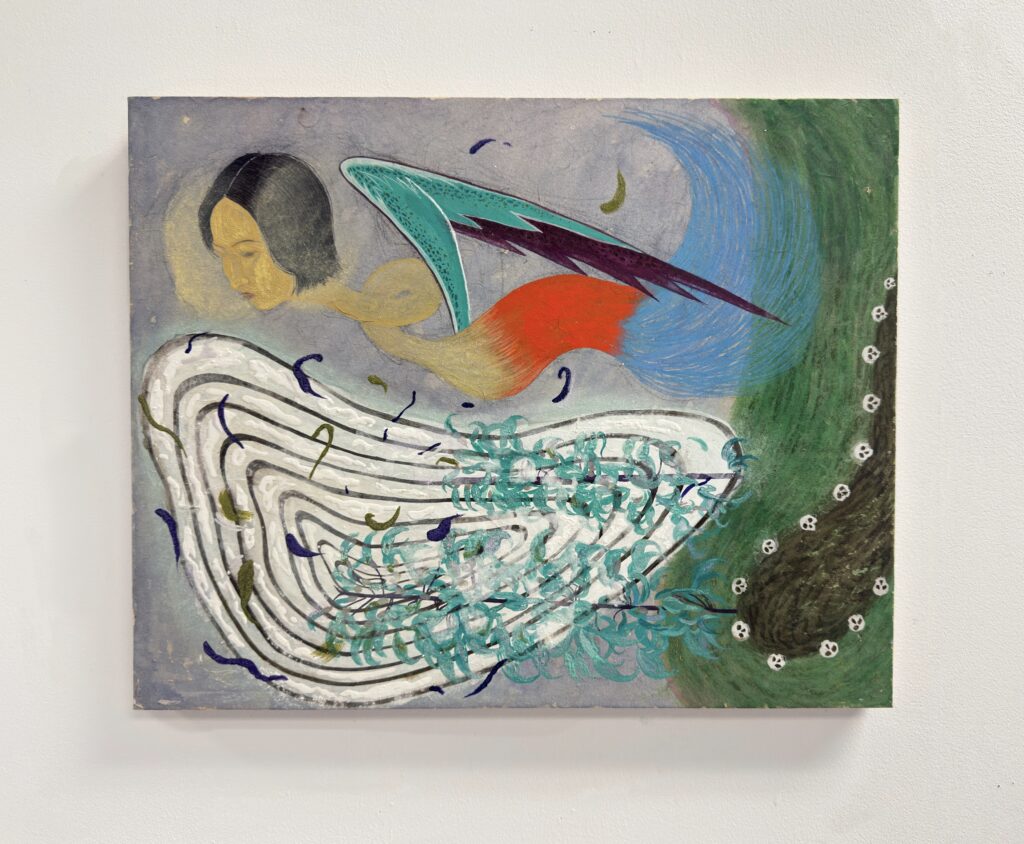
Mineral pigments, Chinese ink, clam powder, hemp paper, and wood panel 40x50cm
For Sale: Price on Request
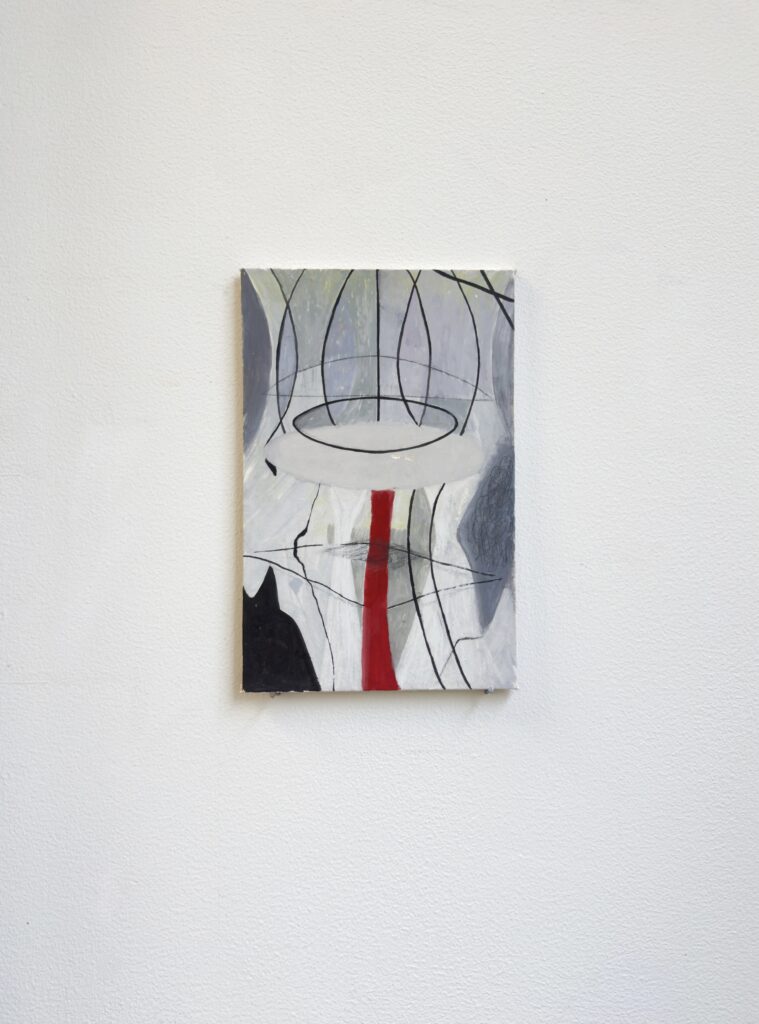
Mineral pigments, Chinese ink, clam powder, hemp paper, and wood panel 13x20cm
For Sale: Price on Request
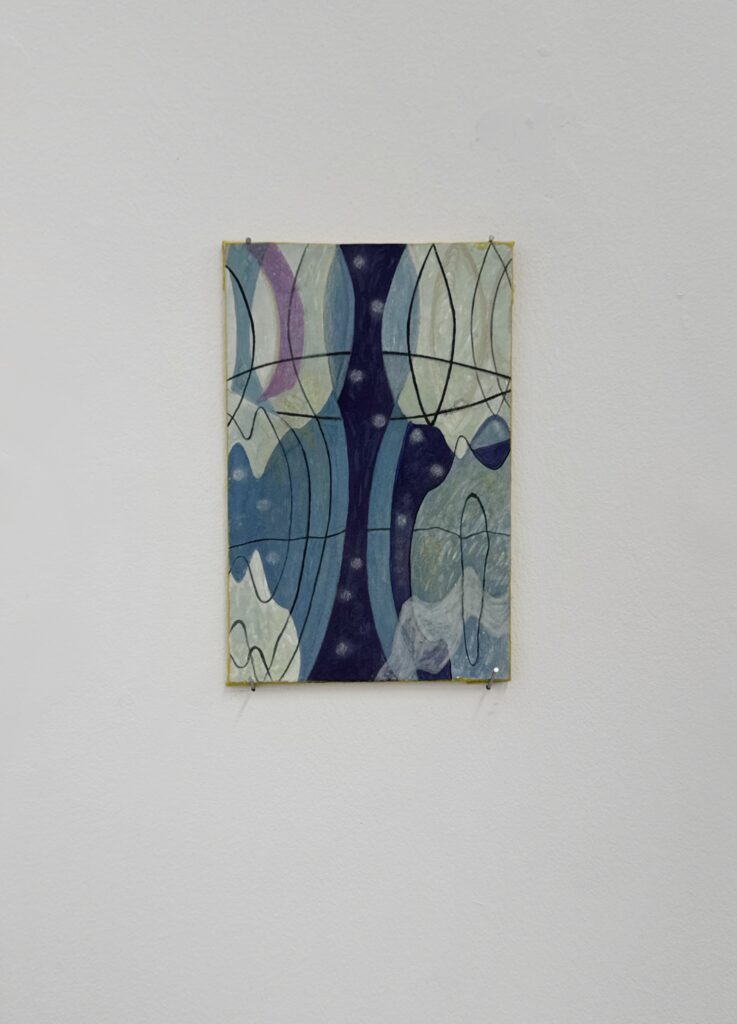
Mineral pigments, Chinese ink, clam powder, hemp paper, and wood panel 13x20cm
For Sale: Price on Request
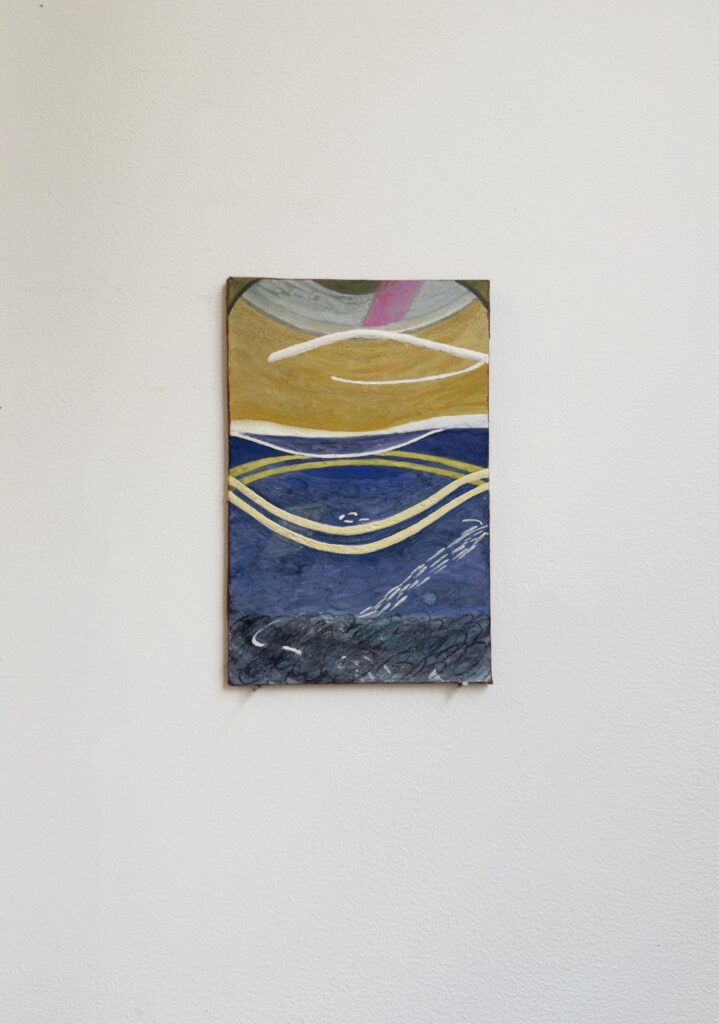
Mineral pigments, Chinese ink, clam powder, hemp paper, and wood panel 13x20cm
For Sale: Price on Request
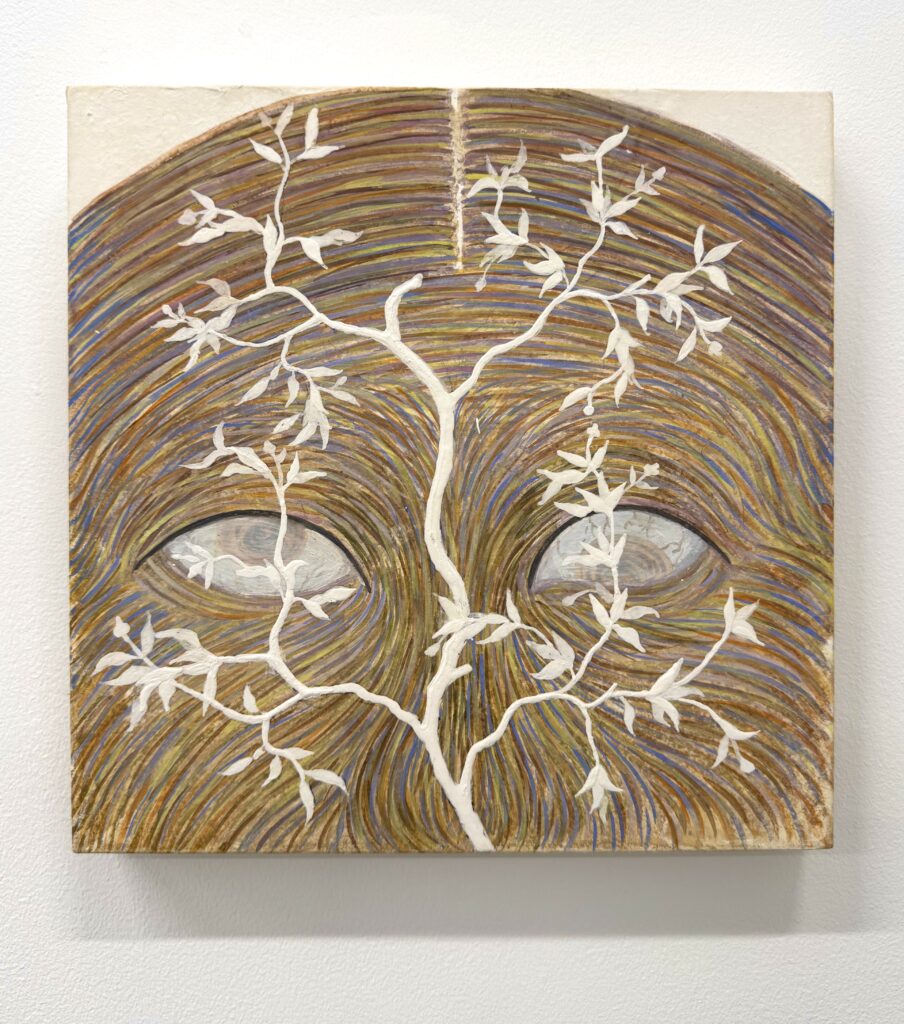
Mineral pigments, Chinese ink, clam powder, hemp paper, and wood panel 25x25cm
For Sale
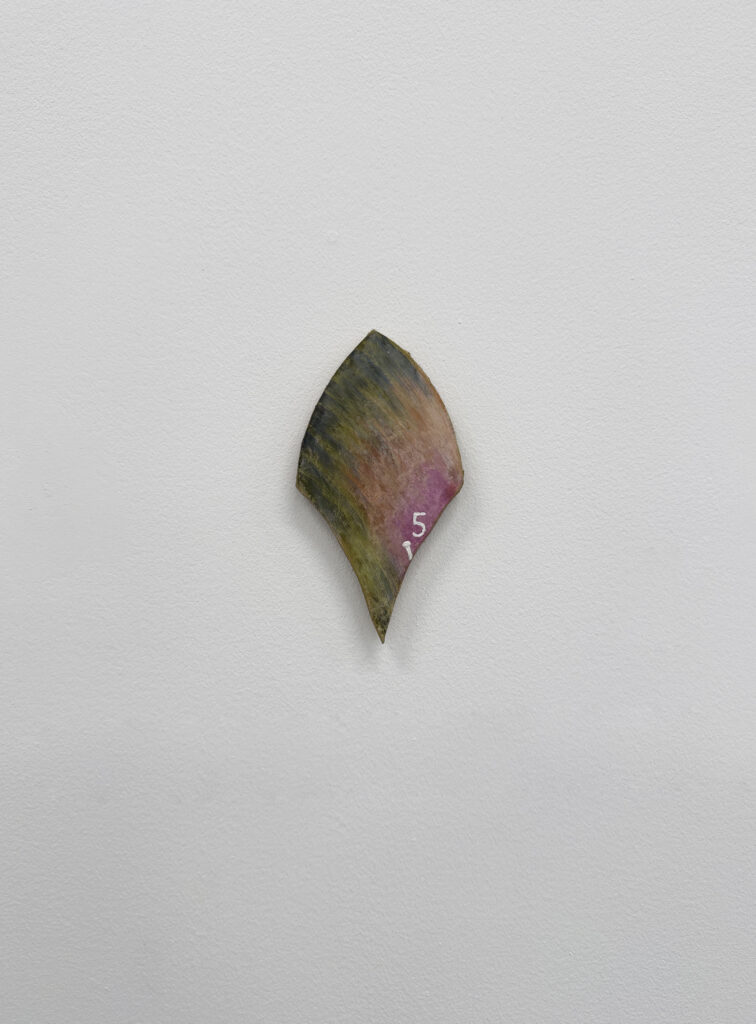
Mineral pigments, Chinese ink, clam powder, hemp paper, and wood panel
For Sale: Price on Request
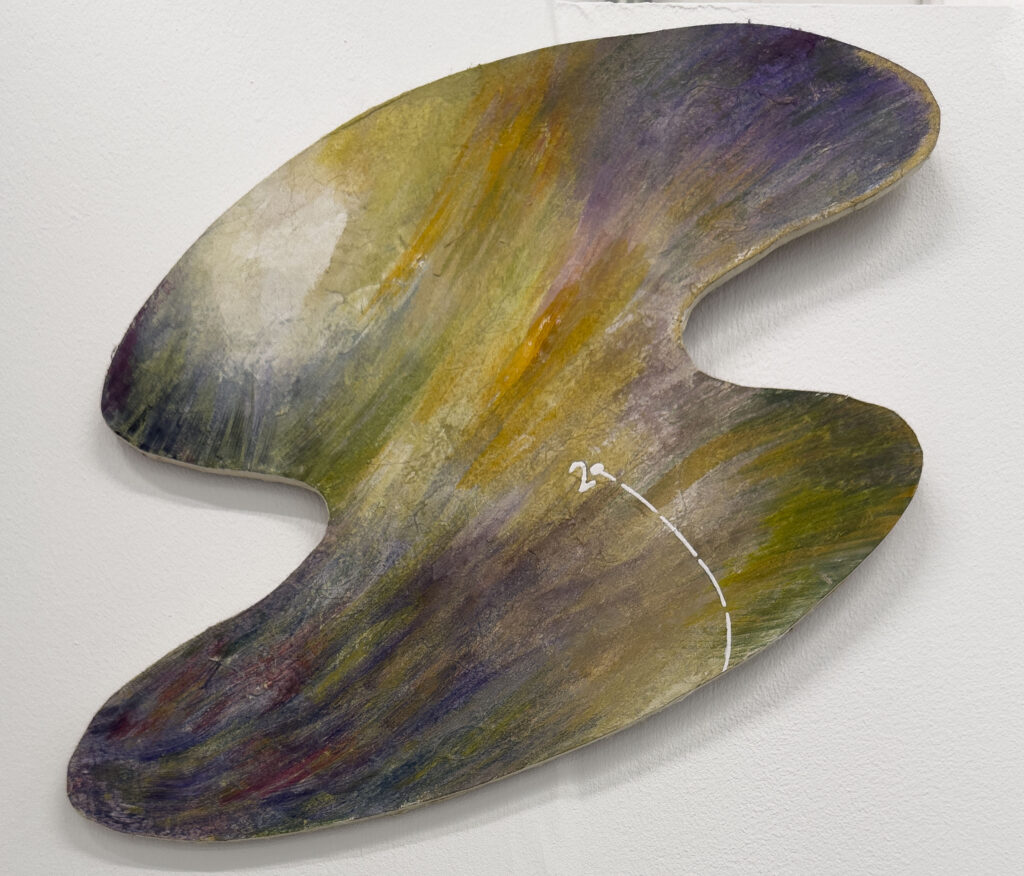
Mineral pigments, Chinese ink, clam powder, hemp paper, and wood panel
For Sale: Price on Request
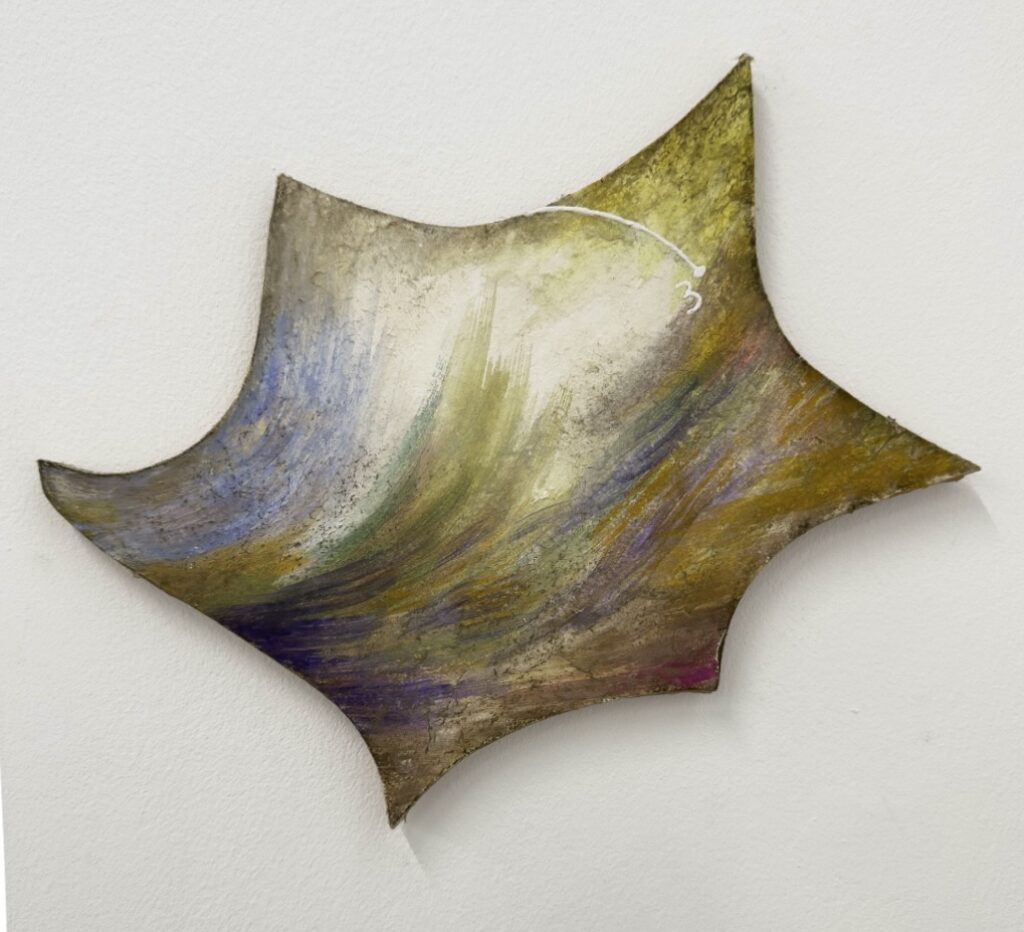
Mineral pigments, Chinese ink, clam powder, hemp paper, and wood panel
For Sale: Price on Request
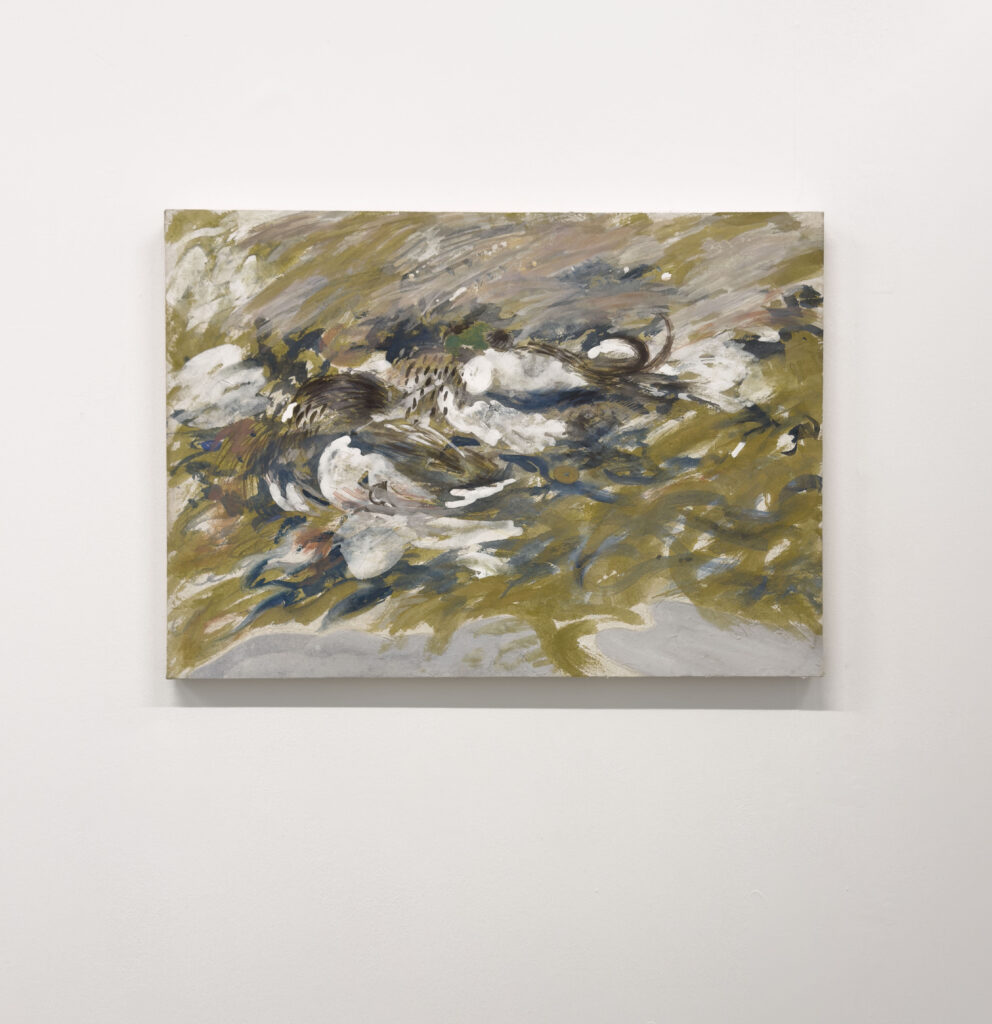
Mineral pigments, Chinese ink, clam powder, hemp paper, and wood panel 50x70cm
For Sale: Price on Request
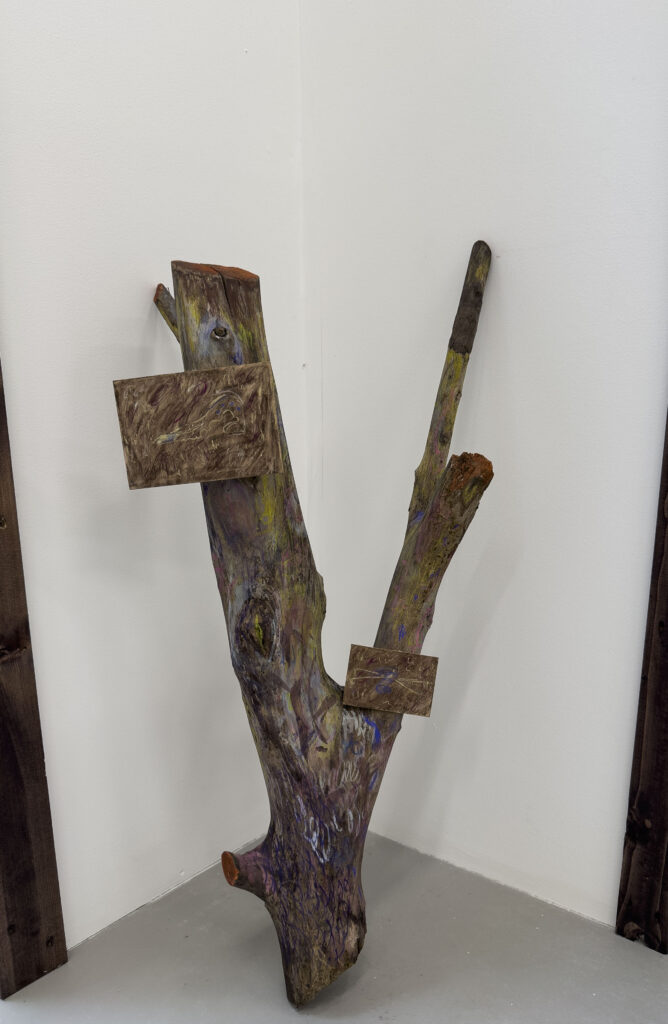
Silent Hollow Wood, Chinese ink, colour ink and mixed media