HAOFENG JI
I am a Chinese photographer based in Glasgow. My practice explores the traces of culture, identity, and time, using photography to consider how these traces shape contemporary understanding.My recent work focuses on cultural phenomena from different periods in China, employing fashion photography to reinterpret overlooked or misunderstood cultures and to explore the relationship between identity, aesthetics, and culture.
THOSE FLEETING YEARS
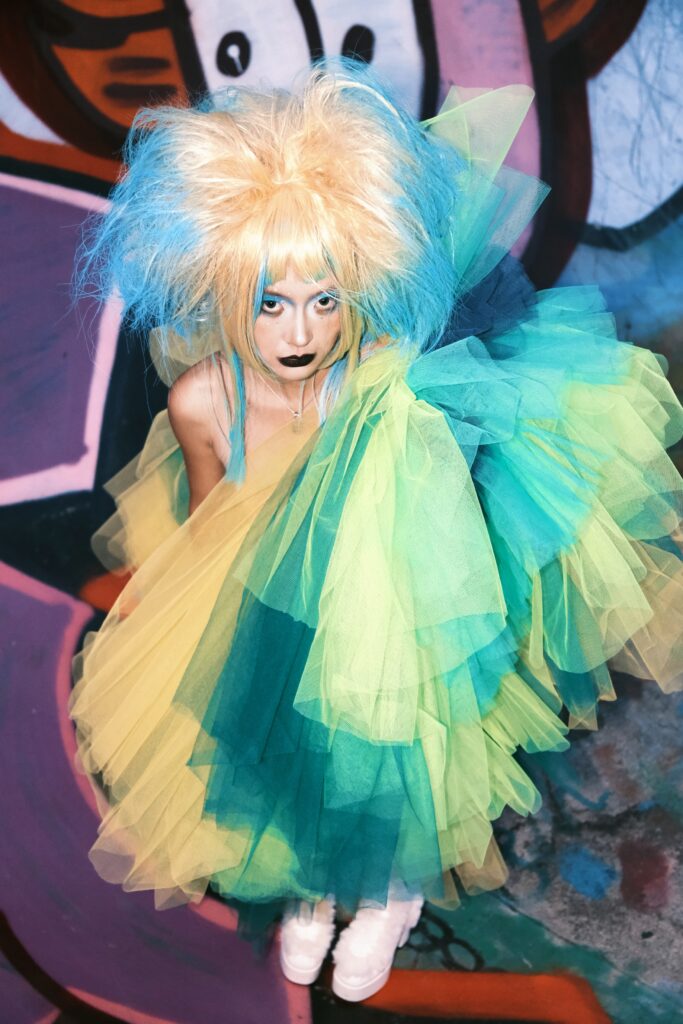
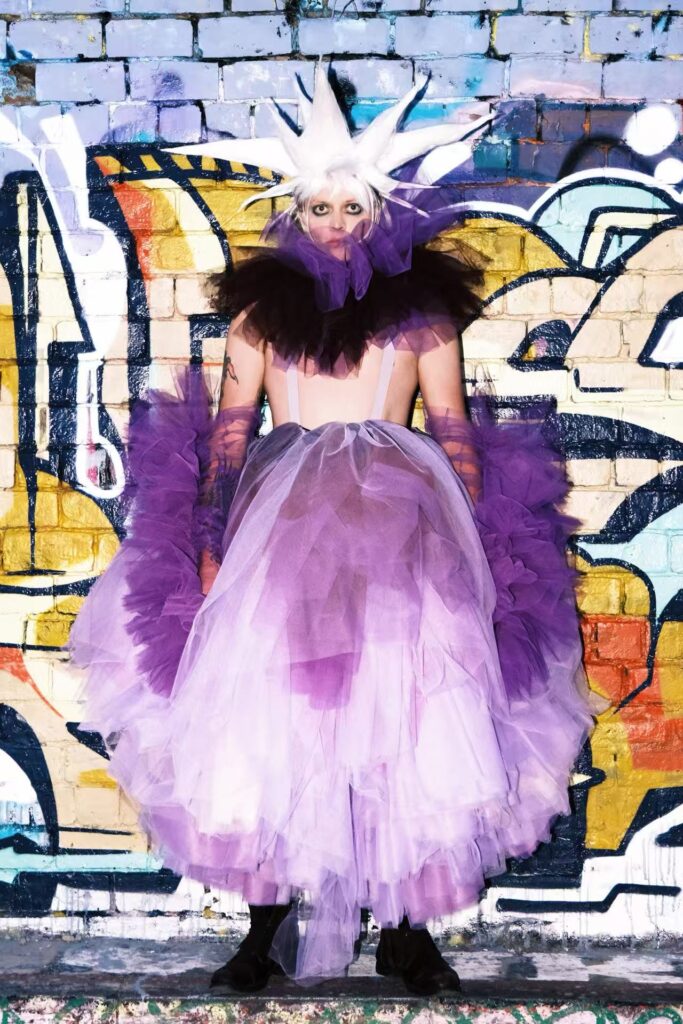
Reframing Y2K takes the early2000s aesthetic as a point of inquiry rather than nostalgia, examining how its visual codes can be recontextualized in contemporary practice. Photography is deployed not as a neutral record of garments or surface details, but as a critical apparatus that shapes the conditions of viewing. By foregrounding posture, address, and spatial dynamics, the images articulate a tension between self-conscious performance and cultural signifiers, transforming a familiar pop vocabulary into a critical reflection on identity, agency, and affect. In this framework, photography functions as an interpretive practice that produces meaning and invites viewers to reconsider their relationship to culture through the image.
RECLAIMING SHAMATE
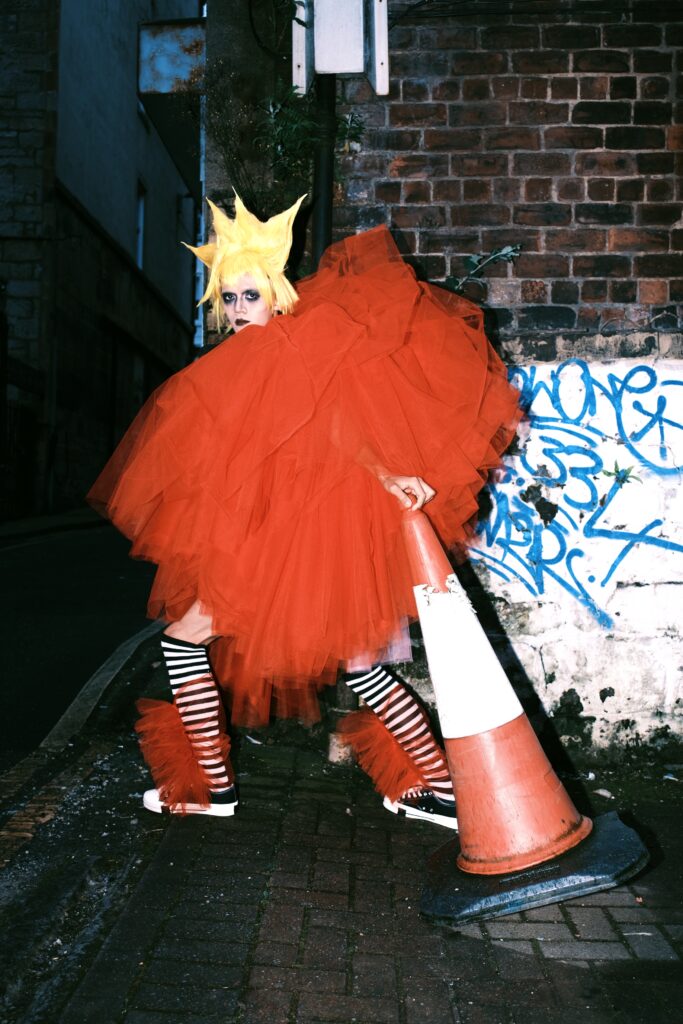
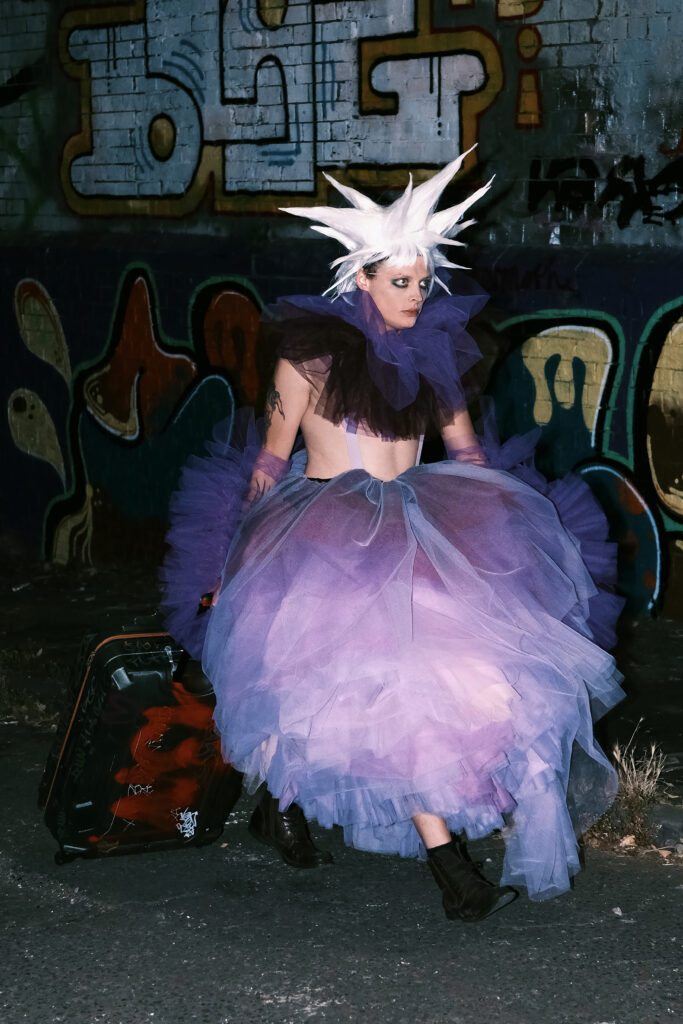
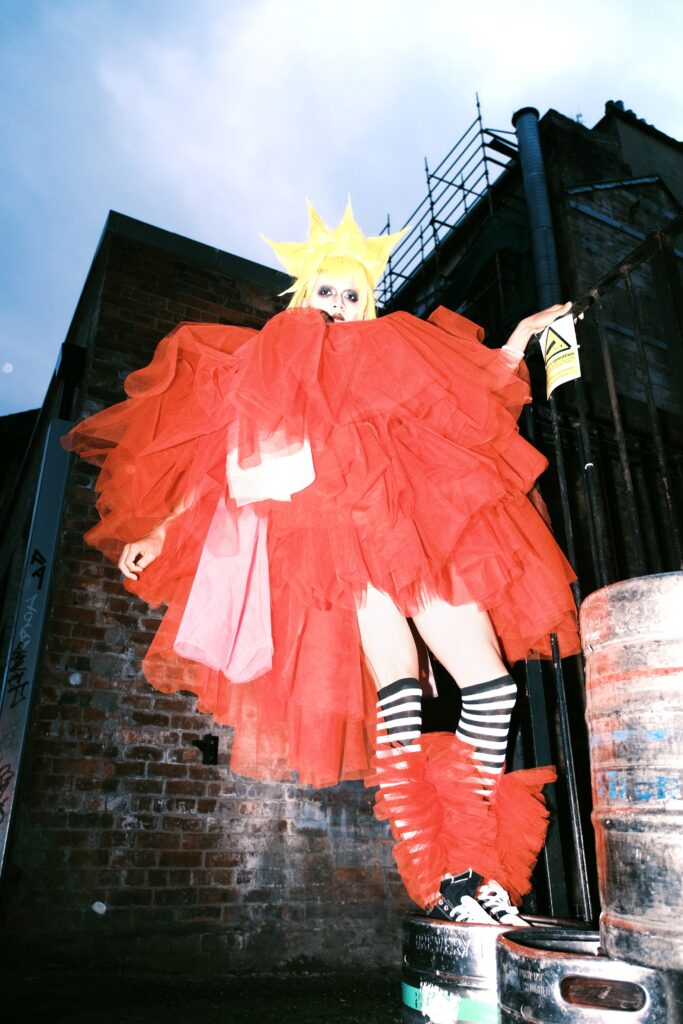
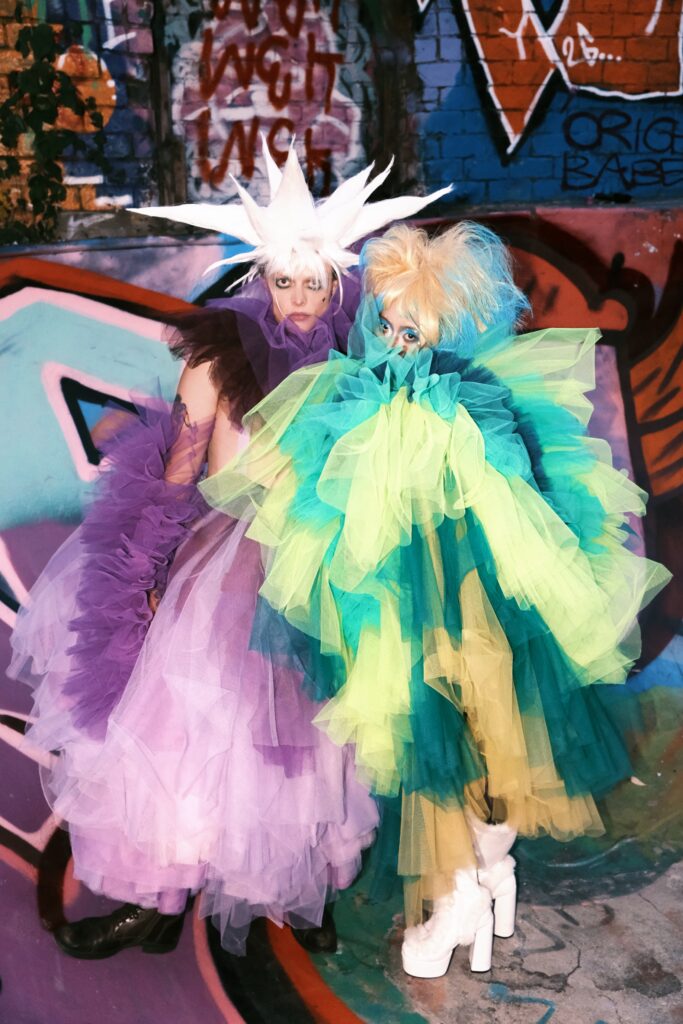
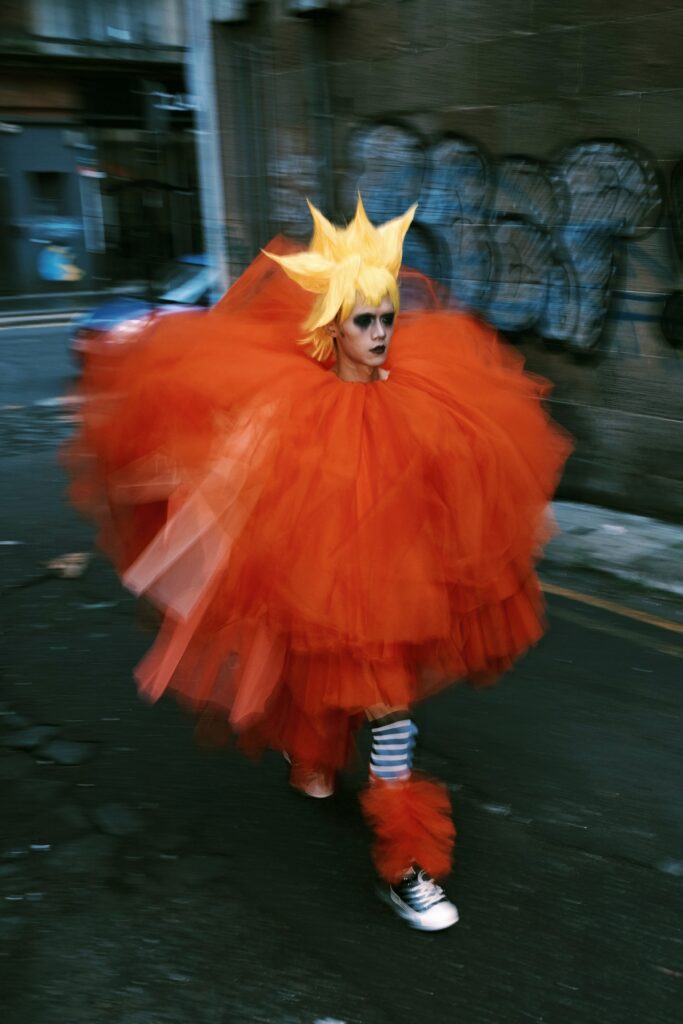
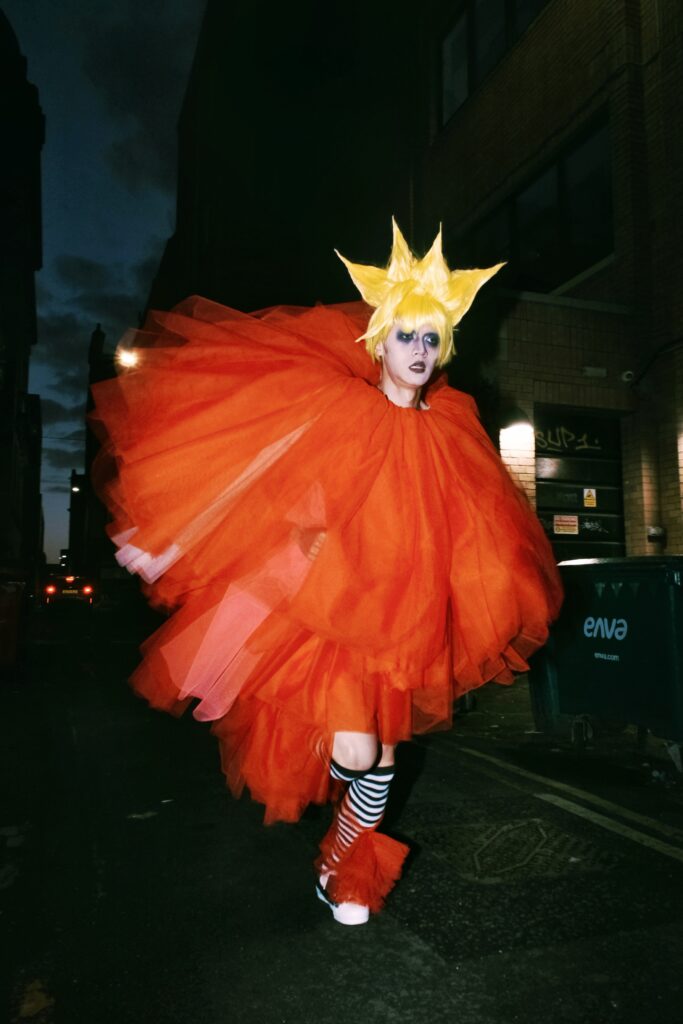
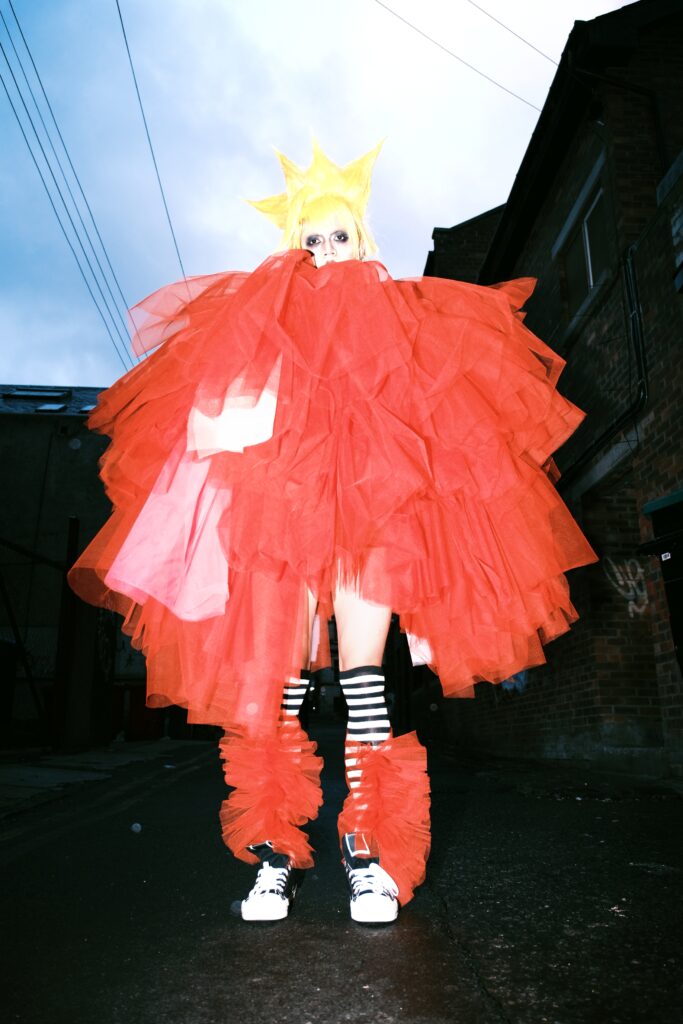
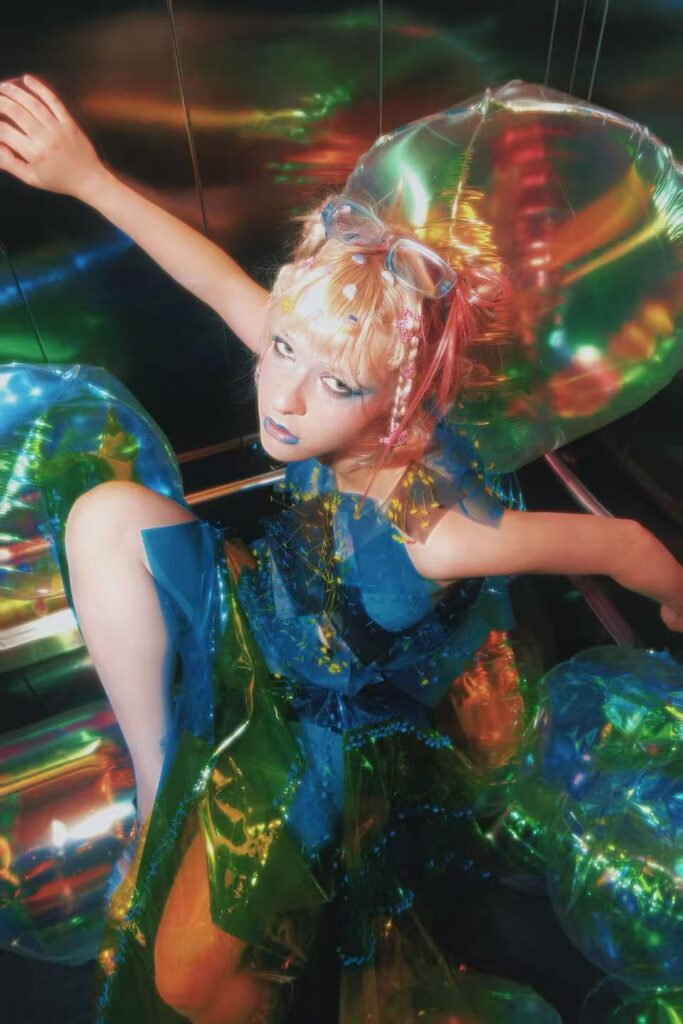
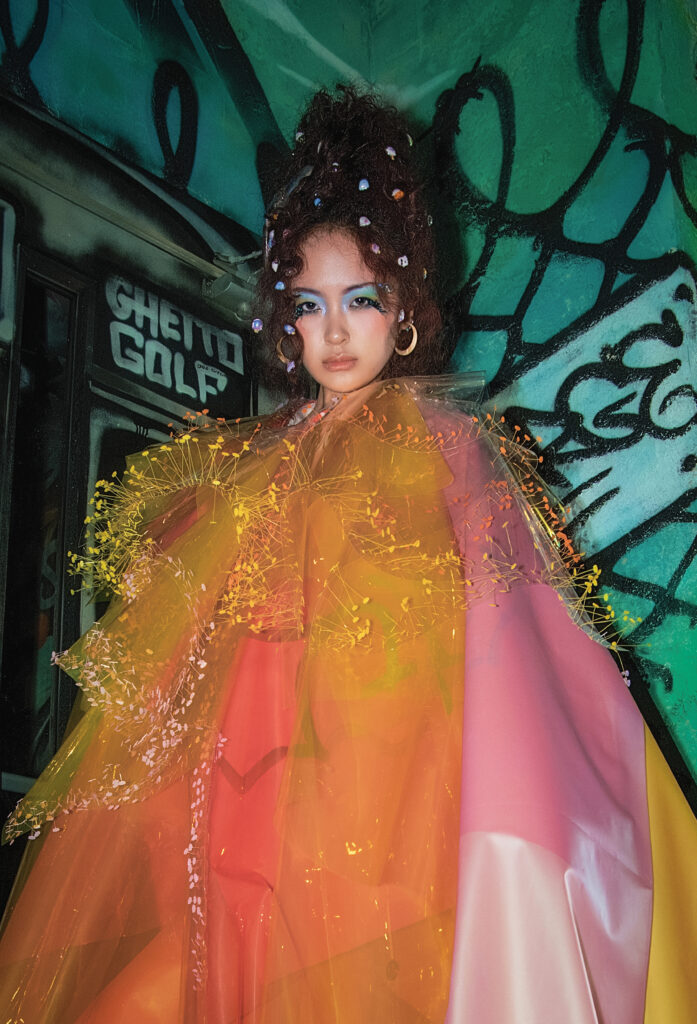
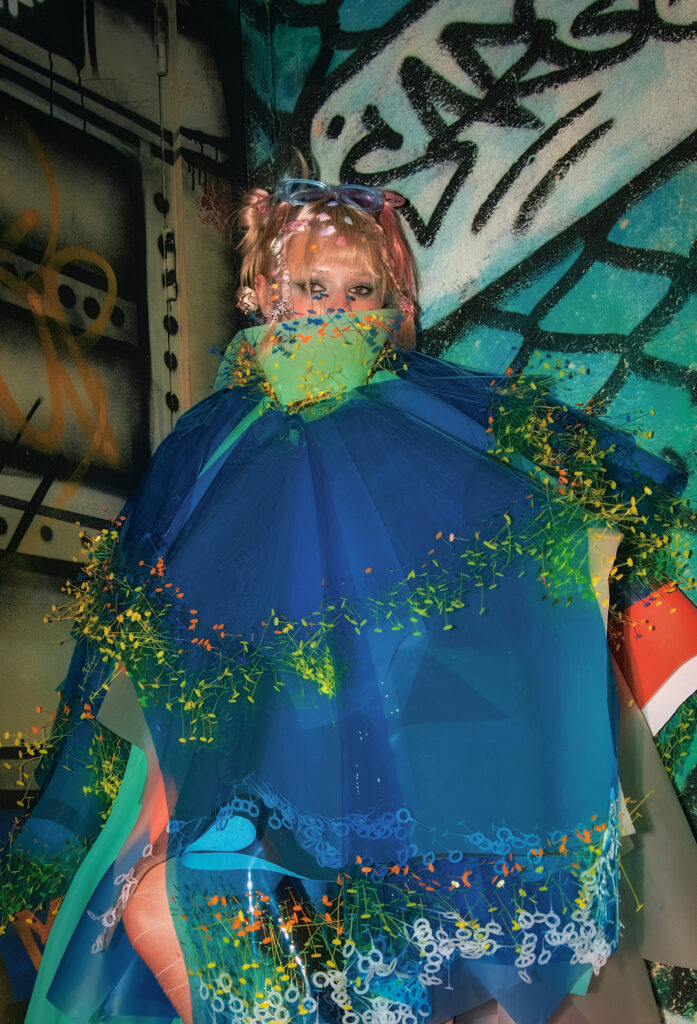
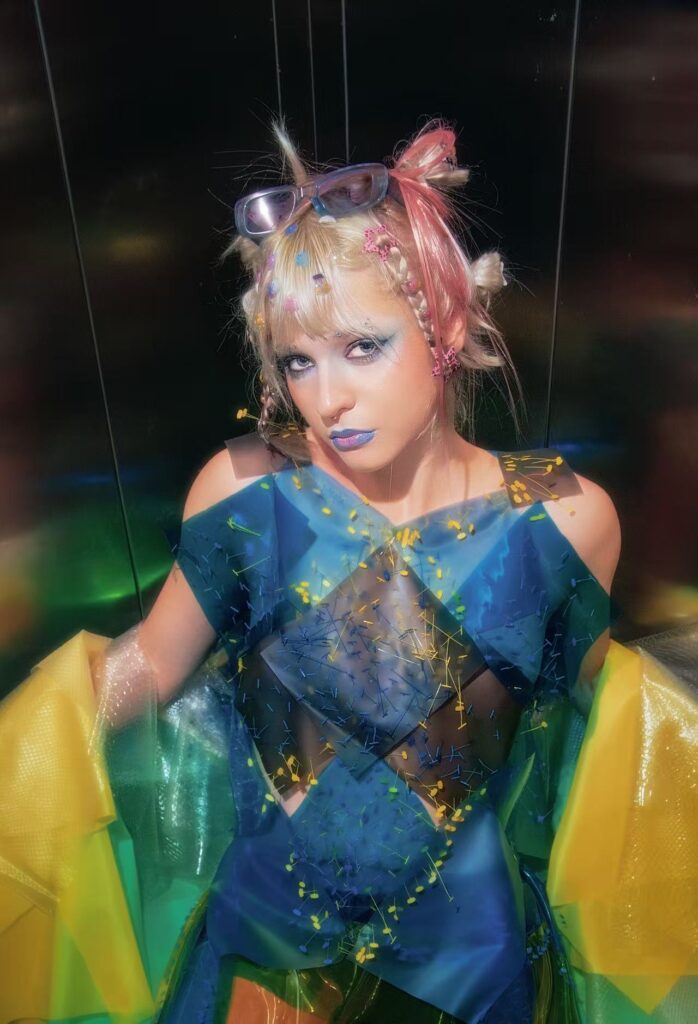
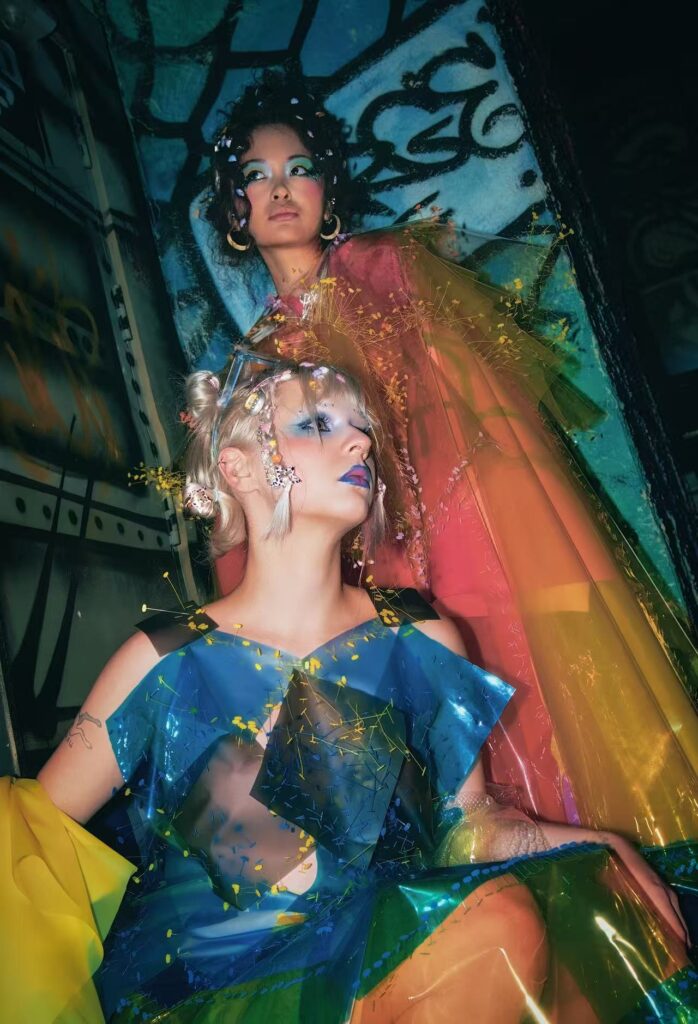
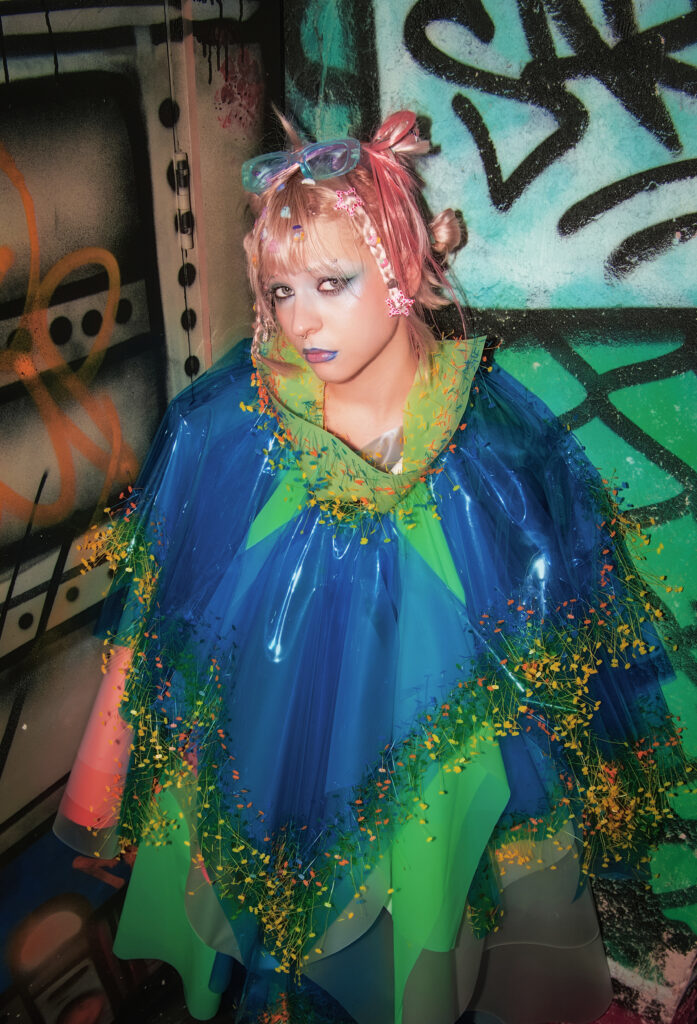
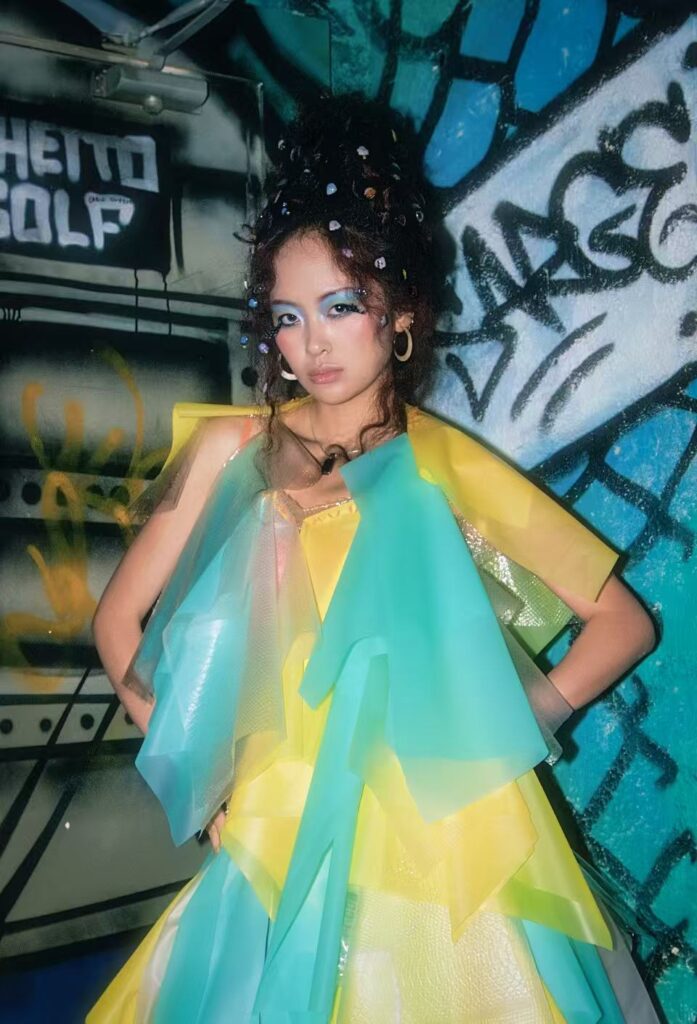
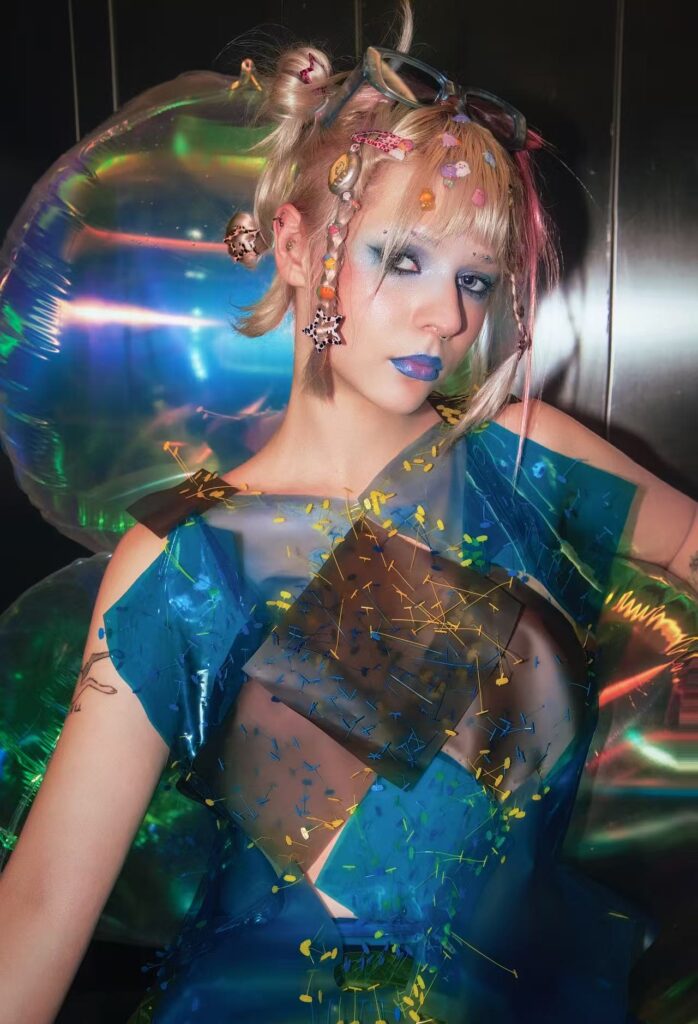
Reclaiming Shamate explores a youth subculture that has long been reduced to stereotype and ridicule. Rather than recreating a trend, the project works with a fashion designer to revisit Shamate’s visual language as a way of thinking about identity, self-expression, and cultural agency. Photography here is not used to document appearance, but to question dominant aesthetic norms and reconsider how marginalized identities are seen and understood.
Many of the young people associated with Shamate grew up in small towns or rural areas and began working quite early, often in factories or service jobs. In everyday life, opportunities for self-expression could be limited. With fewer resources to follow mainstream fashion, some developed bold hairstyles and distinctive looks as a way to express presence and identity, not necessarily to fit in, but to be seen.Evenings held a particular significance. After long shifts, the streets and tucked-away corners of the city could become a brief space for breathing and self-expression. Choosing to photograph at night with direct flash, I wanted to echo that moment of stepping into the light. The direct flash is unembellished and immediate, drawing attention to styling and posture without softness, almost like a temporary spotlight. It is less about provocation and more about acknowledging a reality: in spaces where people often go unnoticed, there is still a quiet determination to be visible on one’s own terms.