
Geng Liu
About
I am a designer from Guangzhou, China, working across interaction design, product thinking, and visual communication. My practice explores how design can translate complex cultural and technological contexts into meaningful, situated experiences.
Background
My design journey began with Industrial Design at Dongguan University of Technology, where I developed a sensitivity to products, materials, and human use.
I later studied Interaction Design at the Guangzhou Academy of Fine Arts before continuing my postgraduate studies in Design Innovation and Interaction Design at the Glasgow School of Art through the 1+1+1 exchange programme.
Practice
With experience spanning product, interaction, and visual projects, I approach design as a way of connecting people with complex systems, technologies, and cultural contexts.
I am particularly interested in creating experiences that are grounded in their environments, accessible to diverse audiences, and emotionally resonant.
Approach
My practice is research-driven, strategy-led, and iterative. I often begin with everyday observation, contextual research, and visual mapping to understand the people, relationships, and conditions surrounding a design question.
These insights are then translated into concepts, prototypes, and testing processes. Through continuous experimentation and refinement, I develop ideas that respond thoughtfully to both practical needs and lived experience.
Gaelic Proverbs Panorama
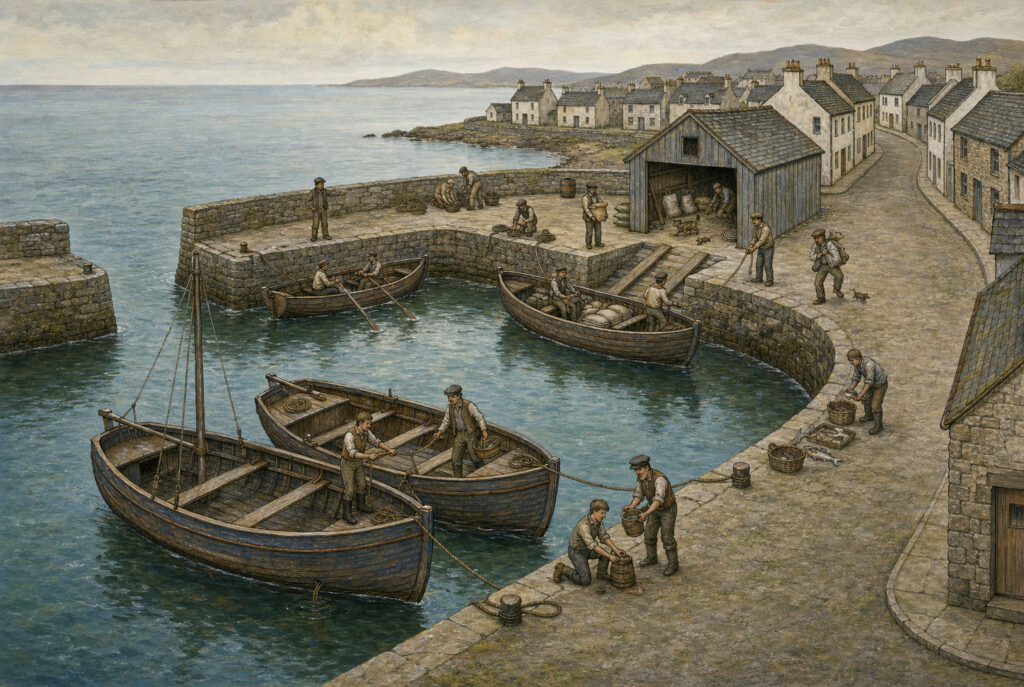
Gaelic Proverbs Panorama is an interactive, trilingual web handscroll exploring what can be lost when a proverb is reduced to a single translation. Conceived as a museum prototype for visitors who do not speak Gaelic, it presents Scottish Gaelic proverbs as expressions shaped by place, imagery and cultural context rather than as isolated definitions.
The experience brings 25 documented proverbs into one continuous, fictional Highland landscape. Visitors can travel through seven environments, enter individual visual scenes, encounter the original Gàidhlig wording, read a plain-language explanation, compare related English and Chinese sayings, and trace each proverb to its historical source. They can then return to the wider landscape without losing their place, turning translation into an open and reversible journey.
AI supported the exploration and production of the project’s imagery, but it is not treated as a translator or cultural authority. Responsibility for sources, visual rules, selection, rejection, repair and disclosure remains with the designer. By keeping provenance, difference and uncertainty visible, the project asks how digital interaction can build connections between languages without making their differences disappear.



Neucon – A Design Fiction Project
Future Context
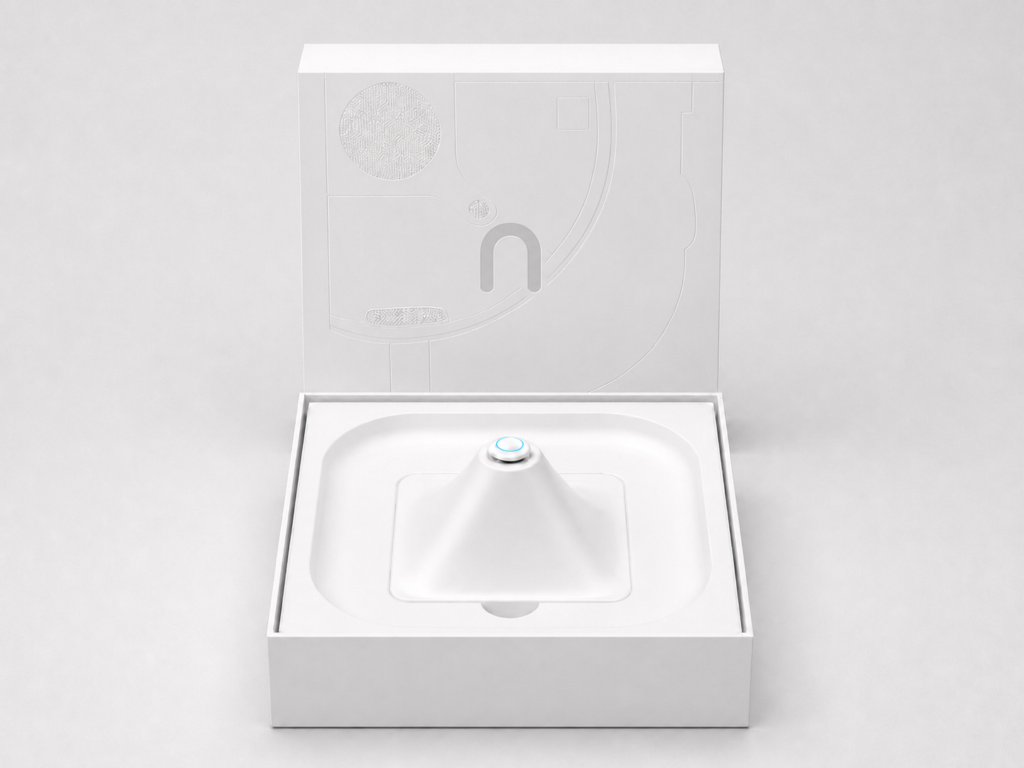
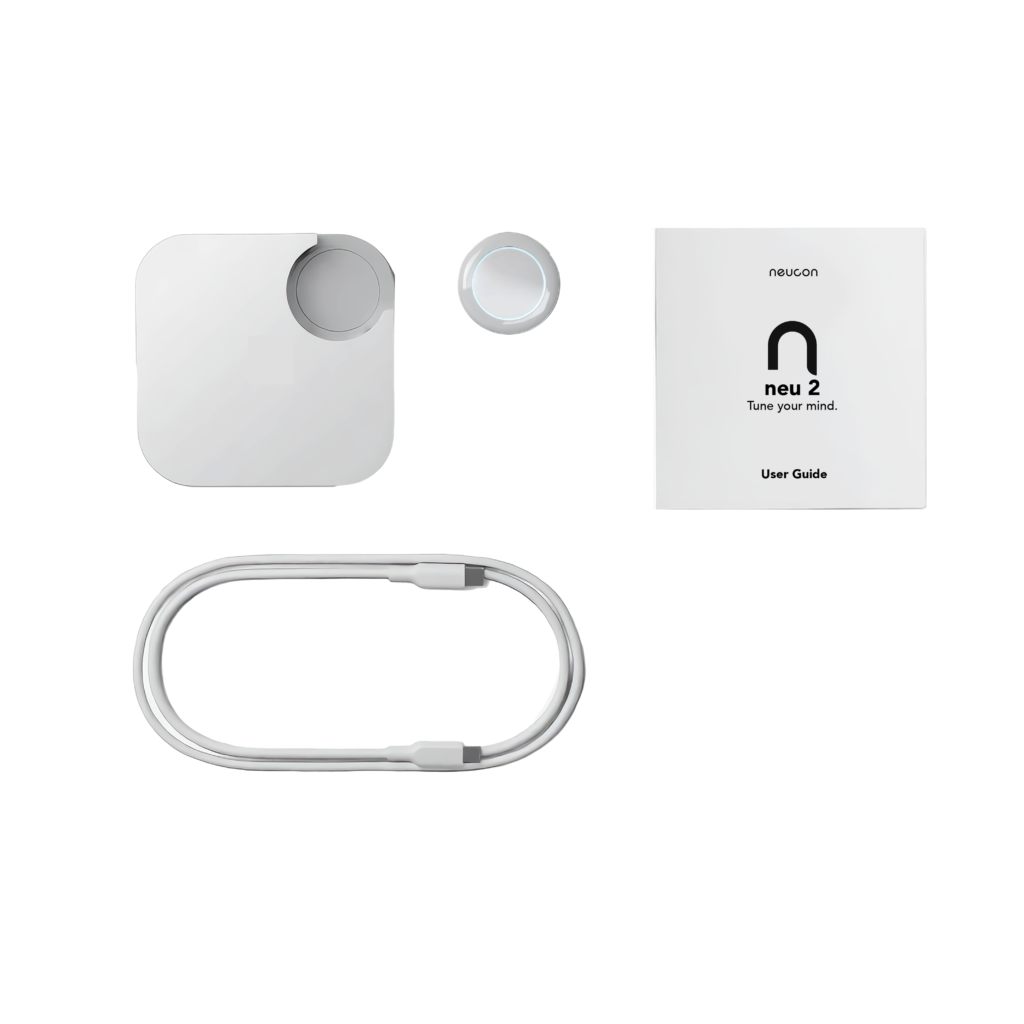
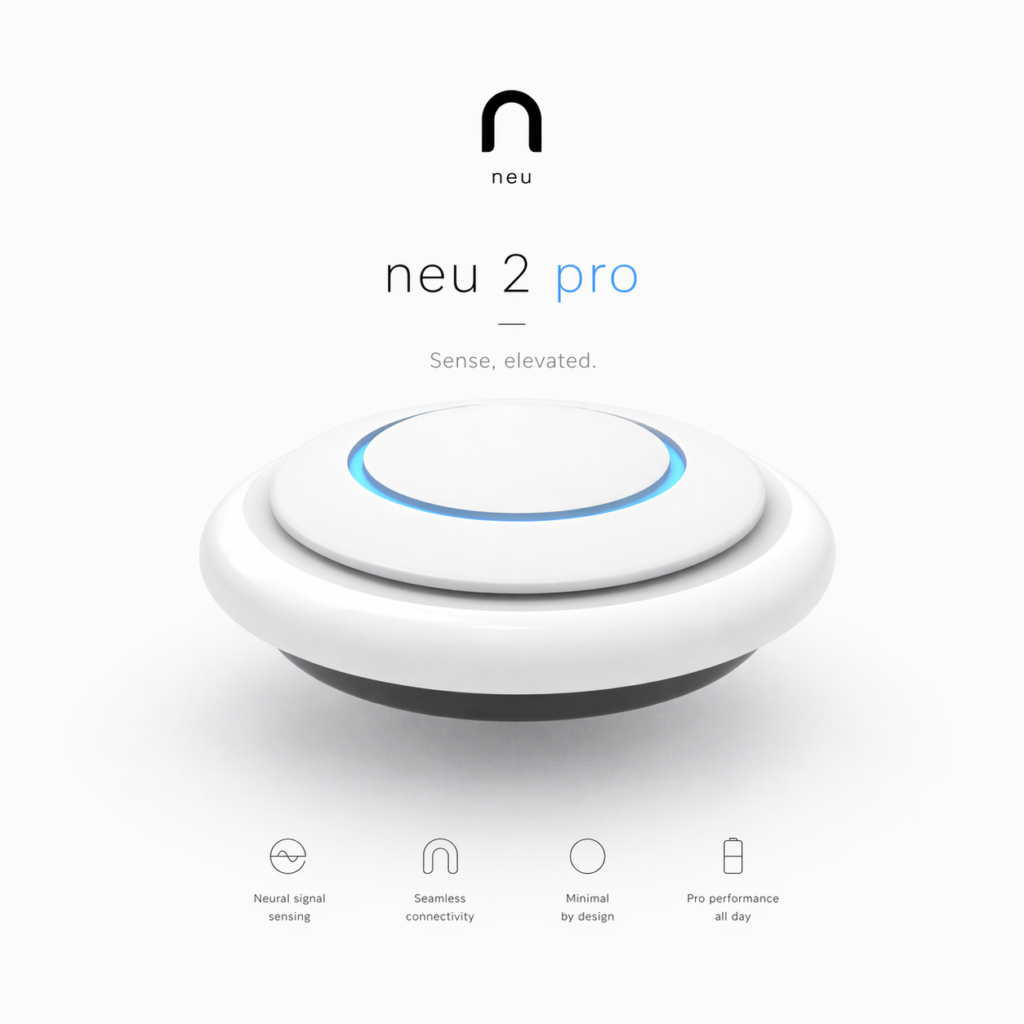
Neucon is a collaborative design-fiction project that asks what might happen if EEG technology moved from specialist settings into everyday consumer electronics. Set ten years in the future, it imagines devices that continuously interpret attention, stress, sleep and emotional states, turning focus, calm and rest into selectable modes.
A Fictional Product System
The project presents Neucon as a fictional technology company and develops its Neu series through product designs, interfaces and a launch film. By borrowing the polished visual language of consumer electronics, the project makes this speculative technology appear desirable and familiar before revealing the risks hidden beneath convenient self-regulation.
Critical Scenarios
Two scenarios expose different forms of failure. In the first, parents use a device designed for adult self-regulation to control their child’s sleep, raising questions about identity, permission and consent. In the second, Focus Mode traps a user inside an existing state of irritation instead of supporting concentration, revealing the dangers of technology that can detect signals but cannot understand emotional context.
Key Tensions
The project examines three central tensions: control versus autonomy, care versus misuse, and optimisation versus authenticity. It asks who should be allowed to regulate another person’s emotional state, whether focus and calm could become social expectations, and whether constant optimisation might reduce our tolerance for instability, inefficiency and emotional variation.
Design Position and AI Process
Rather than proposing a single solution, Neucon uses design fiction to expose how technology intended for self-care could shift towards external intervention. AI-supported image and video tools helped construct the fictional world through product references, keyframes and storyboard fragments. However, context, visual constraints, continuity and final decisions remained the responsibility of the designers.