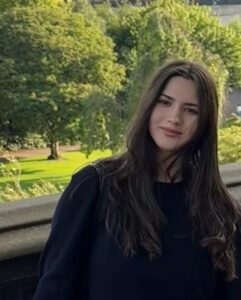
Andreea Nebunu
(She/Her)
Hello, My name is Andreea, and I’m a MSc Medical Visualisation and Human Anatomy graduate! I hold a Bachelor’s degree with Honours and an Endeavour Prize in Biological and Forensic Sciences from Coventry University, where my passion for Facial Reconstruction and Medical Visualisation started! I have always loved Fine Art and the idea that Art can be a perfect medium through which Science can be explained, which lead me to independently research during my undergraduate studies the practice of facial reconstruction for forensic and archaeological prospects. This challenge culminated with a self proposed project of a facial reconstruction of a partial skull, shadowing opportunities in 3D printing for forensic purposes, as well as the privilege to deliver a one-time guest lecture on Forensic Anthropology and Facial Reconstruction for forensic sciences students. After graduating I knew that I wanted to keep pursuing my passion for facial reconstruction and 3D imaging solutions for forensic and educational purposes, so the Medical Visualisation and Human Anatomy programme at the Glasgow School of Art proved to be the most perfect choice!
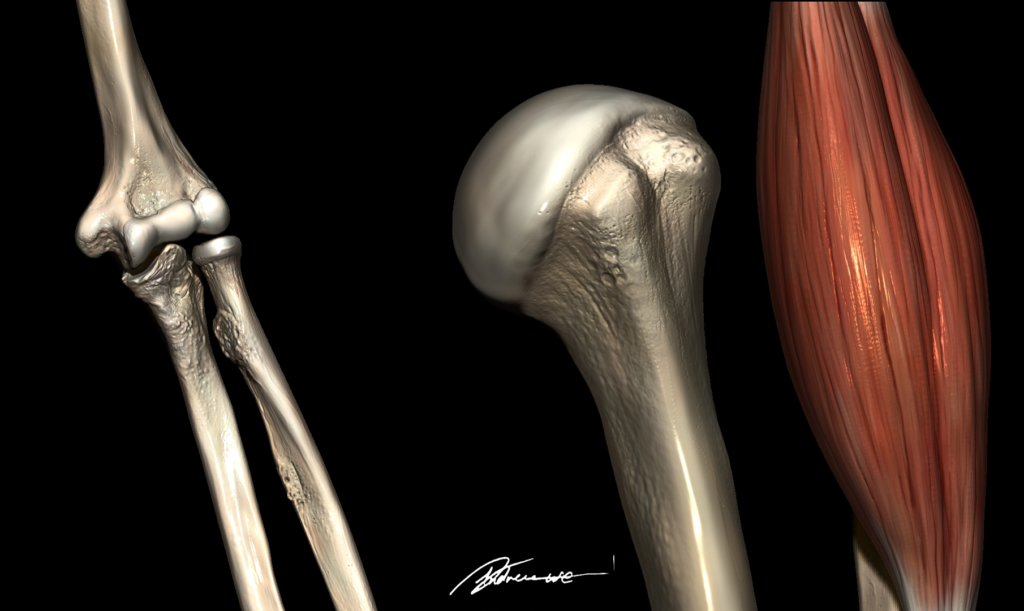
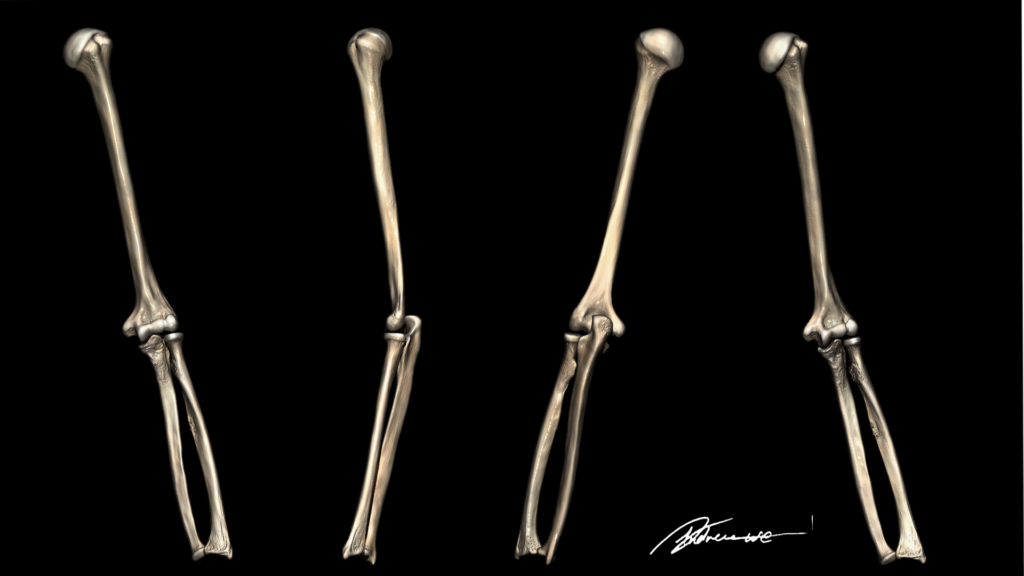
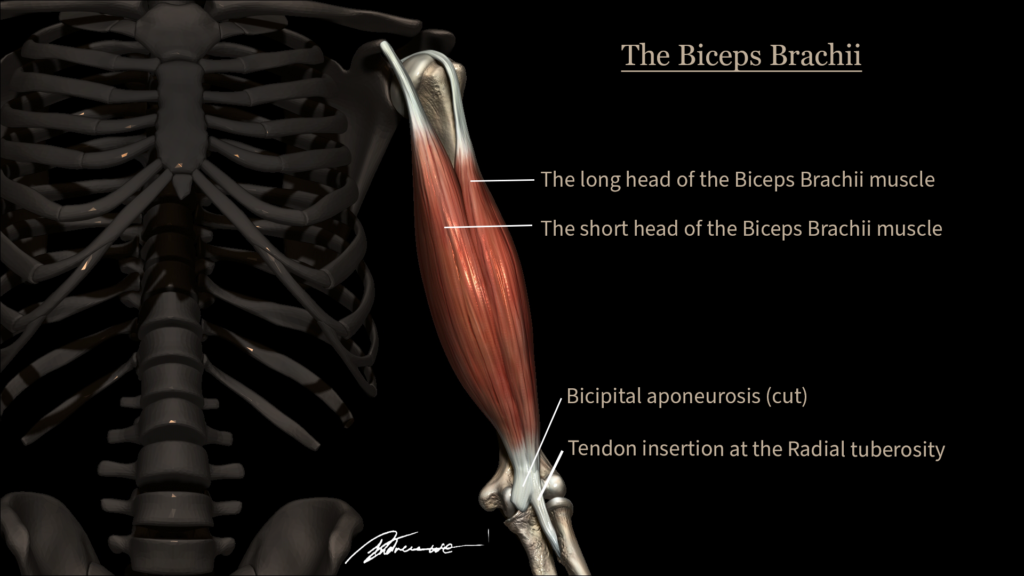
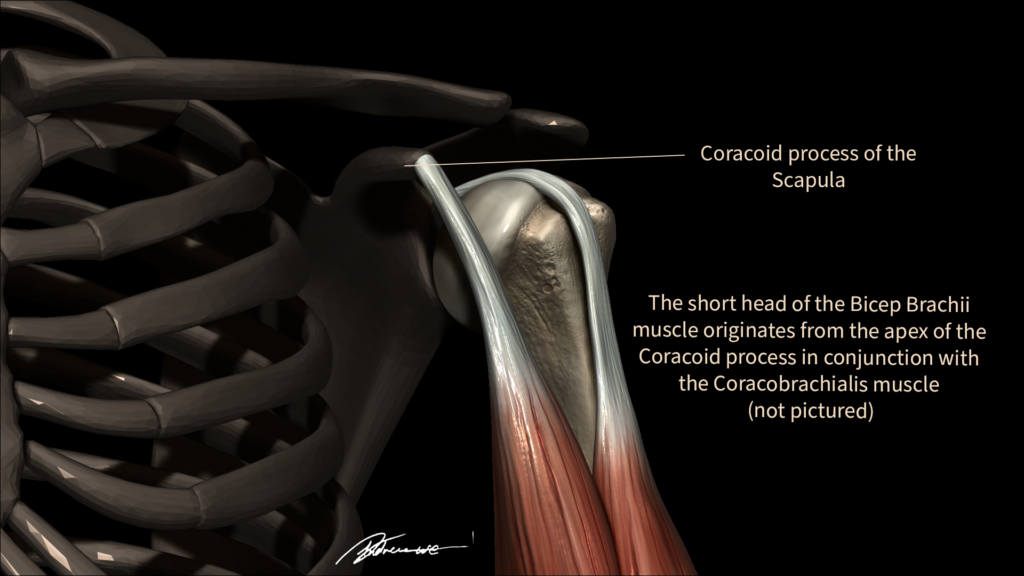
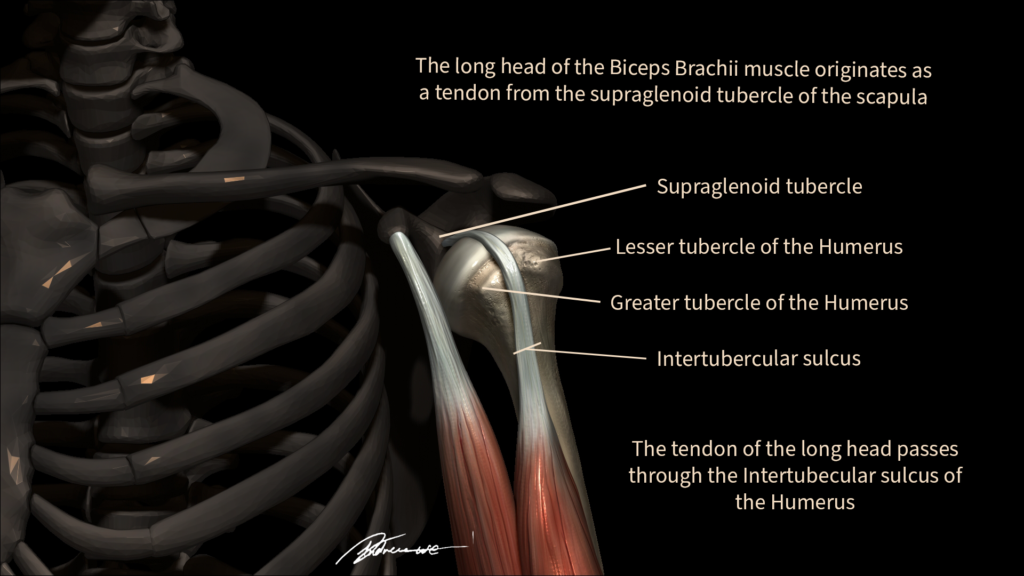
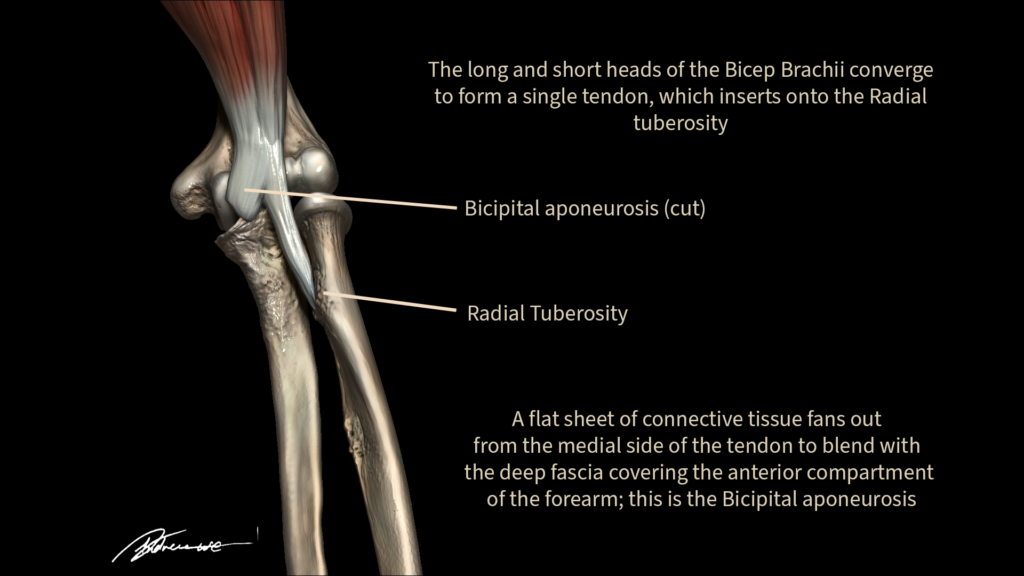
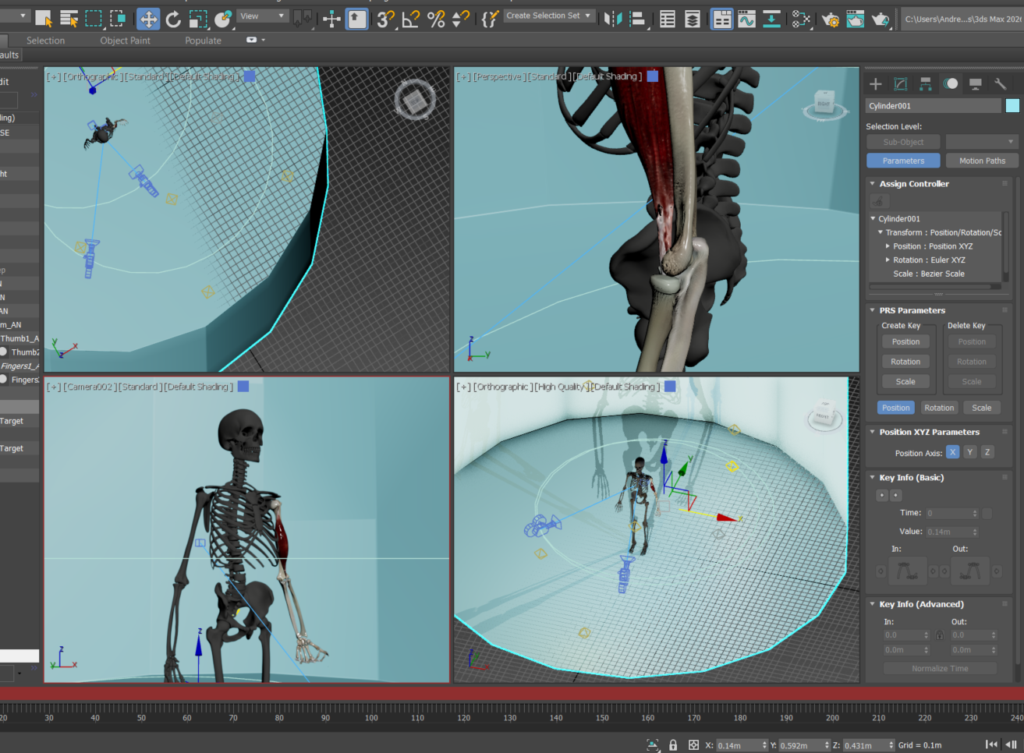
I had an incredible year learning the extensive range of industry standard skills that the Medical Visualisation programme had to offer: form Volumetric Visualisation with the aim of visualising patient-specific anatomical data, Immersive Technologies such as AR and VR and Human Computer Interactions though building medically-focused application using Unity and C#, as well as 3D Modelling and Animation. During the Anatomy teaching component of the programme, I’ve gained hands-on experience in cadaveric dissection, which allowed me to deepen my understanding of human anatomy, a pivotal step for the production of anatomically accurate 3D visualisation materials.
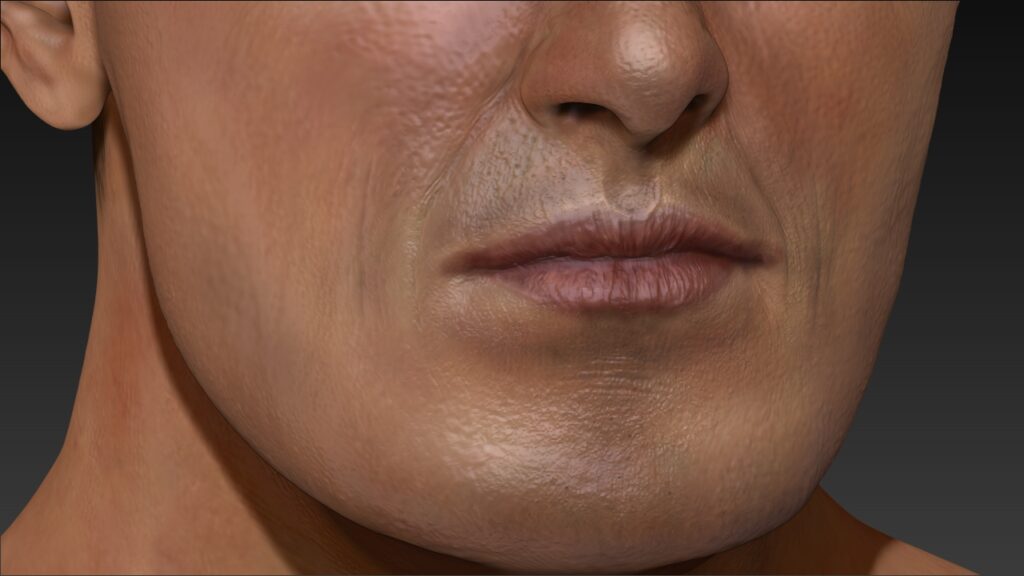
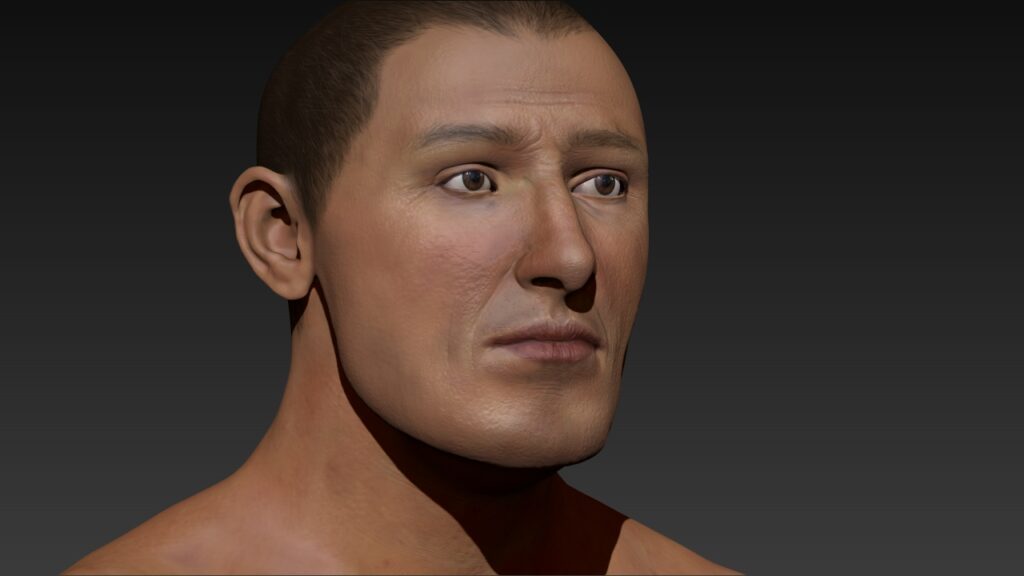
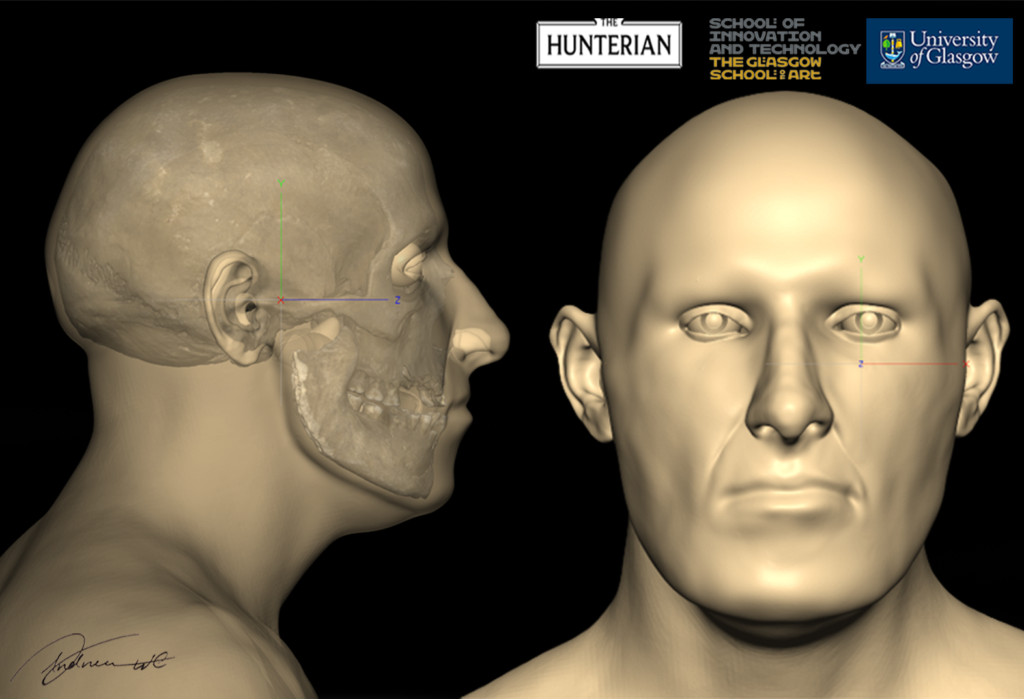
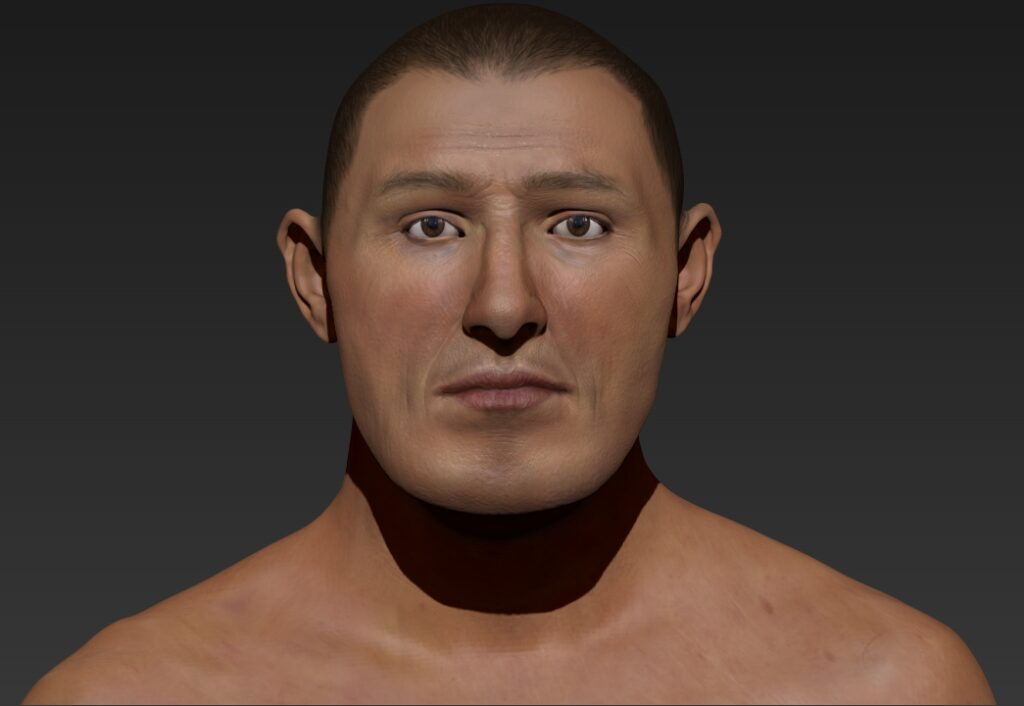
For my thesis project I had the fantastic opportunity to work with Dr Tobias Houlton from Houlton Forensics and The Hunterian Museum in order to produce a 3D computerised facial reconstruction of the Neolithic Clachaig Skull, a symbol of heritage and history of the Isle of Arran and Scotland in the Neoliothic period (c. 4000-2500 BCE).
Looking back, I cannot name one aspect of this course that I have enjoyed the most, as overall this has been my most rewarding, fun, challenging and fulfilling year in Higher Education yet, and I look forward to applying the knowledge and skill gained from this Master’s degree as I continue my professional and academic career!
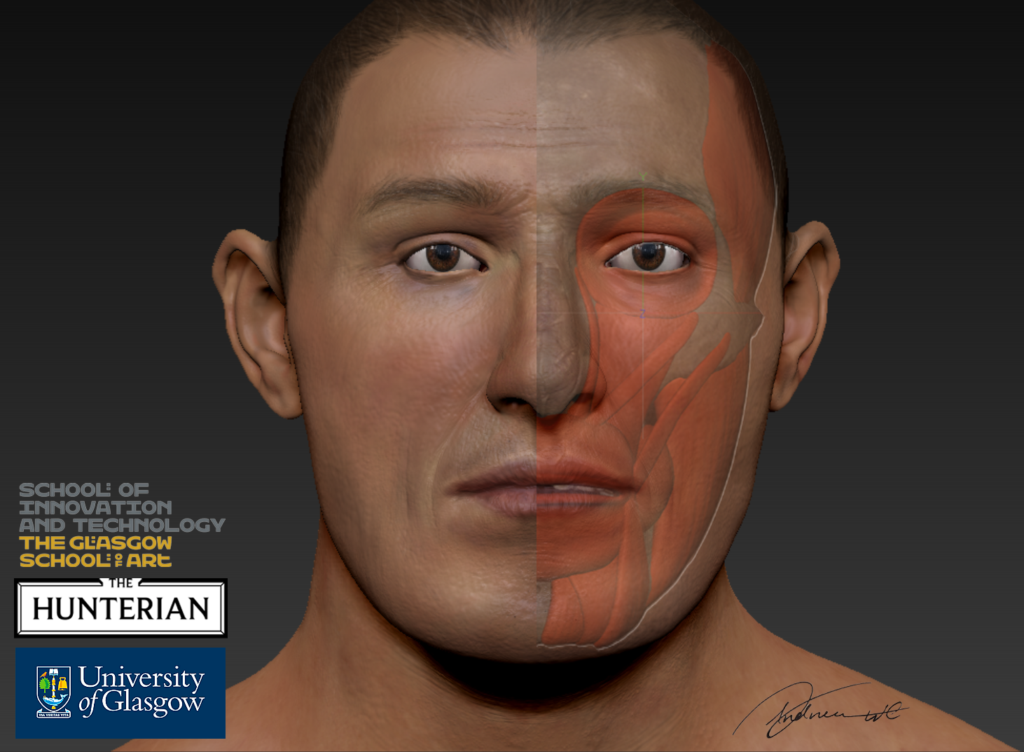
Thesis Project: 3D Computerised Facial Reconstruction of the Neolithic Clachaig Skull, c. 4000-2500 BCE (a revision of technology)
My thesis project, the 3D Computerised Facial Reconstruction of the Neolithic Clachaig Man (a revision of technology), was commenced under the excellent supervision of Eilidh Ferguson, Danny Buksh and Tobias Houlton for the MSc Medical Visualisation and Human Anatomy programme. The project is centered around the Clachaig Skull, which takes its name after the cairn of Clachaig Falls, situated on the Isle of Arran, from which it was excavated in the 1900s by Dr James Bryce; the skull itself dates back to sometime in the Neolithic Period (4000-2500 BCE).
In 1998 Professor Peter Vanezis, Regius Professor of Forensic Pathology at University of Glasgow produced a Computerised Facial Reconstruction of the Clachaig Skull, from which the sculptor Marvin Elliott produced a physical 3D bust of the Clachaig Man, which currently resides in the Isle of Arran Heritage Museum.
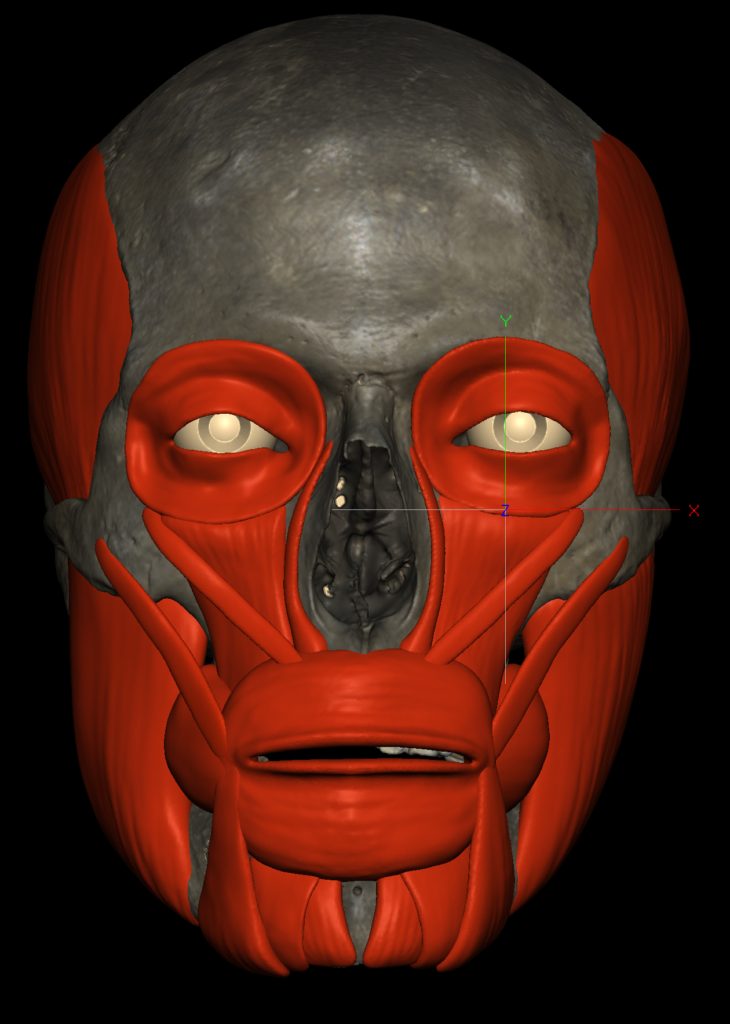
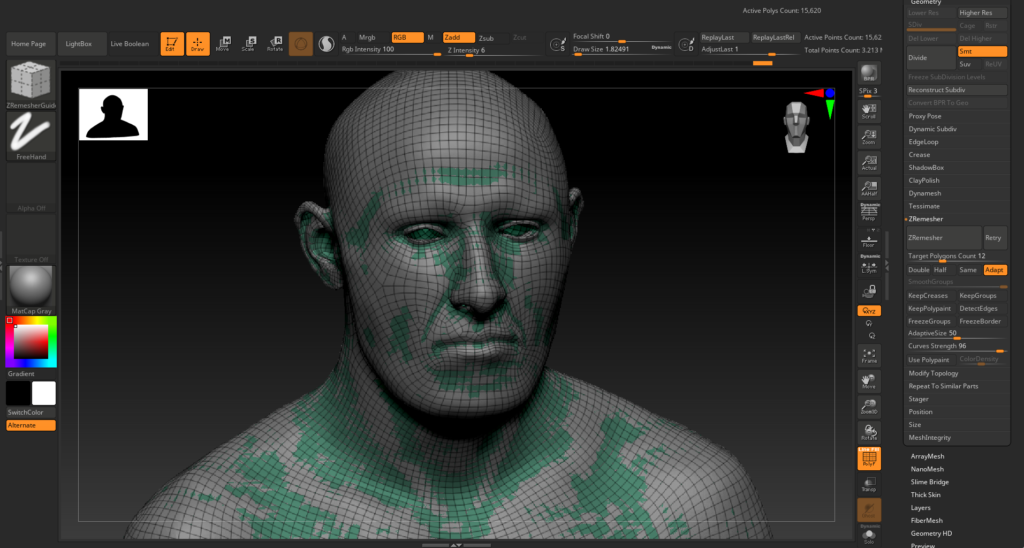
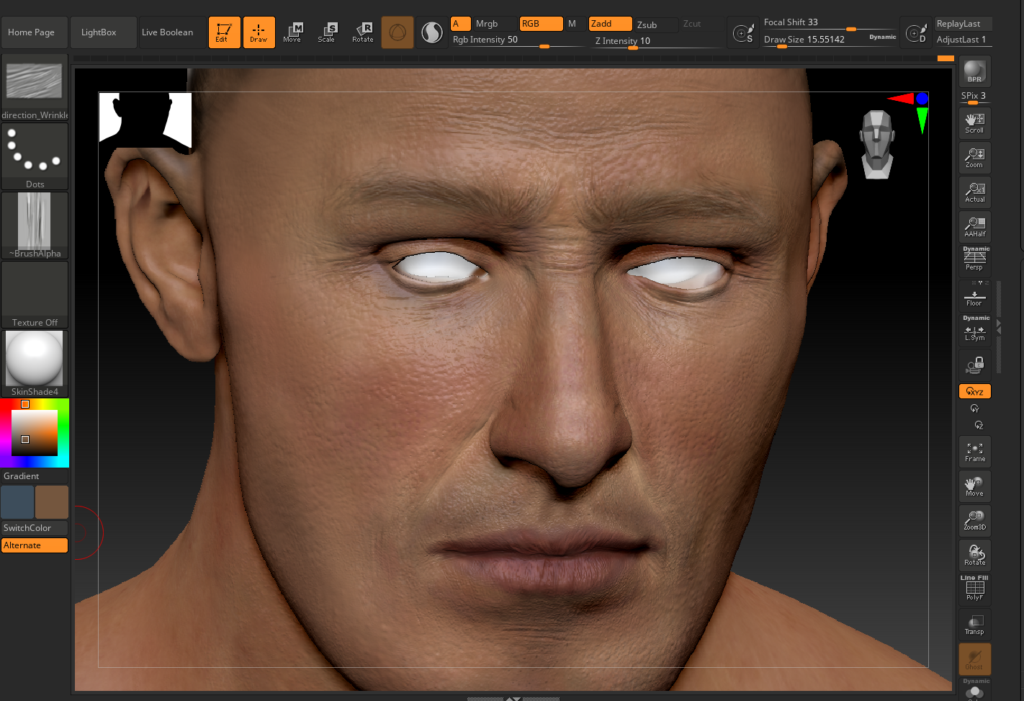
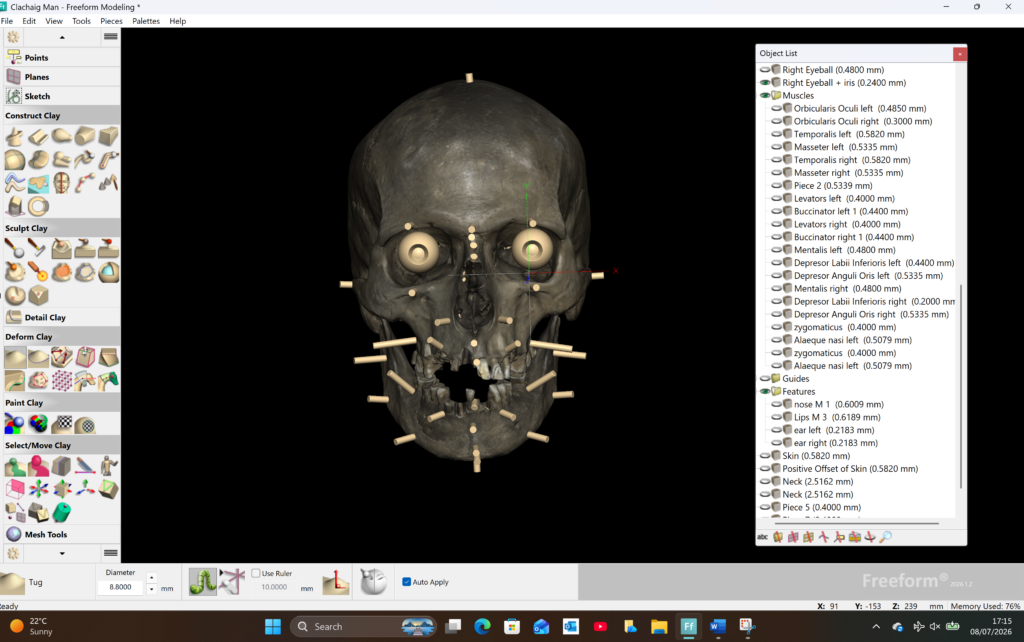
The scope of this research was to produce an updated 3D Computerised Facial Reconstruction of the Clachaig Skull in accordance with the advancement of techniques and technologies available in the field of Facial Reconstruction for Forensic and Archaeological purposes, such as the use of Haptic technologies and specialised software’s Geomagic Freeform, Maxon ZBrush and 3ds Max. A revision of these technological advancements may not only shed a different light onto how this native of Arran from 5,500 years ago may have looked like, but also give one of Scotland’s first farmers, a symbol of Scottish heritage and history, immortality beyond the glass cabinet of The Hunterian Museum, as the new 3D Computerised Reconstruction will remain exhibited in the Hunterian Anatomy Museum. To ensure a validated and accurate result, with appropriate training and guidance given by my supervisors and external collaborator, I was able to finalise this project under the exact workflow that experts in internationally recognised facial reconstruction laboratories use, such as the Face Lab.
I would like to express my gratitude to everyone involved in the support and supervision of this incredible opportunity, as well as the Hunterian Museum for their collaboration on this project.
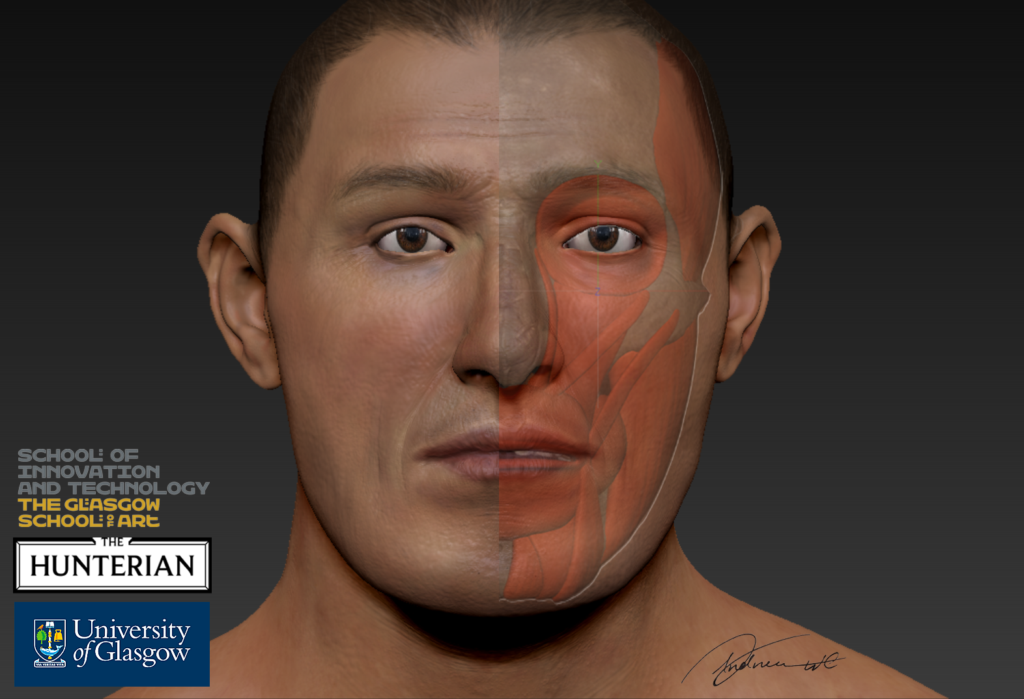
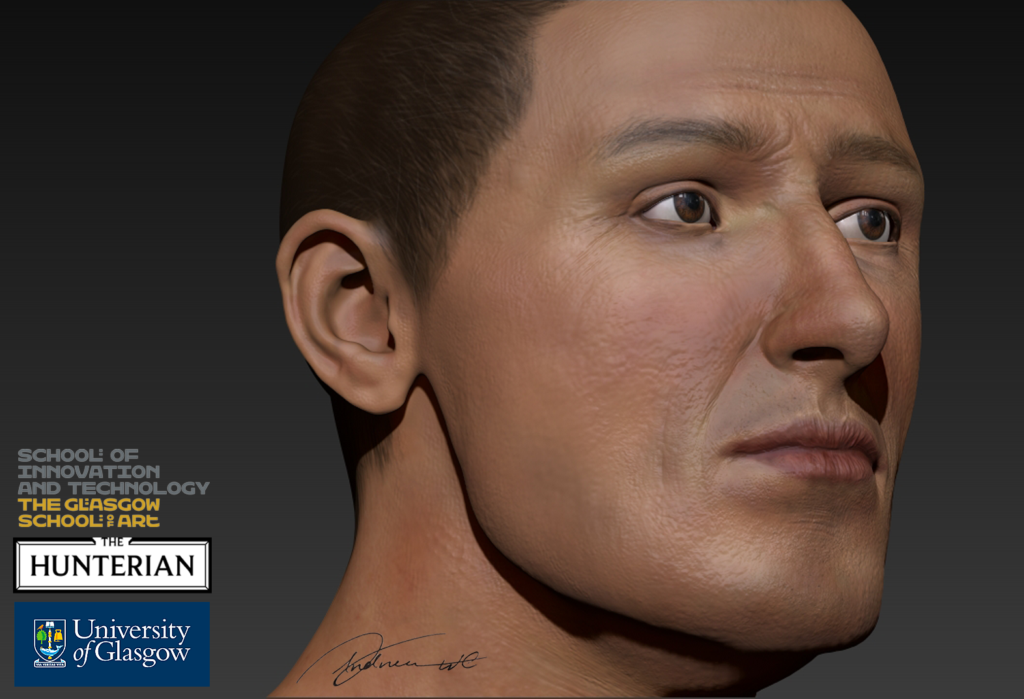
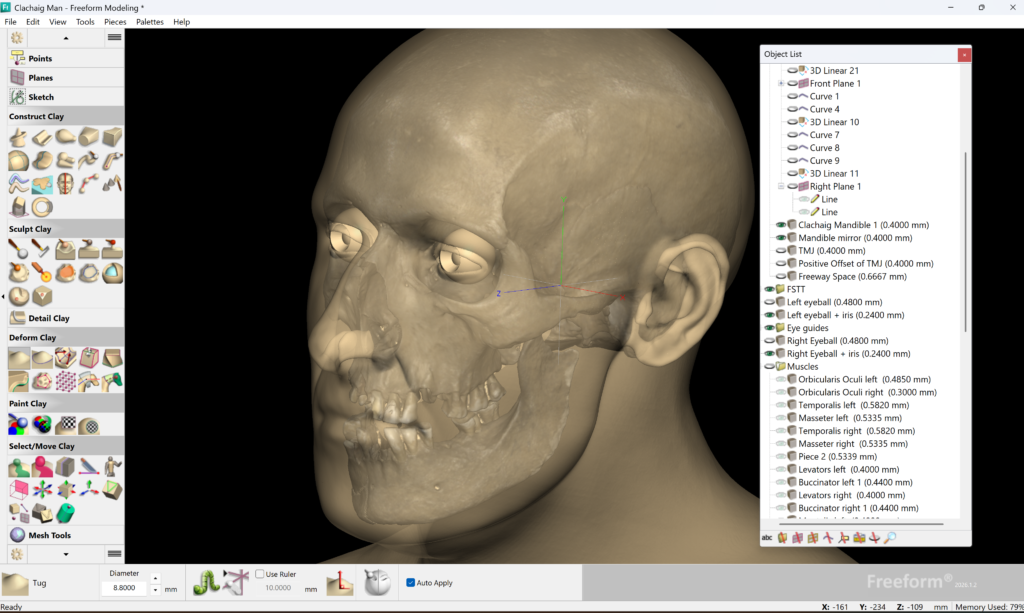
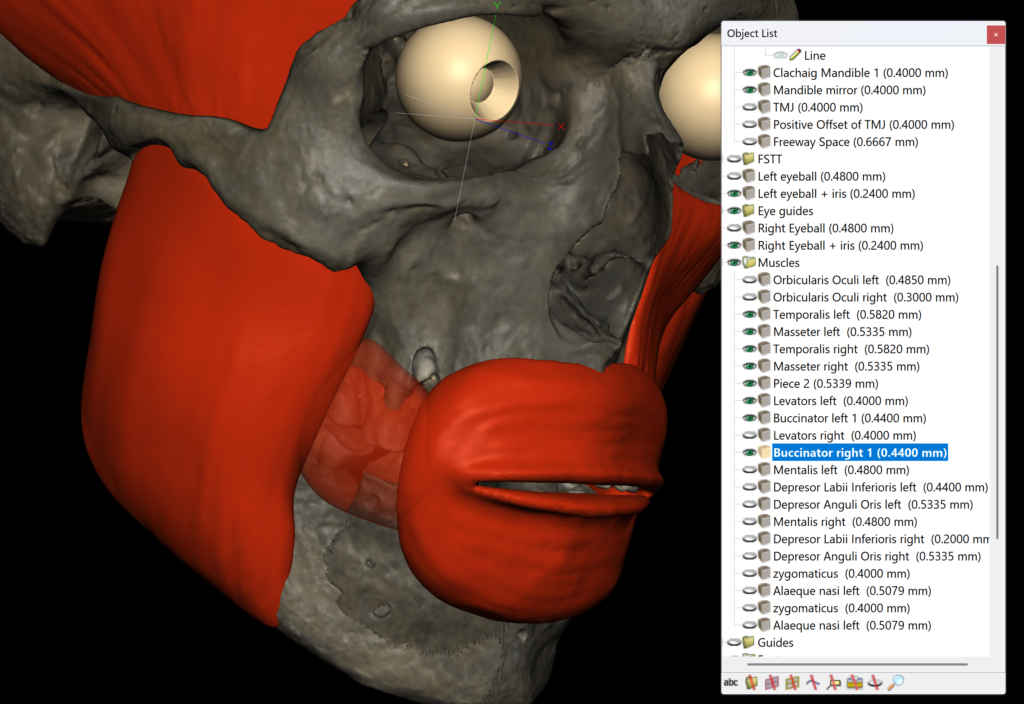
3D Modelling
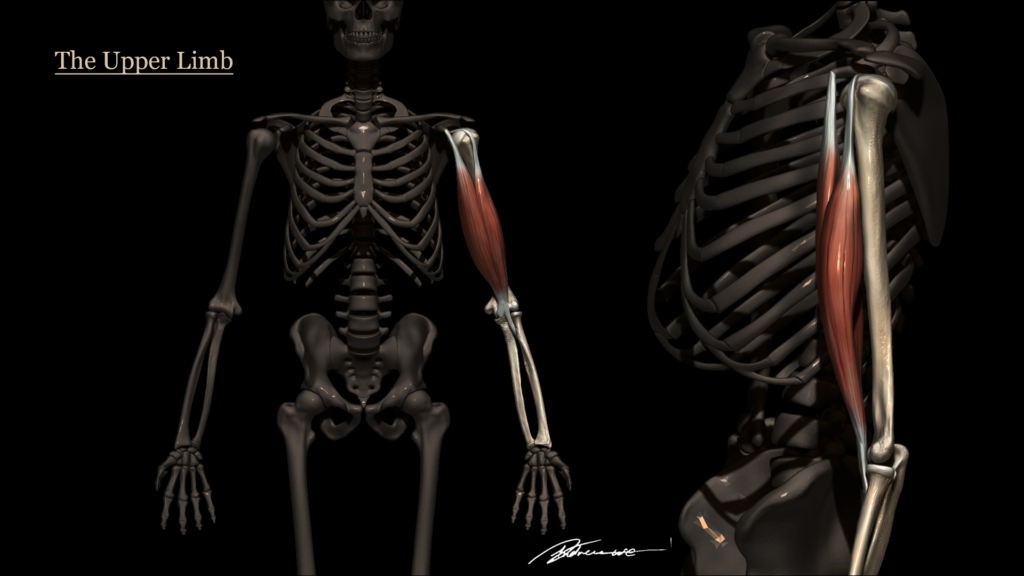
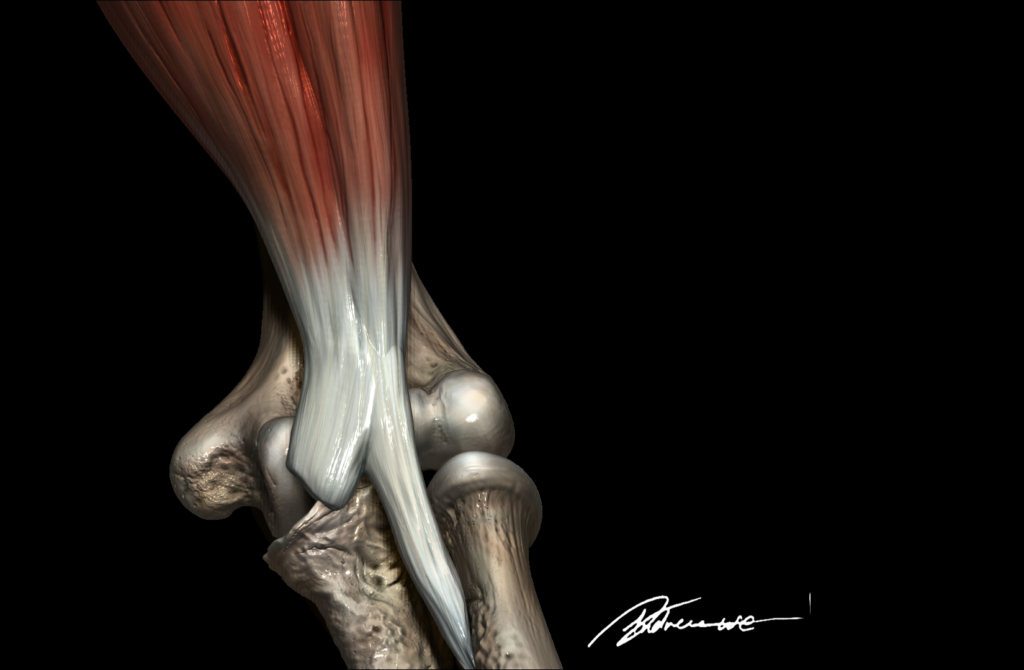
Volumetric Visualisation