
Liwei Ye —Across Cultures and Generations
(He/Him)
In recent years, many children’s media characters with long histories have entered contemporary visual culture and reached new audiences through reboots, adaptations, and redesigns. However, during the process of modernization, some redesigns place too much emphasis on realism, visual complexity, and mature aesthetics, which can weaken the original character’s visual identity, design intent, and expressive meaning. For classic characters with specific cultural backgrounds and cross-generational audiences, how to maintain their core identity while adapting them for contemporary and cross-cultural audiences has therefore become the main concern of this research.
This project explores how Japanese children’s media characters can be redesigned for contemporary cross-cultural audiences while preserving their original design intent and expressive meaning. By combining character design theory, cross-cultural design research, the development of Japanese tokusatsu, and case studies of character redesigns, the research examines how shape, color, silhouette, cultural symbols, and design intent contribute to the creation and continuation of character identity.
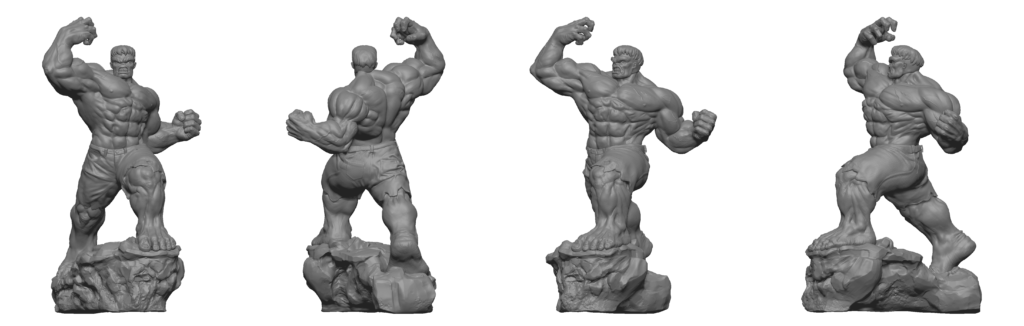
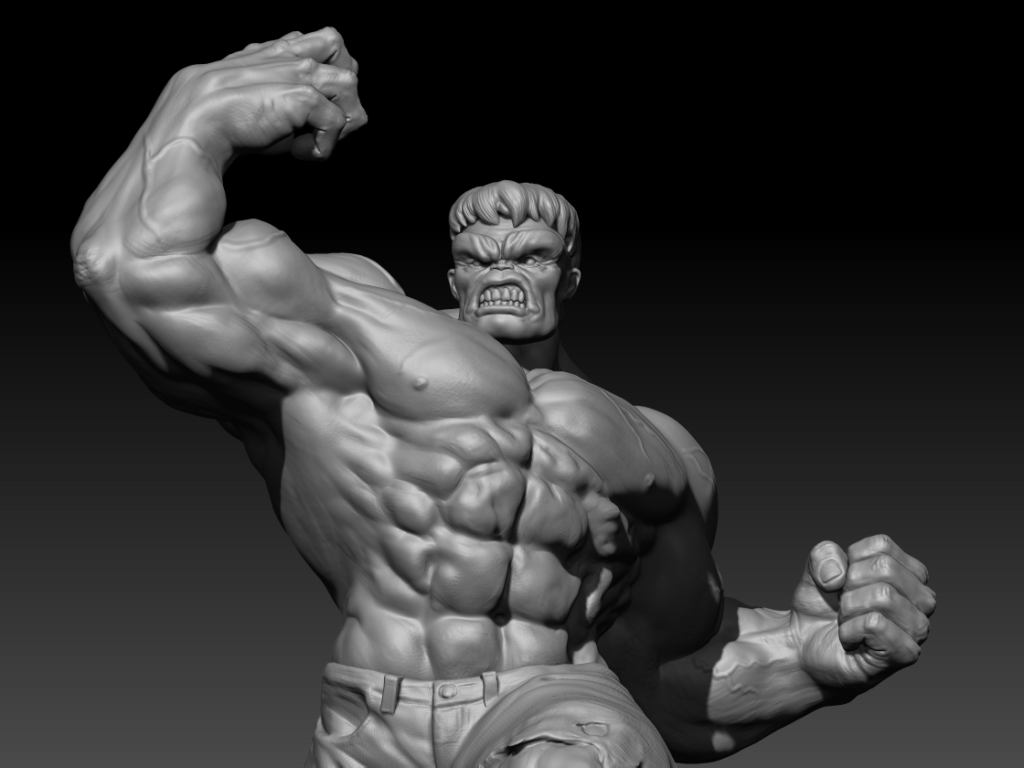
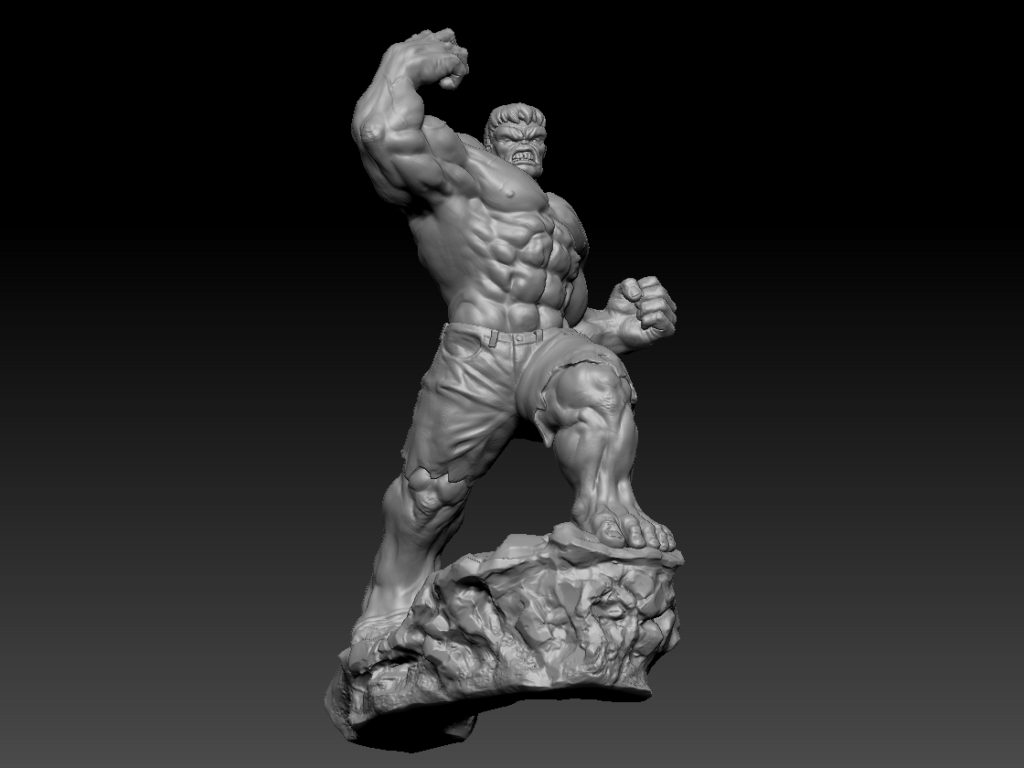
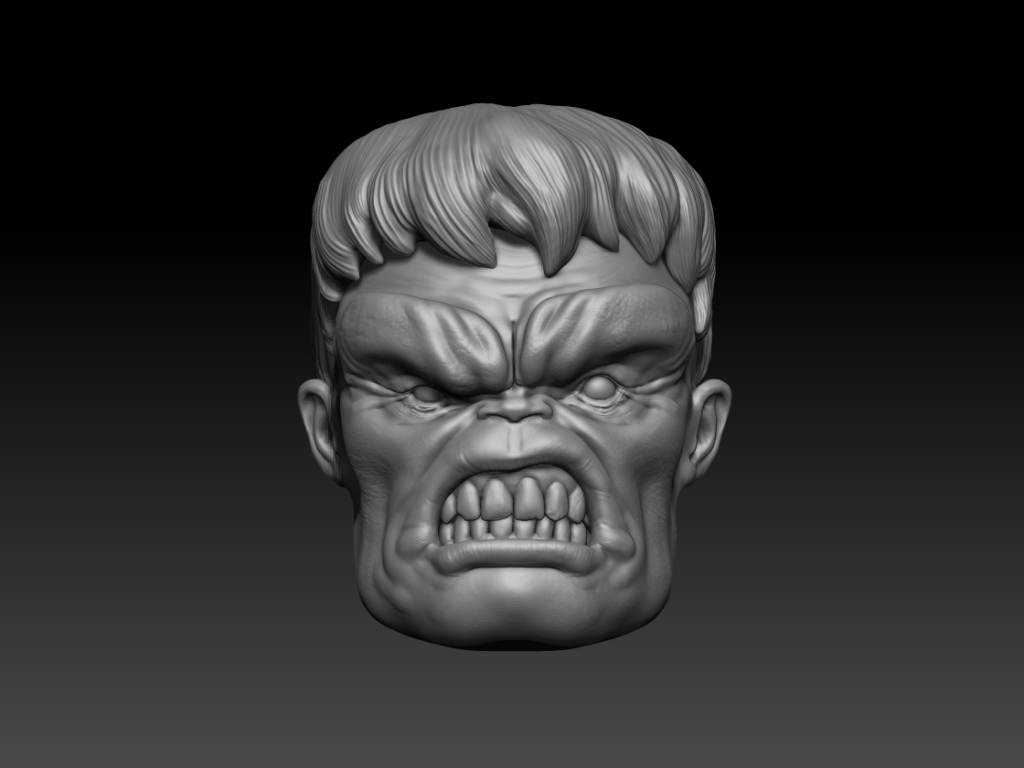
Hulk digital sculpture
A digital sculpture created in ZBrush, focusing on heroic anatomy, exaggerated proportions, and dynamic posing. The project explores muscle structure, facial expression, and form language to capture Hulk’s iconic sense of strength, weight, and aggression.
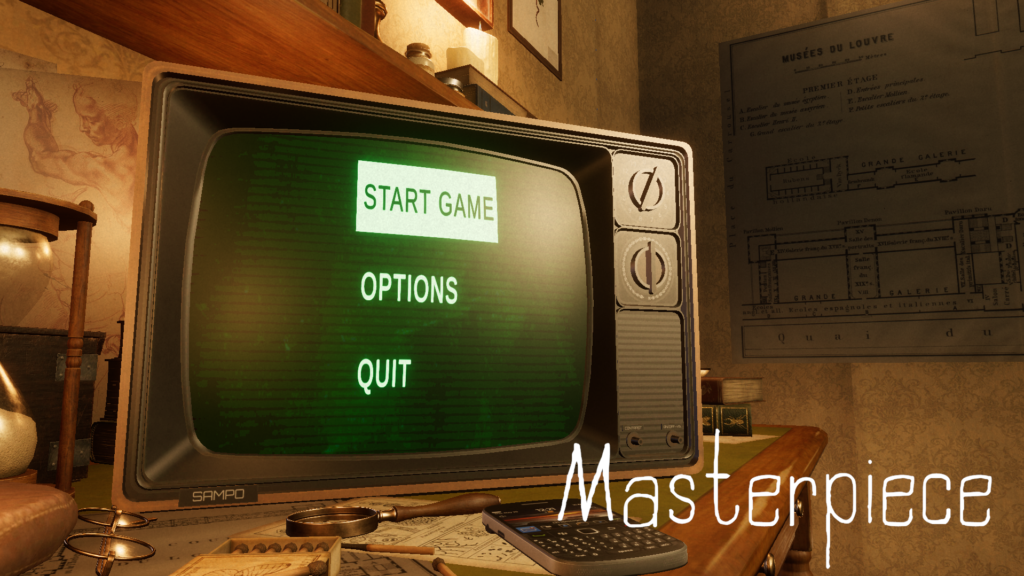
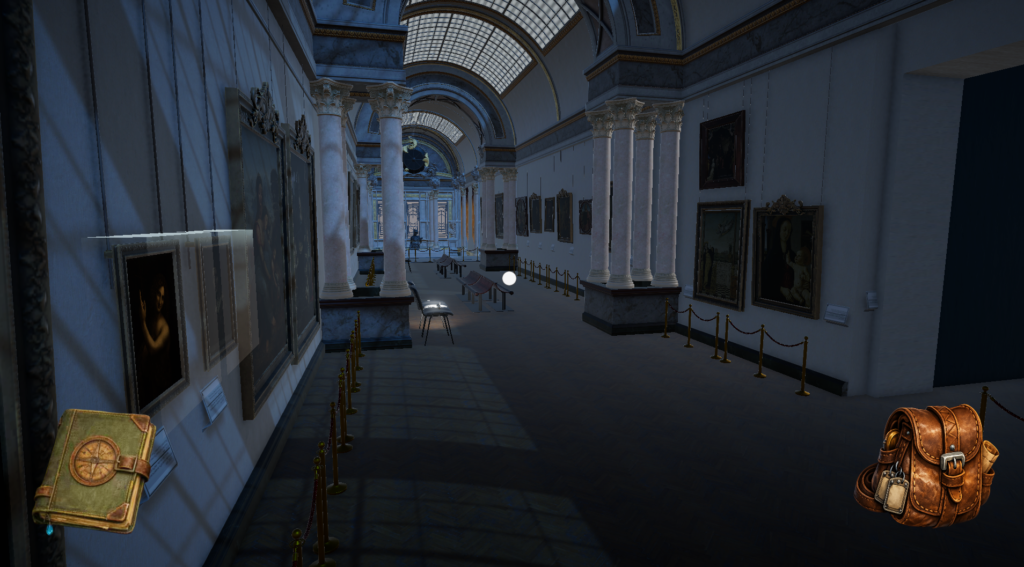
Masterpiece—puzzle solving game
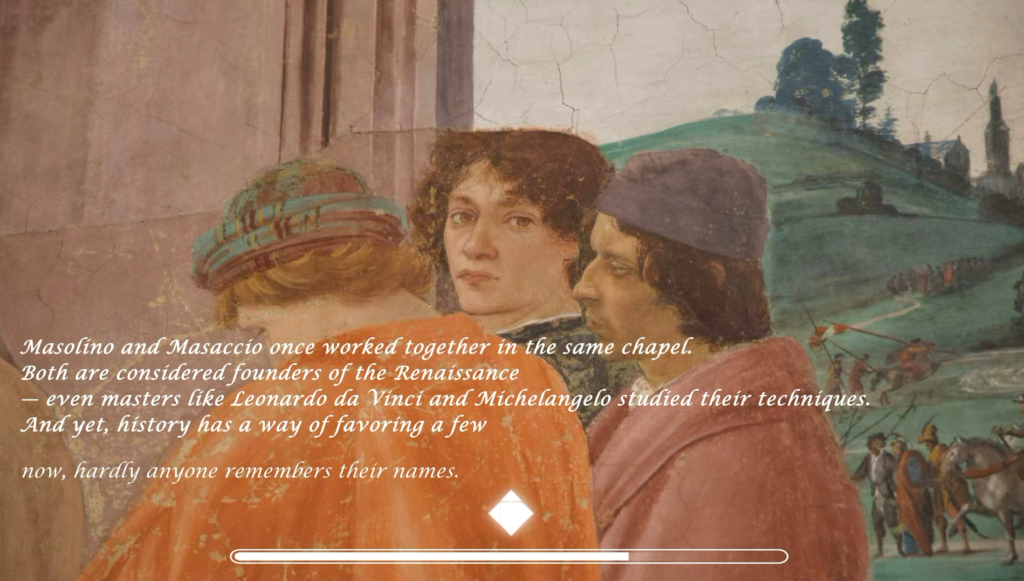
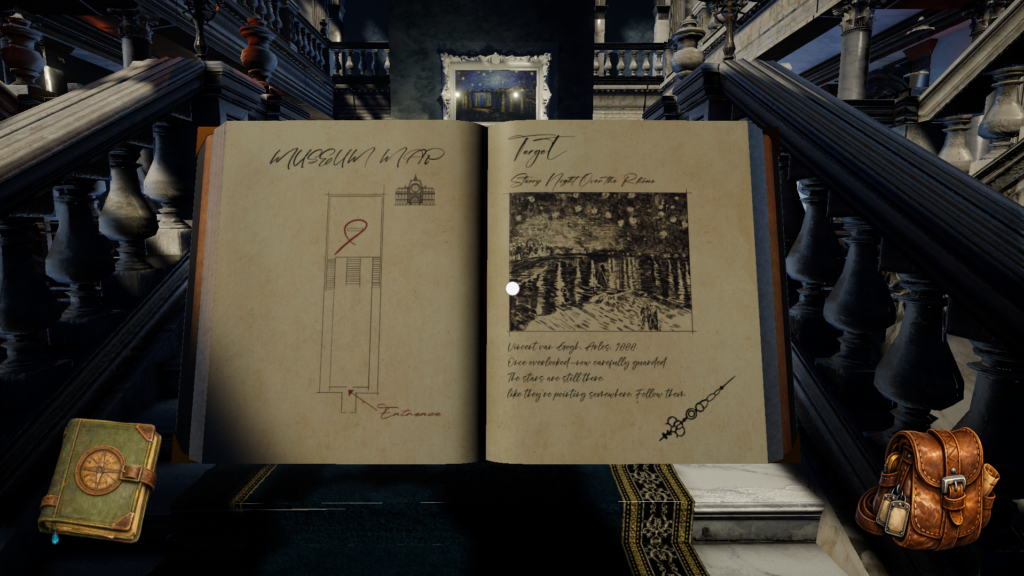
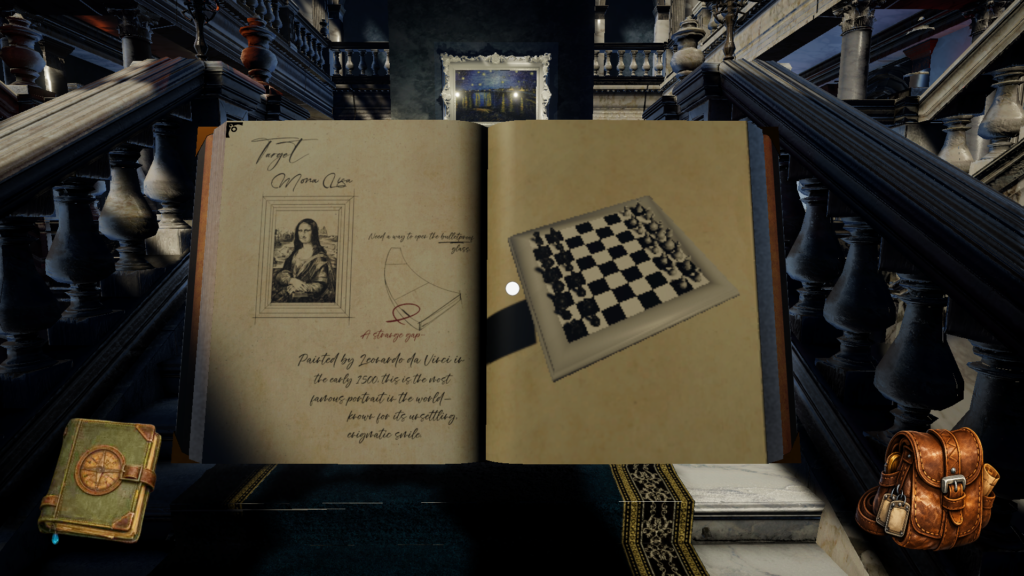
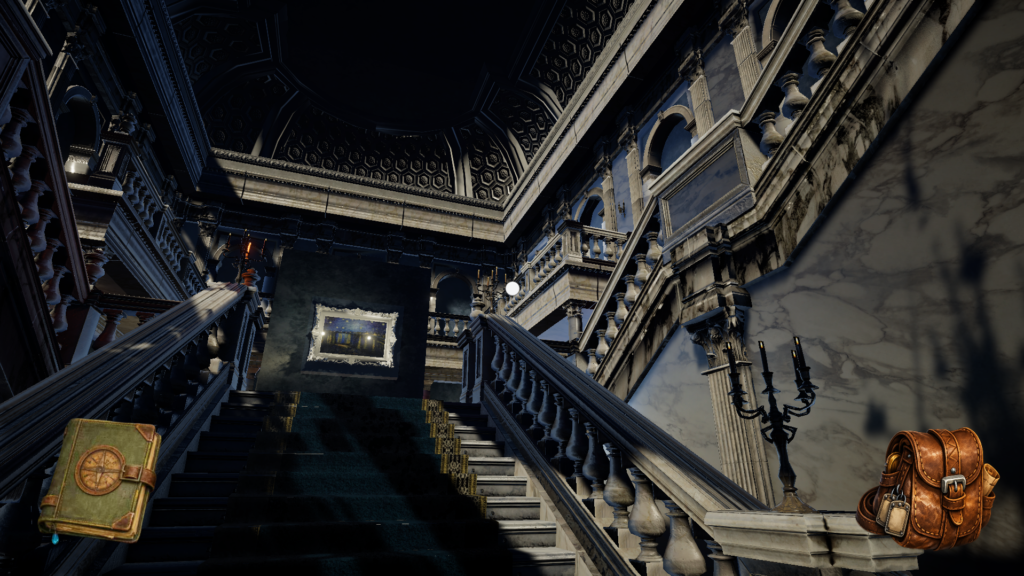
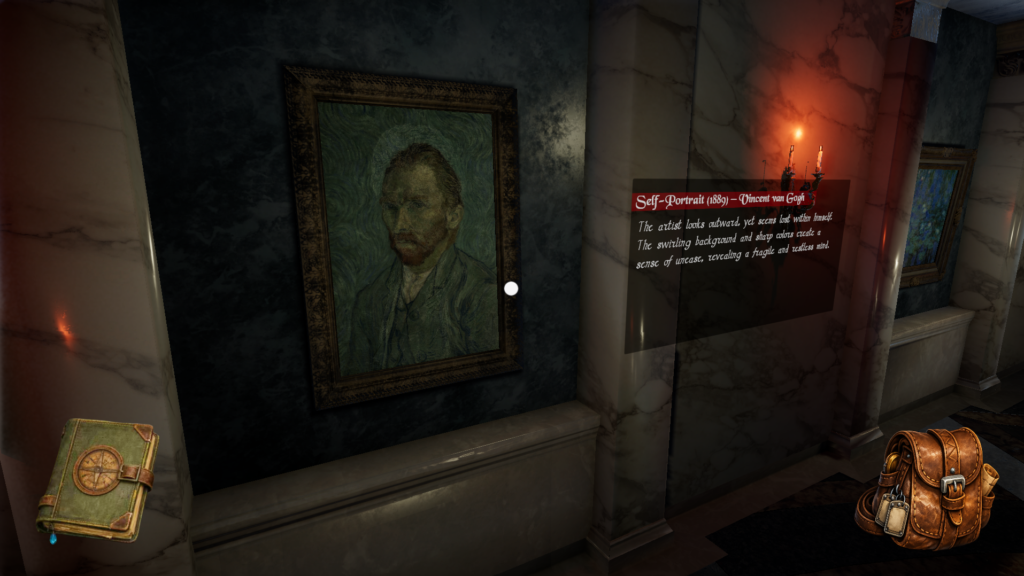
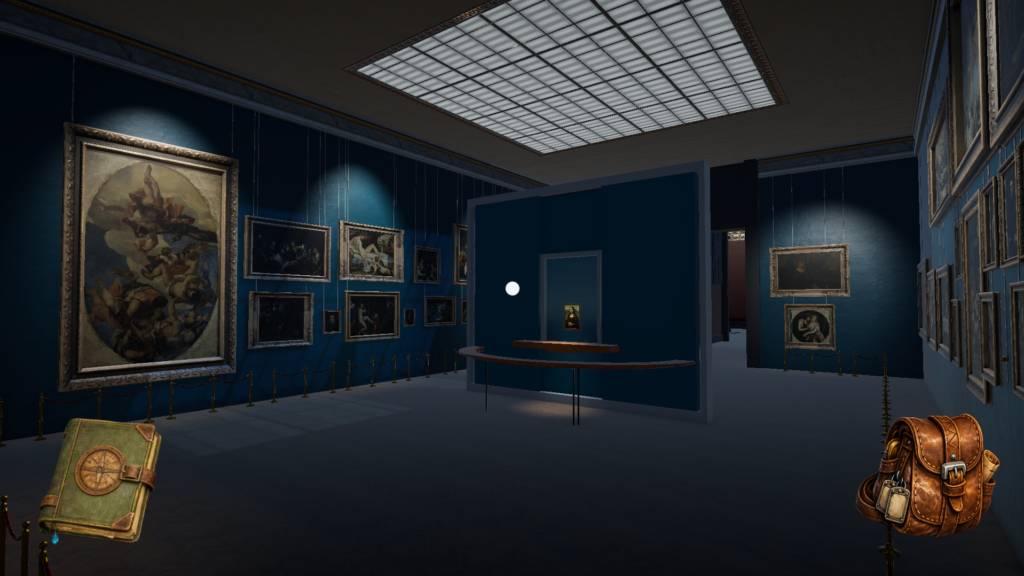
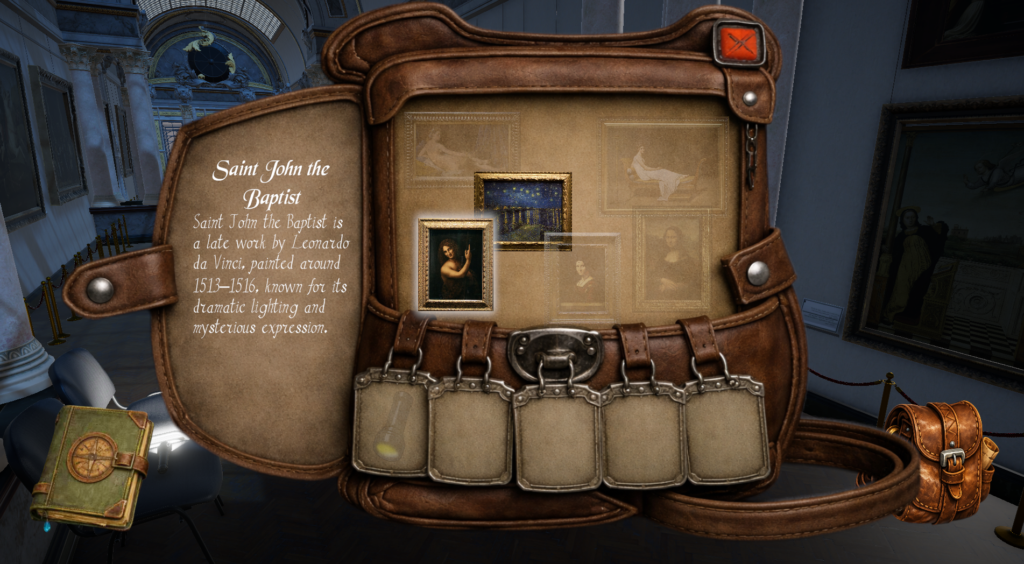
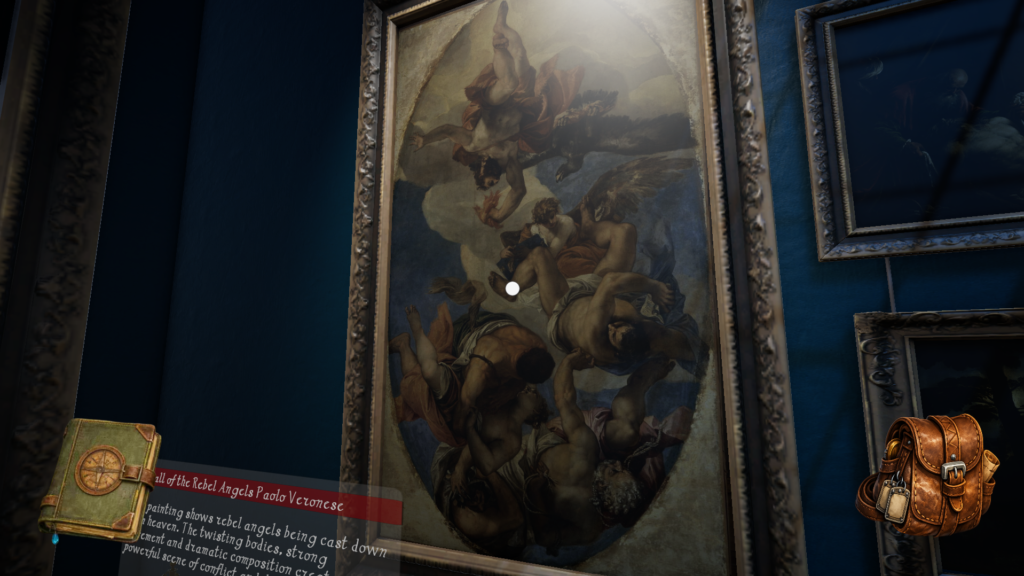
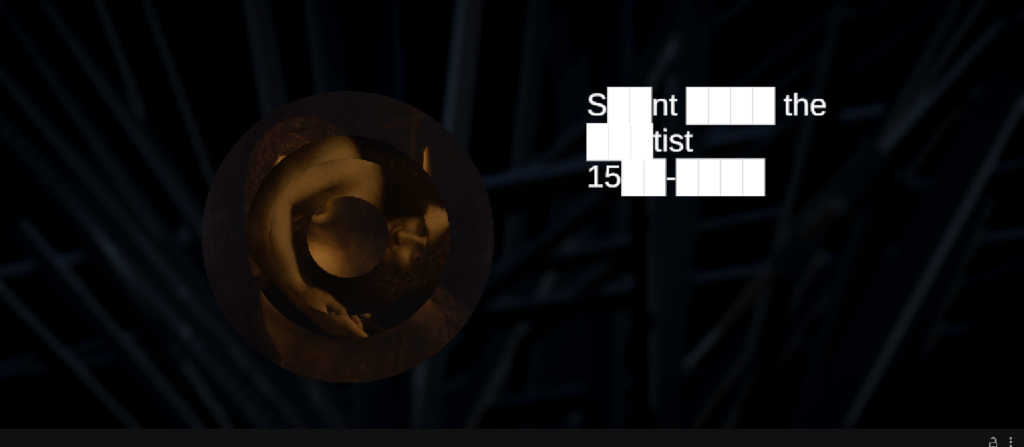
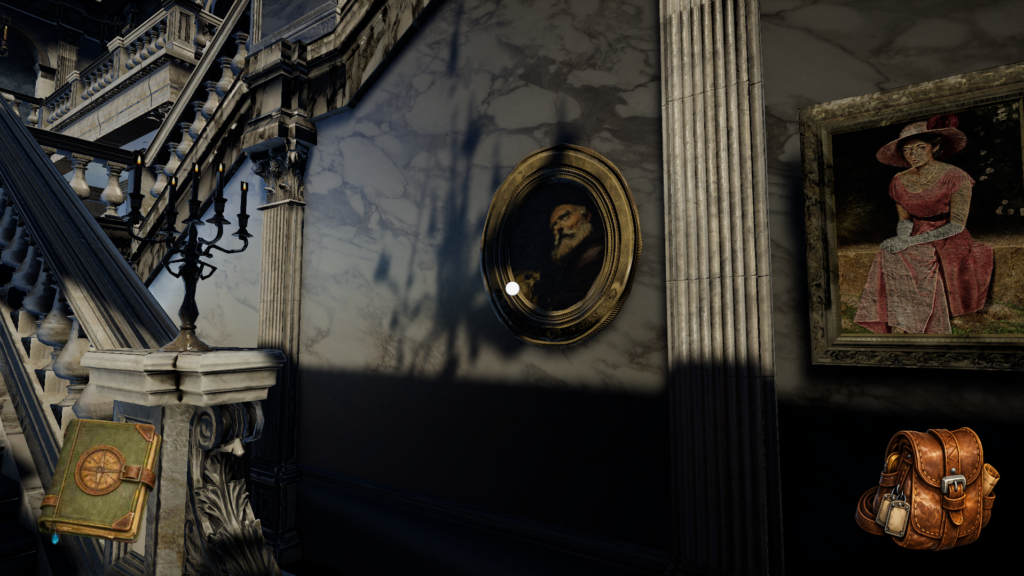
A 3D puzzle and exploration game developed in Unity, combining environmental storytelling with interactive puzzle mechanics. I was responsible for environment and character design, 3D asset creation, level building, audio implementation, and puzzle development using C#, creating a cohesive and immersive gameplay experience.
Across Cultures and Generations: Redesigning Children’s Media Characters for Cross culture Audiences
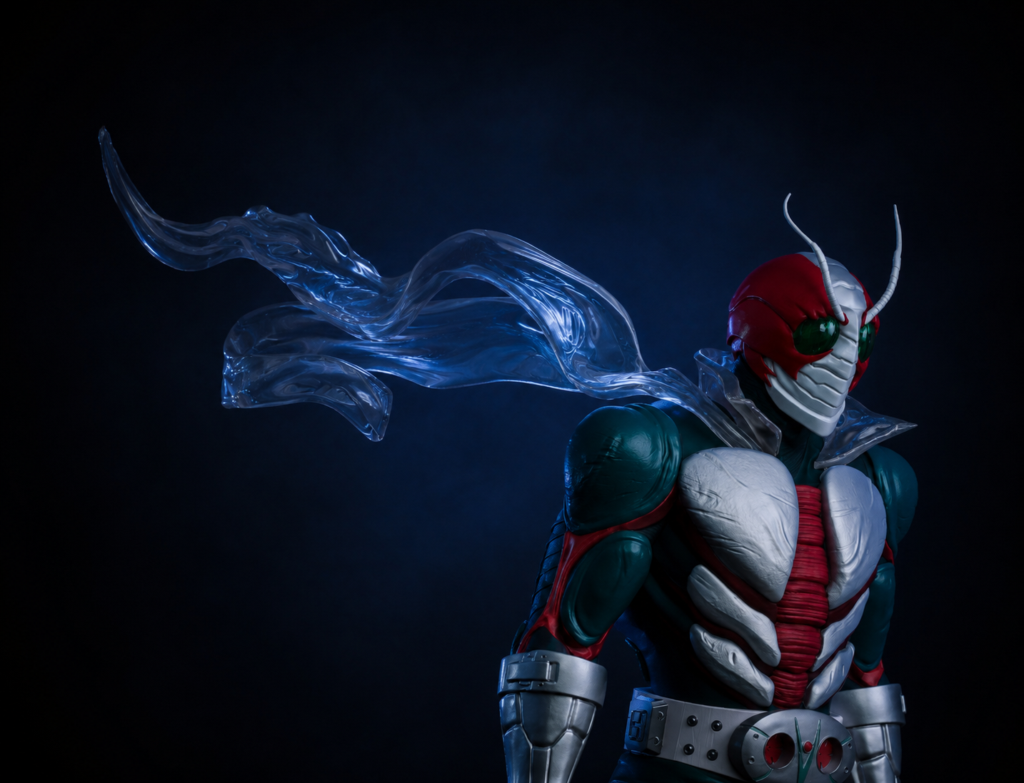
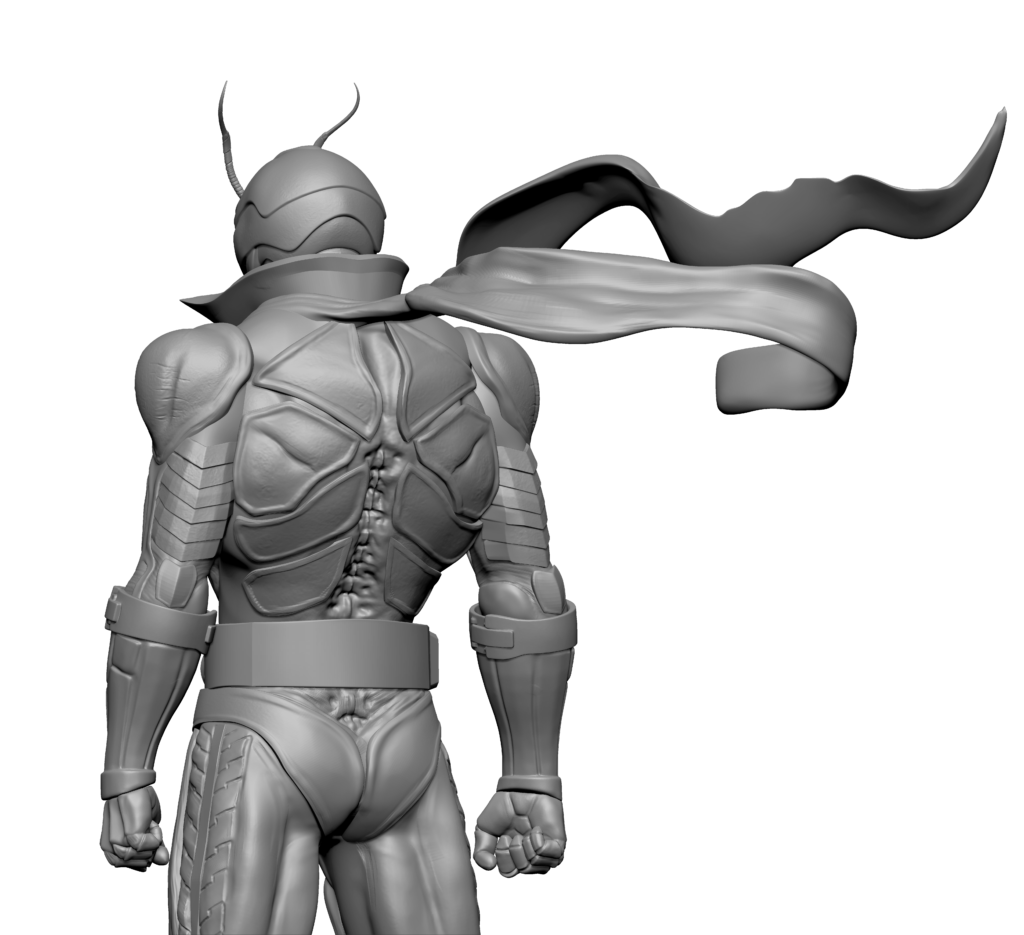
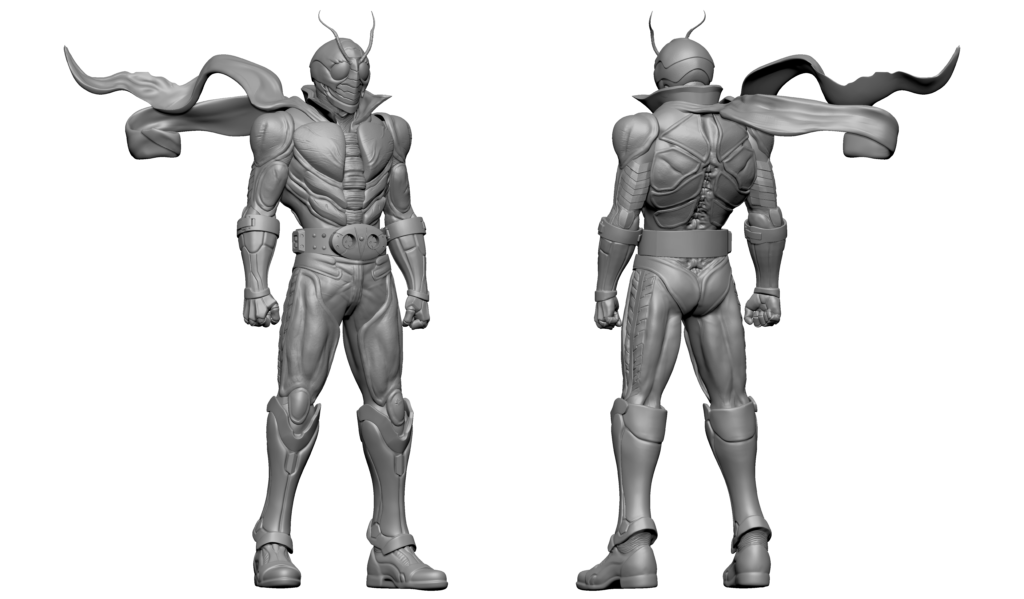
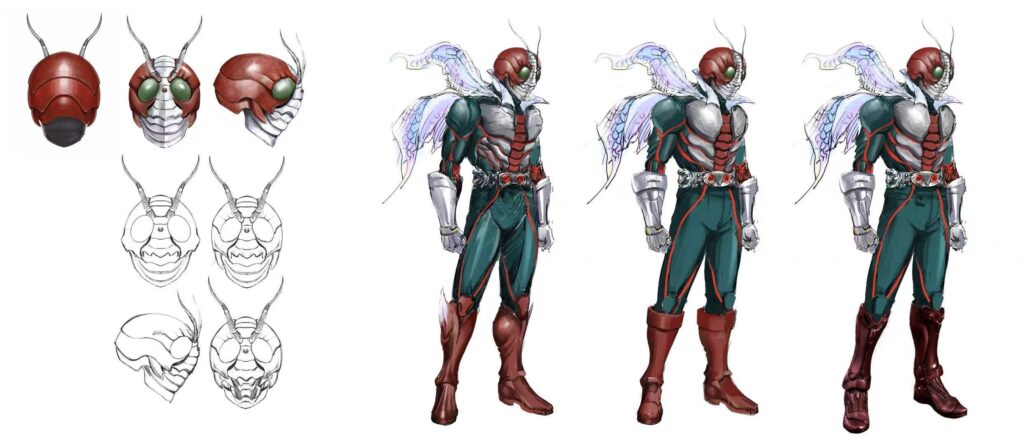
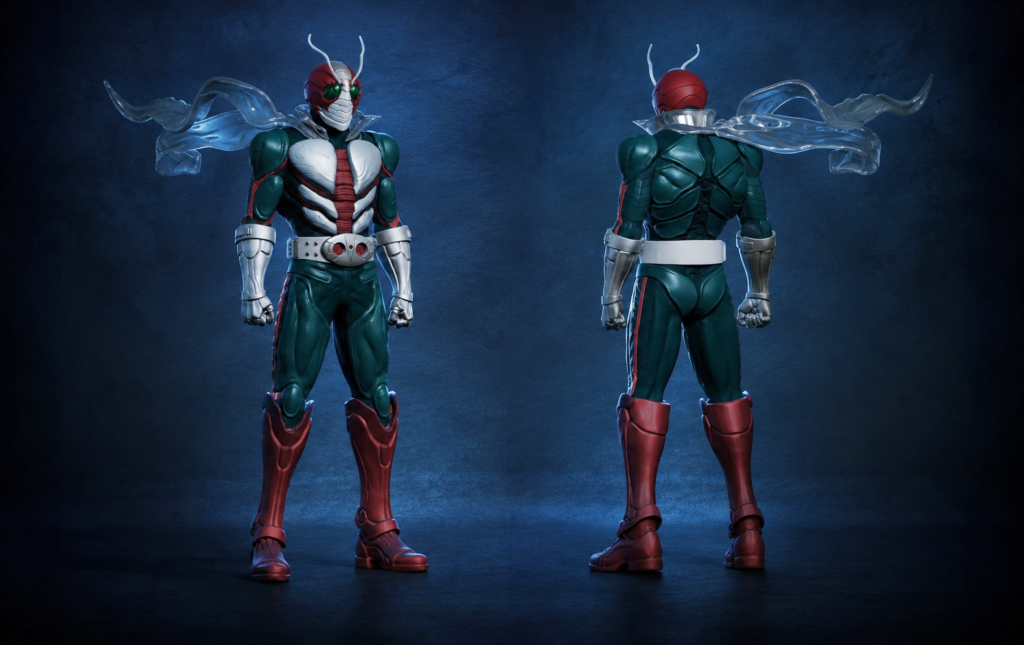
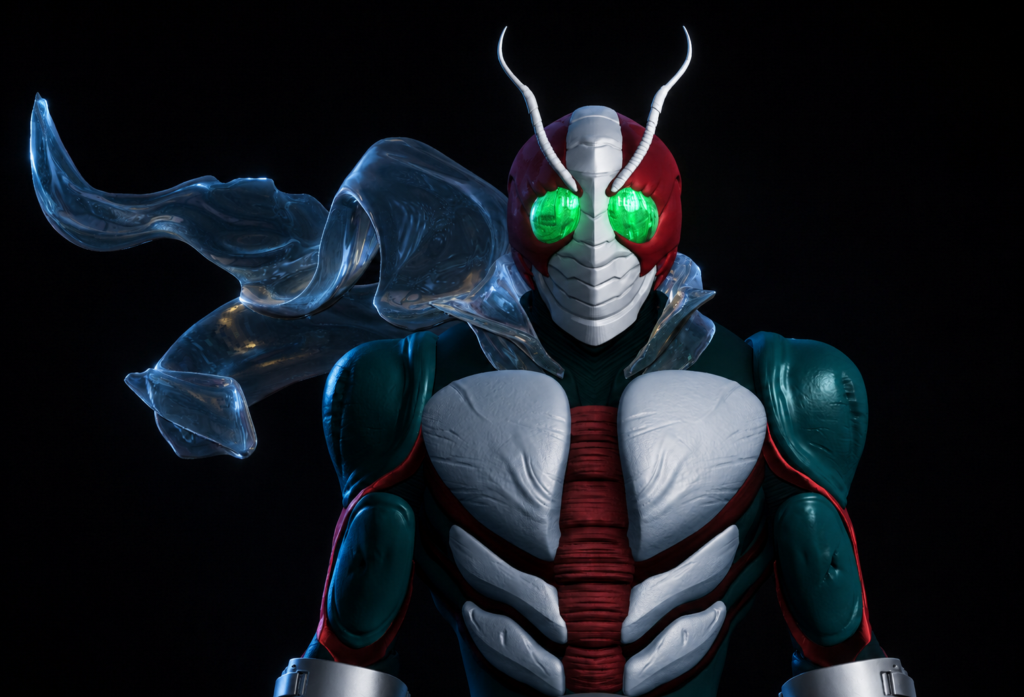
his project is a contemporary redesign of Kamen Rider V3, exploring how the character’s iconic visual identity can be preserved while introducing a more mature and realistic design language.The character was developed from initial concept art into a fully realised 3D model. The final model was produced using Photoshop, Maya and ZBrush, with Maya The final design aims to maintain the recognisable identity of V3 while presenting the character through a contemporary 3D character design workflow.
Fire Hazard
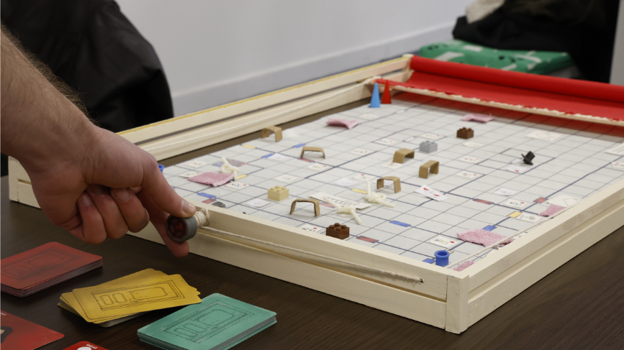
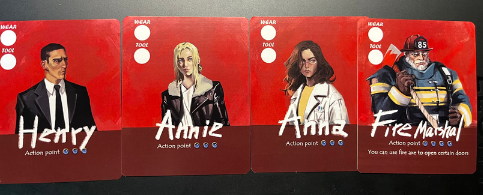
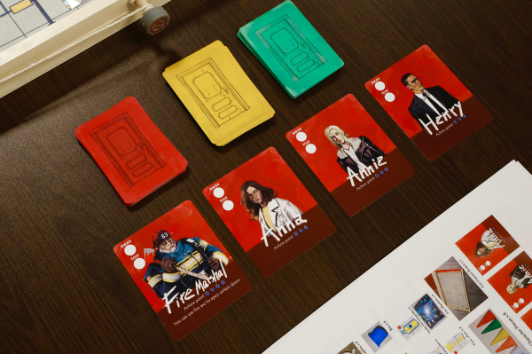
As part of a group serious games design module me and my team put together the board game Fire Hazard. Fire Hazard is a Cooperative board game designed for four players to help educate players in fire safety awareness and encourage teamwork and cooperation between players created for my serious games design module. The players all take the roles of office workers at Conglomerate Inc. Their boss Mr. Curmudgeon is an incredibly stingy man who does not care for those “Safety Rules” leaving objects about the office, never feeling the need to clean up or put in any form of mitigations against fire incidents. Only on boarding one of you as the Fire Marshal as a legal requirement more than anything else! In Mr. Curmudgeon’s mind “It always happens to someone else!”. Well! today the players are that someone else. A fire has broken out in the office. The Players must work together to escape the building together. If any player is covered by the flames they will need to be rescued by the fire department and the players will fail to escape together and have lost the game
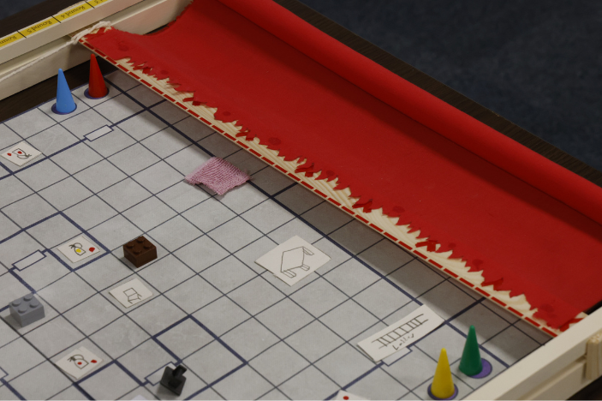
The office environment is represented through the use of a square grid. Which is populated with everyday objects left carelessly around the office. These obstacles, such as furniture and cables will hinder players attempts to escape by blocking pathways and doors. Players can collect beneficial fire safety equipment which can be used to bypass events triggered by certain doors. Every round the fire consumes more and more of the grid. Moving further and further towards the exit pursuing the players. The game takes about 25 to 30 minutes to complete with the main method of player interaction being cooperation. With all players needing to escape the building to win the game. If any player is left behind everyone automatically loses the game. Players can cooperate in the game by coordinating their exit.
For example, there are blockages to hallways and doors from discarded rubbish and furniture. Players can help each other by removing any debris blocking the path and clearing the way for a fellow player who may be falling behind. The need for players to overcome events presented by the event cards, which are drawn upon inspecting a coloured door. These cards can require a number of tools or multiple resources used by players throughout the game. These provide the opportunity to aid fellow players by passing and retrieving needed items or offering to split the resources between two players to open a door. Encouraging players to discuss and plan their turns and work together as a team. Along with adhering to the need for all players to escape the fire for the game to be won this, also ensures that players goals are always aligned and there is no chance of any ‘Bad Faith’ play. For example, leaving behind or blocking the exit for fellow players. This also aligns with the learning by encouraging players to stay together as a group which is encouraged in the case of a real fire.
This project was put together by myself, Sara Dabrowska, Ben Davis, Liwei (Gabriel) Ye and Alwalid Alamasour.
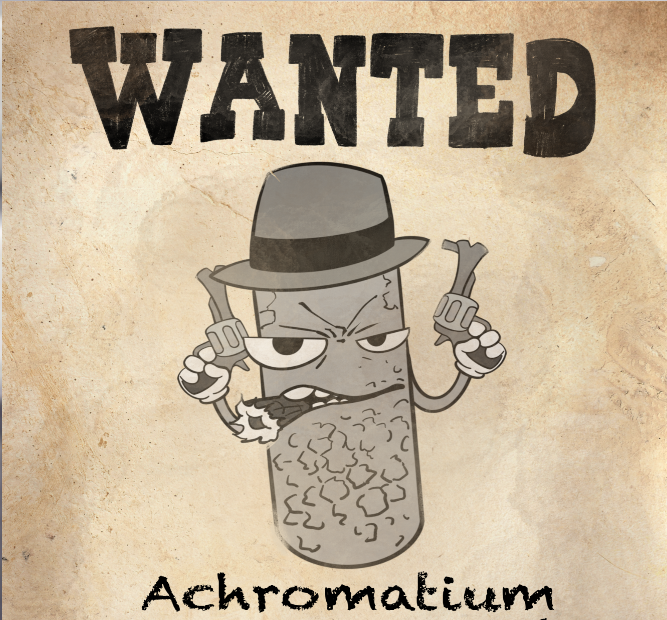
Big Bacteria – OSM26 Collaboration
As a part of my course for one of our first submissions we were tasked with building a small serious game in unity over the course of a couple of weeks. As a part of that we were given the option to create a project based on the research of one of the attending scientists at the Ocean Sciences Meetings 2026 in Glasgow.
For this we chose to base our work on the research by Danny Ionescu and Mina Bizic. Their research centers on the study of macro bacteria, Bacteria that can reach up to 7cm in size as single celled organisms. We were fortunate enough to be able to get in contact with Danny and Mina and organize a meeting with Danny and later a quick in person meeting at the event with Mina. They were both incredibly informative and really enthusiastic about our ideas, and we were really thankful for them taking time out their schedules to speak and work with us on this project.
One of the properties of the organisms discussed at the meeting is that unlike other single celled organisms these creatures do not clone themselves in a binary format. Instead they split into different versions of themselves, by dividing up their proteins and chromosomes in an unequal fashion. Resulting in cells with completely different proteins and chromosomes. We decided to take this idea and expand it into our game.
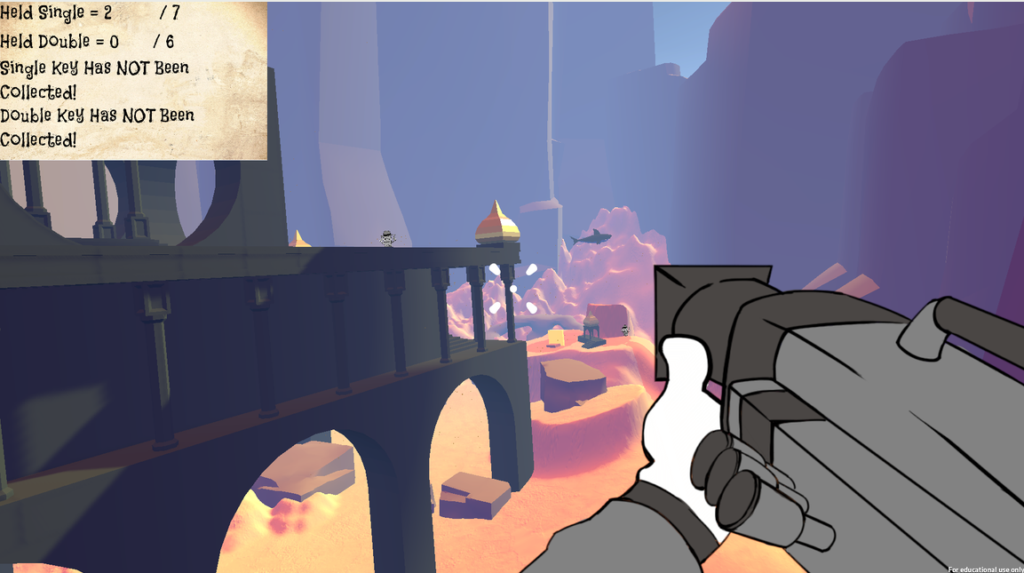
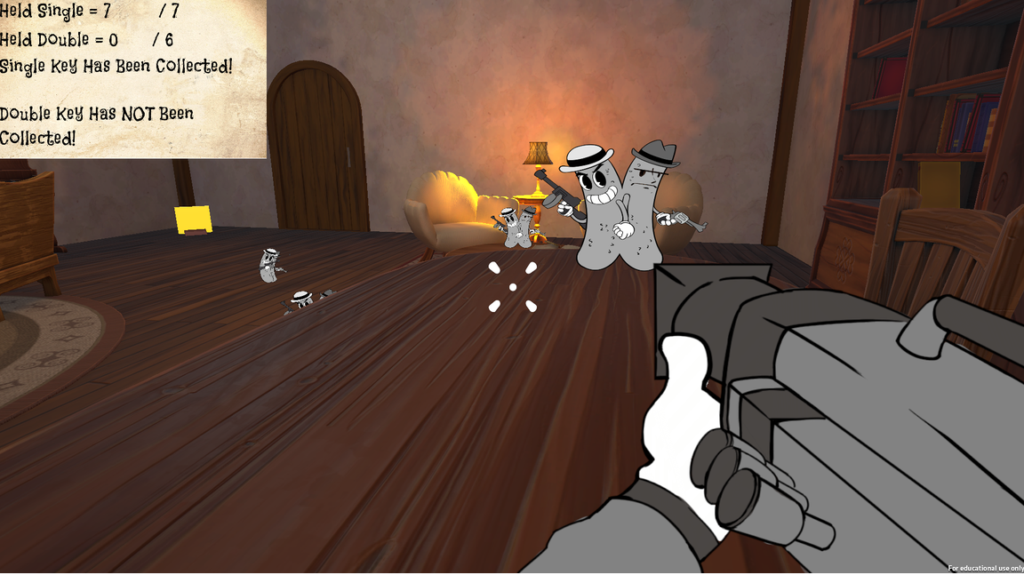
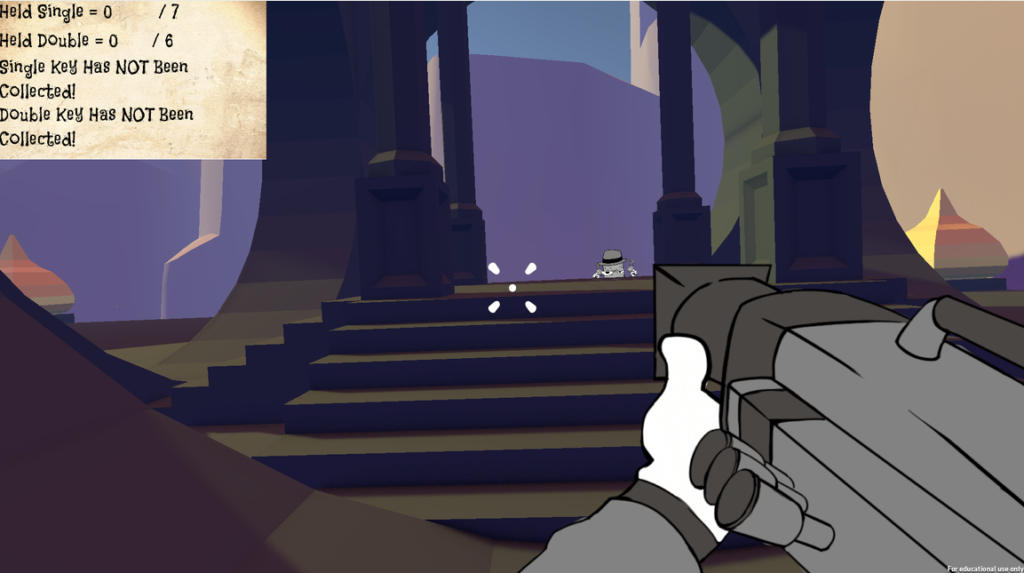
The idea for our game was first-person collectathon platformer where the player would take the role of a person shrunk down to the size of the bacteria(The bacteria is still relatively small to us) and make use of a unique scientific device to hook onto them and reel them in. With the main goal of the game to catch every bacterium within each area. With the main gameplay loop taking inspiration from games such as the Ape Escape franchise where the collectables act as individual creatures that need to be captured in order to move from one area to the next. Along with Slime rancher taking inspiration from the vacuum catching mechanic for the main game.
With the project also making use of a more non-traditional 3D art style. Using 2D sprites in a 3D space that are set to always rotate towards the player. The inspiration for this was from the upcoming game Mouse P.I. for Hire and the Original Doom from 1993. We decided to pursue this in order to achieve a unique aesthetic for our project to help us stand out and help draw players towards the game.
The team members on this project included me, Liwei (Gabriel) Ye and Alwalid Alamasour.