Gabrielle Urquhart
(She/Her)
As a designer, my work explores the relationships between heritage, landscape, and the processes of change that shape places over time. I am interested in restoration as an active process, not simply preserving what exists, but understanding its history, ecology, materiality, and potential for adaptation. My approach is rooted in landscape ecology and restoration, which influence designs that support biodiversity, resilience, social interaction, and long-term environmental health. Through this, I aim to create architecture that is sensitive to place, builds upon existing qualities, and allows past, present, and future to coexist.
From Contamination to Connection
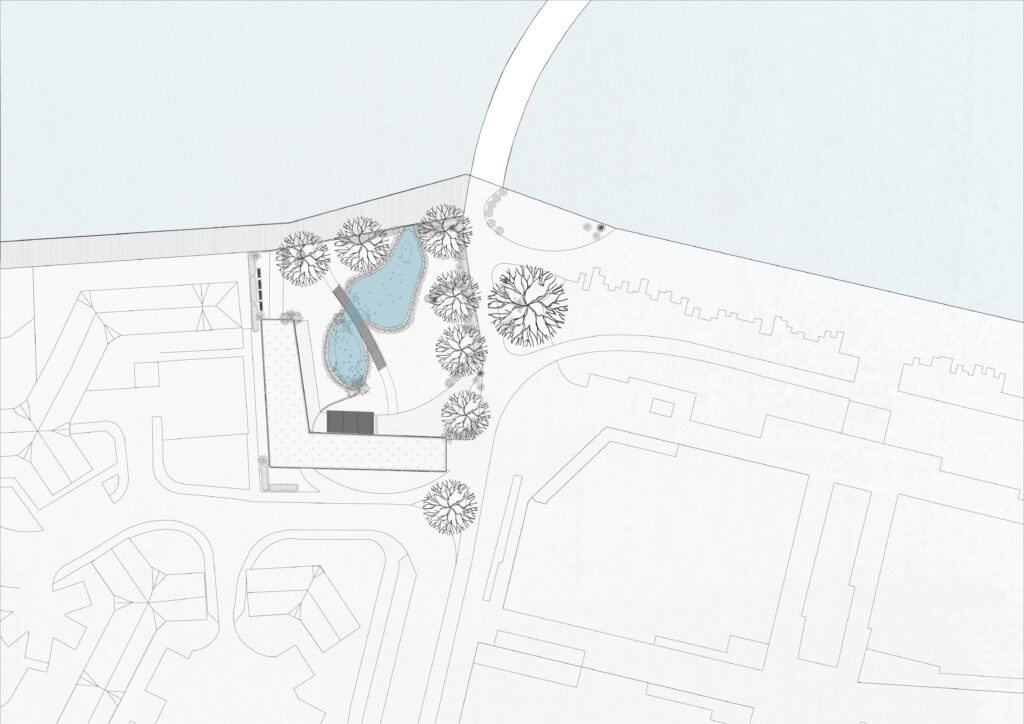
Glasgow’s post-industrial legacy has resulted in a multitude of brownfield sites, many of which remain environmentally degraded and socially disconnected from the urban fabric. Traditionally treated as technical problems requiring remediation before development can occur, these sites raise a broader question. Can the processes of ecological repair themselves become generators of architectural and landscape design?
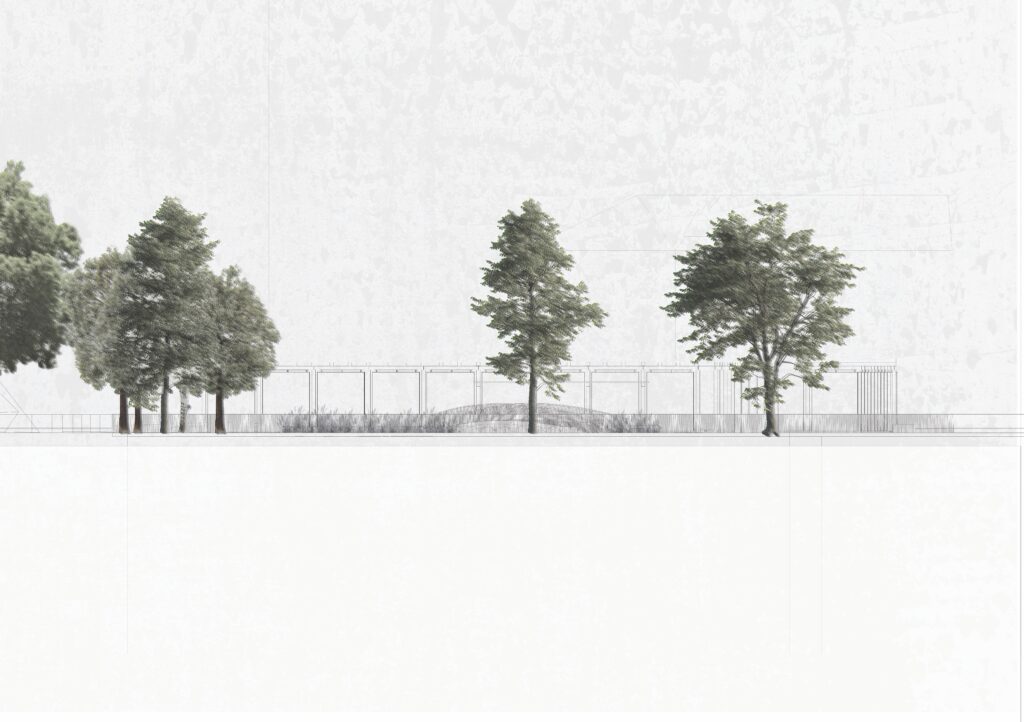
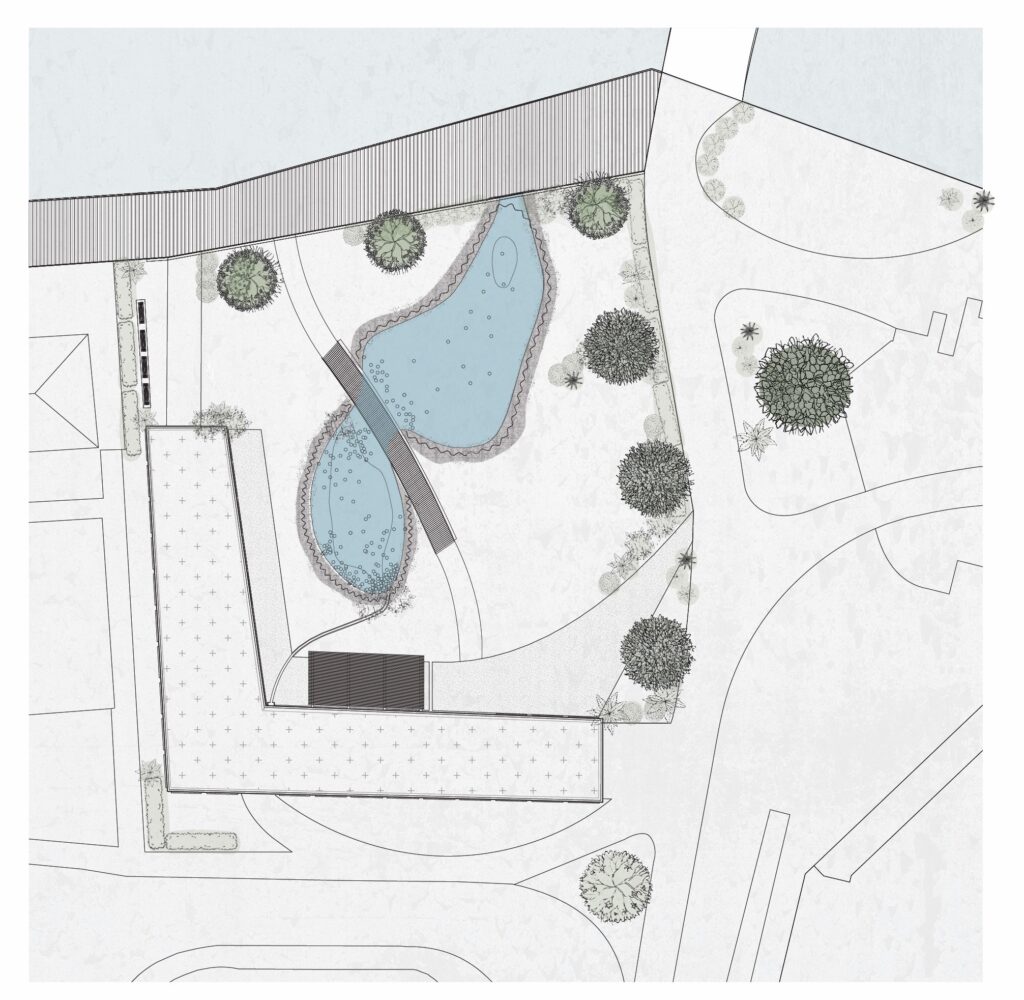
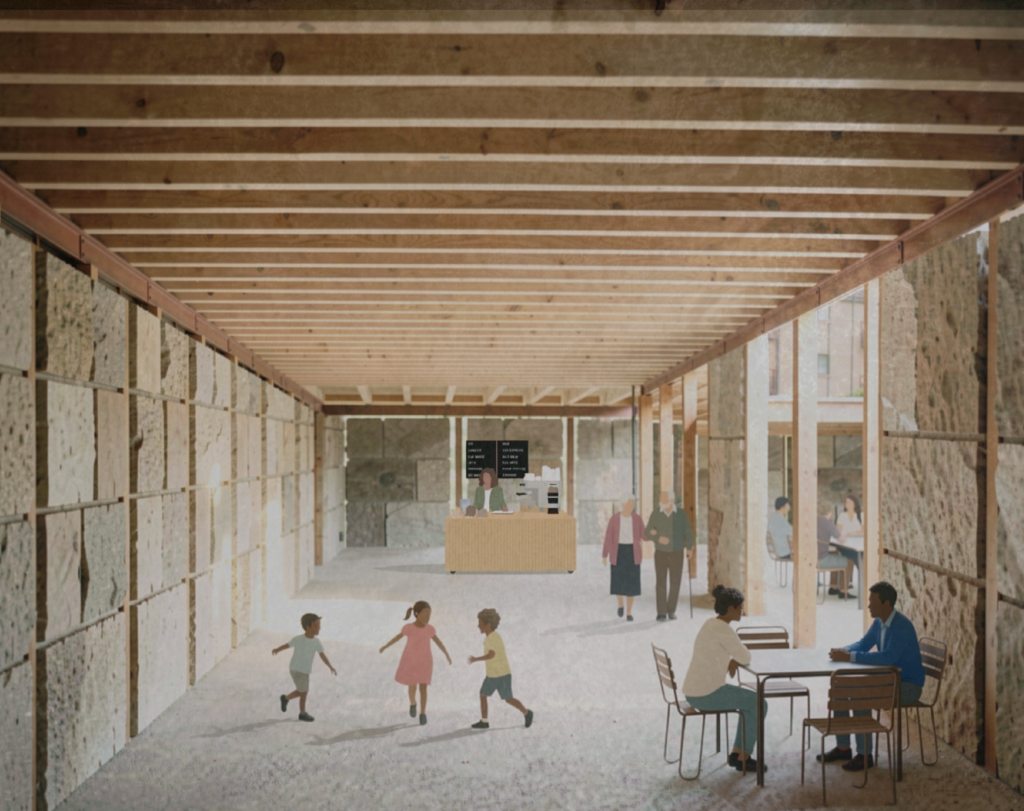
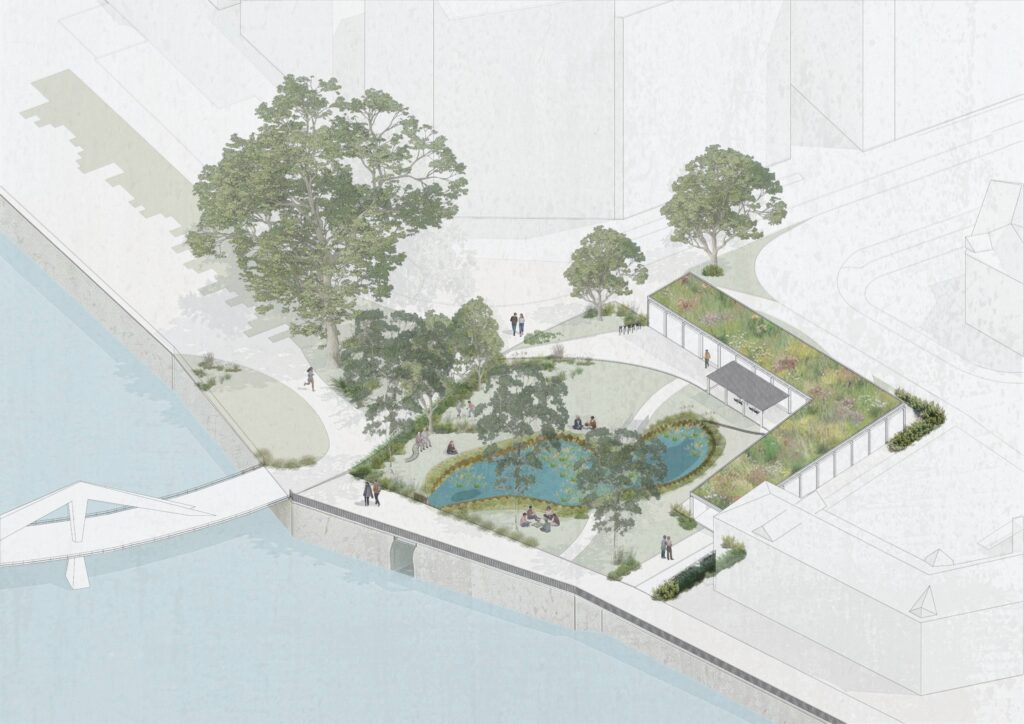
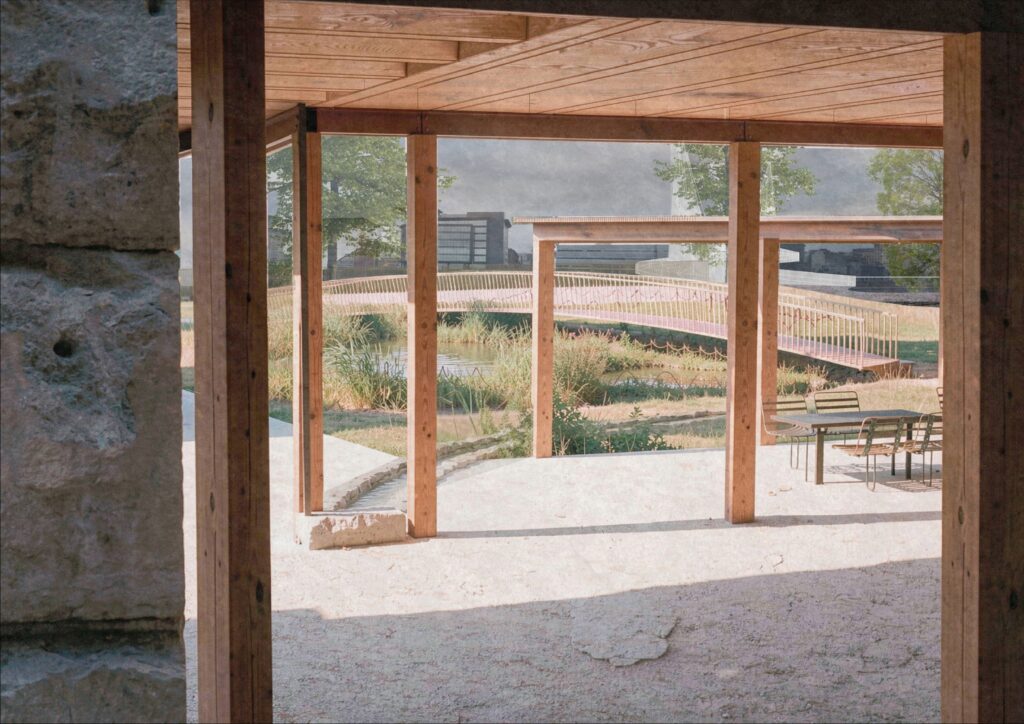
This research investigates how emerging bioremediation, particularly phytoremediation, can become a driver for design rather than simply a technical tool for removing or containing contamination. It explores how the spatial, temporal, and ecological requirements of remediation can inform the organization of contaminated waterfronts, shaping public access, landscape structure, spatial programming and experiences of place. Rather than treating remediation as a preliminary or invisible process, the research positions ecological repair as an active design process through which environmental and social conditions can be addressed simultaneously.
Drawing on theories of placemaking and health-oriented urbanism, the project questions how ecological restoration can contribute to physical, social, and psychological well-being, while also responding to the changing environmental conditions of post-industrial waterfronts.
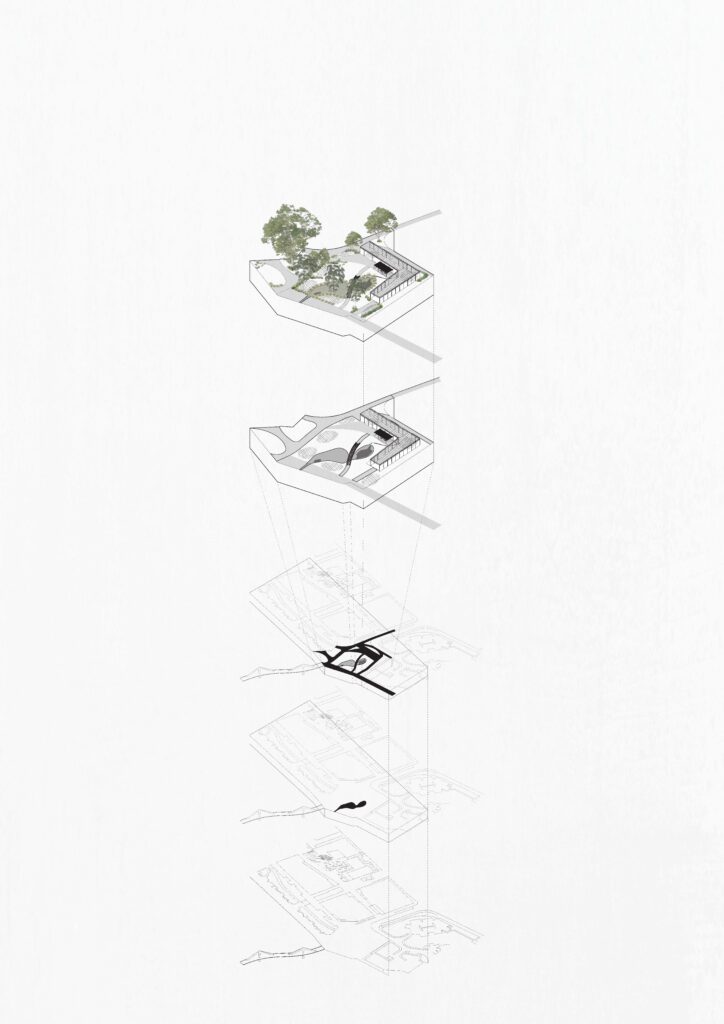
The research adopts a research-through-design methodology, using a layered site strategy to test interaction between environmental systems, public accessibility, and spatial programming. Each layer, ecological, infrastructural, and social, is evaluated through defined performance criteria, enabling iterative design testing and critical reflection.
Ultimately, the thesis aims to demonstrate how brownfield regeneration can move beyond remediation toward the production of resilient, inclusive, and ecologically performative public landscapes.
1:1000
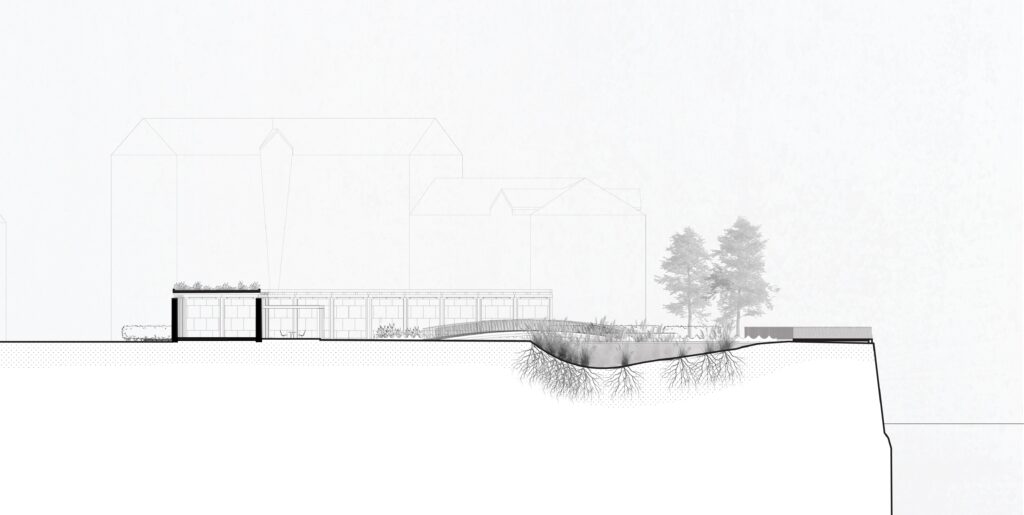
1:500