
Sangeeta Shivkumar
I’m Sangeeta Shivkumar, an Interior Design student completing my Master’s degree at The Glasgow School of Art in 2026. My design aI’m Sangeeta Shivkumar, an Interior Design student completing my Master’s degree at The Glasgow School of Art in 2026. My design approach integrates functionality, modularity, and visual experience, with a focus on creating spaces that are adaptable, purposeful, and engaging. My time at GSA has broadened my thinking about design, particularly through ideas of sustainability, regeneration, and long-term impact. It has also deepened my relationship with research and making, making experimentation, material exploration, and critical enquiry integral to my process. I am interested in creating spaces that respond thoughtfully to people and context while exploring how interior design can contribute to more adaptable, regenerative, and meaningful environments.pproach brings together functionality, modularity, and visual experience, with a focus on creating spaces that are adaptable, purposeful, and engaging. My time at GSA has broadened the way I think about design, particularly through ideas of sustainability, regeneration, and long-term impact. It has also deepened my relationship with research and making, allowing experimentation, material exploration, and critical enquiry to become important parts of my process. I am interested in creating spaces that respond thoughtfully to people and context, while exploring how interior design can contribute to more adaptable, regenerative, and meaningful environments.
House of the Living Ruin: A Space for Entropy and Regeneration
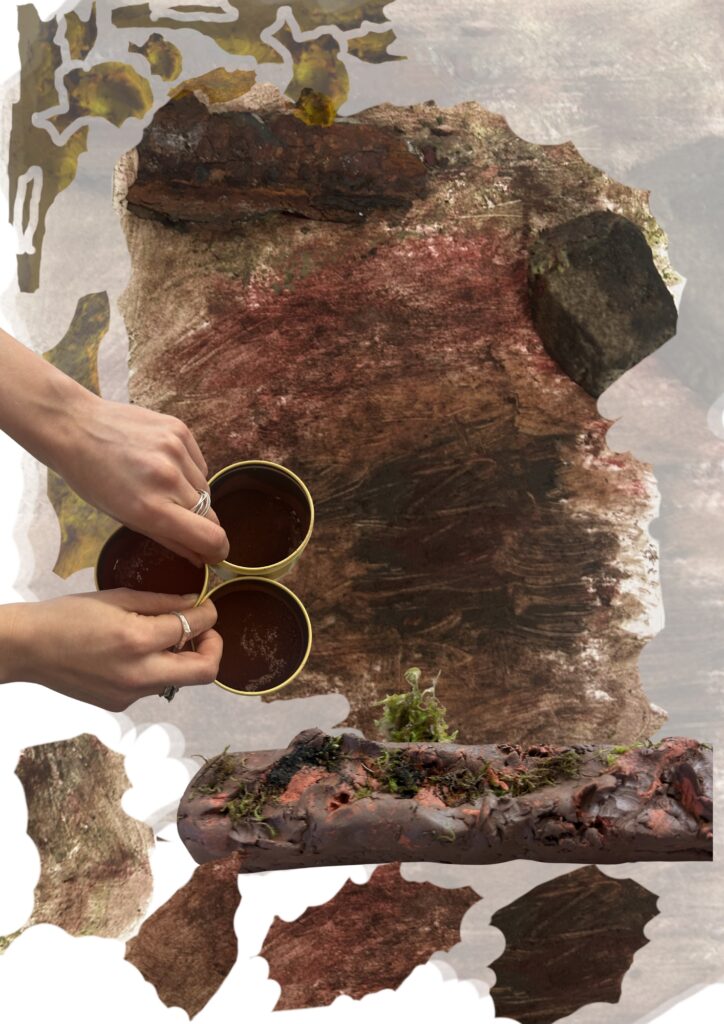
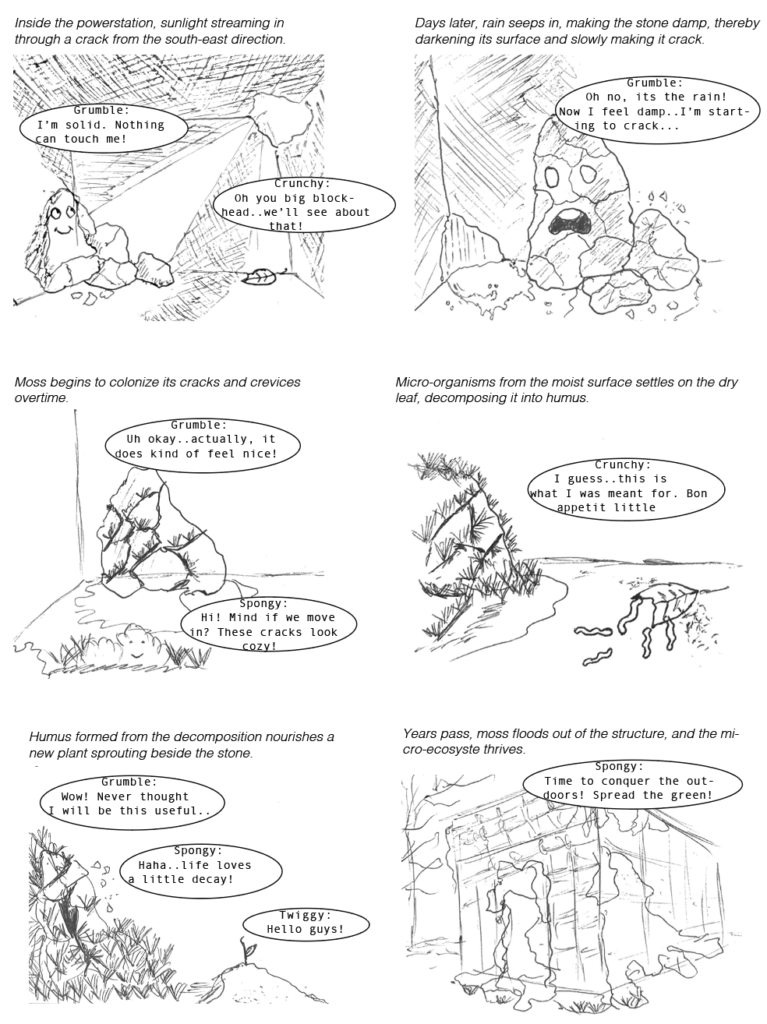
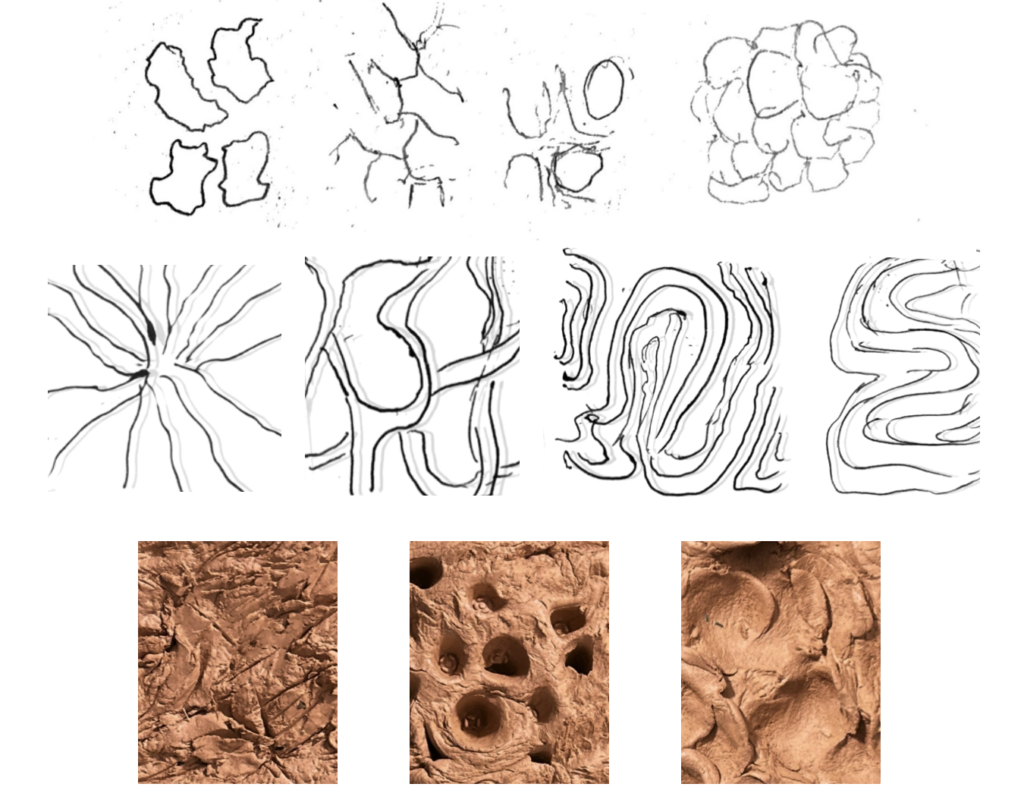
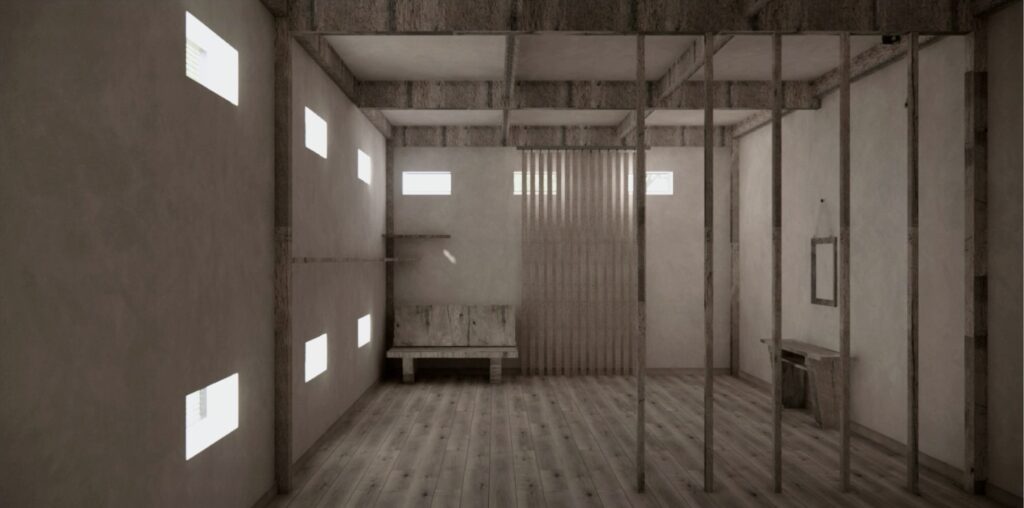
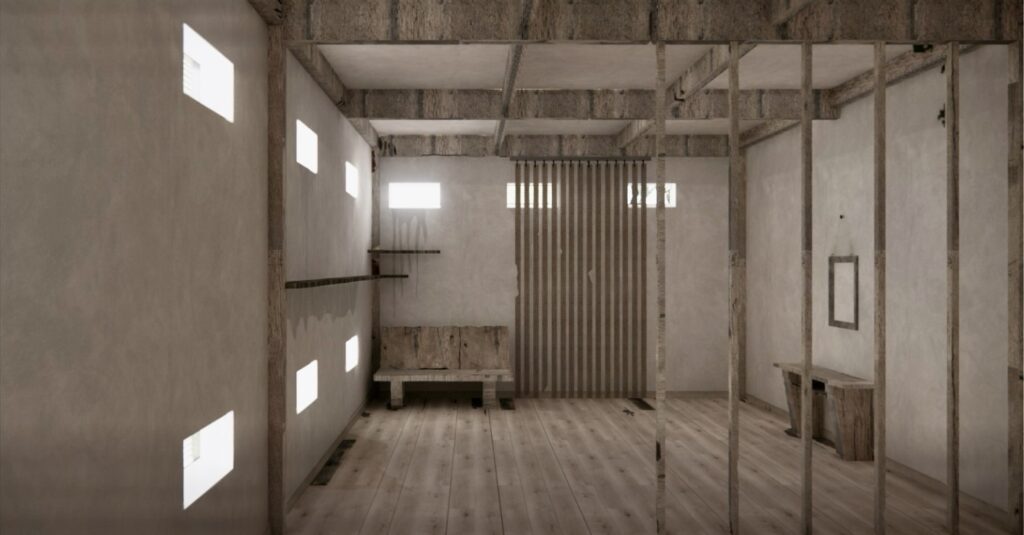
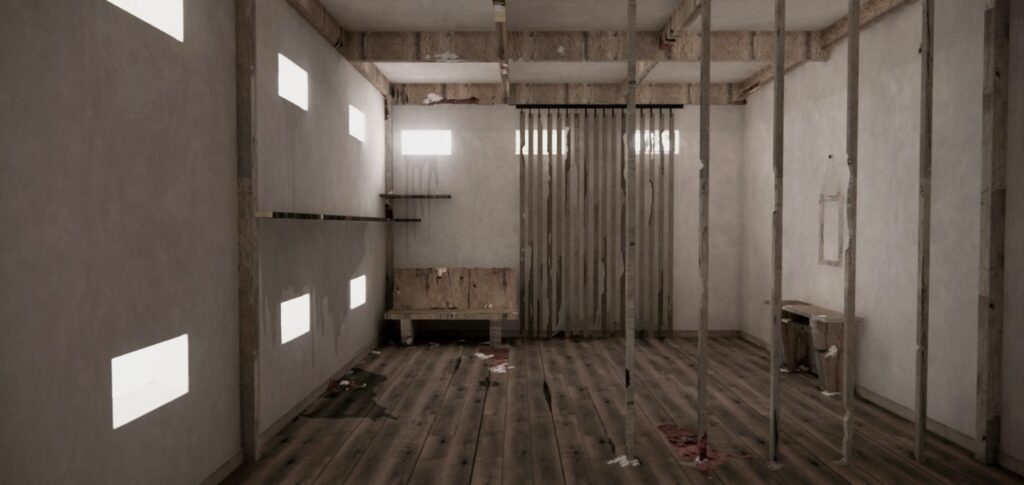
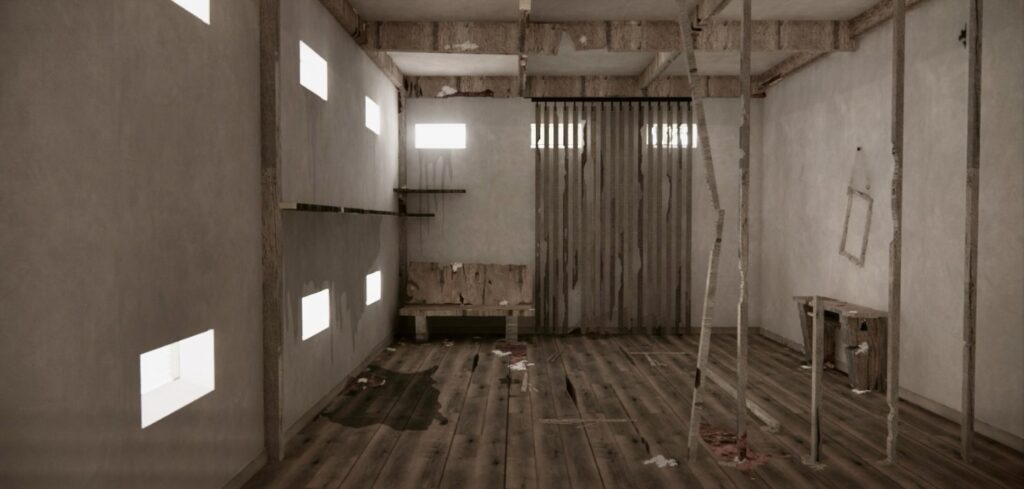
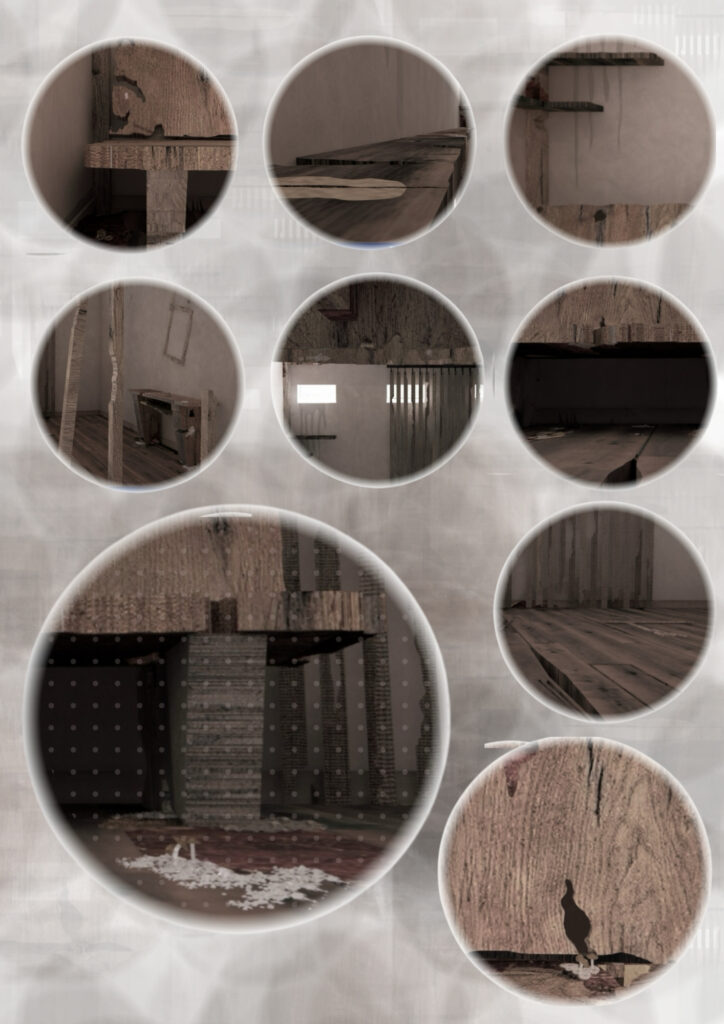
Developed during my second semester, the project investigates what it might mean to design with decay rather than against it. The project began through observations of an electrical power station in Glasgow, where rusting metal, weathered sandstone, moss, cracks and accumulated organic matter revealed how the site was already being continuously reshaped by moisture, weather and biological activity. Rather than reading these conditions simply as signs of neglect, I became interested in them as evidence of time and material transformation. This thinking was grounded particularly in Caitlin DeSilvey’s Curated Decay and her proposition that “objects generate meaning not just in their preservation and persistence but also in their destruction and disposal.” This challenged the conventional instinct to preserve materials in a fixed or ideal state, and instead allowed me to consider decay as a process through which materials can acquire new meanings. Within the project, deterioration therefore becomes less about material failure and more about acknowledging impermanence, change and the possibility of renewal. The research raised a critical question: can an interior be designed to accommodate its own transformation? Rather than protecting the interior from environmental forces, I explored how design could create conditions that allow moisture, fungi, organisms and time to participate in shaping it. Material experimentation became central to this investigation, from recreating weathered surfaces with clay and natural pigments to studying perforations and textures capable of retaining moisture and encouraging biological settlement. The resulting proposal uses untreated timber as a deliberately vulnerable material, allowing different elements of the interior to weather and deteriorate at different rates according to their environmental conditions. The spatial views imagine this transformation across days, months and years, while the decaying bench artefact examines the process at a more intimate material scale. Rather than presenting a finished interior, the project proposes an evolving one, where the designer establishes the initial conditions but gradually relinquishes control to natural and biological forces. Ultimately, the project questions whether decay must always be understood as an end. By allowing deterioration to support new biological growth, the project considers how the loss of one material condition might enable the regeneration of another. The interior therefore remains deliberately unresolved: not a static object to be preserved, but an ongoing process of decay, inhabitation and renewal.

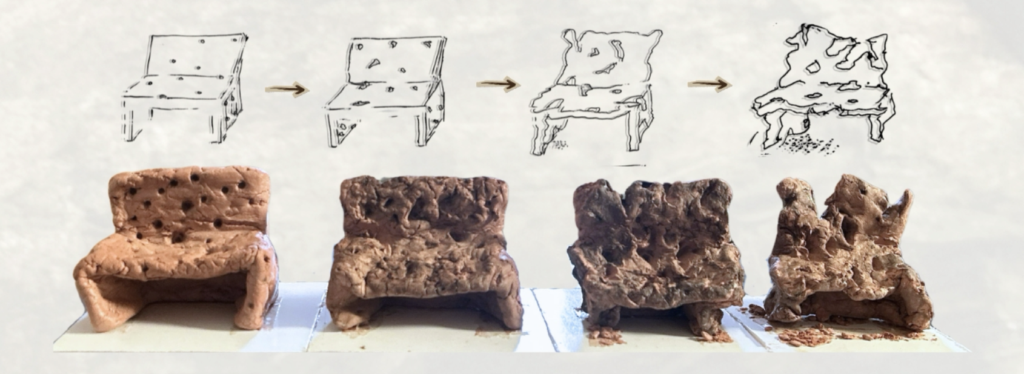
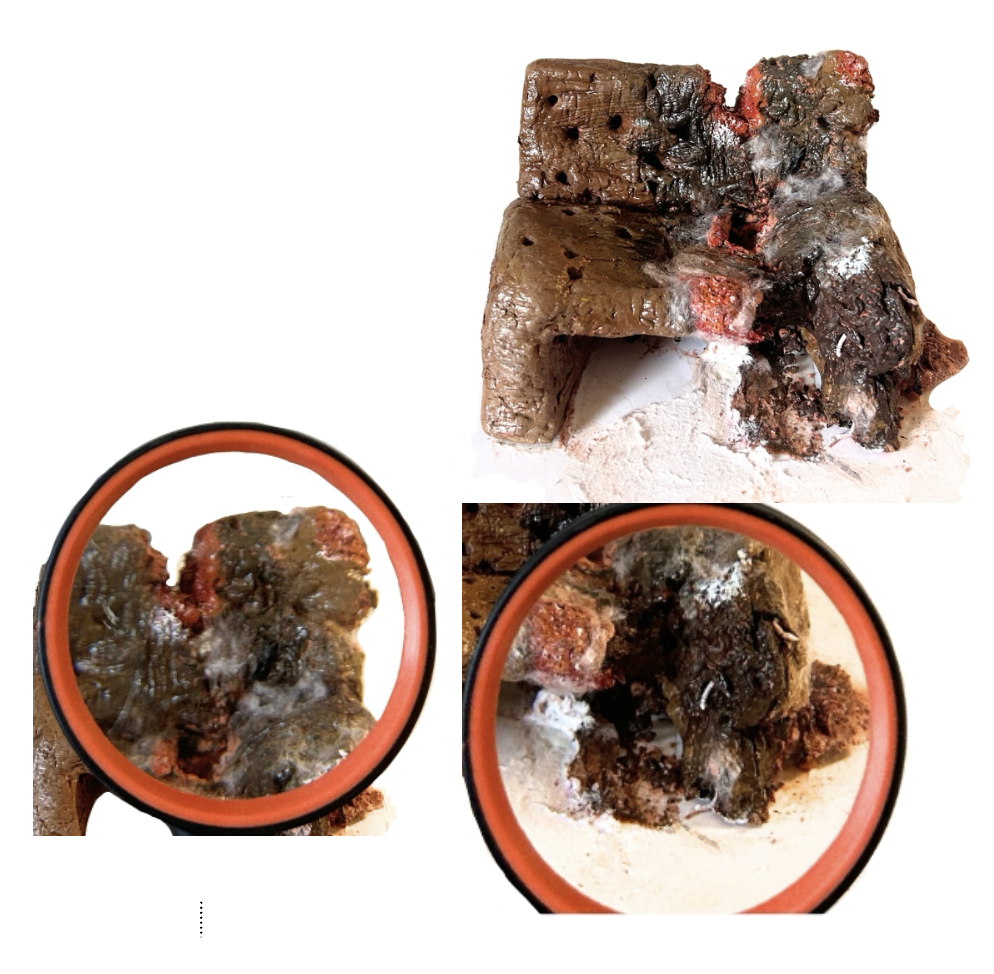
The image represents the furniture and its decay cycle through a magnifying glass.