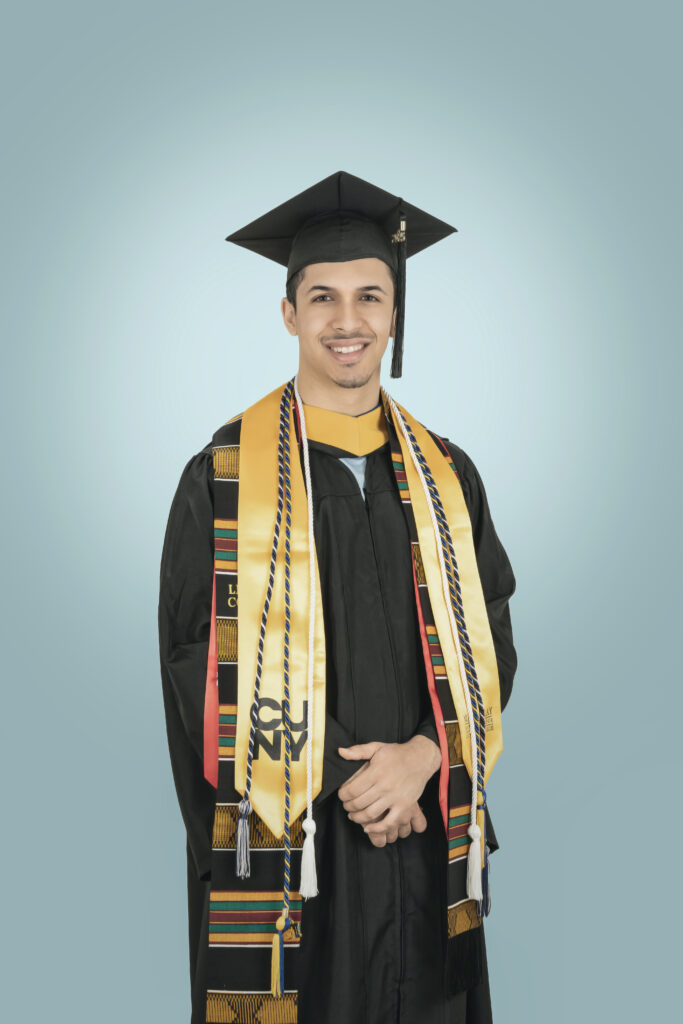
Gianncarlo Peña Ortega
(He/Him)
My name is Gianncarlo Peña Ortega and I am a medical visualization and education developer. I graduated from Lehman College’s Macaulay Honors Program with a B.S. in Biology and a minor in Computer Graphics and Imaging, magna cum laude. I am passionate about using 3D visualization, anatomy, and education to communicate complex biological processes and scientific research in ways that are clear, engaging, and accessible.
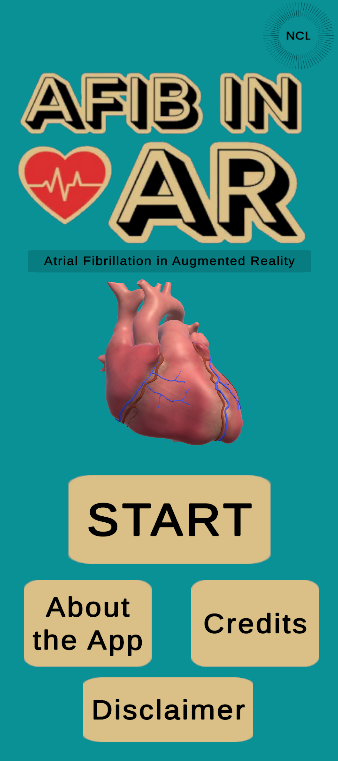
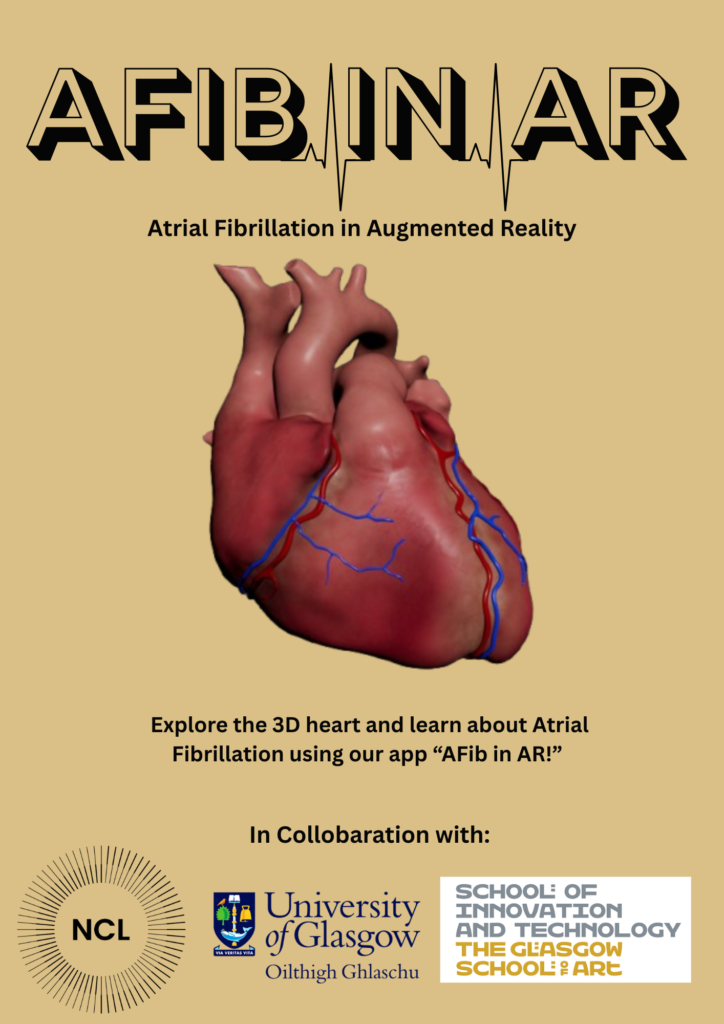
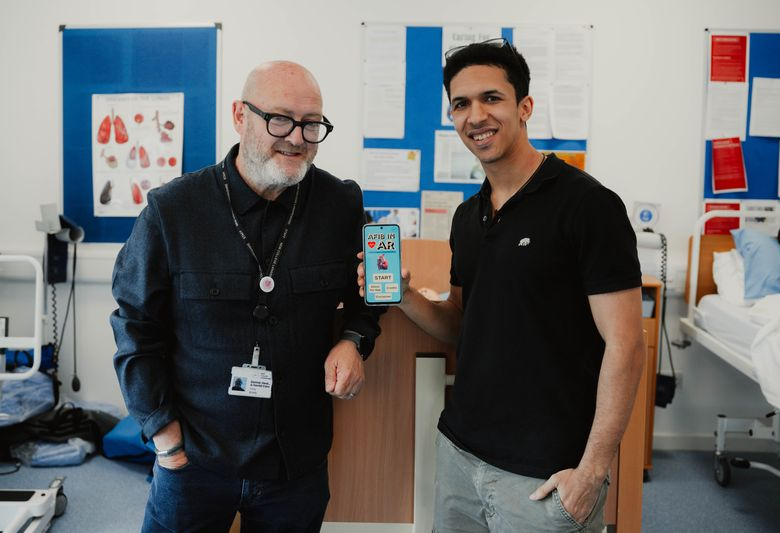
My master’s dissertation was completed in collobaration with New College Lanarkshire (NCL) to develop an augmented reality application focused on communicating Atrial Fibrillation (AFib) to nursing students and the general public. The application was named ‘AFib In AR’ and is undergoing further development with the goal of publishing it on the Android Play Store for educational use on Android devices.
My aim is to continue bridging science and visual communication by applying the medical visualization skills I gained during the MSc Medical Visualisation and Human Anatomy course. Through this work, I can create interactive and engaging media that make complex scientific concepts more accessible in healthcare, education, research, and my community.
AFib In AR: The human heart in Atrial Fibrillation in Augmented Reality
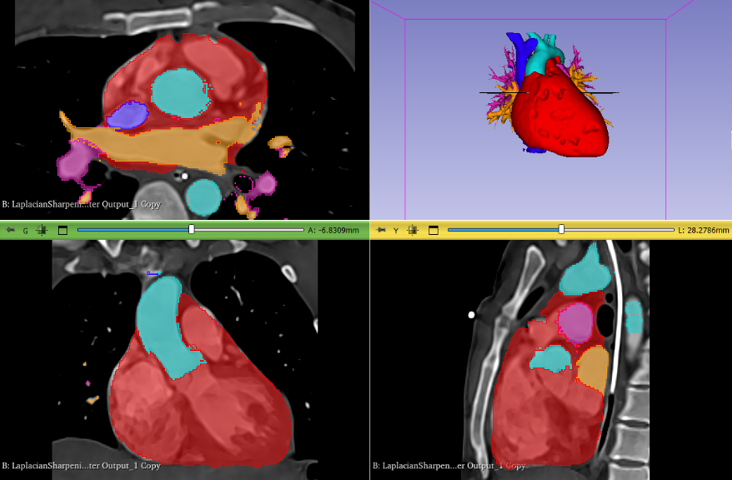
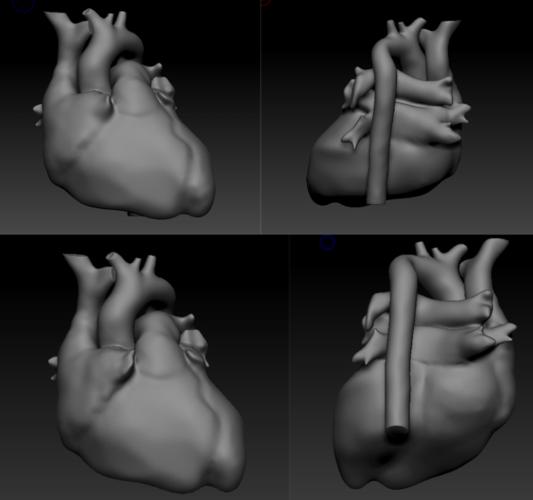
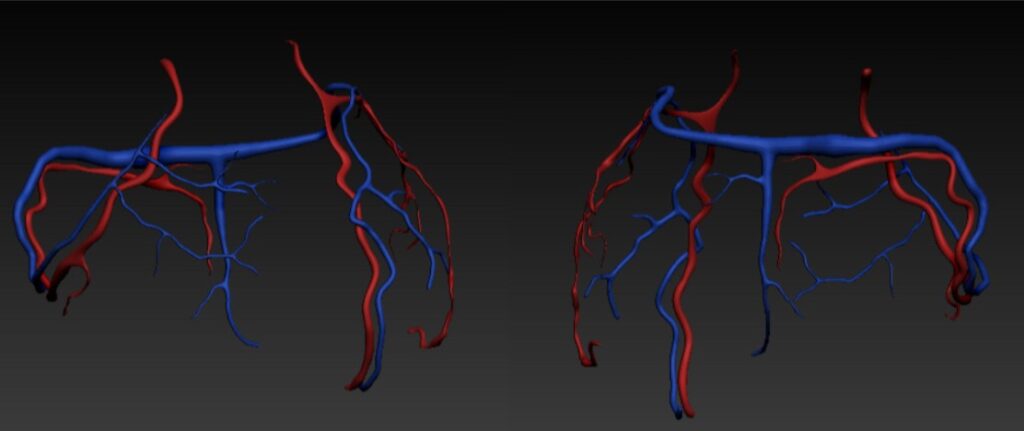
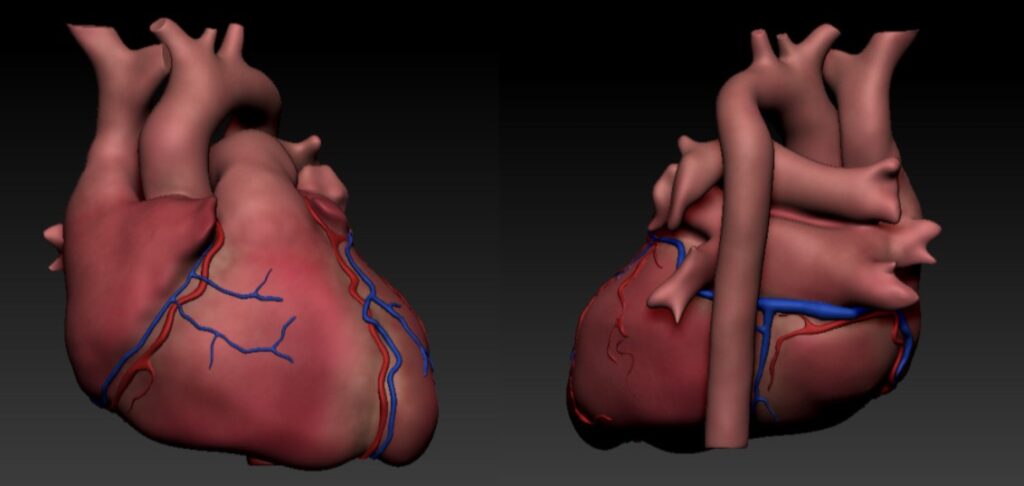
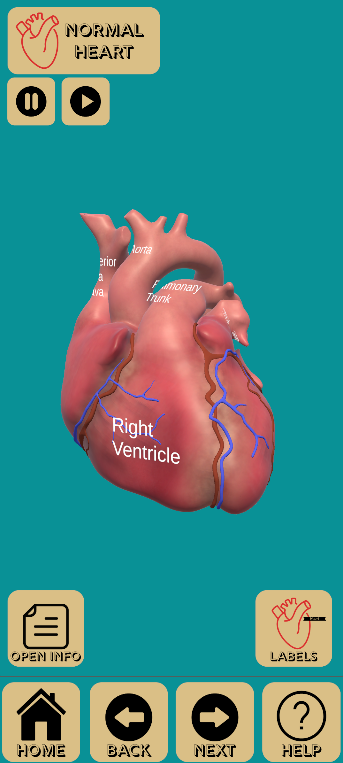
Atrial fibrillation (AFib) is the most common cardiac arrhythmia and is associated with an increased risk of stroke, highlighting the need for accessible and engaging educational resources. This project, ‘AFib in AR’, is an interactive AR mobile application using an animated 3D anatomical heart to support understanding of AFib and its associated risks. An anatomically based heart model was developed from open-source medical imaging data and incorporated into an Android application with AR, educational information, animation, labels, and accessibility-focused design. The application was evaluated through usability, motivation and engagement, cognitive load, and perceived validity. Results were generally positive, with participants finding the application clear, easy to learn, and engaging, while anatomist expert feedback supported its perceived accuracy and educational appropriateness. However, the small and varied participant sample, adapted surveys, and limited number of expert reviewers mean the findings should be interpreted cautiously. Overall, ‘AFib in AR’ demonstrates the potential of combining animated cardiac anatomy and AR to support AFib education.