
Cora Farr
(they/them)
Cora Farr is a curator, promoter and artist working in the intersection of electronic music and contemporary art, with a first-class Politics and IR degree from the University of Manchester, currently studying on the MLitt CPCA course at Glasgow School of Art. They are affective, collaborative, visually and sonically concerned. With a research focus on methods of care, performance art facilitation and sound as curatorial method, their yearlong research project ‘Trans Futures’ seeks to ask how transgender communities should reconstitute and proliferate radically utopian narratives in and around art and culture, and how sound can create and confuse meaning, and phenomenologically affect an audience as much as space and sight.
‘Waters of the Womb’ was an audiovisual installation by Ashley Stefano, created as the culmination of ‘Trans Futures: Bathing in the patchhaus’ a curatorial masters project by Cora Farr. This work was commissioned and produced by the curator as part of this project to enter into the ‘patchhaus’- an interactive curatorial soundspace built in Max MSP. The patchhaus exists as a phenomenological tool, designed in consultation with the artist and played like an instrument, first by their body and later by them, reflecting the artist’s iterative approach to their practice. The patchhaus exists to enable a sonic ‘tailoring’ of space and experience, and seeks to re-examine alternative exhibition methods that transcend the visual. The patchhaus, through its various filters, multichannel recording system and pairing of diagetic and synthetic sound, seeks to ‘trans’ the space through noise, and assert a thesis of ‘reflexive hammering’ onto the audience.
‘Reflexive Hammering’ is a dialectical , curatorial and political concept coined by Cora Farr, largely inspired by Sara Ahmed’s essay ‘An Affinity of Hammers’. It is a curatorial mode whereby sound is inflicted to sadomasochistic phenomenological affect, reflecting dissociative and utopian transgendered experiences of body. Noise is phenomenologically hammered in order to dialectically shift trans narratives of body and future, as well as utilised as curatorial affect to ‘trans’ the traditional exhibition space , primarily through sonics rather than visuals.
In ‘Waters of the Womb’ , Stefano combines video and sound to create and disrupt preconceived visual and sonic signifiers of meaning, and explores ideas of washing, motherhood, control and care, both through her performance alongside ‘Mother’ Iris May, sound production in the patchhaus, and the culminating installation.
The two video performances face back-to-back, seeping into the bath they were borne from, caught in a moment of sinewy bifurcation above an uncanny liquidity.
The performers are no longer present, but the womb endures. The artist acts as passive participant in their washing, yet at times stares into the frame, indicating her role as director and progenitor. Through conceptualising the work, she puppeteers her future self and ‘Mother’. Later, through directing, she subverts the familial and physical power dynamics at play in the performance and maintains control over her future use of the patchhaus through choreographed movements that the soundspace will respond to. Later still, as she records the sound, she is the master of her past self, her ‘Mother’ and the sounds they make together.
Duality is presented and contested, and sound suggests to you meaning from which you cannot perceive. Arriving at the source of the sound, distortion and synthesis may signify that which is invisible, or challenge preconceptions of origin.
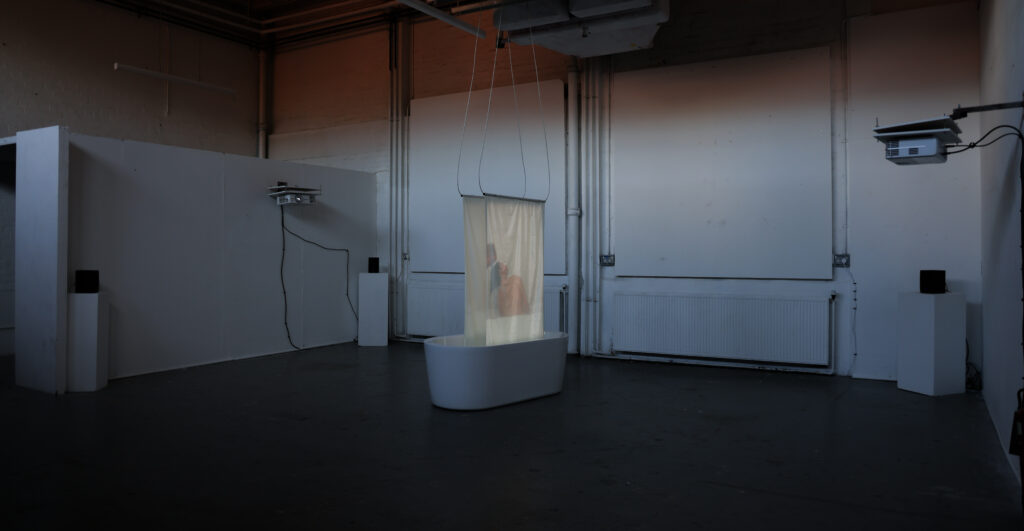
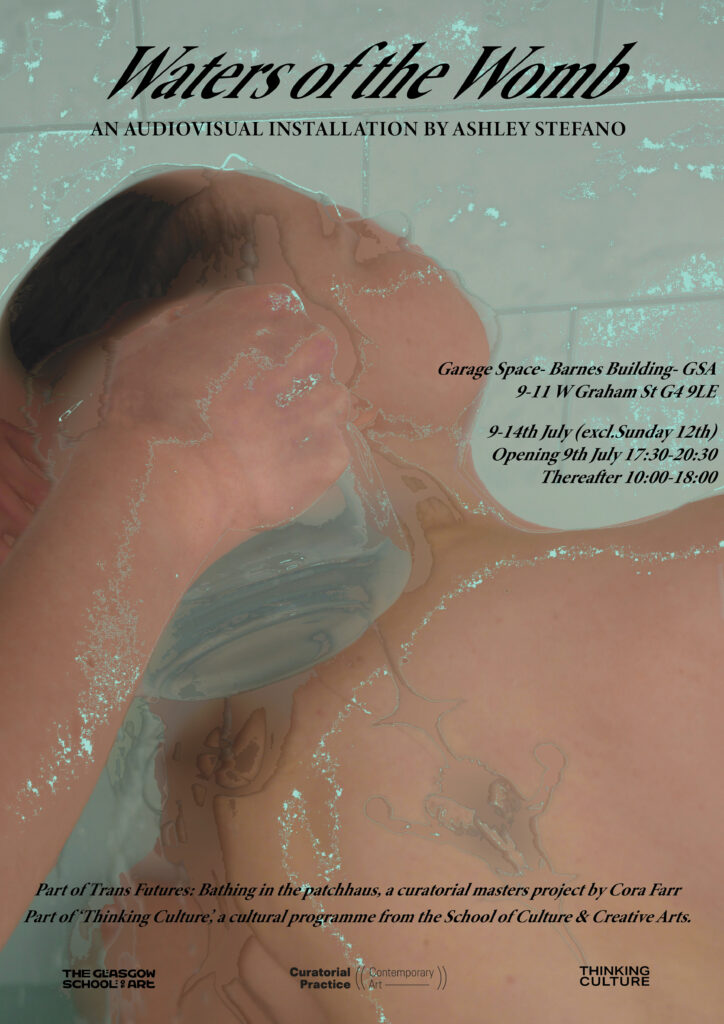
Degree Show Presentation
For the 2026 Postgraduate degree show, I installed and exhibited ephemera and photographic documentation from the ‘Trans Futures’ project’s final public-facing iteration, ‘Waters of the Womb’. This included photographic prints (the photos themselves the work of photographer Ellis Bairstow and one of my own), an A1 PVC foam sign used during the exhibition run, poster, exhibition interpretation and a video demonstrating how the ‘patchhaus’, a curatorial soundspace I designed in Max MSP, was used by the artist Ashley Stefano to augment and record the sound that made up the final work in ‘Waters of the Womb’. In the video you can hear and see the patchhaus being ‘played’ with the original two videos that later made up the final work, through use of reverb loops, pitch shifting, distortion, synthesisers and multichannel volume control, as well as filters and effects that respond to the performers themselves within the videos, such as a face-tracking control- causing a pause whenever the lead artist’s face was obscured or a degrade filter triggered by the brightness of the video, that darkens whenever performer Iris May walks in front of the camera in her black dress.
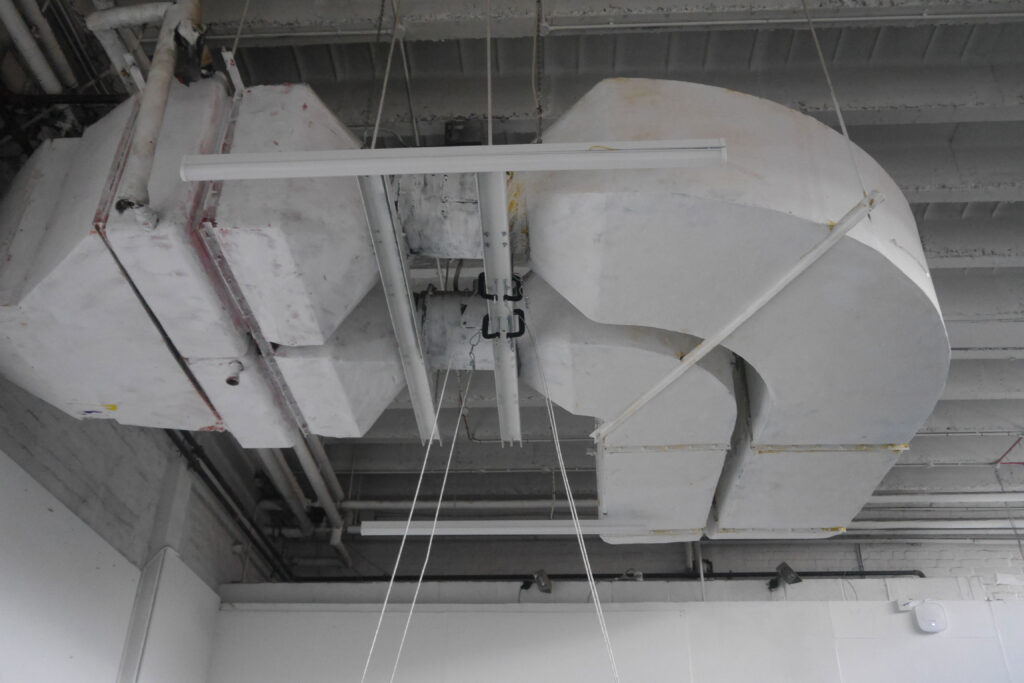
The curation of my degree show presentation was pursued in line with the aesthetic ethos visible within the curation of ‘Waters of the Womb’, whereby a ‘white cube’ style space is disrupted via industrial, typically DIY fixings (steel nails and magnets for hanging and black wires and cable clips for tech) and the addition of sound designed to immerse an audience audibly, as well as visually. Physical fixings are subtly exaggerated to communicate an acknowledgement of the labour of the install, rather than a desire to hide the signs of construction or fixing. My DIY curatorial ethic, developed through the ‘Trans Futures’ project as well as during my time as an electronic music promoter, resists the impulse to disguise, and would rather engage in fantasy. I wanted to encourage audiences to view the artefacts of the installation, and listen to a recreation of the sound, in order to conjure up the emotional affect that the original installation created.
Ellis Bairstow’s crisp yet abject photography contributed to this, as well as the graphic design of both the poster and supporting interpretation displayed. Textual elements of the graphic design were inspired by the promotional copy of The White Hotel, a formative industrial arts space for me, having lived in Manchester for 6 years before moving to Glasgow. I aimed to communicate a forced stylistic ‘slant’ through exaggerated italicising on a traditionally-styled serif font. The poster, graphic designed by myself, is based on a photograph by Stina Aldén of the lead artist, shot during the filming of the work. It was designed to communicate the dissociative affect of sound as an additive curatorial frame to a performance through its distortive layered filters that warp and blend the lines between the artist’s body and the watery background surrounding them.
The objects were curated, collected and installed by myself, with tech provided by the GSA Media Studio and mounted by Dougie Kennedy. Further help with install was provided by Ella Woodcock, Maggie Ashmole, Bel Sheridan-Moore, Sofya Mikhaylova, Mike Hill and Owen Speir. I’d like to thank these people in particular for their role in supporting my degree show presentation, along with everyone who has supported this project for their time and effort.
To view the patchhaus demonstration and selected photography of ‘Waters of the Womb’, please see my page ‘Trans Futures- Bathing in the patchhaus’
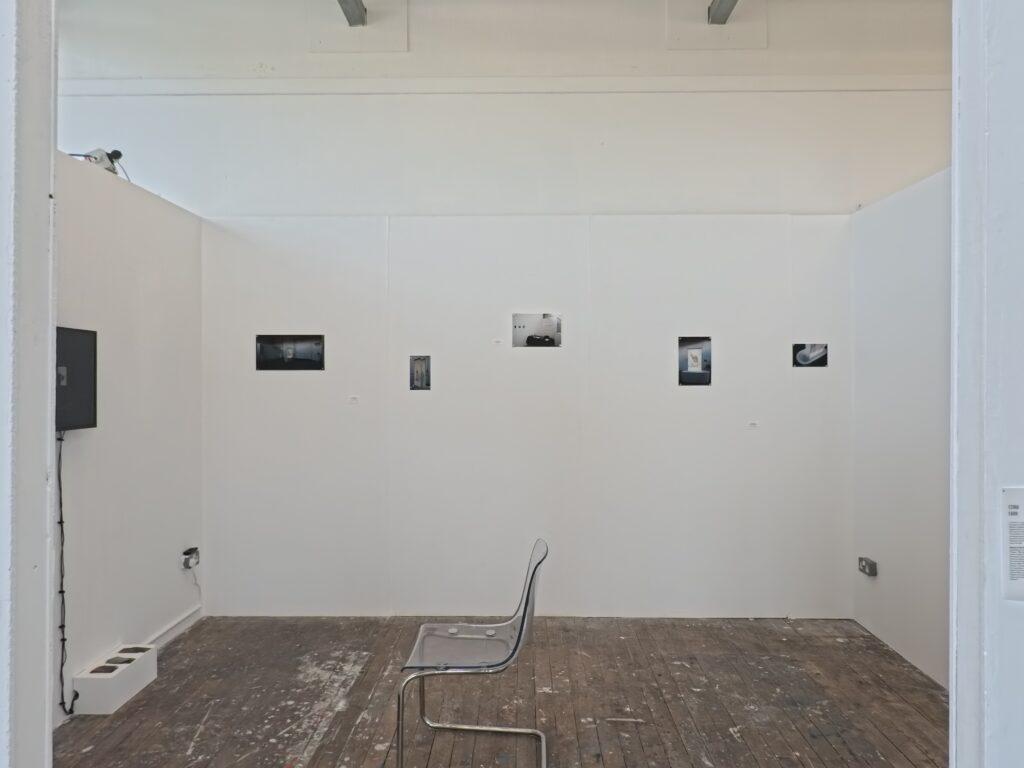
Photo: Hsin-Ying Chou
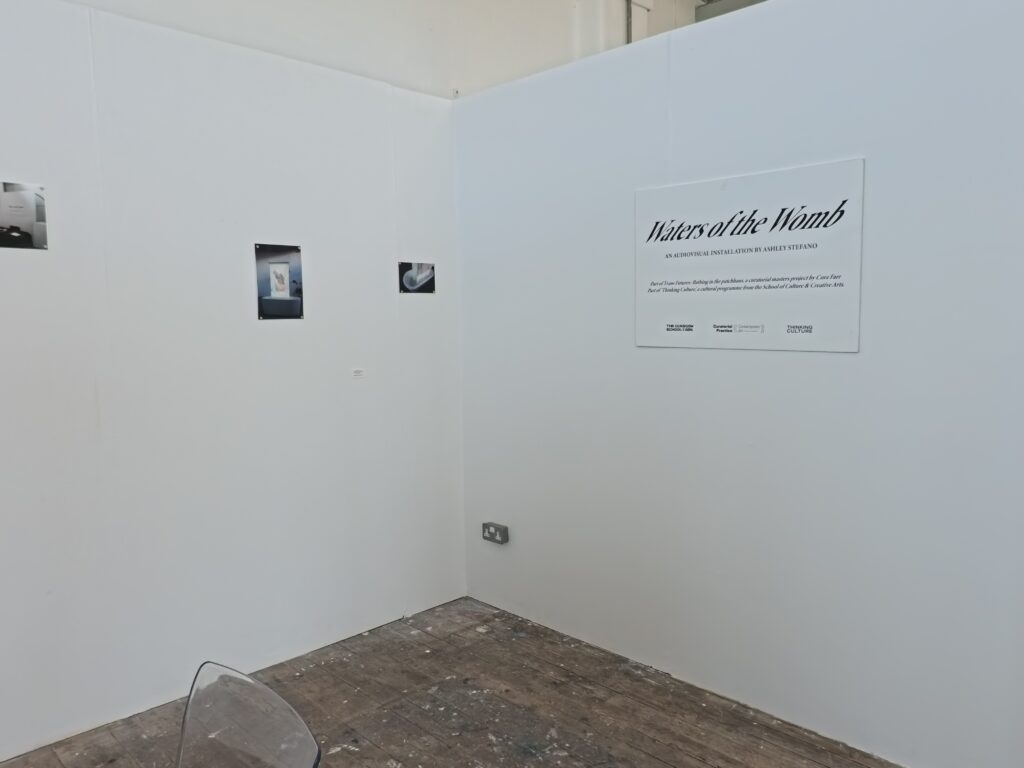
Photo: Hsin-Ying Chou
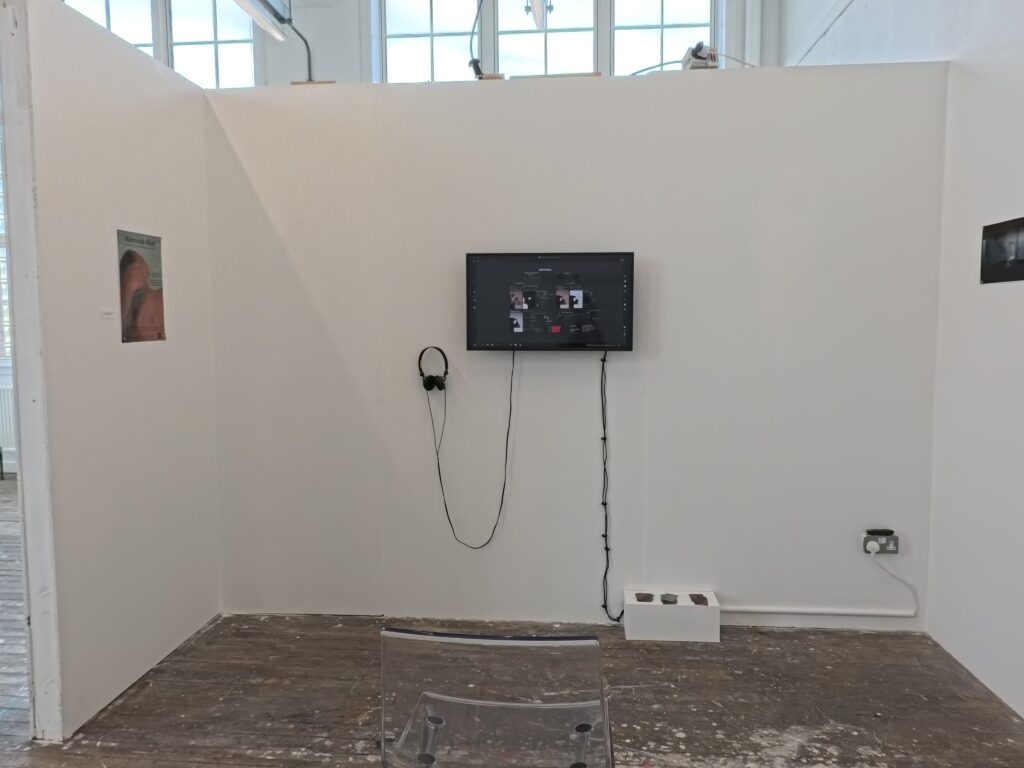
Photo: Hsin-Ying Chou
Trans Futures- Bathing in the patchhaus
‘Trans Futures: Bathing in the patchhaus’ was the third and final iteration of my curatorial masters project entitled ‘Trans Futures’. The first two stages were as follows:
‘Trans Futures: Fully Customisable Bodies in Fully Customisable Spaces’ (Stage 1 Context Review)
‘Extended Essay: The Performer, The Body, and The Machine: Trans Futures, Sound as Curatorial Method’ (Stage 2 Extended Essay)
‘Trans Futures: Bathing in the patchhaus’ as an overarching project encompasses the development of the patchhaus, engagement of artists, production and commissioning of artwork, recording of accompanying sound work, and production design. The project also includes a culminating exhibition of the commissioned work by artist Ashley Stefano, entitled ‘Waters of the Womb’.
This project was part of ‘Thinking Culture’, a cultural programme from the School of Culture & Creative Arts (Glasgow University)
Curatorial Statement:
A performer, in a video, in a soundspace, in an installation.
Prior to working together, artist Ashley Stefano and I had separately devised a curatorial soundspace, and video performance concept. We began a durative and collaborative relationship, our two concepts aligning perfectly and subsequently enriching one another. This synthesis is key to the way of working in this project, and reflective of the dialectical struggle upon which this curatorial project rests. The goal of this project was to create both an artistic synthesis between curator-artist and artist-curator, and a dialectical synthesis through phenomenological affect. The title of my year-long curatorial project ‘Trans Futures’ considers how to shift the conversation about trans bodies away from regressive, invasive and ‘hammering’ (Ahmed 2016) narratives and to introduce and discover conversations that trans populations are in control of. Narratives that are assuring of our place in a future, that are utopia-seeking, that are hopeful and progressive in nature.
Through a phenomenological-political lens, I employed sound as curatorial affect, in order to ‘hammer back’ an embodied narrative about trans and gender diverse bodies. Concurrently, my curatorial method, having always in some manner been rooted in affect, is more broadly concerned with audience. How to manage space and in this case sound, in order to narrow the gap between the artist’s vision and the audience’s perception and resulting emotion. This was the primary motivation behind commissioning Ashley Stefano to create work to sit inside a curatorial soundspace, in order to experiment with a collaborative affect, that could exhume emotion from an audience in a deep profound way. The work itself asks the audience to engage, to think, and to feel through listening, moving through space and watching, with sound and video working to call the other into question, to disorient and reorient through gesture, through reverberation, through distortion, through expression.
We invited the audience to loop the space continually, observing how their emotional response shifts as they walk through the multichannel and multisensorial field.
Artist Bio:
Ashley Stefano is a queer South African artist based in Glasgow , with a practice spanning performance, video, sound, installation, production and curation. Ashley is interested in the body language of tension and catharsis, and evokes the musicality and serious playfulness of gesture to consider its functions as method of self-soothing and symbolic activation. Through fragmented and speculative narratives, she initiates opportunities for ceremonial and meditative contemplation of object as site for emotions, dreams, connection, and memory
The Artist and Curator would like to thank and credit the following individuals for their work on this project:
Sophie Mockridge- Production design
Stina Aldén- Photography (promotional and print) and runner
Gwendolin Kircali- Tech hand and runner
Iris May- Performer ‘Mother’
Ellis Bairstow- Photography (installation)
And for their mentorship, support, advice:
Dougie Kennedy, Charlie Hodgson, Simon Weins, Dr. Siôn Parkinson, Dr. Omar Kholeif, Dr. Alexandra Ross, everyone at the GSA TSD department- particularly the Media Studio, Stow metal workshop, TSD photography and Caseroom. Fee Cuimeanach, Pete Murch, Brooke Hailey Hoffert, Francesca Zappia, Maggie Ashmole, Esther Stone, Ella Woodcock, Alex Howey, Owen Speir, Anna Lewis.
‘Trans Futures’ is dedicated to Ashiq Khan who will be missed.
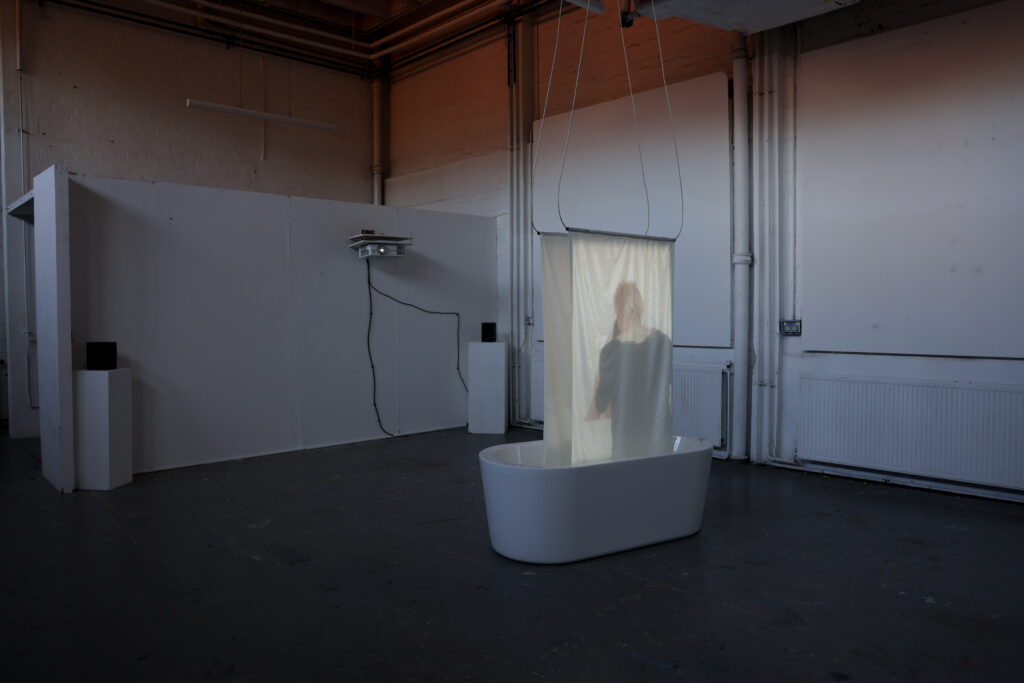
Photo: Ellis Bairstow
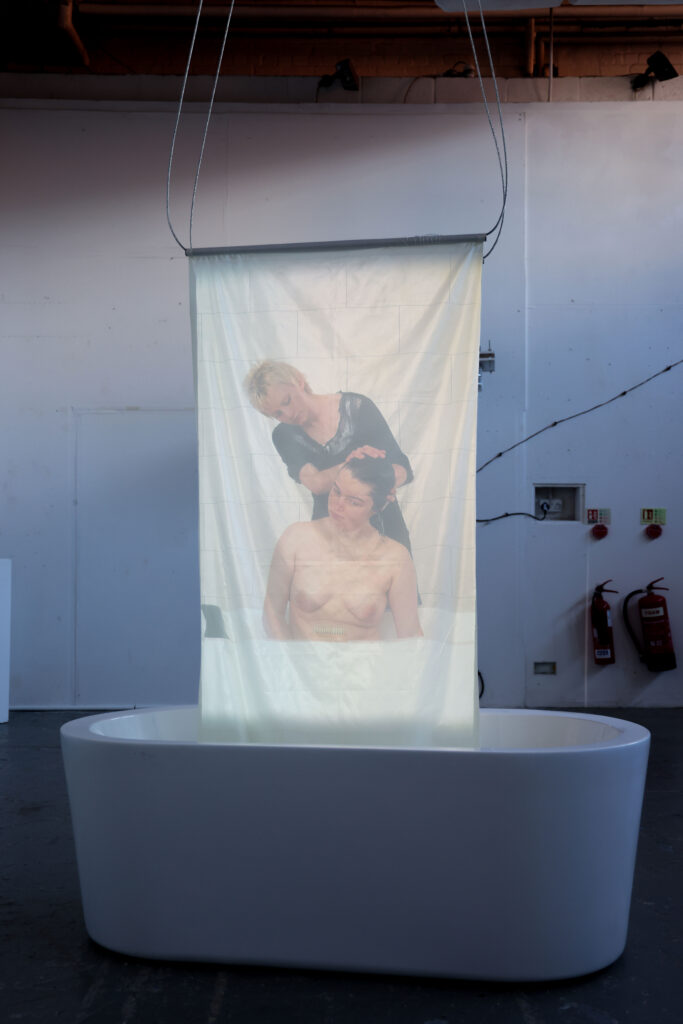
Photo: Ellis Bairstow
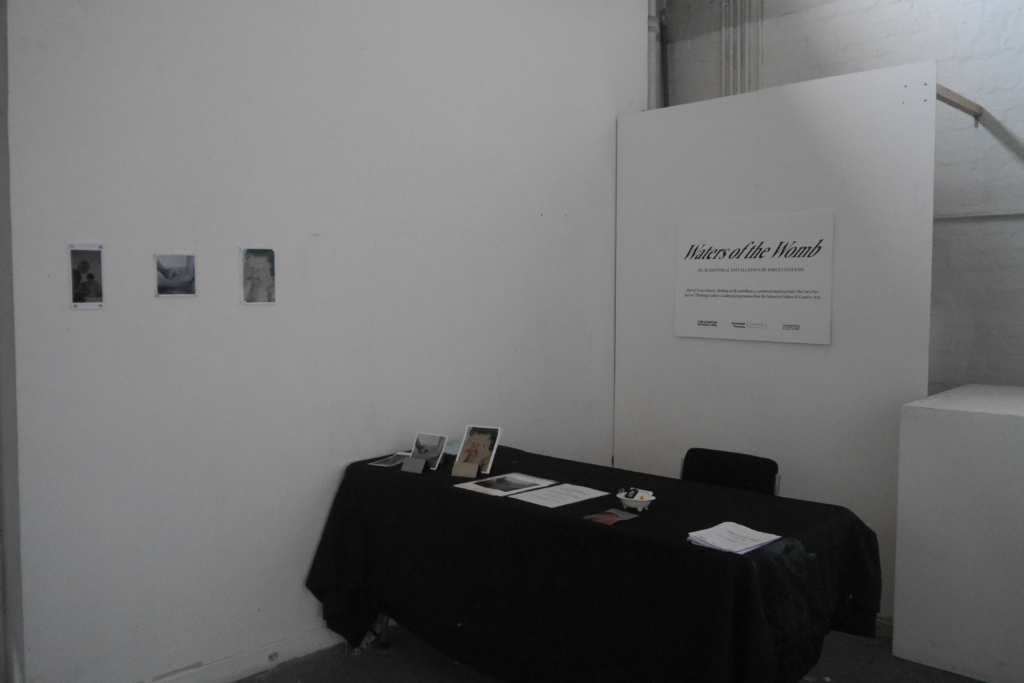
Photo: Cora Farr
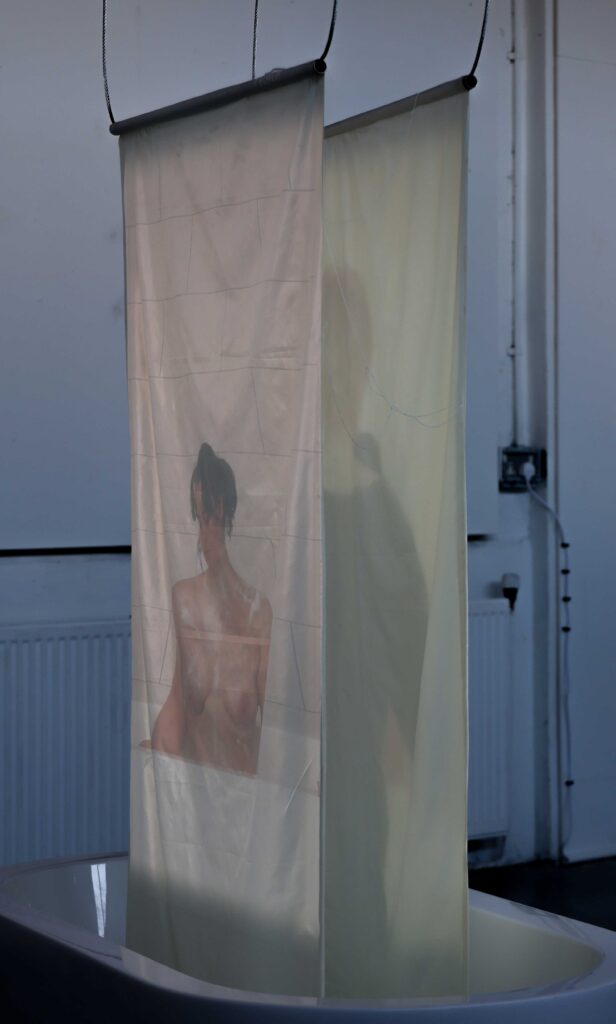
Photo: Ellis Bairstow
Hanging System - Designed by Sophie Mockridge Photo: Cora Farr
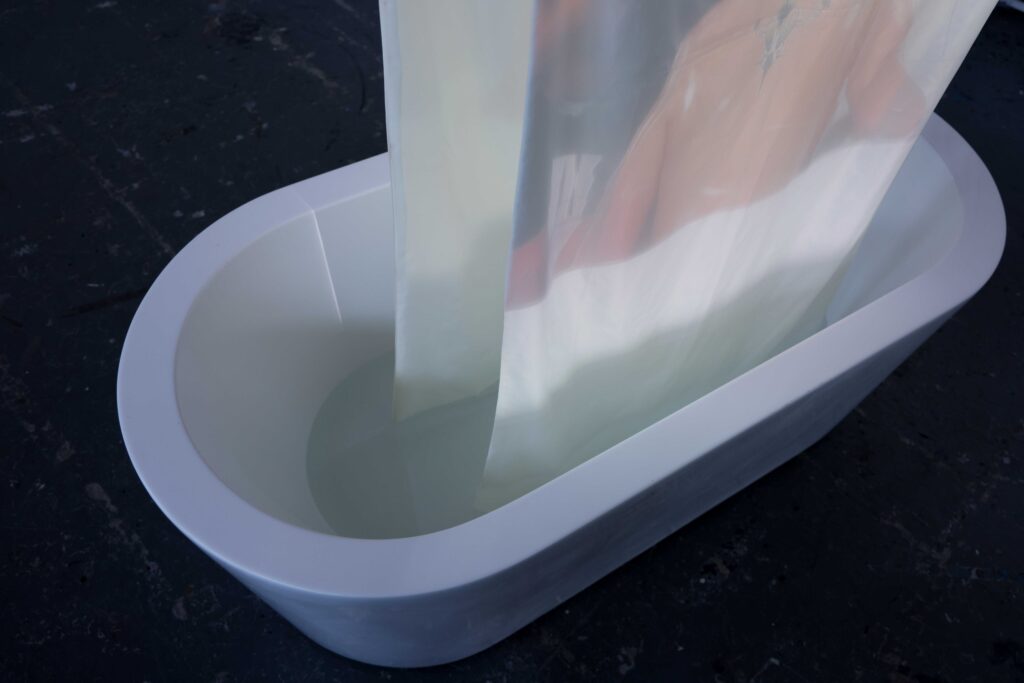
Photo: Ellis Bairstow
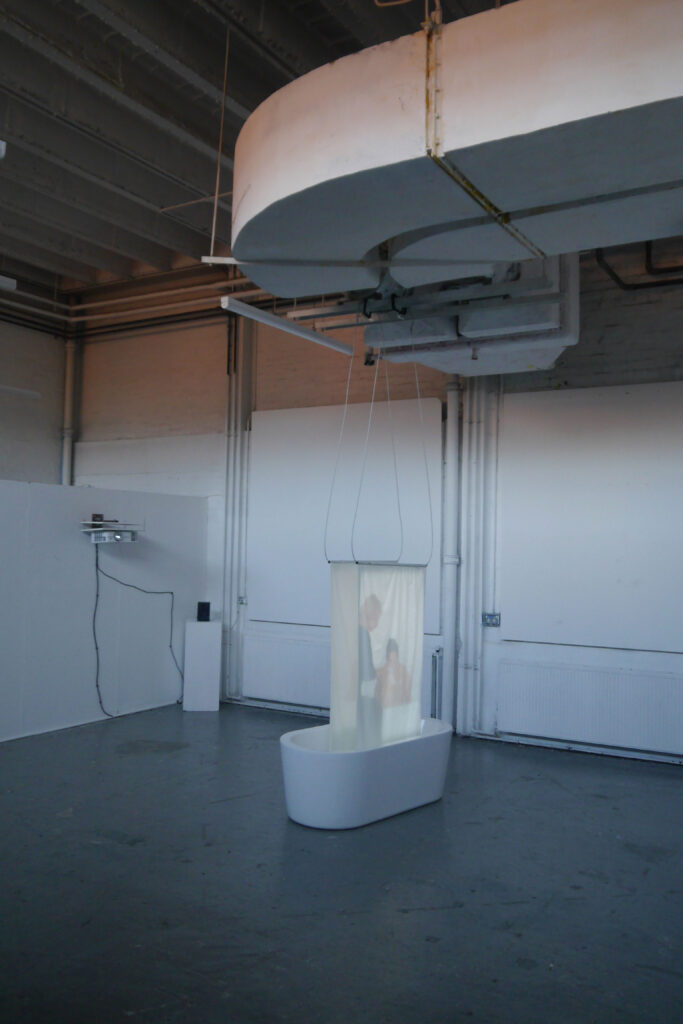
Photo: Cora Farr
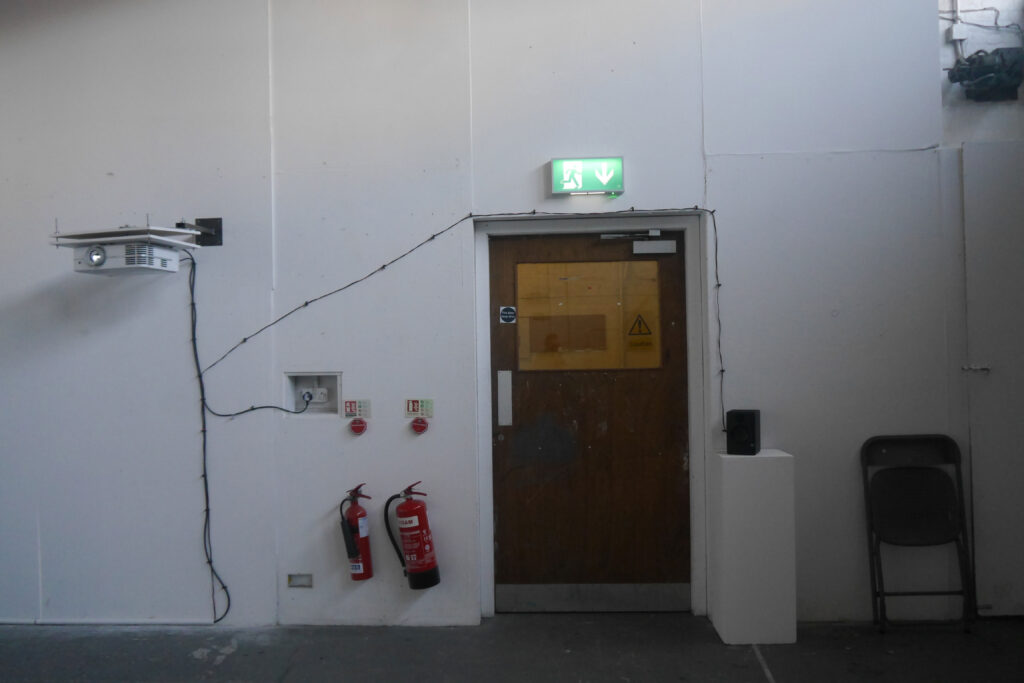
Photo: Cora Farr
Curated by Cora Farr Artist: Ashley Stefano Photographer: Ellis Bairstow
The Thirdspace Toolkit
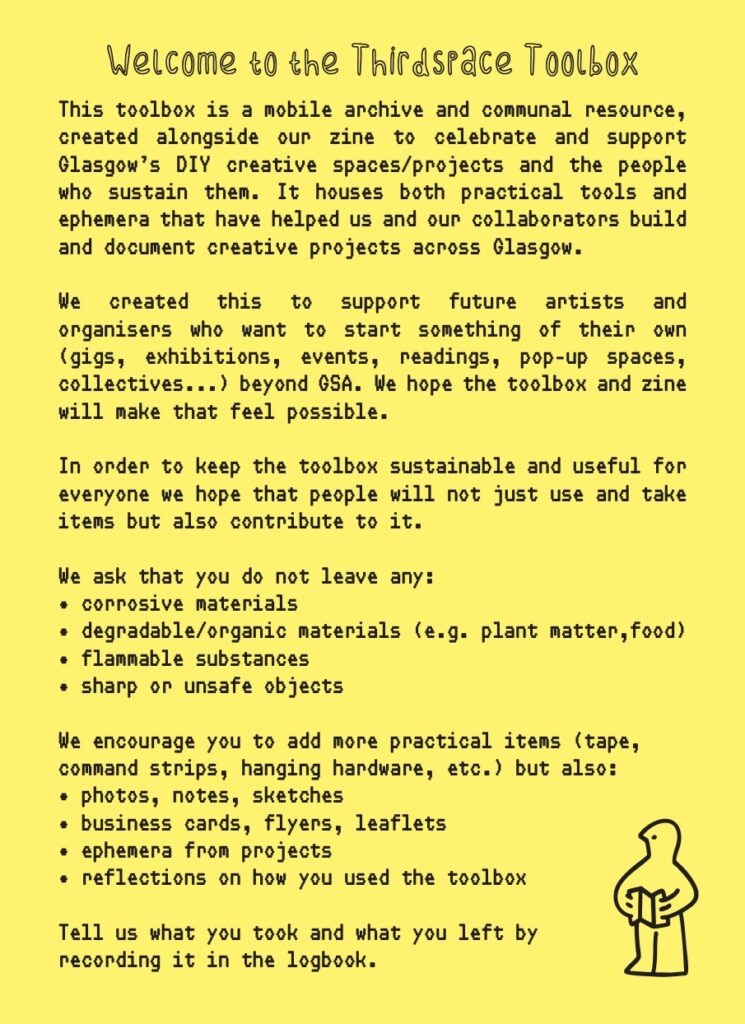
The Thirdspace Toolkit is a zine publication and physical toolkit containing practical tools, ephemera, and advice designed to document and facilitate DIY events and exhibitions in Glasgow. Together, they function not only as a practical manual and resource for running and organising a space or event, but also as a source of inspiration and motivation for those getting started. The Toolkit is catalogued in the Glasgow School of Art Library and available for students to borrow and use for producing their own events and projects.
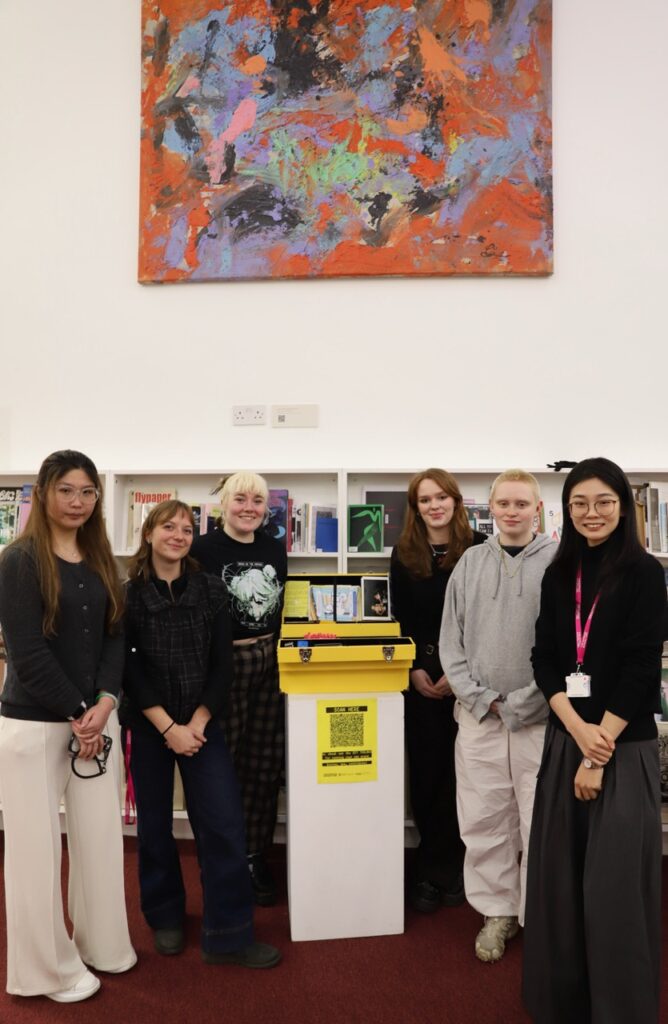
Pictured (left to right): Jie (Jorra) Zhang, Maggie Ashmole, Keely McLavin, Catriona Anderson, Cora Farr, Ziruo (Zero) Li. 2025. Photo credit: Ziruo Li.
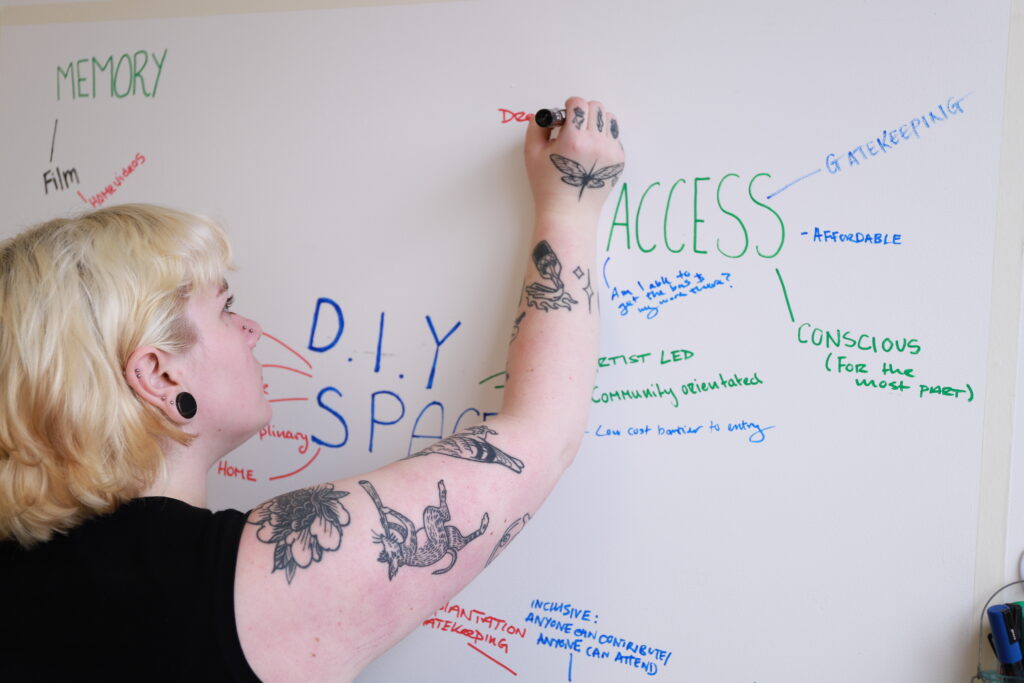
CPCA Studio, 2025. Photo credit: Ziruo Li.
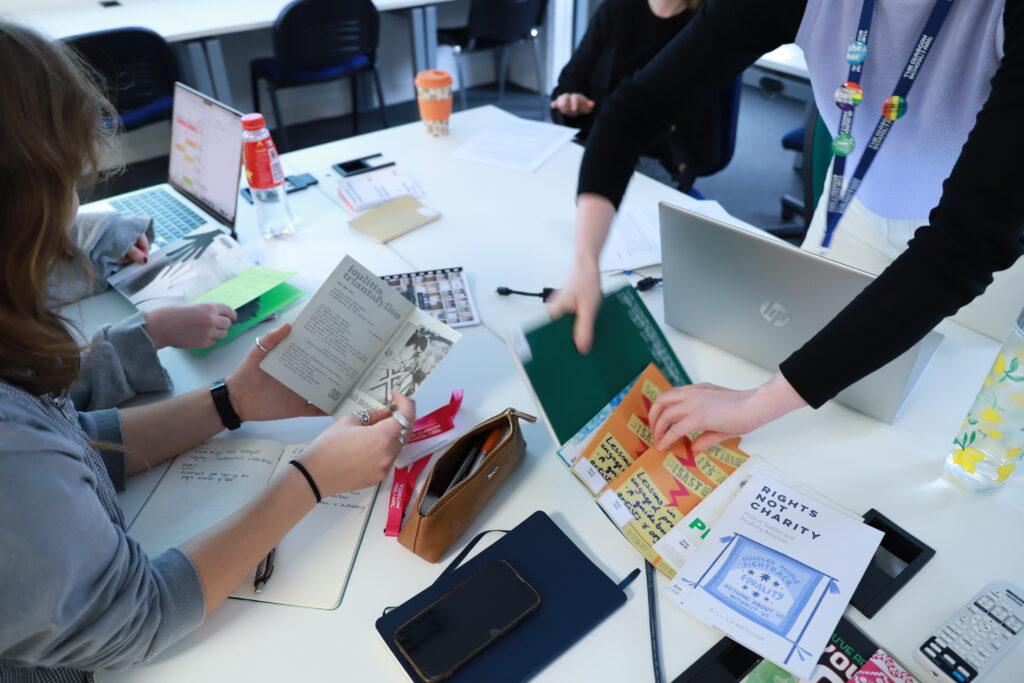
GSA Library, 2025. Photo credit: Ziruo Li.
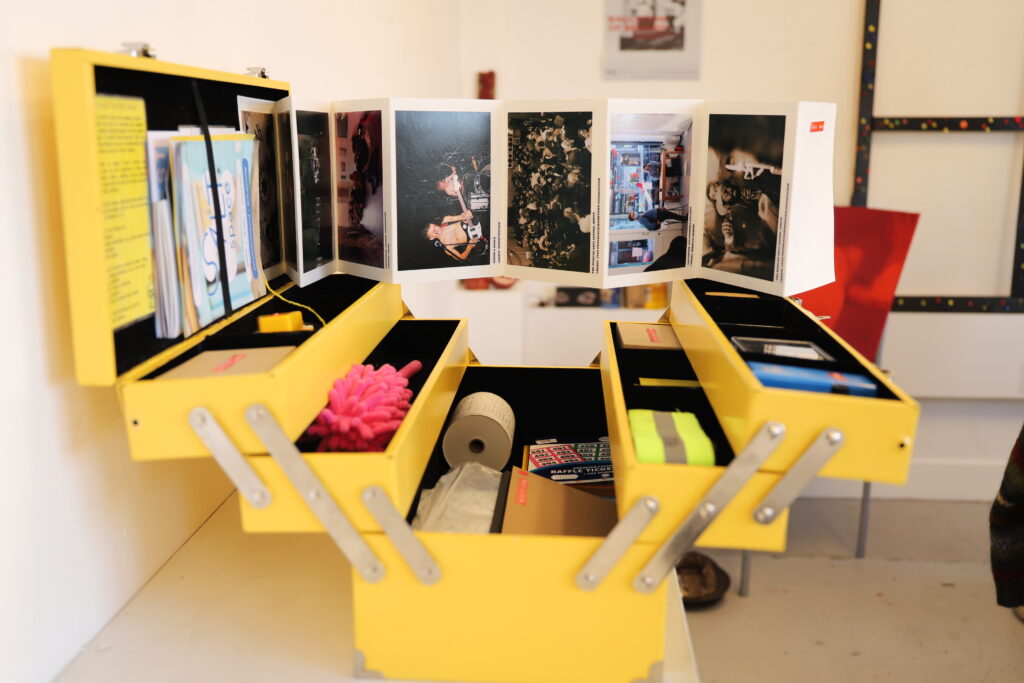
2025. Photo credit: Ziruo Li.
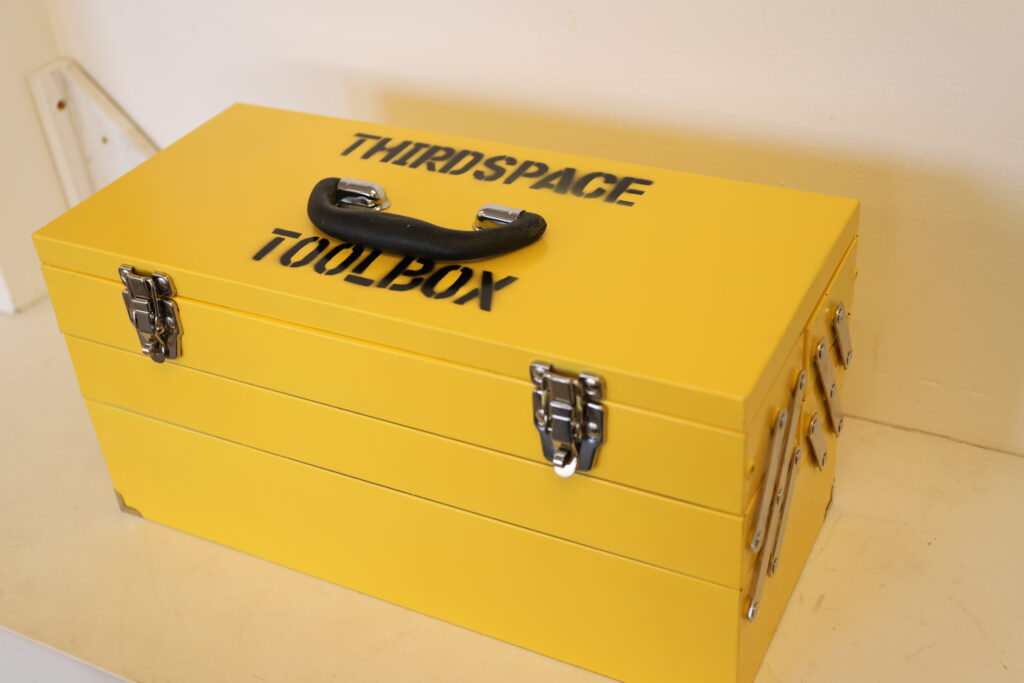
2025. Photo credit: Ziruo Li.
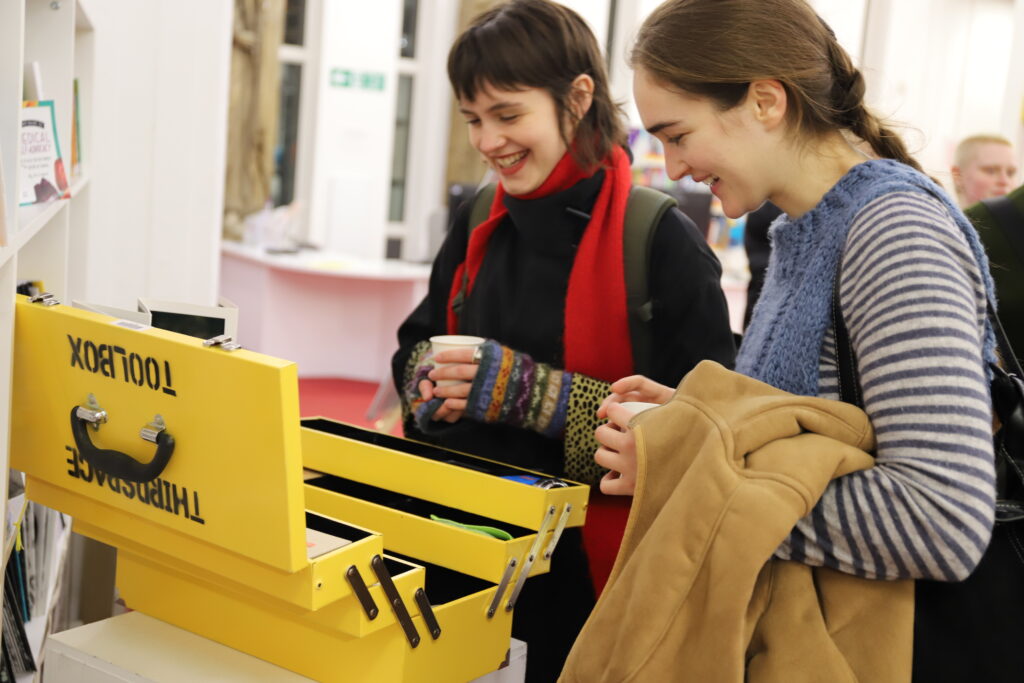
GSA Library, 2025. Photo credit: Ziruo Li.
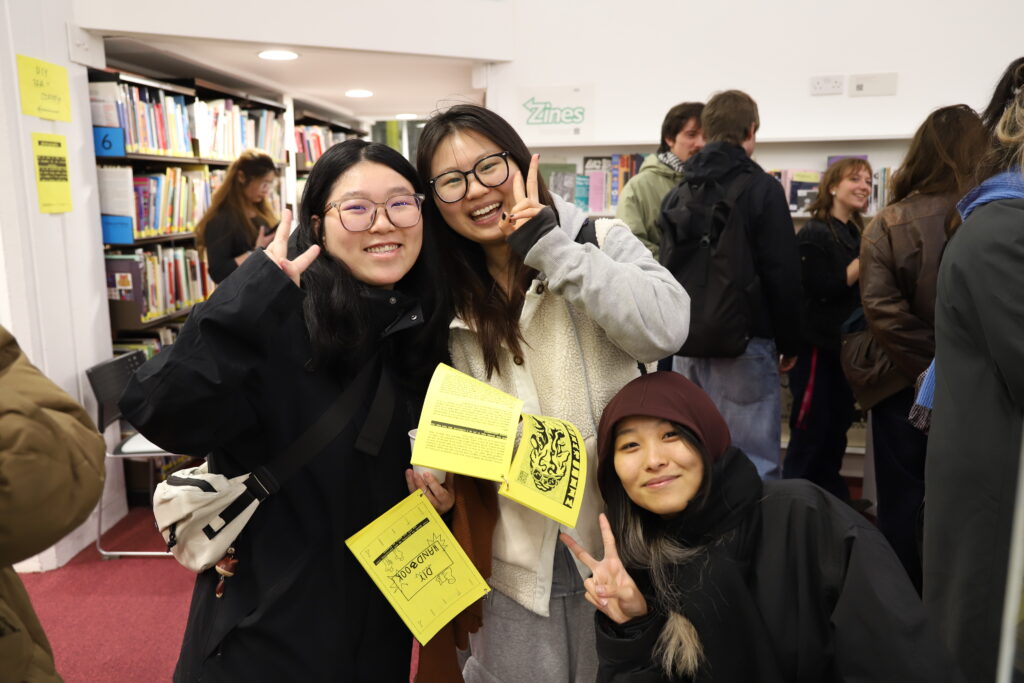
GSA Library, 2025. Photo credit: Ziruo Li.