Yimin Xiang
Yimin Xiang is an artist and researcher based in Glasgow, working across printmaking, archival theory, and contemporary visual culture.
Recent solo exhibitions include A Hesitant Conclusion (New Glasgow Society, Glasgow, 2026) and An Obscure Endeavour (Dong x3, Wuhan, 2023). Group exhibitions include New Contemporaries 2026 (South London Gallery; MIMA), Palimpsest (Annex Gallery, GSA), the RSA Annual Exhibition, Edinburgh, and Woolwich Contemporary Print Fair, London. Research has been presented at the Association for Art History Annual Conference (Cambridge), Peking University and the China Academy of Art.
Exhibition guide
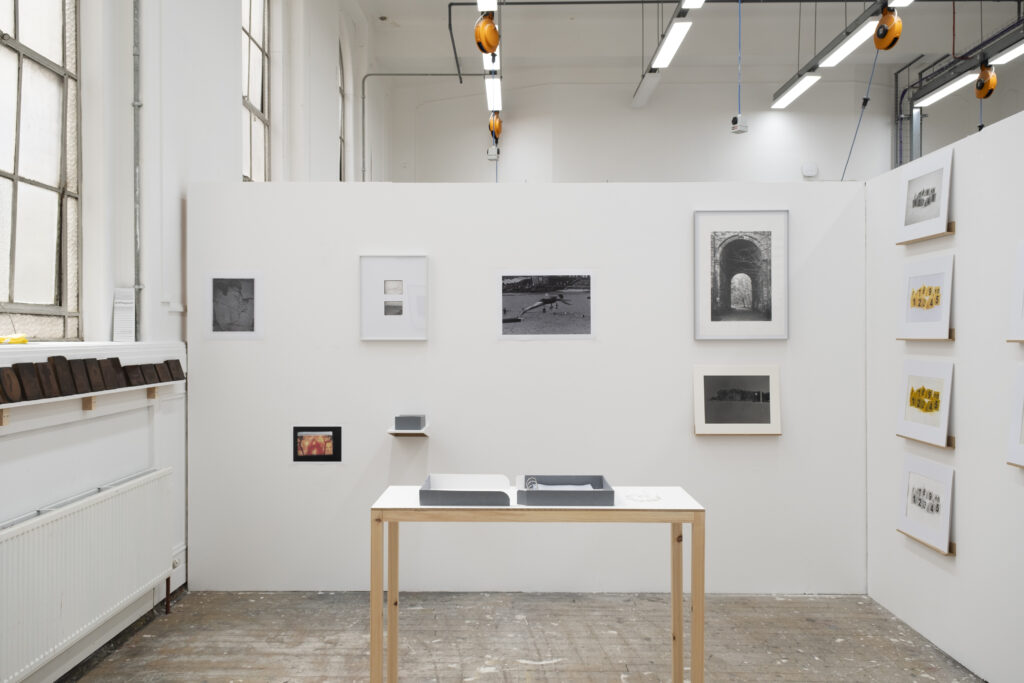
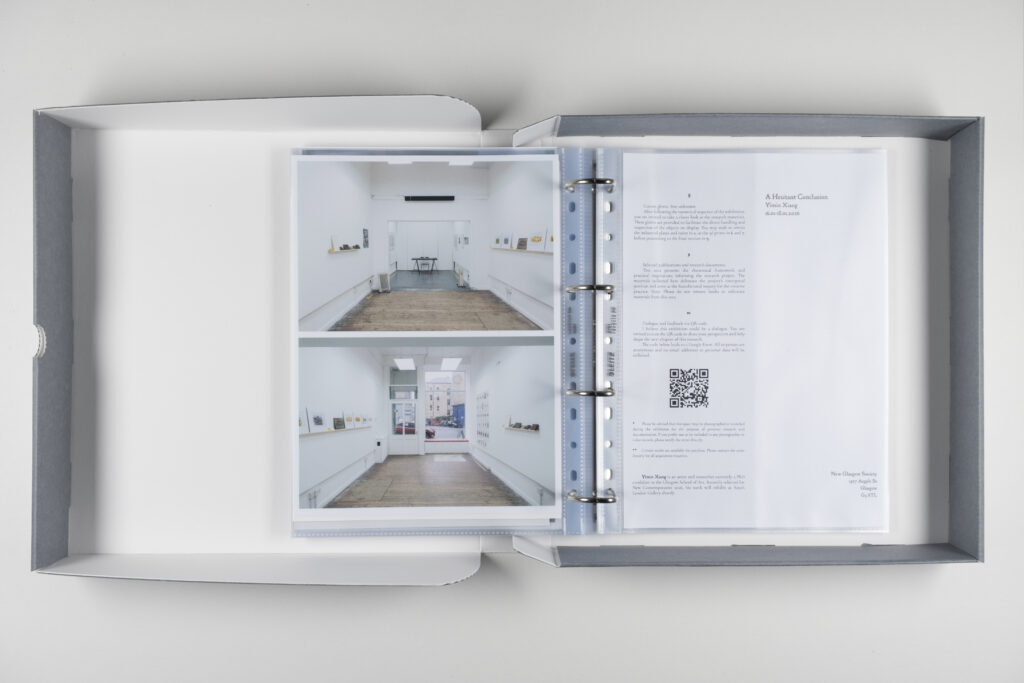
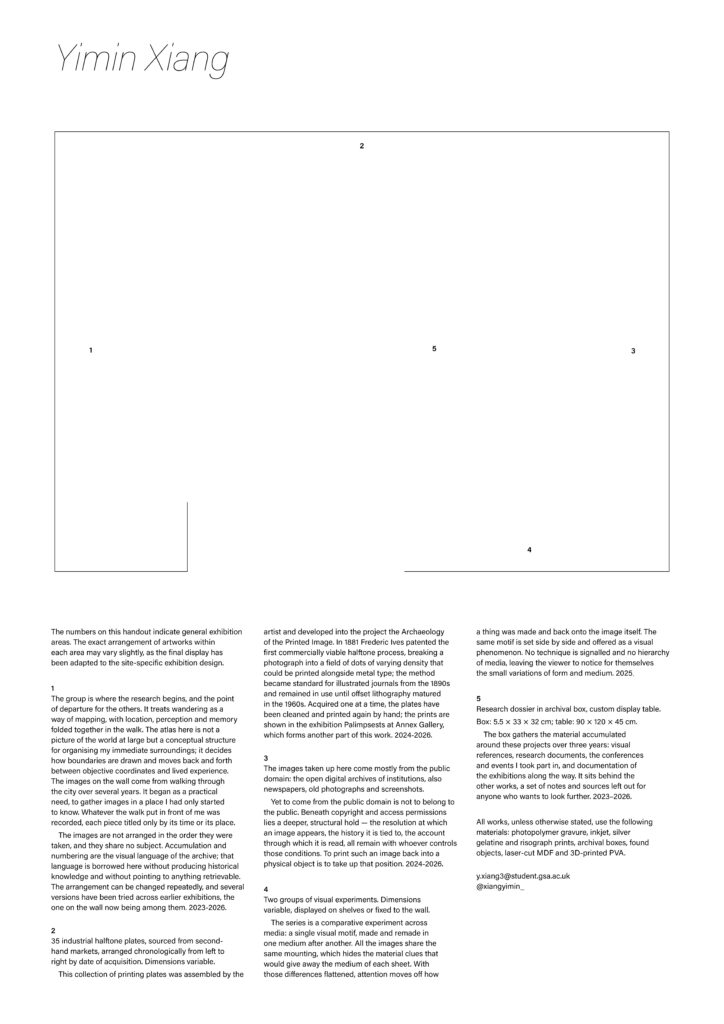
The numbers on this guide indicate general exhibition areas. The exact arrangement of artworks within each area may vary slightly, as the final display has been adapted to the site-specific exhibition design.
All works, unless otherwise stated, use the following materials: photopolymer gravure, photo-etching, inkjet, silver gelatine and risograph prints, archival boxes, found objects, laser-cut MDF, and 3D-printed PVA.
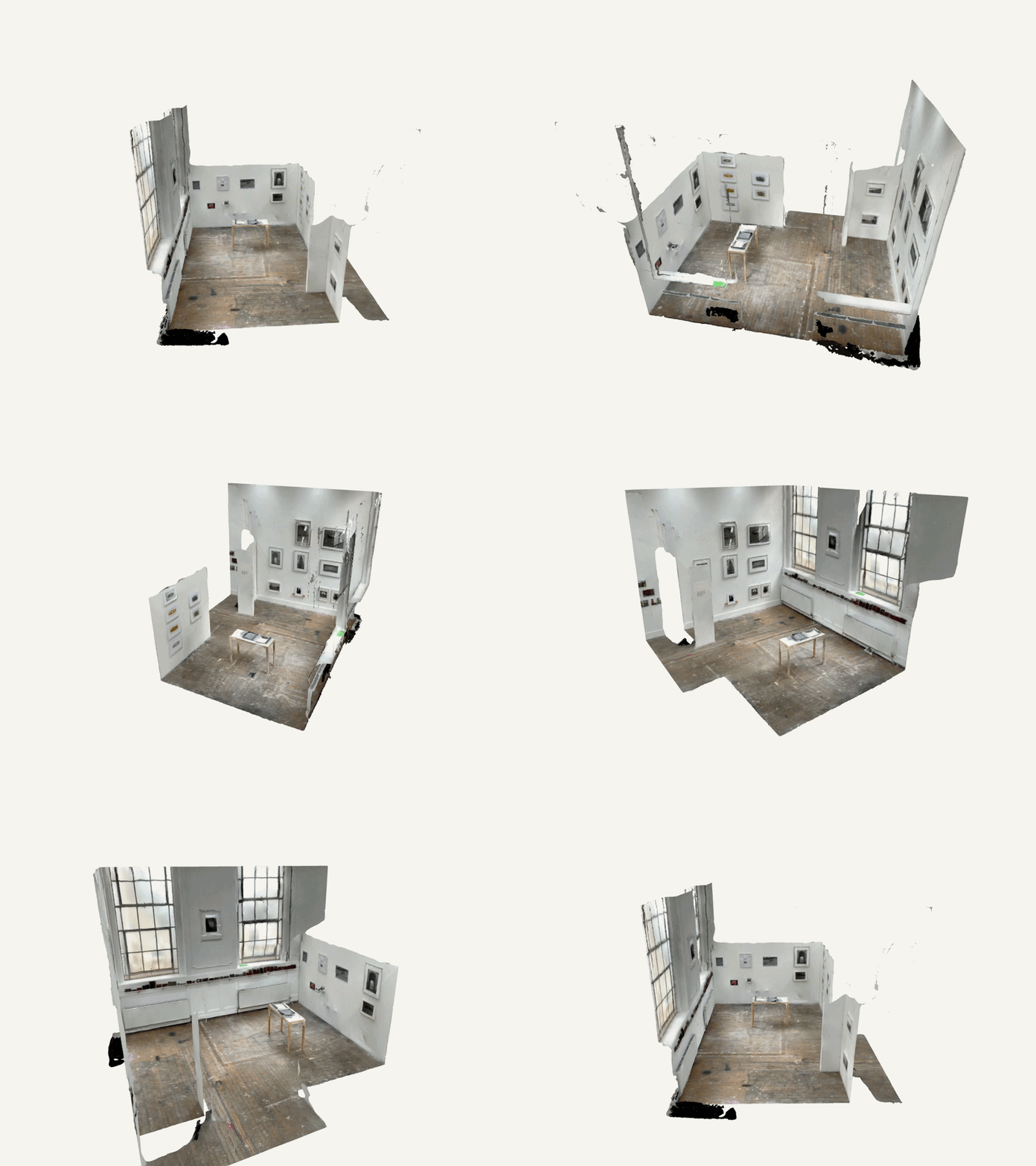
3D scan of the exhibition space, shown as an 8-second video looped as a GIF, 2026
1
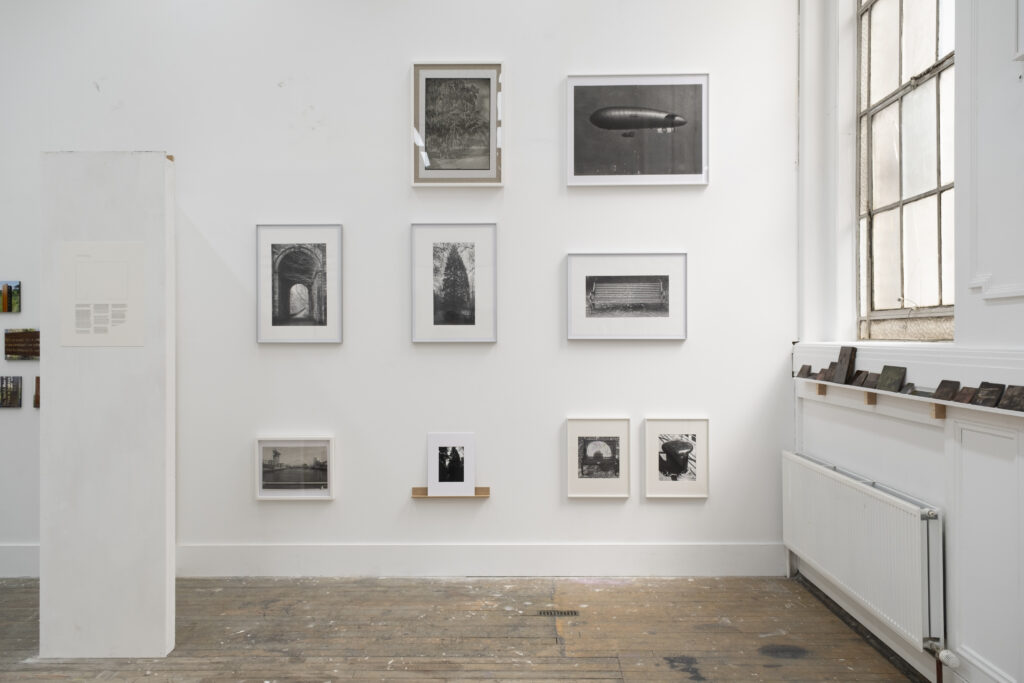
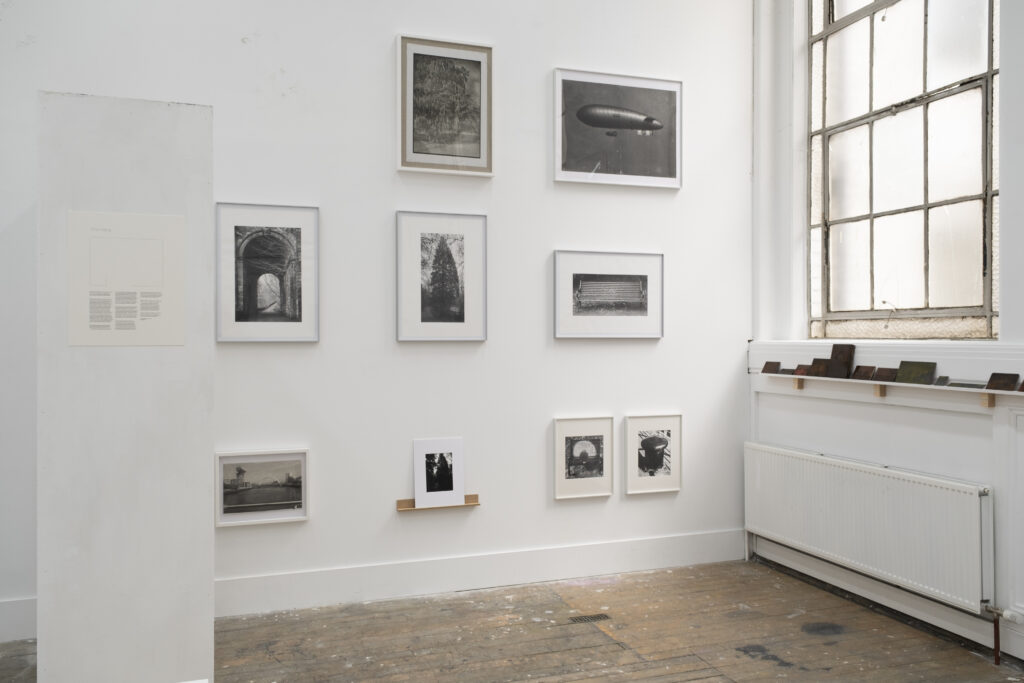
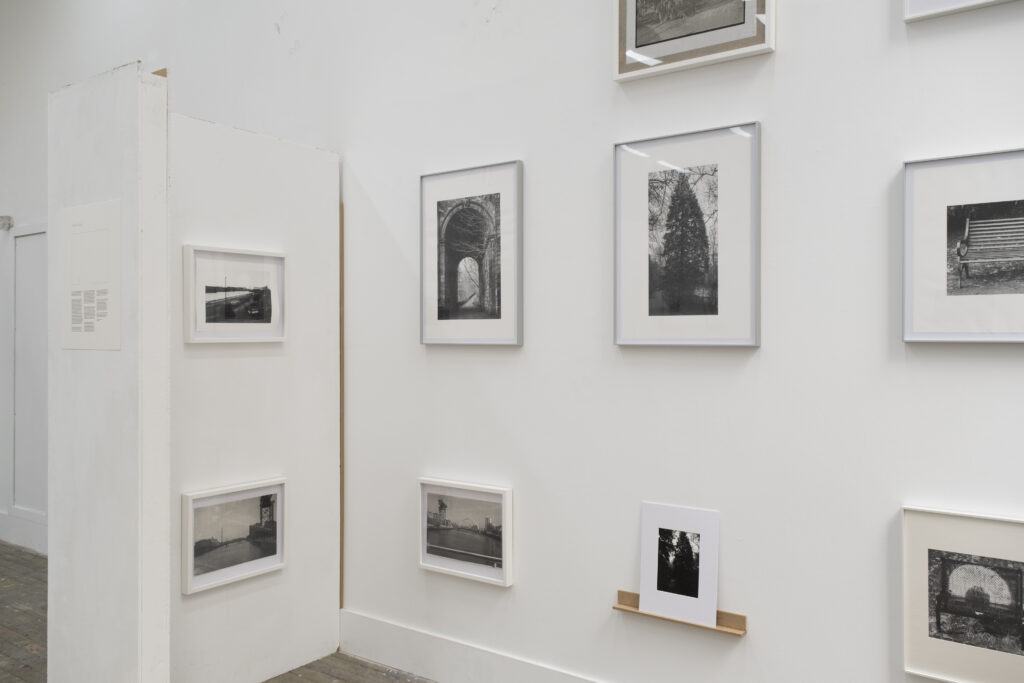
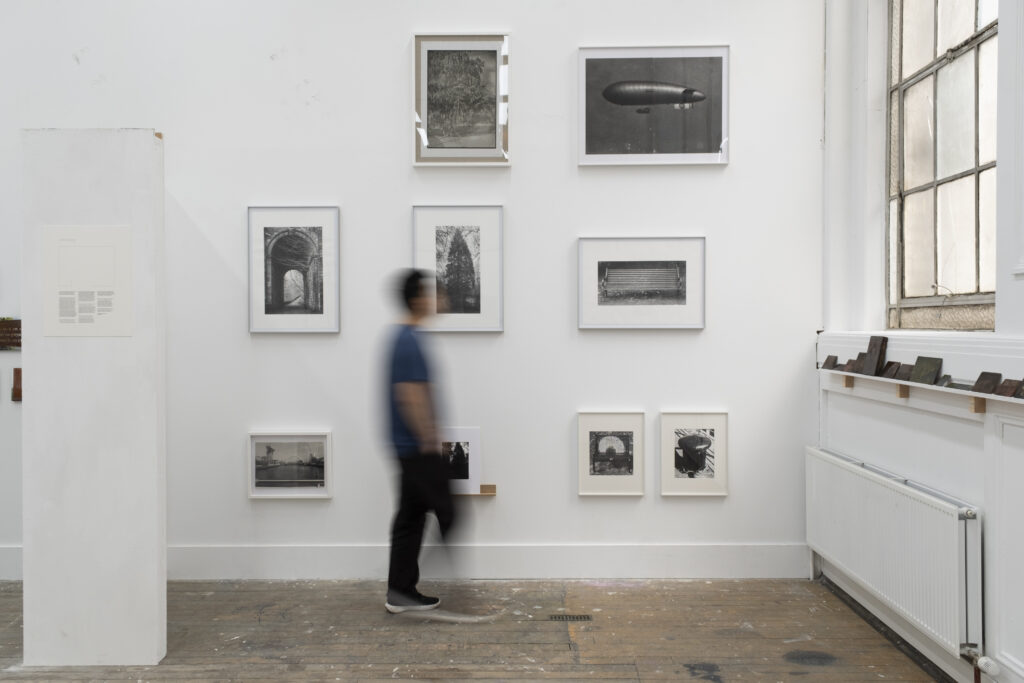
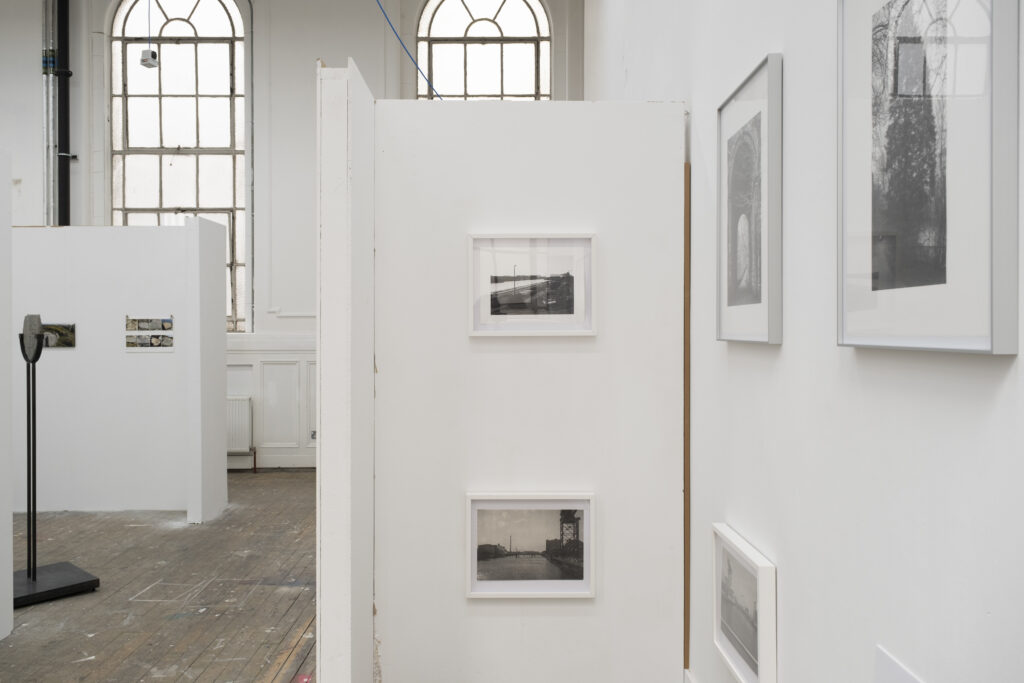
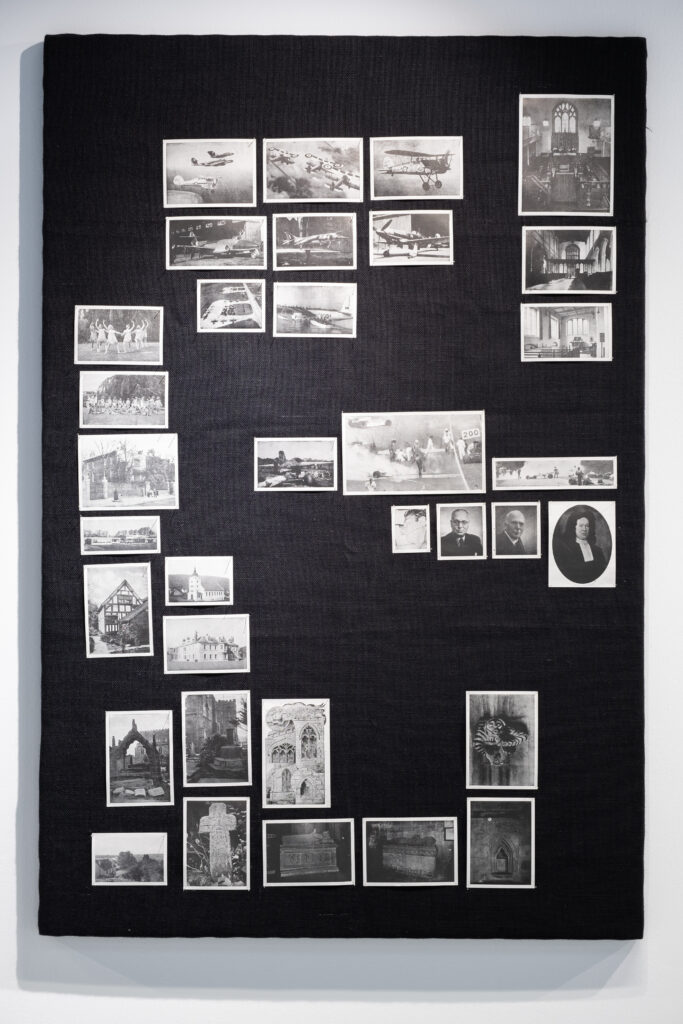
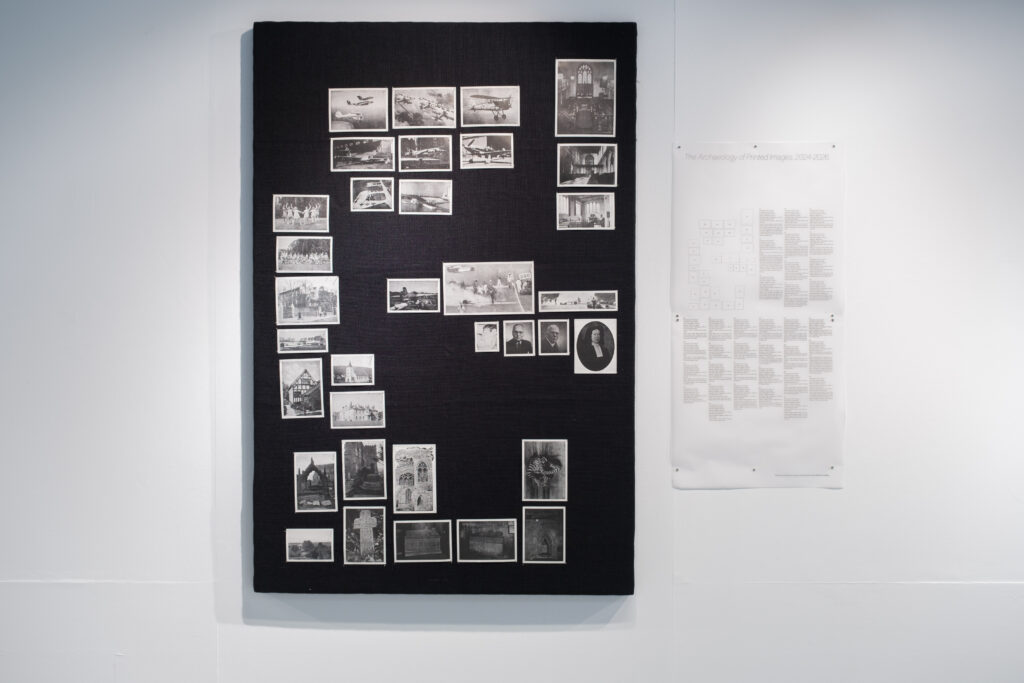
The group is where the research begins and the point of departure for the others. It treats wandering as a way of mapping, with location, perception and memory folded together in the walk. The atlas here is not a picture of the world at large but a conceptual structure for organising my immediate surroundings; it decides how boundaries are drawn and moves back and forth between objective coordinates and lived experience. The images on the wall come from walking through the city over several years. It began as a practical need to gather images in a place I had only started to know. Whatever the walk put in front of me was recorded, each piece titled only by its time or its place.
The images are not arranged in the order they were taken, and they share no subject. Accumulation and numbering are the visual language of the archive; that language is borrowed here without producing historical knowledge and without pointing to anything retrievable. The arrangement can be changed repeatedly, and several versions have been tried across earlier exhibitions, the one on the wall now being among them.
2023-2026.
2
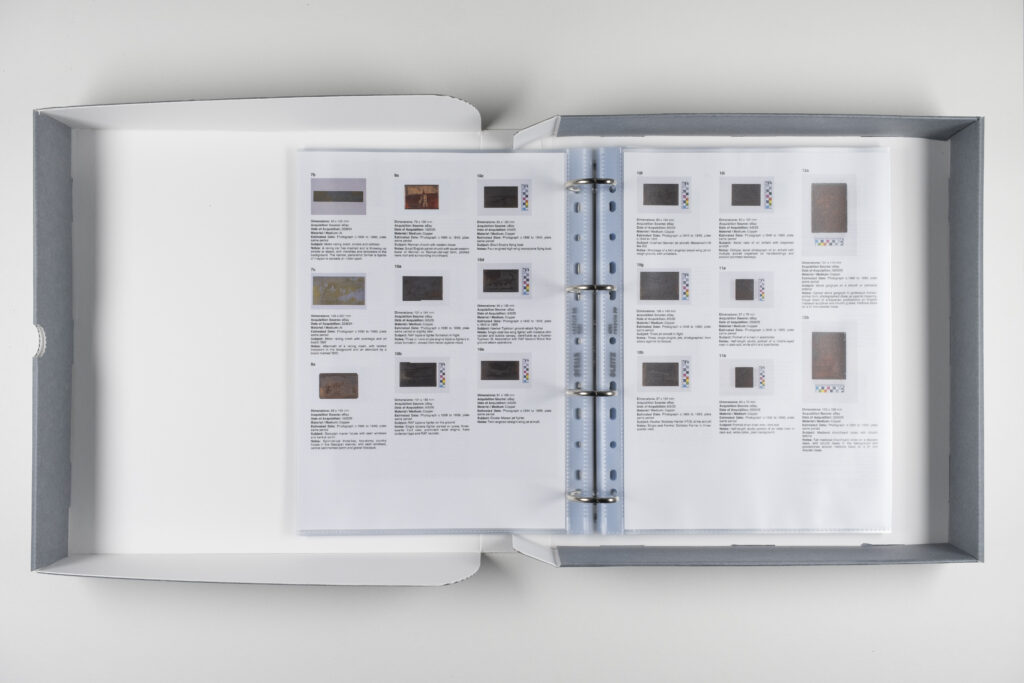
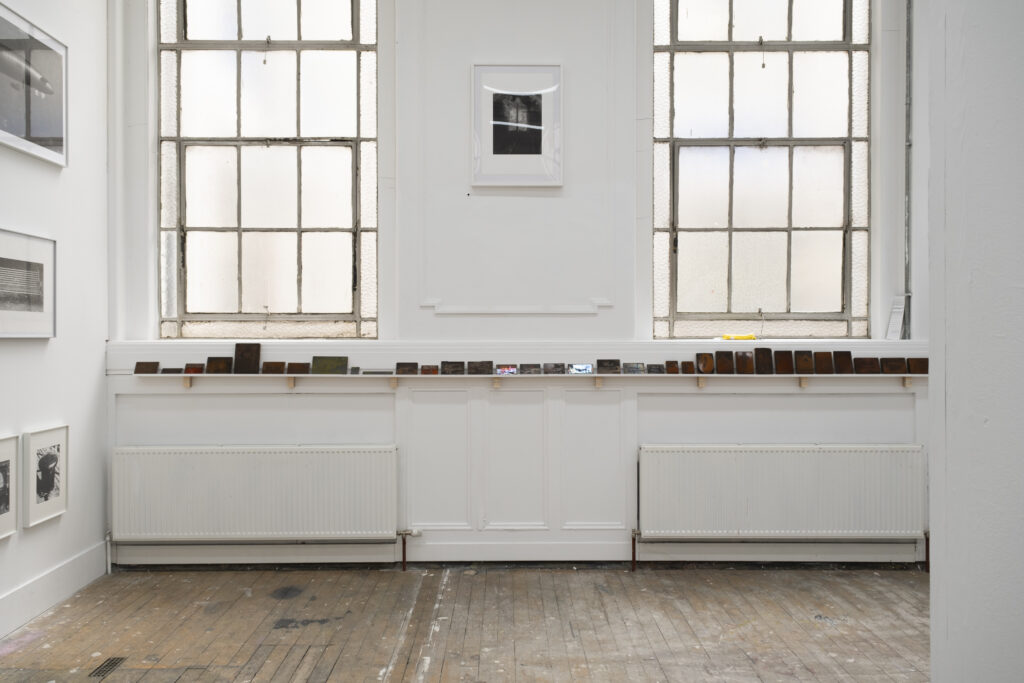
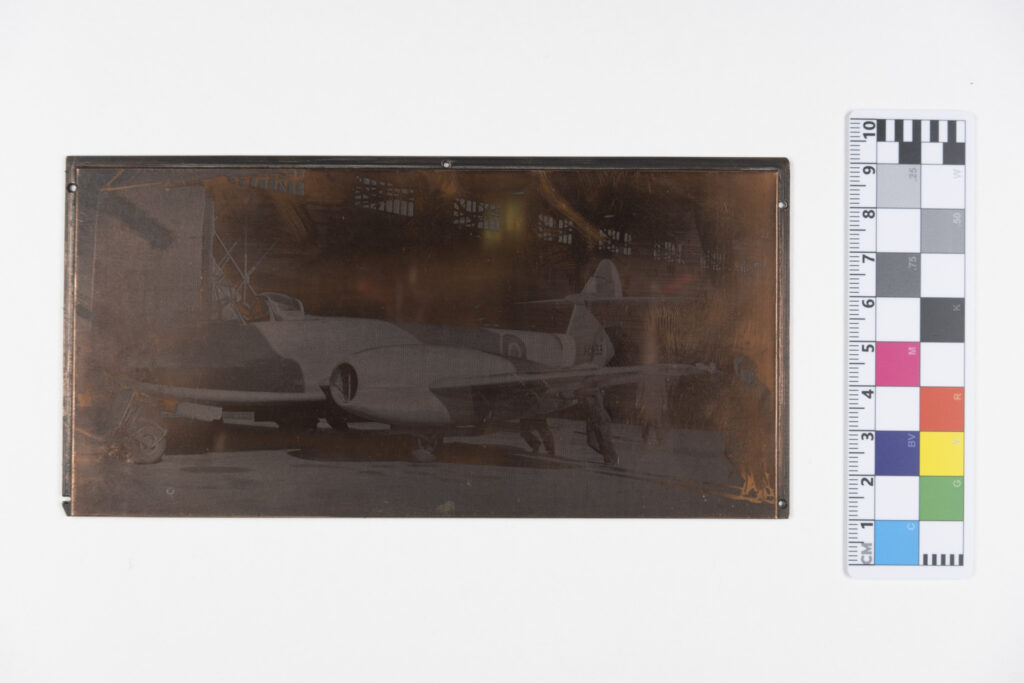
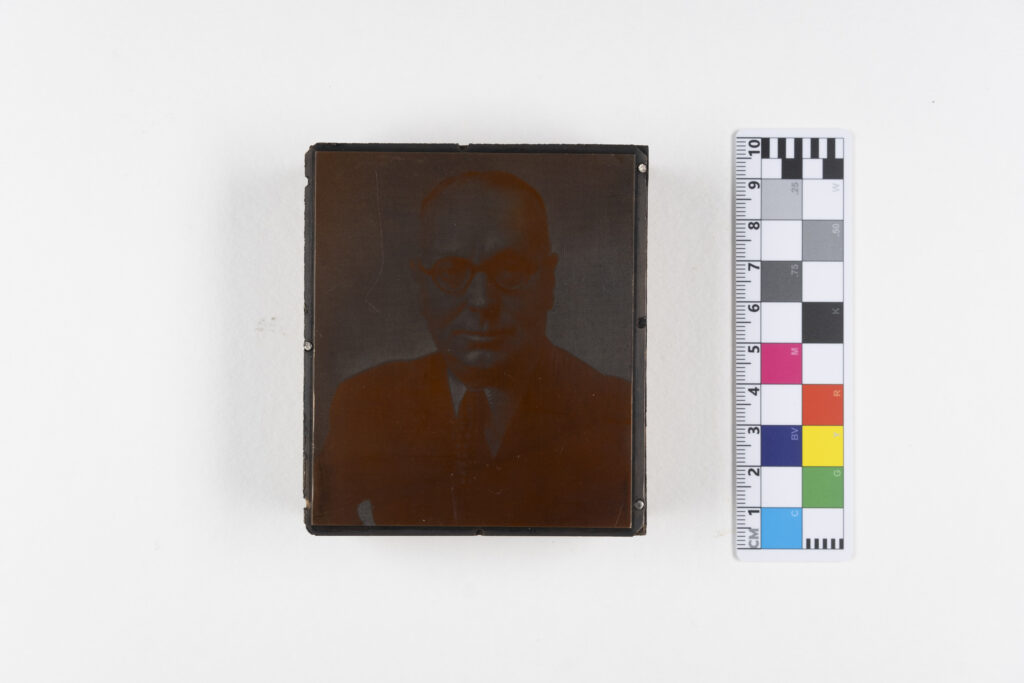
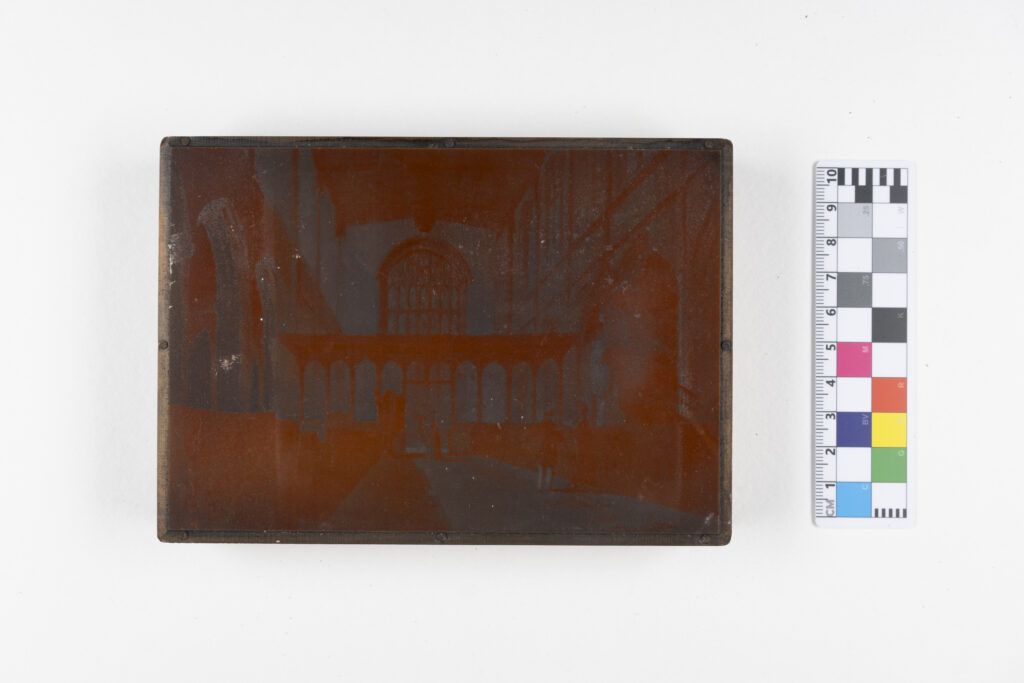
35 industrial halftone plates, sourced from second-hand markets, arranged chronologically from left to right by date of acquisition. Dimensions variable.
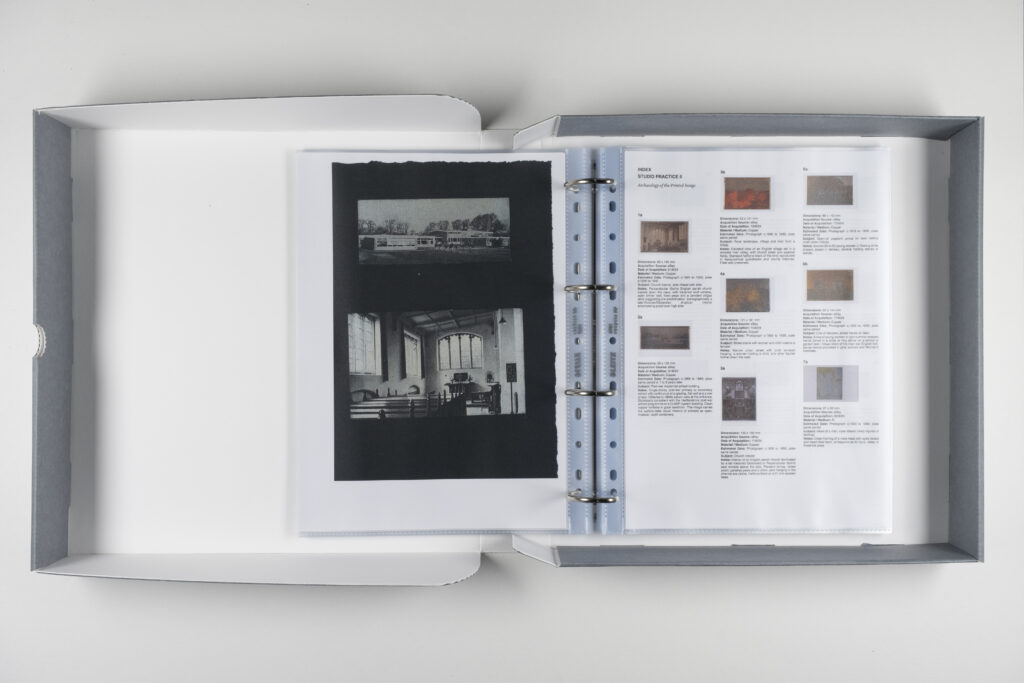
This collection of printing plates was assembled by the artist and developed into the project the Archaeology of the Printed Image. In 1881 Frederic Ives patented the first commercially viable halftone process, breaking a photograph into a field of dots of varying density that could be printed alongside metal type; the method became standard for illustrated journals from the 1890s and remained in use until offset lithography matured in the 1960s. Acquired one at a time, the plates have been cleaned and printed again by hand; the prints are shown in the exhibition Palimpsests at Annex Gallery, which forms another part of this work.
2024-2026.
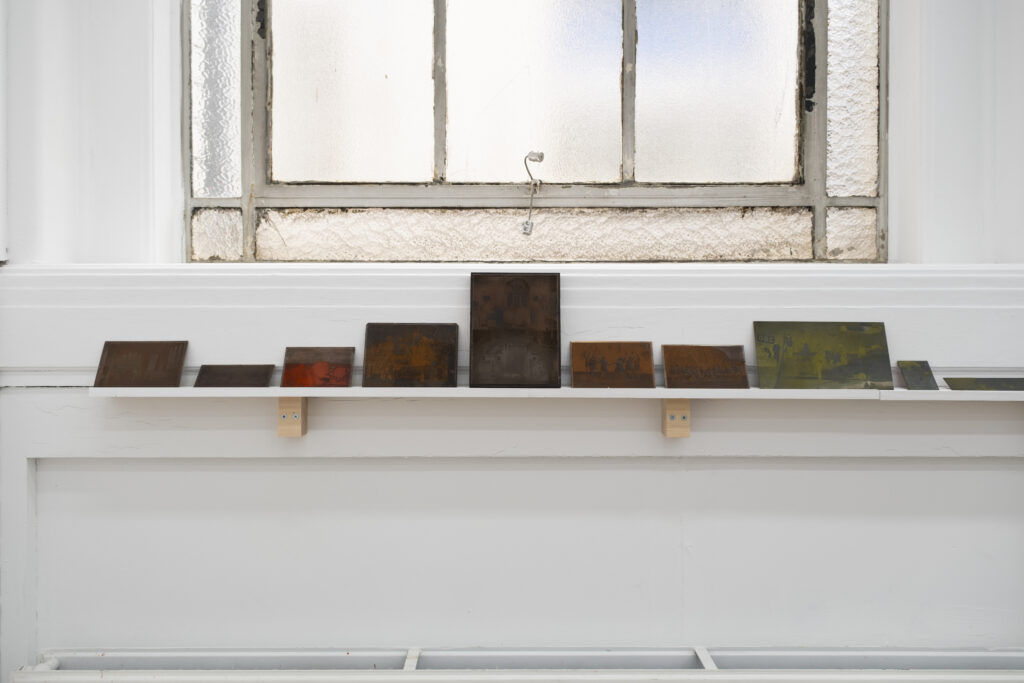
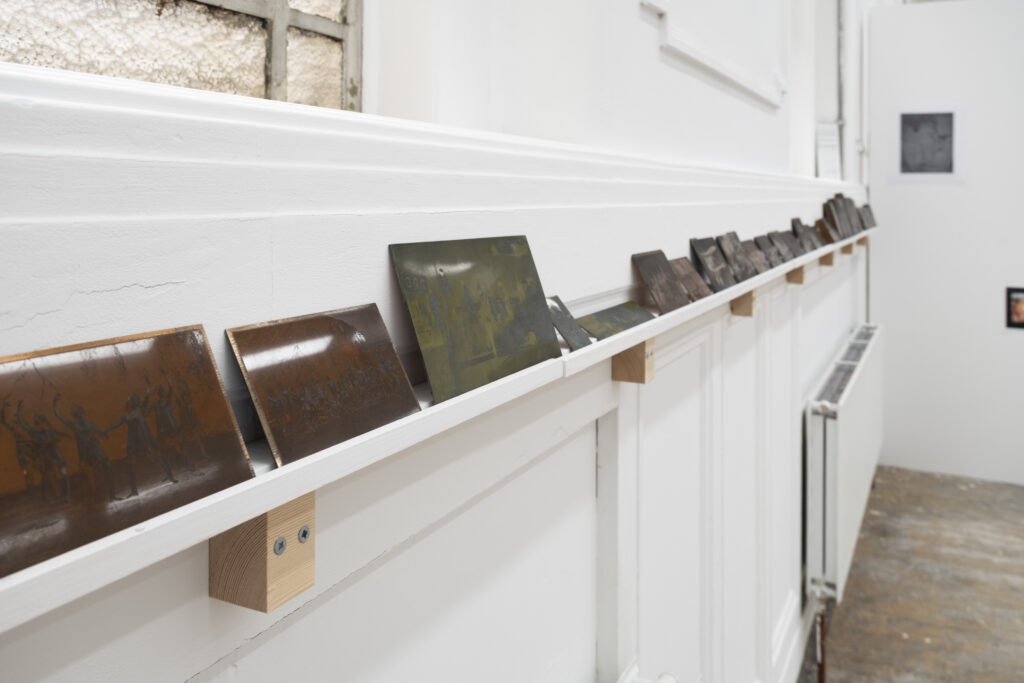
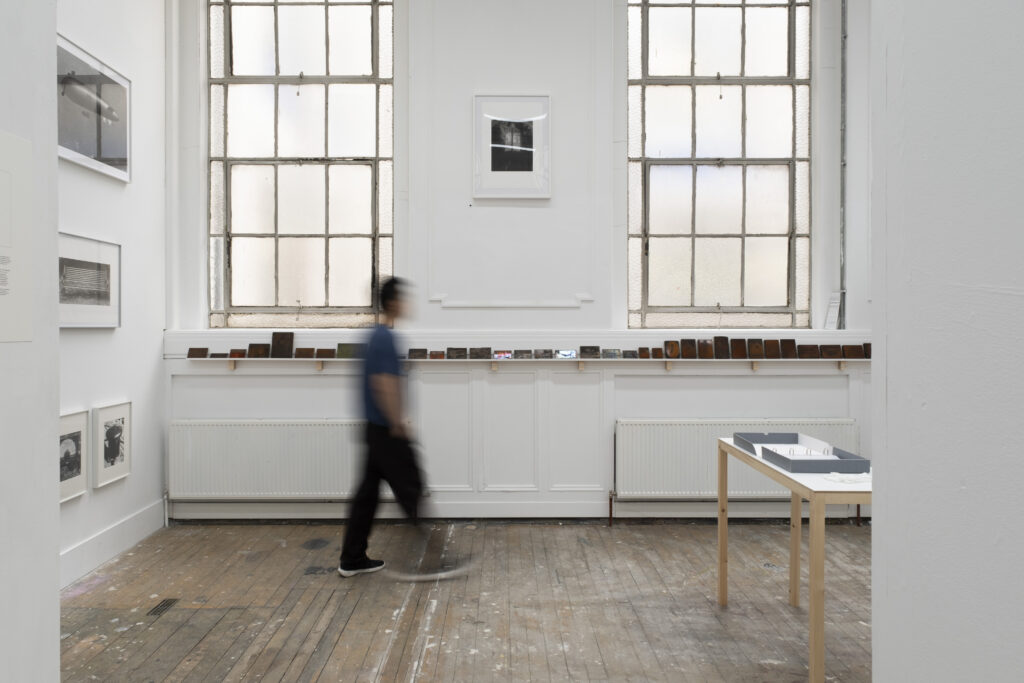
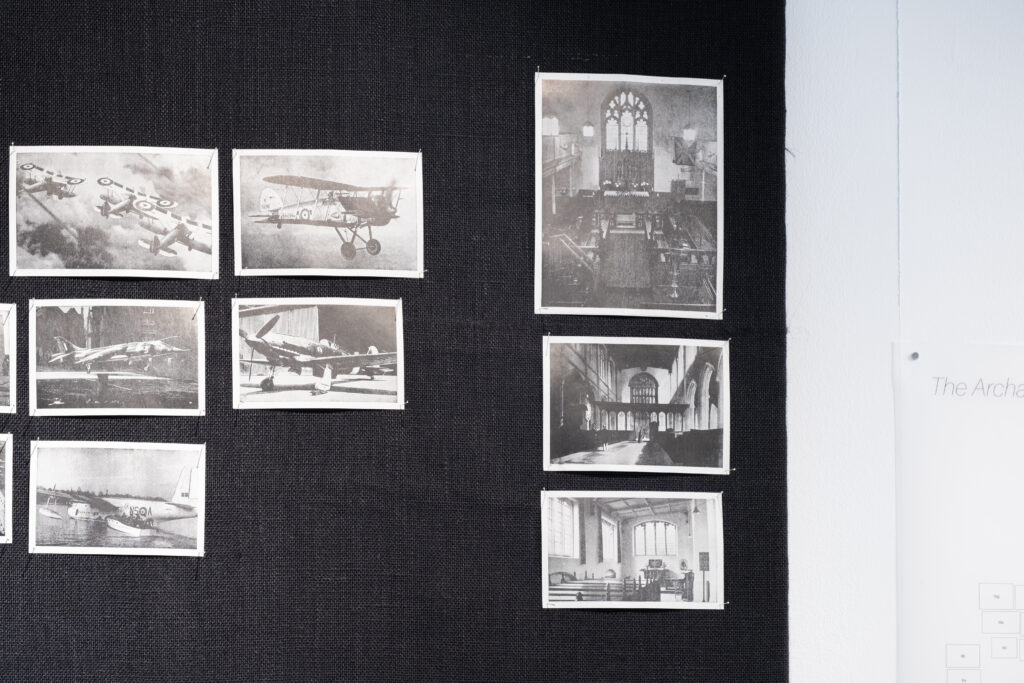
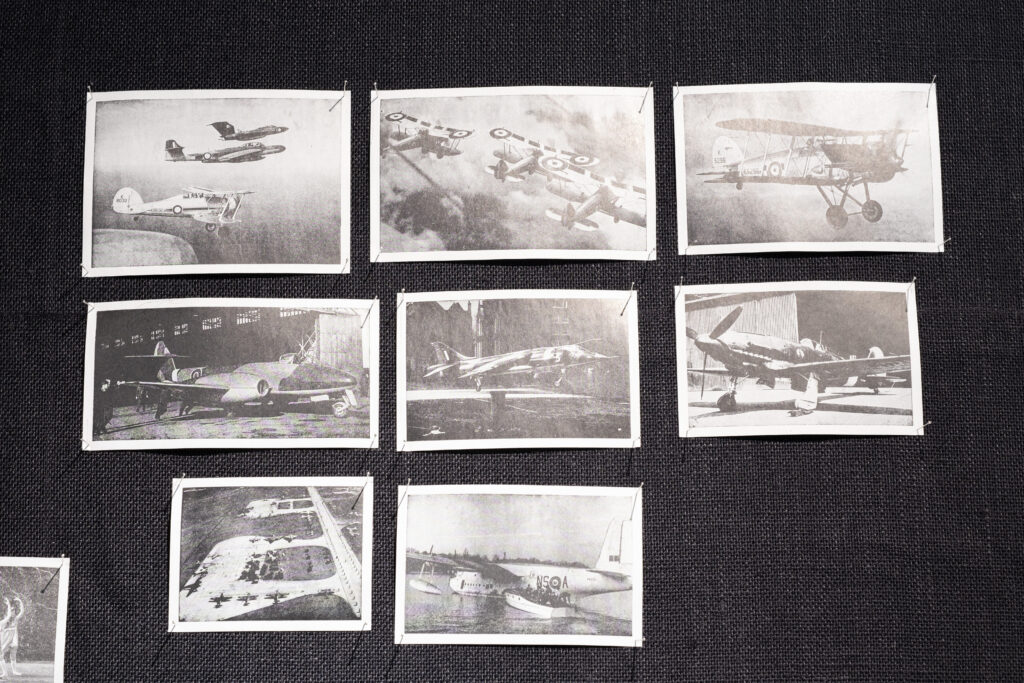
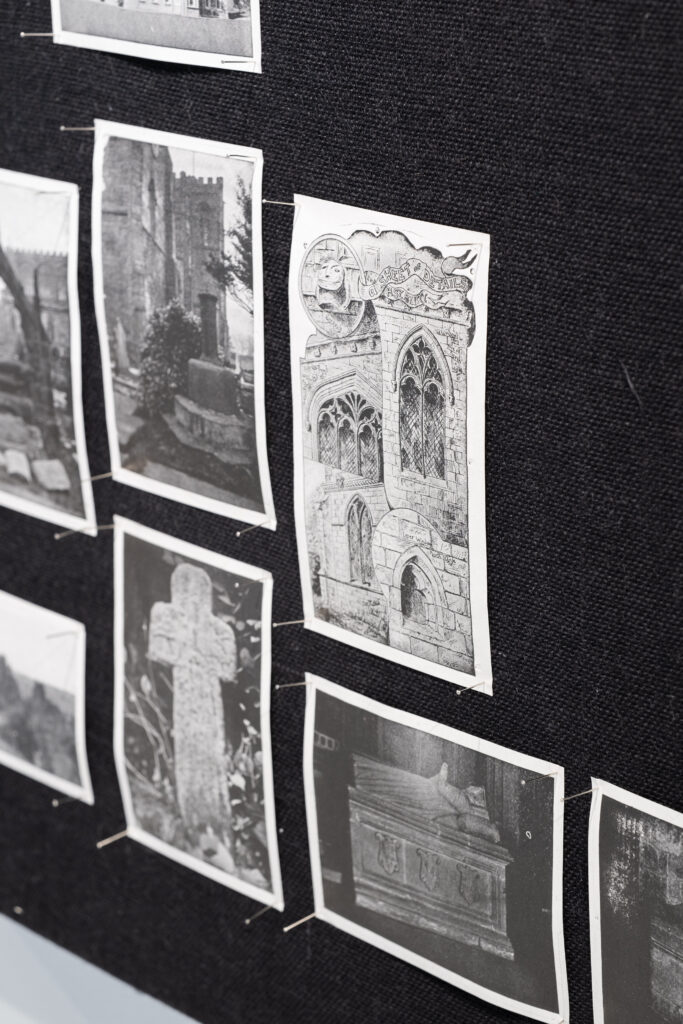
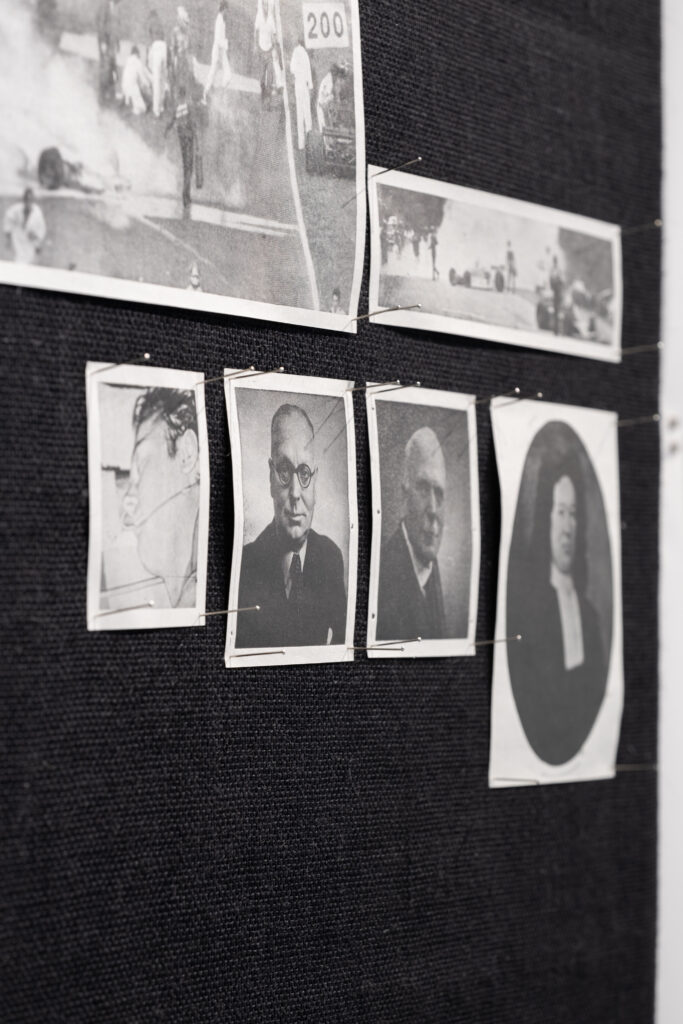
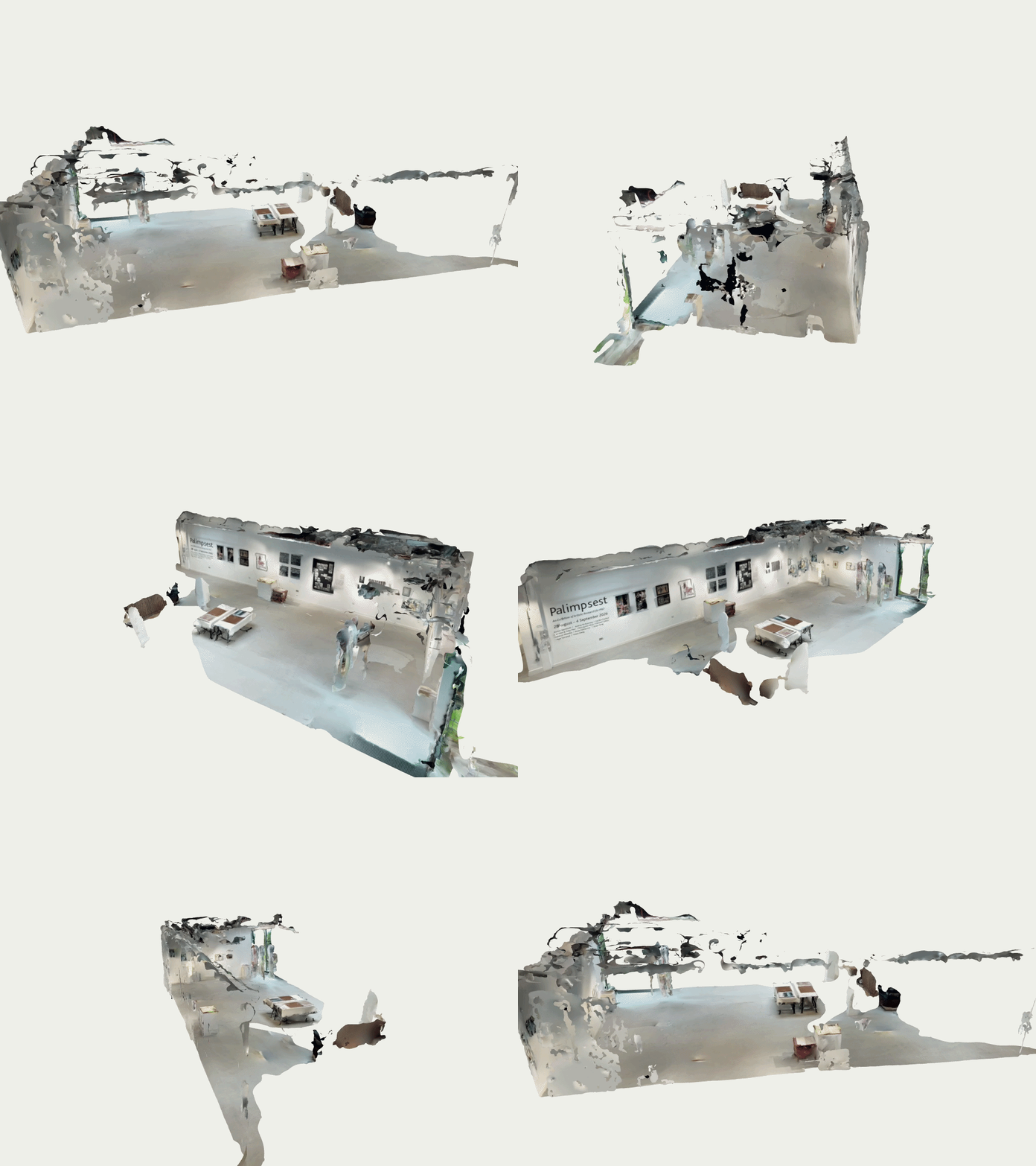
Palimpsest, 3D scan of the exhibition, shown as an 8-second video looped as a GIF, 2026
3
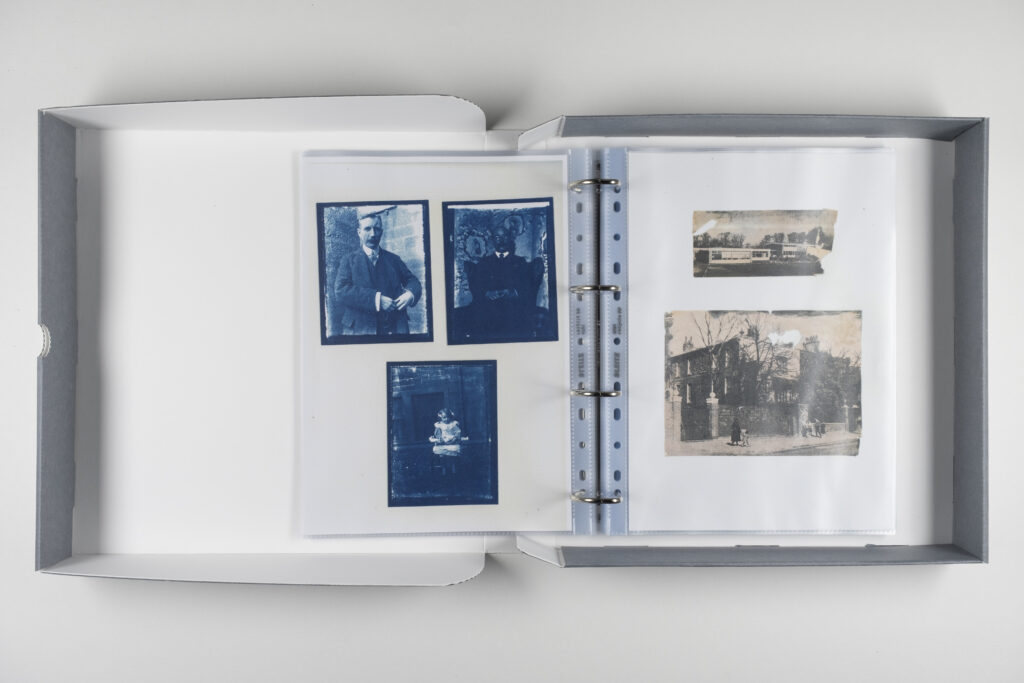
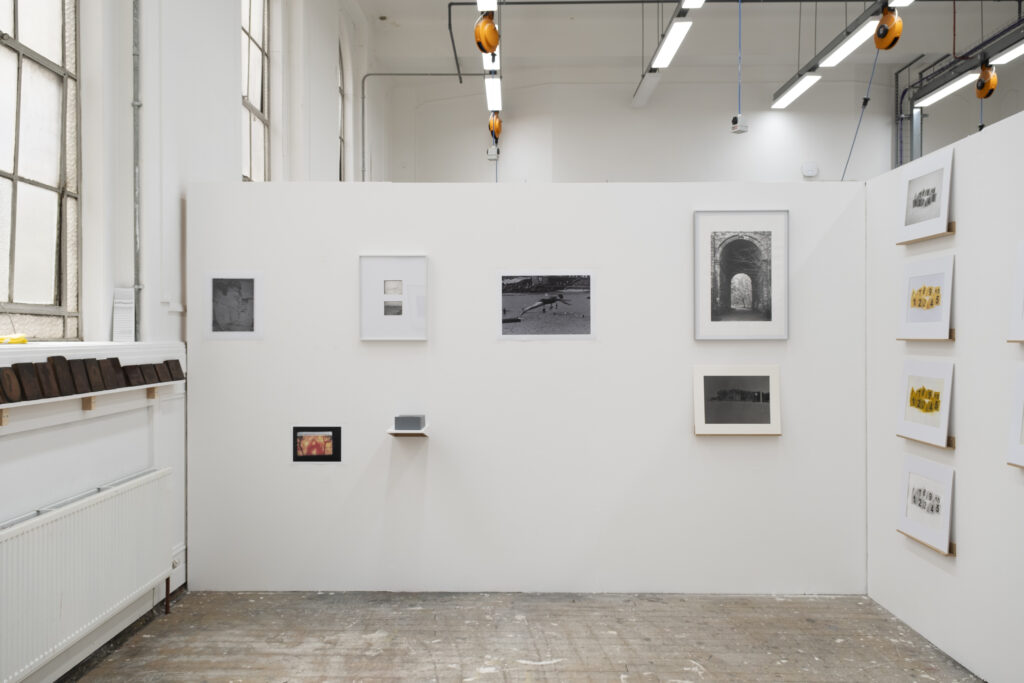
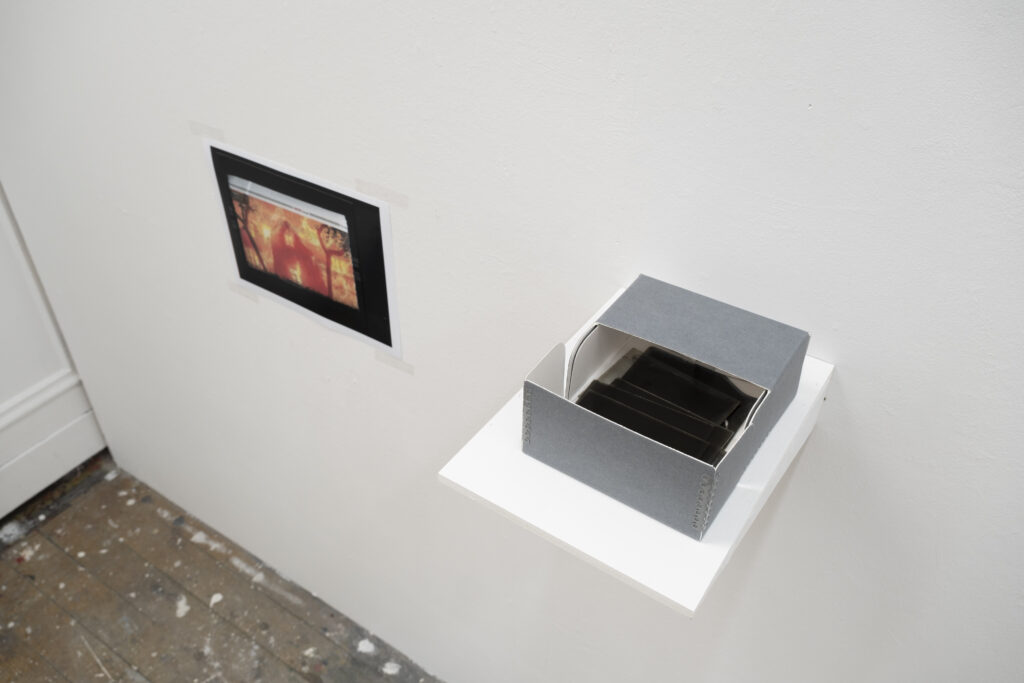
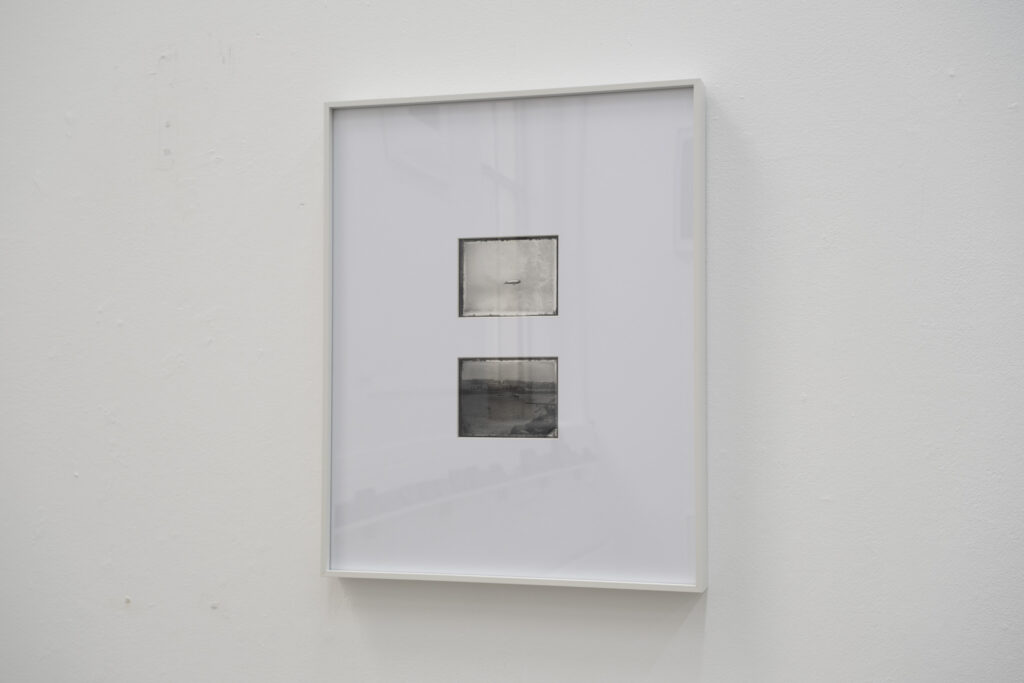
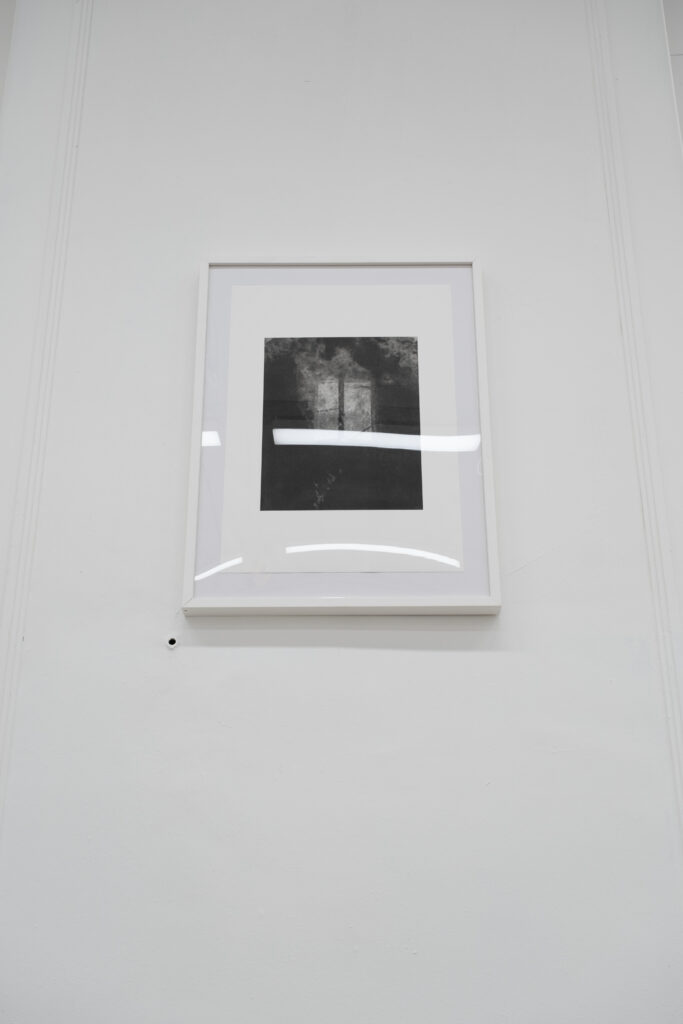
The images taken up here come mostly from the public domain: the open digital archives of institutions, also newspapers, old photographs and screenshots.
Yet to come from the public domain is not to belong to the public. Beneath copyright and access permissions lies a deeper, structural hold — the resolution at which an image appears, the history it is tied to, the account through which it is read, all remain with whoever controls those conditions. To print such an image back into a physical object is to take up that position.
2024-2026.
4
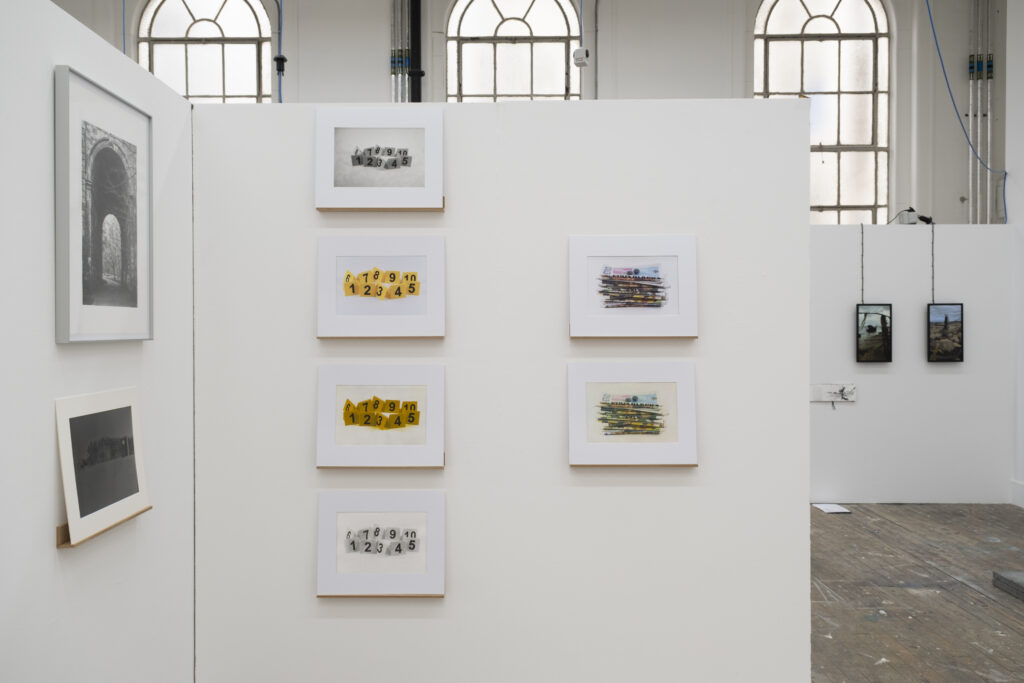
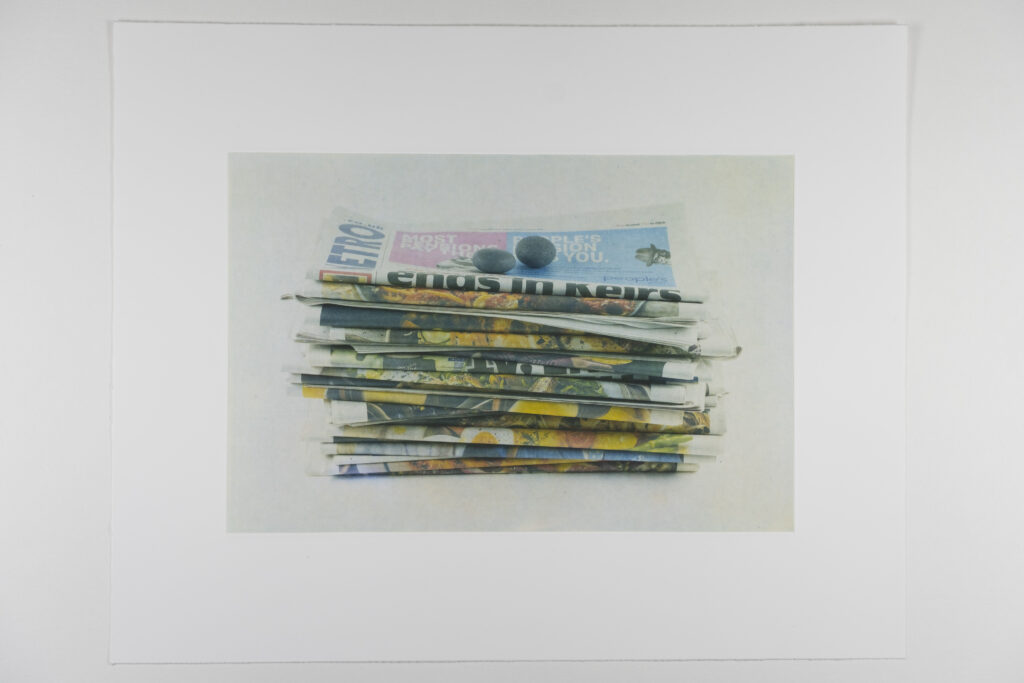
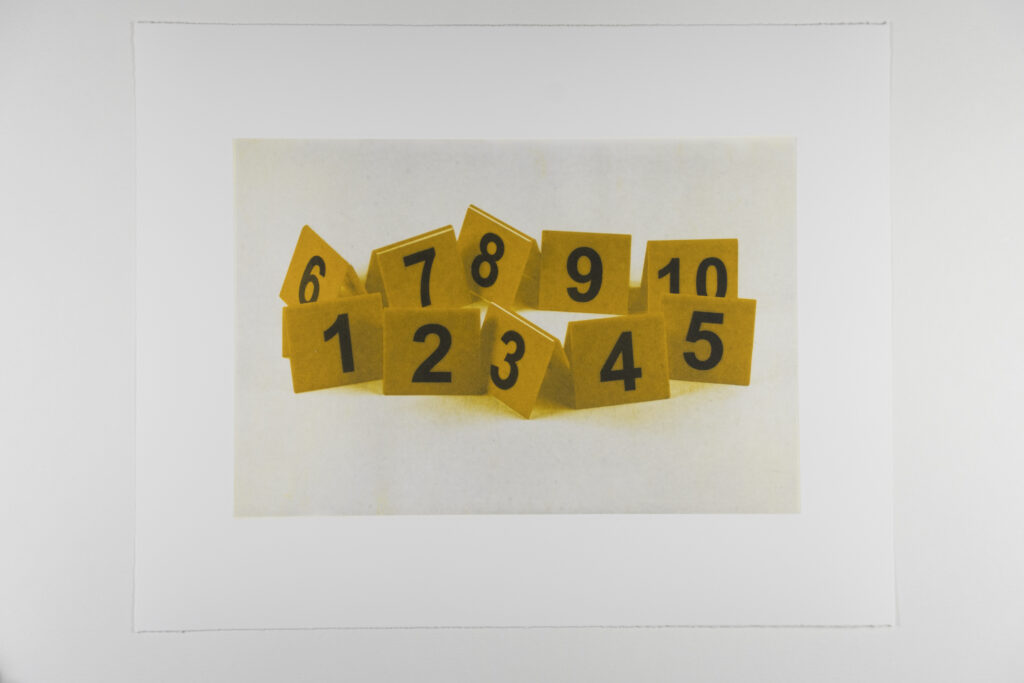
Two groups of visual experiments. Dimensions variable, displayed on shelves or fixed to the wall.
The series is a comparative experiment across media: a single visual motif, made and remade in one medium after another. All the images share the same mounting, which hides the material clues that would give away the medium of each sheet. With those differences flattened, attention moves off how a thing was made and back onto the image itself. The same motif is set side by side and offered as a visual phenomenon. No technique is signalled and no hierarchy of media, leaving the viewer to notice for themselves the small variations of form and medium.
2025.
5
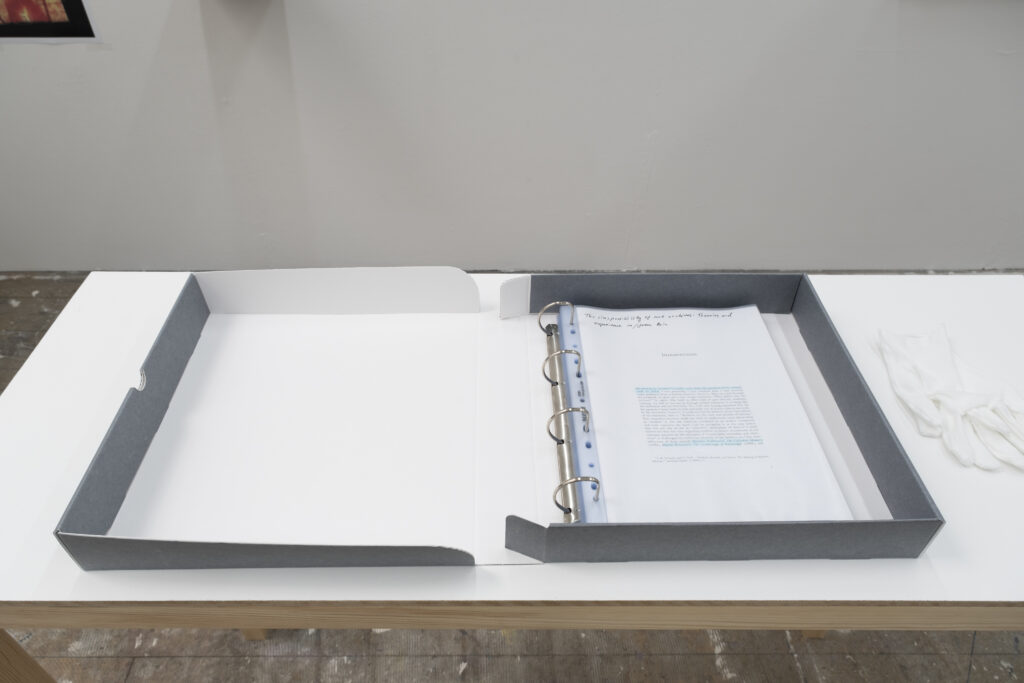
Research dossier in archival box, custom display table.
Box: 5.5 × 33 × 32 cm; table: 90 × 120 × 45 cm.
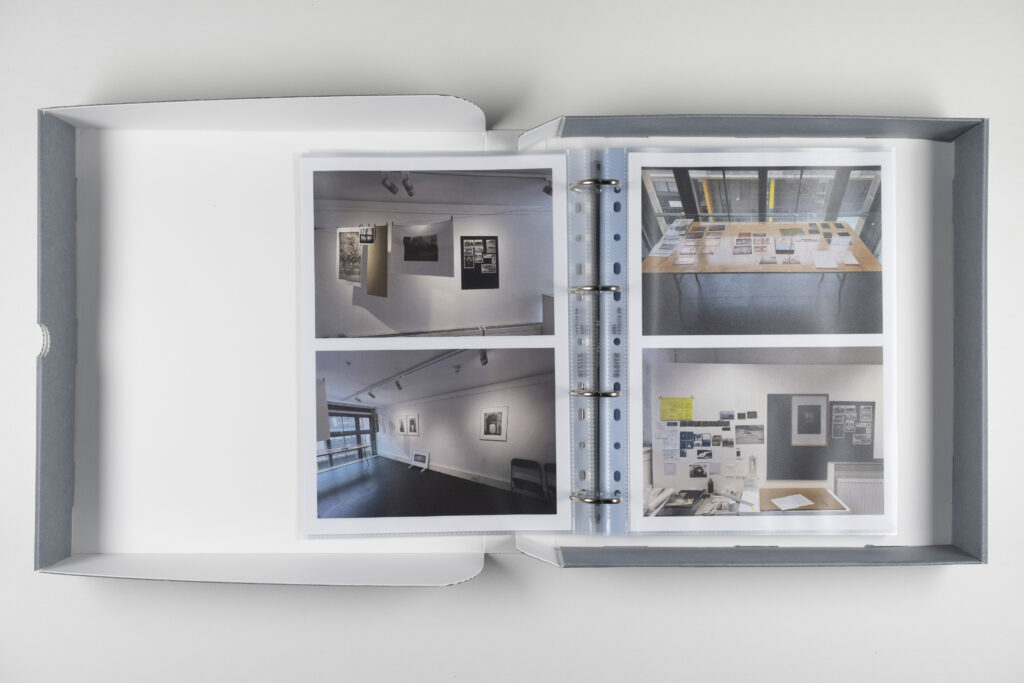
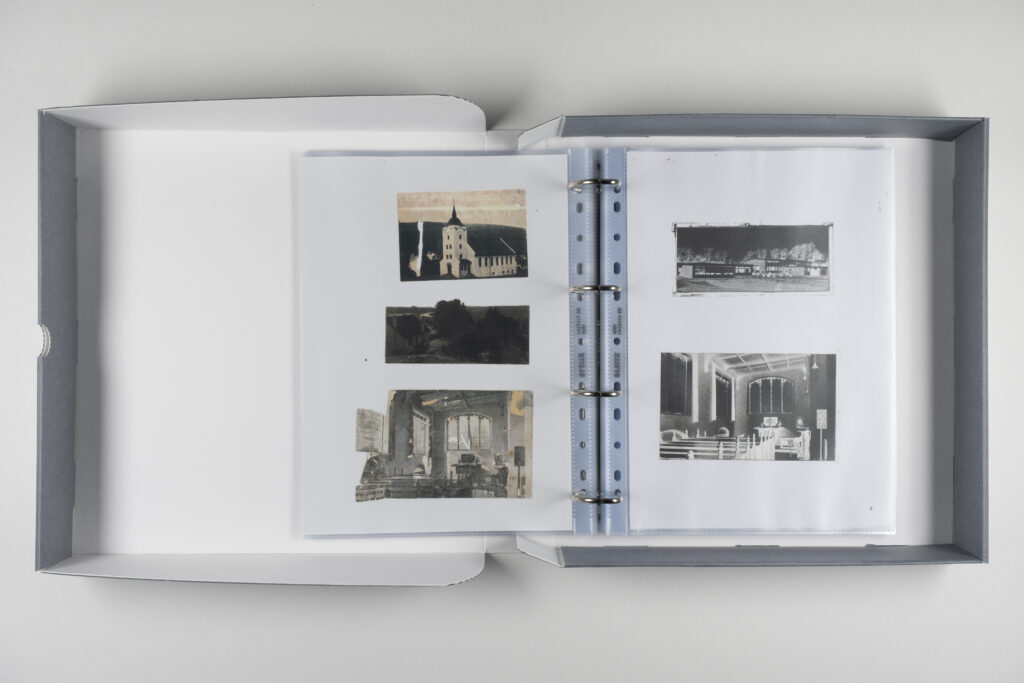
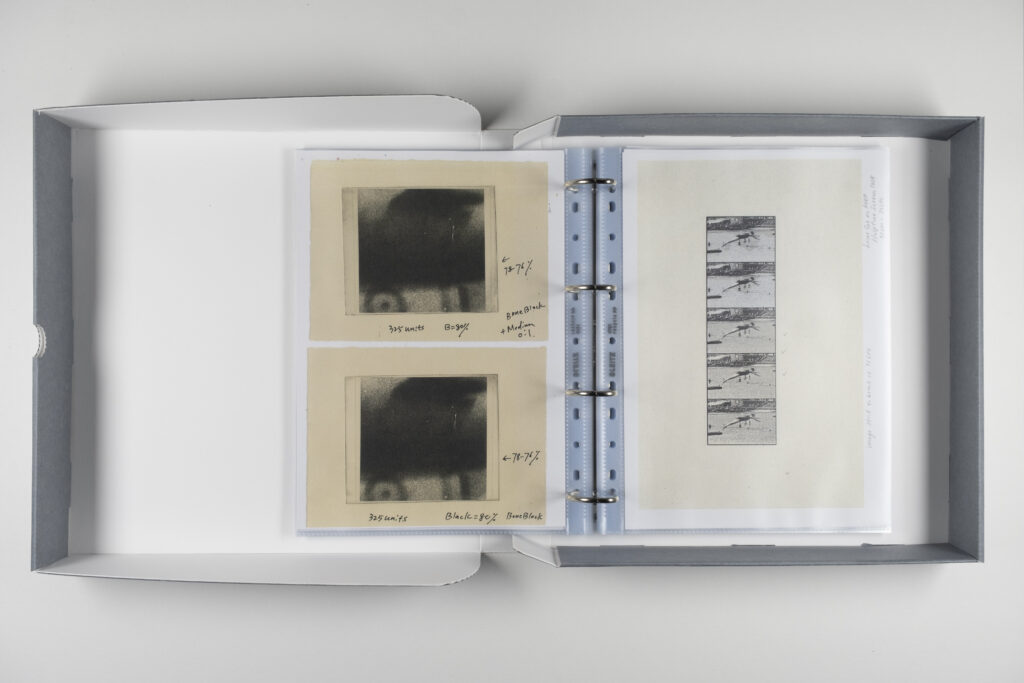
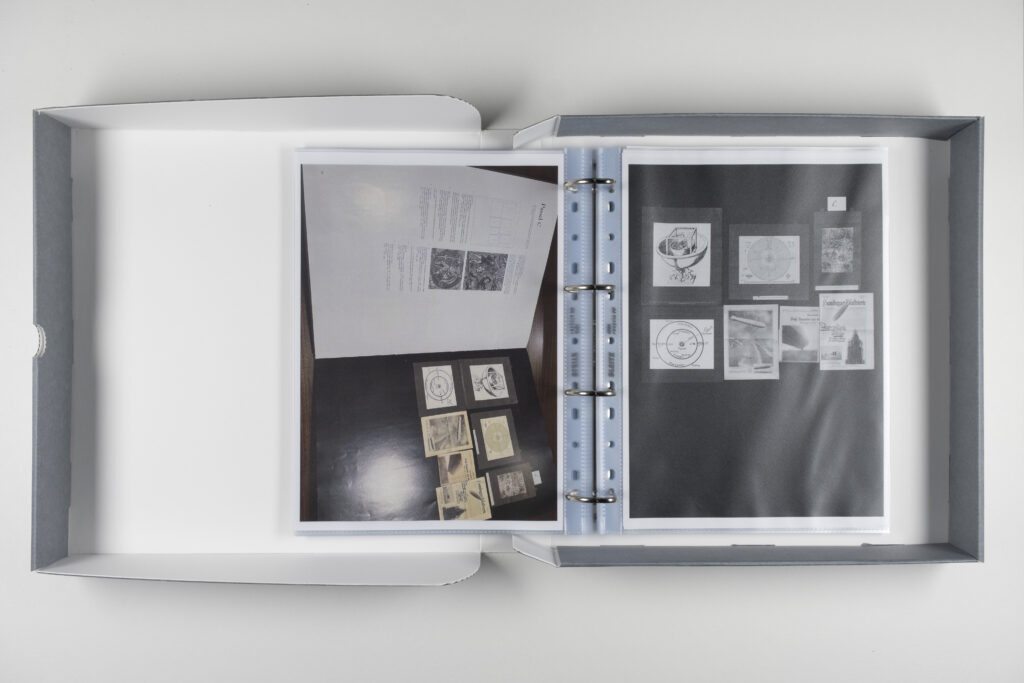
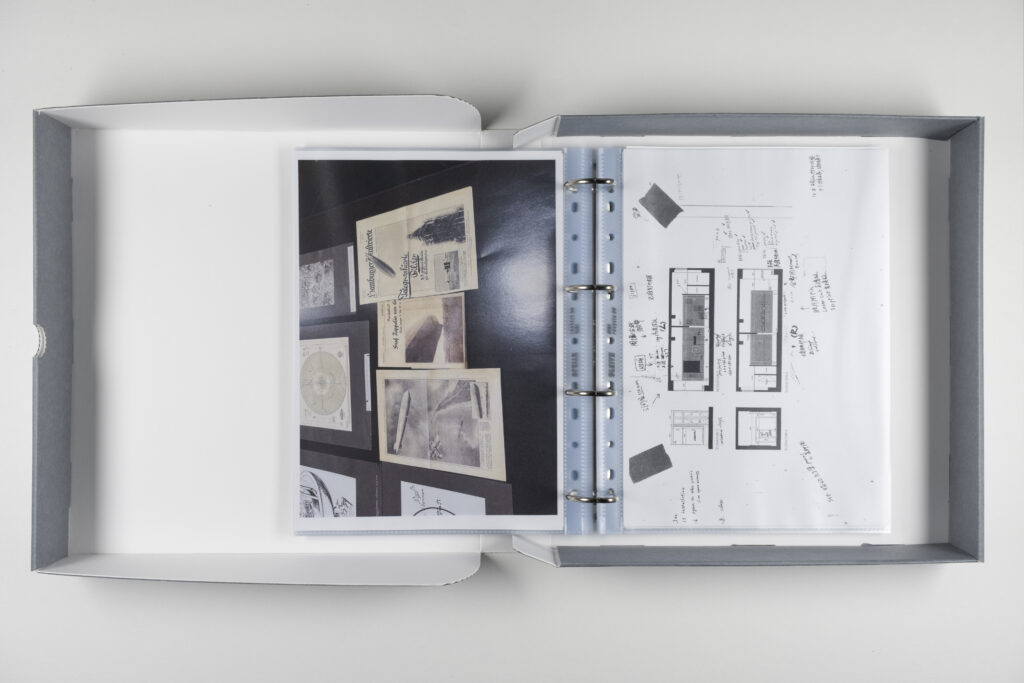
The box gathers the material accumulated around these projects over three years: visual references, research documents, the conferences and events I took part in, and documentation of the exhibitions along the way. It sits behind the other works, a set of notes and sources left out for anyone who wants to look further.
2023–2026.