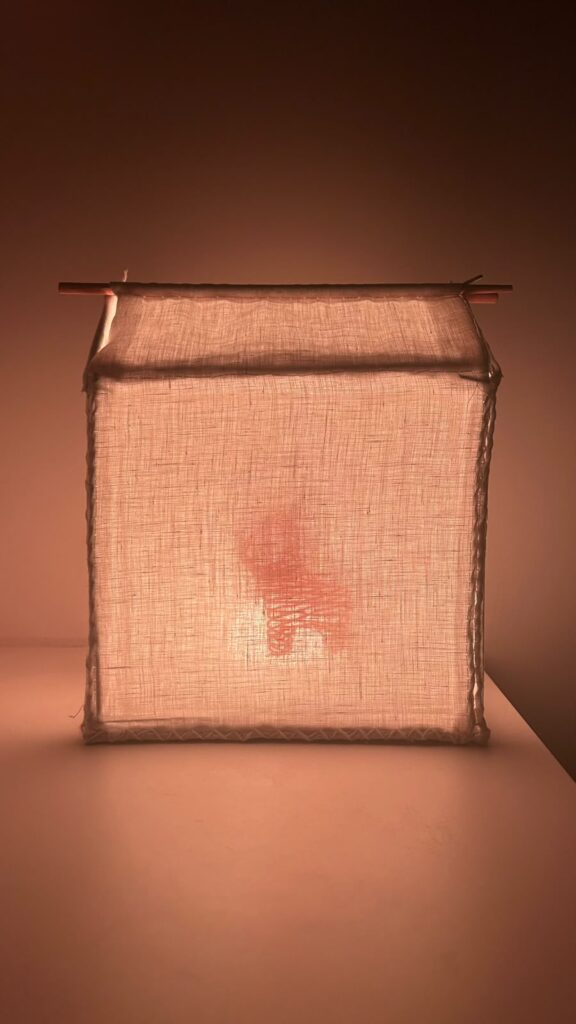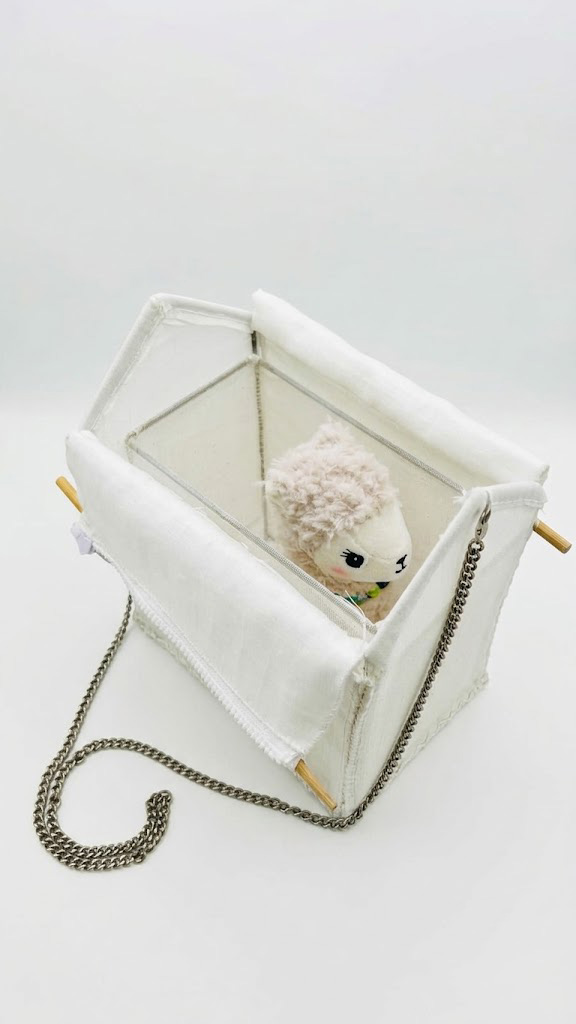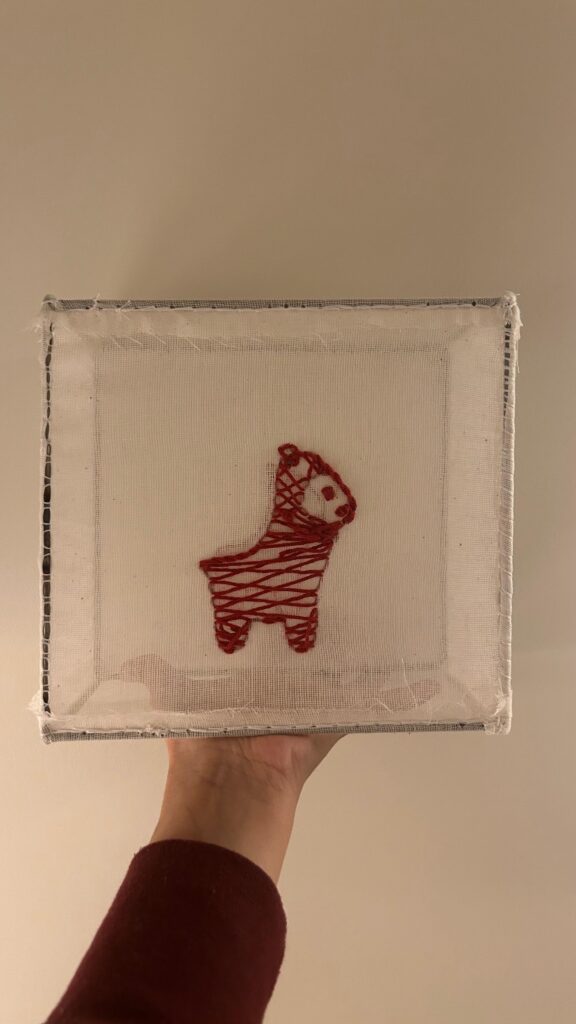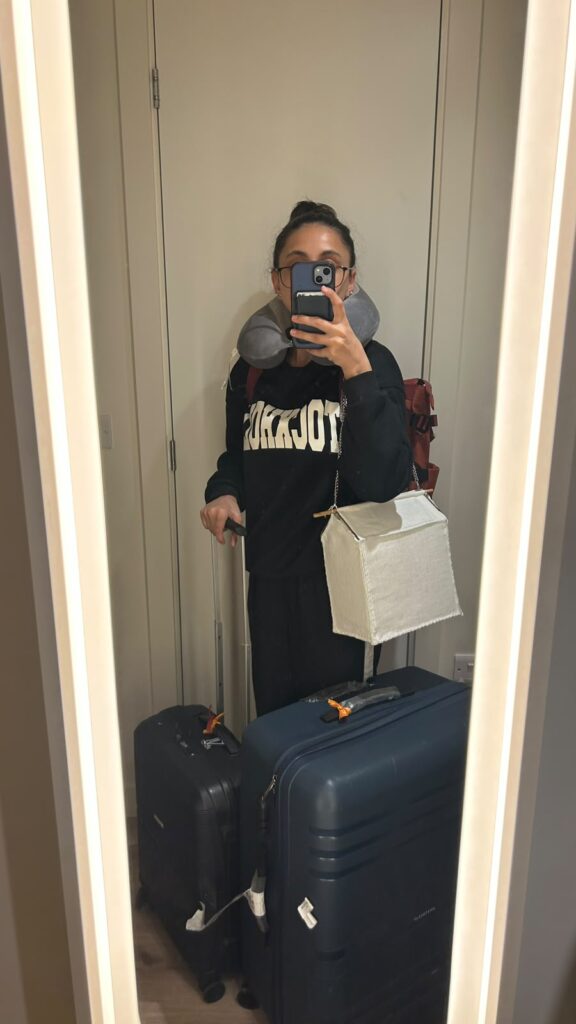
The Carried Home
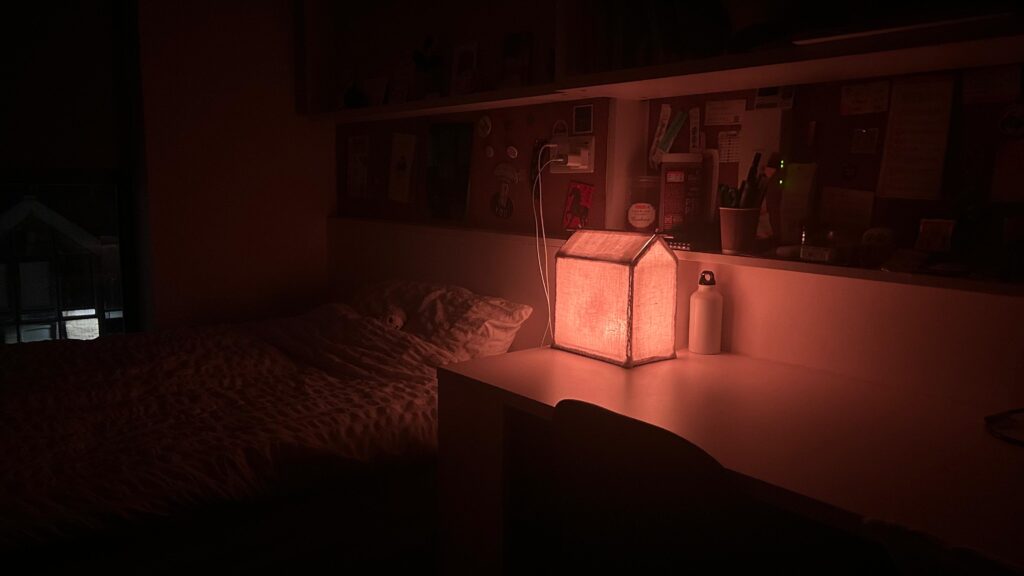
In the liminal stage of migration, international students and early-career movers relocate repeatedly before their diaspora identity or permanent residence is resolved, and they repeatedly negotiate their sense of home and identity. Developing one’s own place has impacted and is to create a centred and stable identity. Studies such as those conducted by Daniel Miller suggest that people’s possessions affect life satisfaction and bind people to their ethnic and social backgrounds when we cannot rely on social relationships. This study investigates the effectiveness of domestic objects in modern migration contexts, specifically those that people carry repeatedly. By conducting cross-disciplinary analysis of domestic objects to establish the basic framework of the process in extreme contexts, it was identified that belonging operates through two mechanisms at play: ‘carrying’ possessions and ‘making’ the space our own through constant accommodation and that both can occur simultaneously, but either or both still sometimes is not sufficient. Further, based on the identified mechanism, a survey was first conducted for the specified demographics to identify commonalities that satisfy the home’s desire. It was found that soft toys and objects were the most commonly carried, which they do not want to throw away, and served as a metaphorical hearth, radiating a sense of identity in otherwise emotionally hollow rented space. Research by Donald Winnicott on transitional objects also identified the same typology in infants’ negotiating separation from the primary caregiver through tactile and olfactory sensory connections. By comparing the two scenarios, first, Richard Serra’s action-oriented Verb List is adapted as an analytical tool for describing bodily habits of touch and second, another survey is conducted to assess the object’s olfactory impact in homemaking. It was found that modern voluntary migration reactivates this psychological mechanism in adulthood more through tactile means than through the object’s smell. However, the home’s warm quality was what they wanted to connect with more than the smell. These results were then speculated to preserve domestic objects that support/sustain a sense of belonging at different life transition stages, through what they carry and make in whichever space they land in.